

If you have been pondering your career choices and the skills you can develop in order to maximise the number of options you’ll have at your disposal, then programming is likely on your shortlist. You don’t have to dig all that deep into the discussions surrounding computer programming languages to learn that Python is at the forefront of every programmer's mind. If you were to chat about the path you intend on taking alongside a career guidance counsellor, they will likely also point you in the direction of learning Python.
In this article, we’re going to have a look at some of the uses of Python to give you some inspiration for projects that will serve to reinforce your learning. We’ll also look at how the language is used across a number of career paths that beginner programmers can enter with their newly sharpened digital skillset.


Looking at the Applications of Python
👩💻 Web Developer
📊 Data Analyst
💻 Backend Developer
👾 Game Developer
🖥️ DevOps Engineer
There’s a reason why you should ask any seasoned programmer about the best programming language. It is largely conceived to be the most versatile programming language out there, and it even powers major platforms that you use on a daily basis, like Instagram's backend and Netflix's recommendation system.
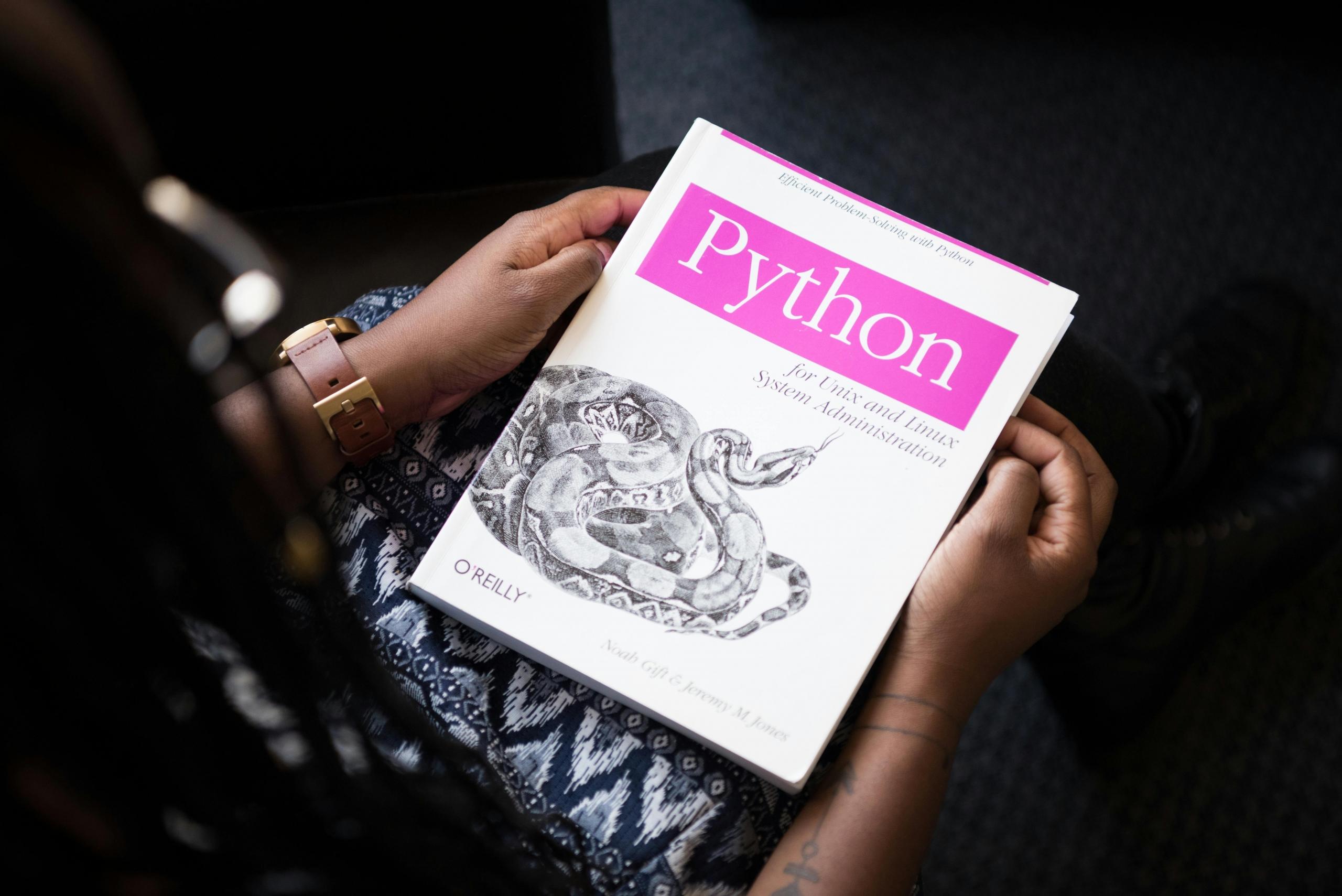
Part of it’s appeal is that it’s actually quite accessible in that you don’t have to be a coding genius to build useful applications with it. It’s often referred to as a Swiss Army knife in programming as it presents countless possibilities, particularly across careers in web development, data analysis, game creation, and DevOps that we’ll get into in just a bit.
There are a number of applications of the language that you can use to further your skills and confidence to the point that you’re ready to begin exploiting career opportunities. So, if you find yourself with an appetite for a challenge, then you can try your hand at creating the following tasks through Python.
- Basic Calculator: By creating a simple calculator, you’ll have yourself an application you can be proud of while developing a solid foundation for understanding how to manipulate data and interact with users through code.
- To-Do List: Developing a command-line to-do list application introduces beginners to working with lists, loops, and basic file operations. By seeing this task through, you’ll improve your understanding of data structures and how to persist information between program runs.
- Guess the Number Game: What’s more exciting than building your own game? Here, you’ll develop an app that generates a random number for the player to guess, but more importantly, you’ll learn about program flow and decision-making in code.
- Web Scraper: Building a simple web scraper to extract information from websites will teach you all about external libraries like BeautifulSoup and requests. It will also teach the ropes when it comes to working with external data and parsing HTML.
These projects offer hands-on experience with Python's syntax and core programming concepts. They are just a taster as to how Python can be applied to make useful applications even from the beginner level! Each of these projects builds upon the skills learned in the previous ones, allowing beginners to gradually increase their programming proficiency while creating useful applications. So, if you have the aspiration of working in a programming role down the line, these applications can be an effective way of developing your skills in line with your desired career path.
Junior Web Developer
When computer science and programming students leave school as fresh graduates, they are often able to walk right into entry roles as Junior Web Developers. The same is true for adult learners and working professionals who have learned Python alongside a private tutor or picked up sought-after programming certifications.

This is because the role of a web developer is to leverage Python's capabilities to create interactive web applications.
Its application here goes far beyond simple coding, allowing developers to build dynamic websites that users can access through their browsers.
As beginners take their first steps in this career path, they'll need to understand how Python handles web requests, manages databases, and serves content to users.
You can think about the development process like digital LEGO blocks where every little part of the process, whether it’s handling user input or managing database connections, fits together naturally. Of course, there are more complex projects that you can engage with the further you progress in your programming path. However, web development is certainly a career that you can pursue to leverage your Python skills as a beginner. With this career in mind, you might be wondering how long it takes to learn the language.
Data Analyst
The next career that you might want to eye up as a potential avenue for progression when it comes to using your newly acquired Python skills is data analytics. As a junior data analyst, you can expect to use Python in a number of use cases that may be entirely different from how you might have used it in the past.
In this role, you can expect to use Python to describe large data sets and communicate the information through more digestible and easy-to-read visuals.
This is definitely a job that, if you were to pursue, you’d be safeguarding your career long into the future, as the demand for data analysts is increasing year after year.
The application of Python in this role is extremely valuable to businesses as it allows you to surface trends in customer and company data sets, allowing for more informed decision-making.

Some of the applications of Python within this role could be in analyzing Netflix viewing patterns, investigating climate change data, or creating interactive dashboards of weather patterns, which are excellent starting points. This is a role that often captures the interest of beginners who are still working on furthering their knowledge of Python, as it comes with a gradual learning curve. Starting with basic data manipulation in Pandas, you can then take the next step and progress to more complex tasks like predictive modelling or creating interactive data dashboards.
Backend Developer
Would you believe us if we told you that you could even apply for a role as a backend developer and have a great chance of being successful as a beginner with Python?
Python Developers
Python developers are in high demand, as they are crucial for building the core components of modern web applications.
You’ll find yourself drawing on many of the learnings you may have picked up in your education journey thus far while also mastering Python syntax and progressing to more powerful frameworks that accelerate development. In this role, database management is going to be one of the key skills that you’re going to develop, involving both SQL and NoSQL databases, designing efficient structures to handle user information and transaction data.
If you want to reach your end goals and progress in this career path, you’re going to want to develop your competency with Python, particularly when it comes to object-oriented concepts and data structures. From here, you can begin exploring web development basics such as HTTP protocols and API design, and you can be a real asset to any programming roles you set your sites on down the line. If this sounds like a care you'd like to pursue, you might want to take a look at the best ways to learn Python.
Junior Game Developer
One of the most popular options when it comes to roles that rely on Python programming skills would be that of a Game Developer. For many, this is one of, if not the dream career, that provides the opportunity to work behind-the-scenes on games that we all have such find experiences playing at some stage in our lives.
So, if this is something you’ve always dreamed of doing or perhaps never knew was a possible career path, then you’re likely already asking yourself how exactly the role incorporates Python. As a Junior Game Developer, you'll start by mastering the basics: creating game windows, implementing game loops, and handling events, all of which are core elements of any game project.

You’ll find yourself using popular libraries like Pygame as toolkits for 2D game development, allowing you to manage graphics, sound, and user input with minimal code.
You’ll also be able to use your knowledge of Python to develop important concepts such as game states, player controls, and collision detection.
Some of the more complex features, like graphics and sound effects, will likely come with a steeper learning curve.
For this reason, it might take a little more experience in the role before you are able to use them to bring your games to life. Before embarking on your career path, you'll first need to make sure that you get Python installed correctly.
Python-Focused DevOps Engineer
Python has also become a crucial tool in DevOps, bridging the gap between development and operations and bringing even more exciting career prospects for budding Python learners like yourself!
As a Python-focused DevOps Engineer, you’re going to be using the language to automate various aspects of the software development lifecycle. This will start with some basic task automation and extend to the management of complex configurations using tools like Dynaconf. Then, as you begin to build up your experience over the months and years, how you use Python may also evolve to include some Machine Learning Operations (MLOps), leveraging Python's strengths in both DevOps and machine learning.
This career could be your true calling if you envision yourself collaborating with teams, using version control systems, and creating maintainable code. It offers enthusiastic Python learners a perfect blend of programming and operational skills looking to progress their careers in an entirely unique direction. Learning about functions and data types will also go a long way in enhancing your coding ability.
Putting Your Python Knowledge to Use
Armed with an understanding of the Different Uses of Python for Beginners, you should find yourself in a position to make a more informed decision as to how you put the programming skills you pick up into practice. The careers showcased throughout this article show first-hand the prevalence of Python in the ever-evolving working world. By developing your skills in this area, you’ll not only have an easier time securing employment but seemingly put yourself in a position to stay valuable long into the future!
After your reading, you’ll also have a number of projects that you can practice in your free time and build upon over the course of your learning so that you find yourself with a strengthened portfolio that makes it difficult to turn your application away when applying for any programming role.
Summarise with AI:
Enjoyed this article? Leave a rating!

 Loading...