
Easter is one of the most-celebrated holidays in the world. Every spring, Christians commemorate the holiday with church services, family feasts, and egg hunts. Behind the holiday is a long and storied history, stemming from pagan times before Christianity. Discover how Easter evolved from ancient practices into the holiday we know today.


Etymology and Meaning of ‘Easter’
Understanding the factual historical context behind an ancient holiday is important. It gives us helpful clues about history and religion. The etymology of Easter is surprisingly mysterious.
Origins of the Term ‘Easter’
The Easter definition derives from the Old English word Êastre or Êostre, which comes from the ancient Germanic word Ostern.
Ostern refers to the east and dawn. It was likely used as a descriptor for the holy day because it takes place in the spring and was an apt word to represent resurrection by local standards.
According to a 7th-century claim made by historian Saint Bede, Easter is a holdover name from a pagan spring holiday celebrating the goddess Eostre.
However, there are no other known mentions of this goddess. Current evidence shows that this most likely is not the case, and instead, the word comes from the Germanic word Ostern, which means “east; dawn.”
In non-English-speaking Christian communities, Easter is not called Easter. It’s called Pascha.
This word originates from the Hebrew word Pesach, which means “Passover.” In essence, Pascha / Easter is the Christian version of Passover.
This points to the most likely possibility that the Germanic and Old English Catholic Christians used the more familiar word, Ostern, associated with spring, rather than the established Latin word Pascha, as a way to localize the new tradition.
That’s why Easter is only called “Easter” in English (and “Ostern” in German), not in other languages.
Evolution of the Name Across Cultures
Easter as a celebration began in the 2nd century, in Asia Minor. The Christians there spoke Latin, as was the language of the church. They called the holiday Pascha.
Many orthodox communities still refer to the celebration as Pascha, but the word has also been localised by some languages. In French, it’s Pâques, in Italian, Pasqua, and in Spanish, it's Pascua.
As mentioned before, the name was changed by those who spoke German and Old English. They instead used the word Ostern as inspiration; in German, Easter is still known as Ostern. And that’s where English derived Easter from.
The resurrection gives my life meaning and direction and the opportunity to start over no matter what my circumstances.
Robert Flatt
Historical Background of Easter
Early Christians had strong Jewish backgrounds and Hebrew beliefs (after all, Jesus was Jewish). As a result, Easter is strongly tied to the existing Jewish holiday, Passover. However, the events behind Easter are completely different from those of Passover.
Biblical Accounts of the Resurrection
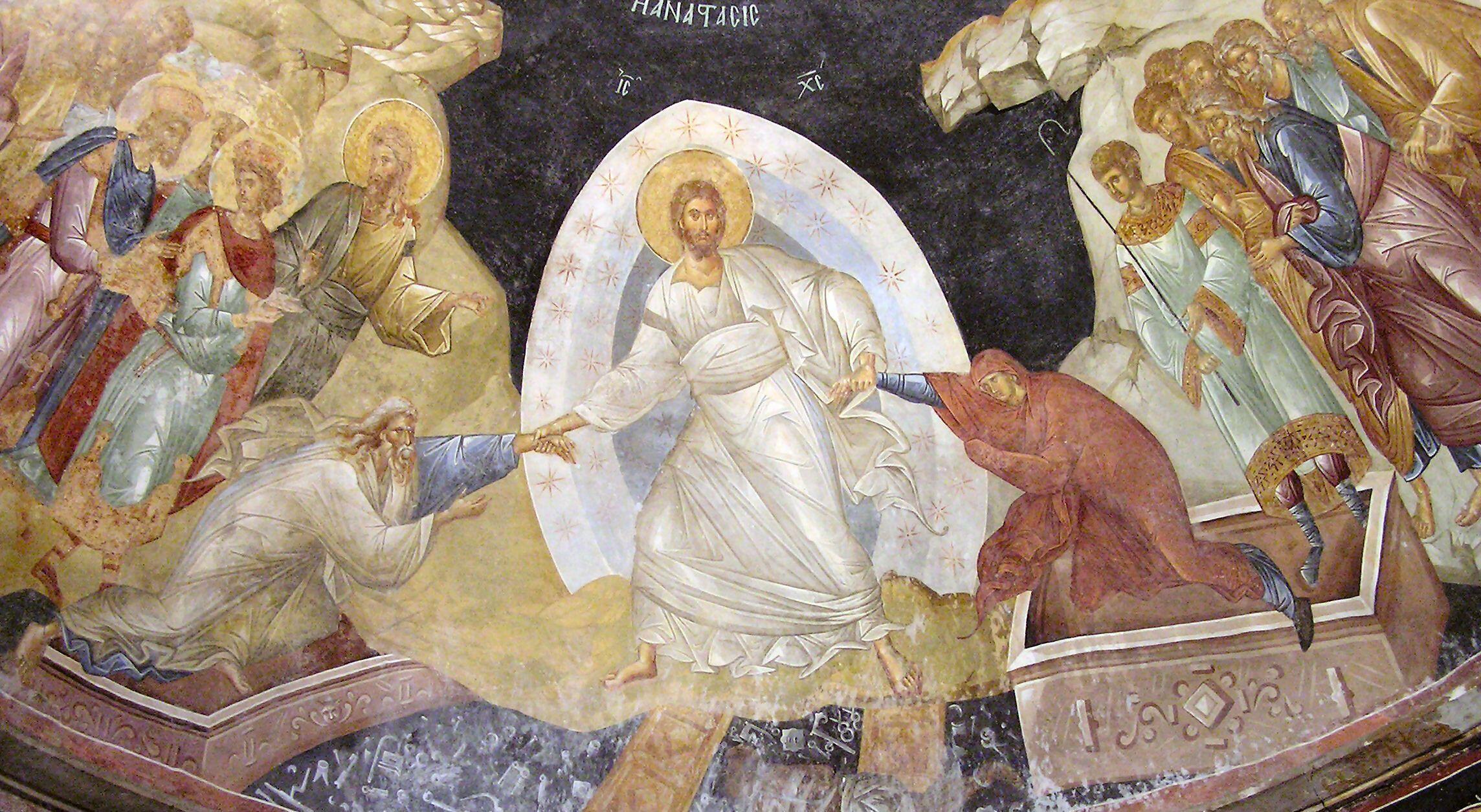
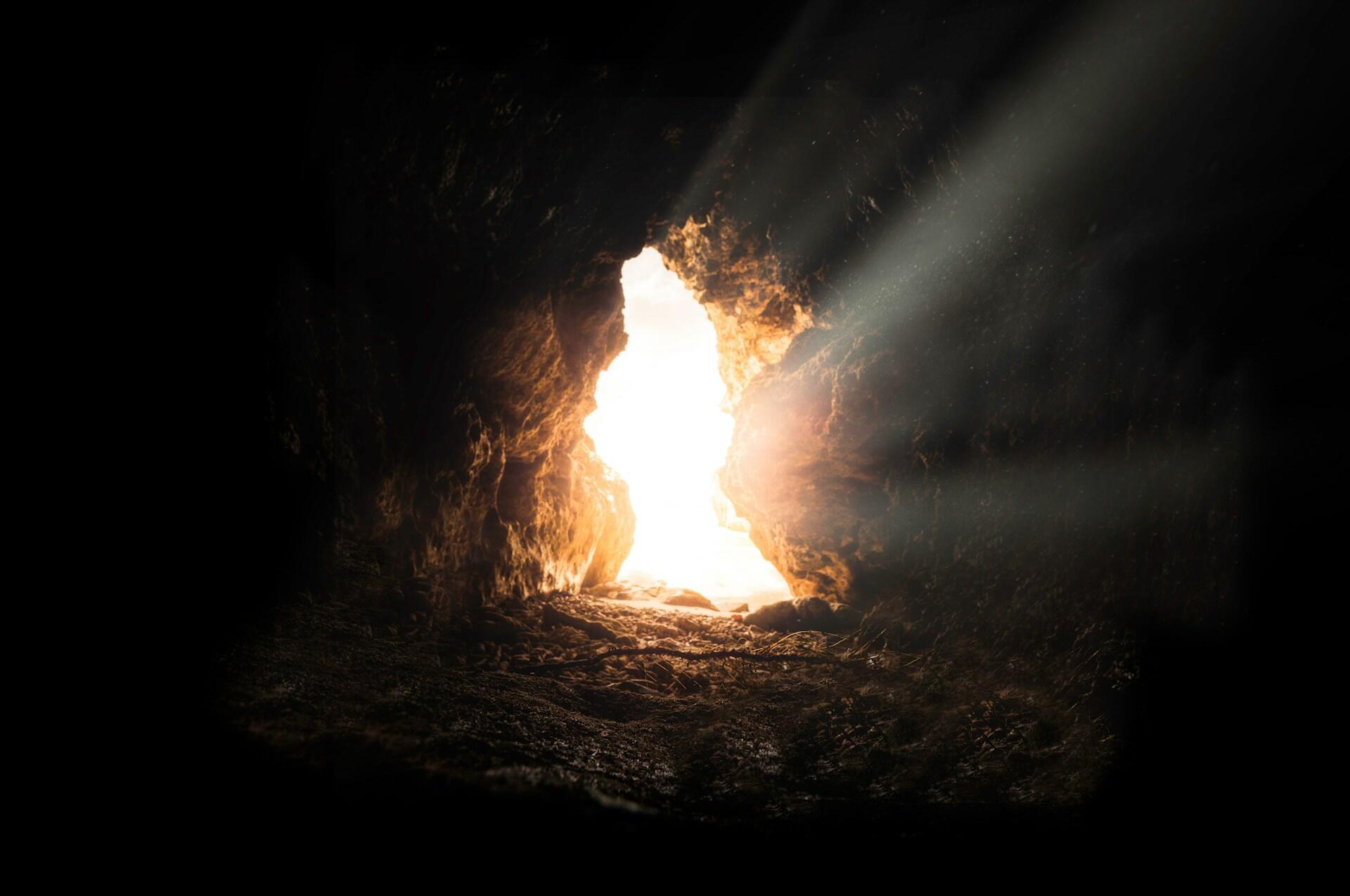
According to the Gospels, Jesus was crucified on the day we now refer to as Good Friday. He was buried in a tomb, but on the following Sunday, three days after the crucifixion, his followers saw that the tomb was empty and he appeared resurrected.
Easter is a celebration of the resurrection of Jesus after he was crucified. It symbolises the triumph of Christian faith over oppressors.
These events took place during an existing Jewish holiday, the week of Passover. In fact, the Last Supper that Jesus and his disciples had together before his crucifixion was a Passover meal.
The day of the resurrection became known as Easter Sunday, which marks the victory of faith over persecution, life over death, and hope and renewal. This celebration of the ultimate miracle of the resurrection of the Saviour Jesus is what the entire celebration of Easter / Pascha is all about.
I am the resurrection and the life. Anyone who believes in me will live, even after dying. Everyone who lives in me and believes in me will never ever die.
Jesus Christ, John 11:25-26
Early Christian Celebrations
In the early years of Christianity, Christians did not celebrate Christmas; instead, Easter was the main holiday. Believers gathered each year to remember the resurrection, often holding vigils from Saturday night to Sunday morning.
Some early Christians combined the holy day with Passover, while others kept it separate.
By the 2nd century, when the official agreed-upon date for celebrating had been established, churches across Rome began observing Easter each year.
Different communities had slightly different traditions. Some fasted, while others feasted, for example. The main focus across all the communities was resurrection and renewal. These ancient practices informed tradition, which is why Christians still hold special church services and have feasts for Easter today.
Determining the Date of Easter
Easter wasn’t always celebrated on the same day we observe now. At first, celebrations were likely localised, with different communities celebrating either on the actual anniversary of the event or on the Sunday after the anniversary. Eventually, the Catholic church wanted to standardise which day should be the official holiday.
The Council of Nicaea and the Computus
The current date of Easter each year (in the Western Christian tradition) was proposed at the Council of Nicaea in 325 CE (located in modern-day Türkiye). It was the first ecumenical council (meaning the whole Church was represented, rather than different factions or sects).
The problem was that churches were arguing over the correct day to celebrate Easter to the point that they were trying to excommunicate one another over their differences in beliefs.
The council aimed to create an agreeable common ground, or at least an acceptable compromise.
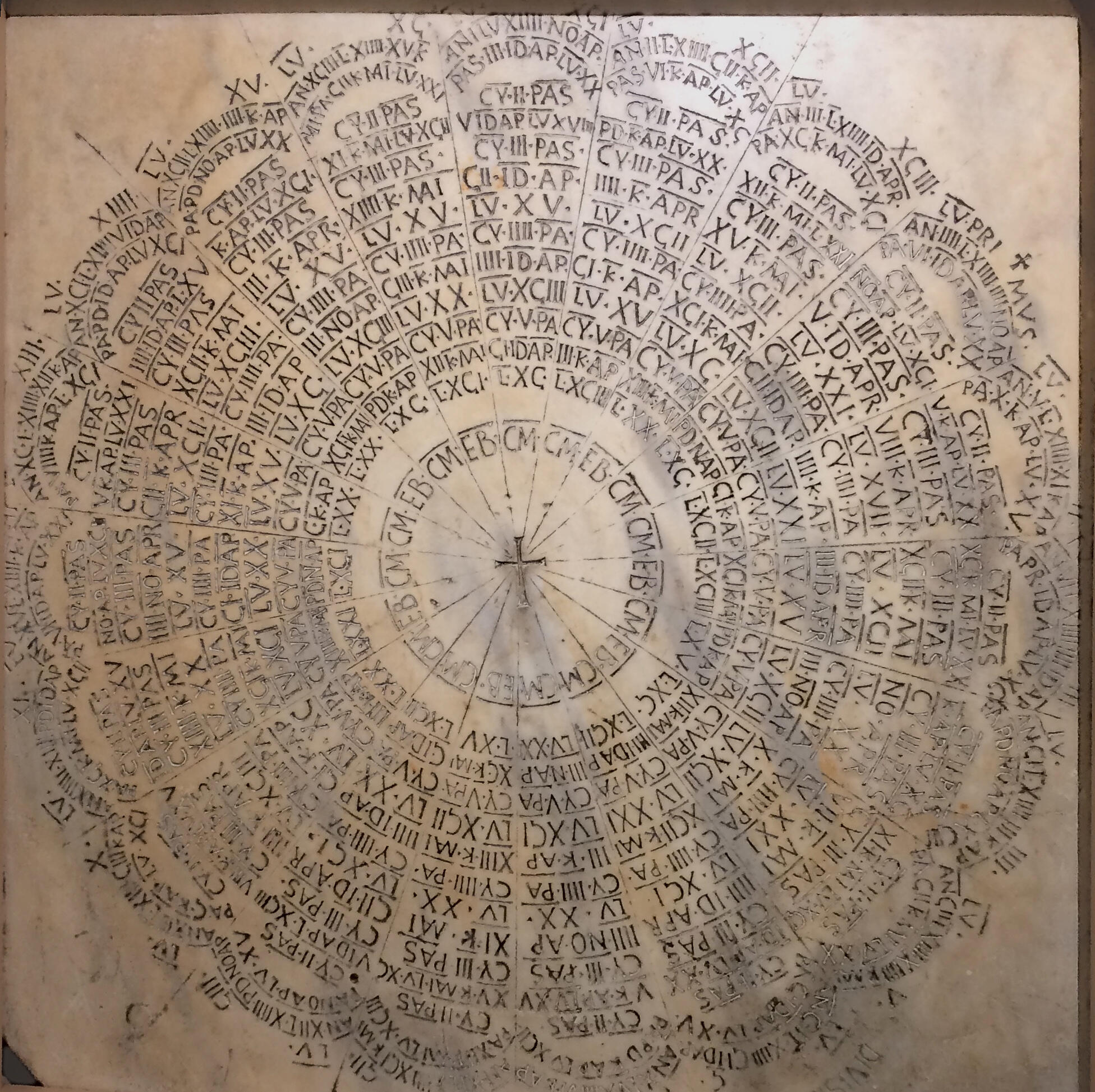
The foundations of the calendar calculations for Easter were laid at Nicea, but it took centuries for the current calculation(s) we use today to be settled.
As it is, the method is not simple. The Computus, the calculations for determining Easter Day, is a very complicated piece of math that requires tweaks over time due to the imprecise movements of the sun and moon.
To understand the timing of Easter further, take a look at our deep dive into why Easter’s date changes every year.
Variations Between Western and Eastern Traditions
The Council of Nicaea sought to create a day when the entire Church would celebrate at the same time. Alas, that has not yet been achieved.
Eastern Orthodox Christians follow the Julian calendar, plus several other conditions, when calculating the date of Easter. For example, Easter must always come after Passover, even if that means disregarding the full moon. They choose to use the old calendar as a way to stay connected to the religion’s ancient roots and avoid changing beliefs due to the Roman Catholic Church’s influence.
The short rule is: Easter is celebrated on the first Sunday after the ecclesiastical full moon, after the ecclesiastical vernal equinox.
It usually takes place in April, but it can sometimes be in March or May.
In Western Traditions, the Gregorian calendar is used. The original Computus used the Julian (or Roman) calendar, but in 1582, a reform using the Gregorian calendar was attempted.
The two different calendars mean that Easter falls on different days in the same year, depending on which branch of Christianity you subscribe to. Sometimes the difference in dates can be close to a full month, and sometimes the dates line up to be the same day.
Significance and Theological Meaning of Easter
Above all, Easter is meant to be a holy day that celebrates the most meaningful moment in the history of Christianity. The traditions observed on Easter are meant to be dedications to Jesus and inspire reverence in Christian followers. It is an ancient holiday with lots of cultural and religious significance.
The Resurrection as a Cornerstone of Christian Faith
For Christians, the resurrection of Jesus Christ after his crucifixion is the most important religious event in the faith. The event is seen as evidence of divinity and God’s promise of salvation.
Jesus’s sacrifice on the cross is seen as the biggest show of faith, and his subsequent resurrection is proof that eternal life for those who seek salvation and live by the word of God is real.
This is the reason Christians celebrate Easter.
The meaning behind Easter Day is a celebration of Jesus’s life, sacrifice, and resurrection. In Christianity, Jesus is seen as the sacrificial lamb who died to atone for everyone’s sins. It’s a reminder to maintain faith and be grateful for Jesus’s gift of self-sacrifice.
Symbolism and Renewal of Life
Even before Christianity existed, spring was celebrated as a season of rebirth, renewal, and new beginnings. Pre-Christian spring celebrations also included many symbols of fertility, such as eggs and rabbits. These symbols were incorporated into Easter, though their meaning was changed, since Easter is not a celebration of fertility in Christianity.
However, the symbols of the dawn and light overcoming the dark, new life in the form of sprouting plants and baby animals, and feasting as a celebration of life and abundance remained.
Spiritual resurrection means that we are, in a sense, living in heaven while still on earth, living in the future while still being in the present.
Timothy Keller, "Hope in Times of Fear"
The significance of Easter today is as a deep religious reminder to have faith in Jesus and God. The springtime feast celebrates this faith through prayer and holy feasting in recognition of the gifts given by God, allowing the celebration to take place. The devotion practised throughout the day is a meditation on hope, faith, renewal, and growth.
Learn more about the symbols associated with Easter.

Easter Monday and Its Meaning
In many traditions, Easter’s significance does not stop at the end of the day on Sunday. The holiday is so ingrained in many countries’ cultures that the Monday after Easter is also seen as an important date.
Observance of Easter Monday
Many countries observe Easter Monday as a national public holiday. The religious aspects of the day are typically less observed, but for many, it serves as a day of reflection and rest after the long Holy Week and/or Lent (depending on the person’s observances), leading up to and including Easter.
In places like England, Australia, and Canada, the Easter Monday meaning usually revolves around family outings and rest. In some countries, like Poland, the day is known as Śmigus-Dyngus, or “Wet Monday,” and features people playfully splashing each other with water. This custom is tied to the idea of cleansing and spring cleaning.
In some African countries, Easter Monday is a time for parades and community celebrations.
The Evolution of Easter Over Time
Easter has been celebrated since the ascension of Jesus in, likely, the year 33 CE. Since then, Christians have been observing Easter annually to commemorate the event. Over the centuries, Easter traditions have formed, expanded, and changed.
From Ancient Rituals to Modern Celebrations
The original Easter rituals were a mixture of holdover traditions from Passover and pre-Christian or pagan activities.
The spring celebration across cultures dates back to early agricultural festivals celebrating the return of the sun and the start of the planting season. In those days, worship of fertility deities, rituals for a bountiful farming season, and bonfires to celebrate the end of winter were commonplace.
Feasts were often used as a way to celebrate life and build community ties.
When Christianity spread through Europe, missionaries saw these spring rituals and incorporated many of them into Easter as a way to expand the celebration. It also allowed new converts to maintain their cultural traditions; they just needed to do them in Jesus’s name rather than in the name of their old beliefs.
Over time, pagan symbols merged with or were overwritten by Christian meanings. The pastel colours of the dawn in the East, symbolising the coming of spring, came to be associated with the idea that Christ is risen.
Eggs, a clear symbol of fertility and a common feast food, especially in spring when chickens begin laying again, began to take on a new meaning. In some churches, eggs symbolise Jesus’s resurrection: the shell is the tomb, and breaking the egg out of the shell is Jesus emerging.

The Easter bunny, however, is an interesting mystery. Some historians and Christians think the symbol may have come from the pagan traditions associating rabbits with spring and fertility, while others say it comes from a fun German tradition for children. Either way, it’s been incorporated into Easter culture in North America and Germany and the surrounding countries.
Find out more about the intricacies of Easter customs and traditions around the world.
Timeline of Easter’s History
Easter’s ancient roots stretch back thousands of years. Certain elements only began with the ascension of Jesus, while others are adaptations of pagan traditions. Here’s a quick breakdown of the most important things to know in the history of Easter.
Prehistoric era - 1st century CE
Pagan spring celebrations & Jewish beliefs
Spring festivals symbolised rebirth, renewal, and the triumph of light over darkness. The Jewish holiday of Passover symbolised the Jewish people’s resilience and escape from oppressors.
1st century
Jesus is crucified and resurrected, and Easter becomes a holiday
After Jesus was resurrected, his followers began commemorating the event with prayer and feasting each year.
325
Council of Nicaea
The Church attempts to create a way to have all followers of Christ celebrate Easter on the same day. It takes a long time, but the problem is partially solved through the use of the Computus
5th-8th centuries
Christianity spreads across Europe
Missionaries combine local folk traditions associated with Spring celebrations with Christianity.
Middle Ages
Easter becomes more prominent
The holiday becomes a major festival with processions and feasting. Dyed eggs become a custom.
16th century
The Gregorian calendar changes holiday dates
The new calendar leads to differences in dates between Western (Gregorian) and Eastern (Julian) Christians.
19th century
Secular customs gain popularity
Easter traditions like chocolate eggs, Easter bunnies, and egg hunts gain popularity. Even secular people begin participating in these elements of Easter.
Present day
Continuing traditions
Modern-day Christians continue to celebrate Easter and the Lenten season with annual traditions.
References
- Easter. (n.d.). In Encyclopedia Britannica. https://www.britannica.com/topic/Easter-holiday
- Ken, P. (2025). Complicated Computus. In Living an Ecumenical Life. https://ecumenicallife.com/2025/04/13/complicated-computus
- Sorensen, J. (n.d.). No, Easter Is Not a Pagan Holiday. In Catholic Answers. https://www.catholic.com/magazine/online-edition/no-easter-is-not-a-pagan-holiday
- The Pagan Myth of Easter. (2025). In Theos Think Tank. https://www.theosthinktank.co.uk/comment/2025/04/15/the-pagan-myth-of-easter
- Thornton, L. (2025). What Does the Bible Say About Easter? In New City Church. https://www.newcitychurch.com/new-city-blog/2025/4/14/what-does-the-bible-say-about-easter
Summarise with AI:
Did you like this article? Leave a rating!

 Loading...