

Just like in any other industry, at some point the NHS has to begin considering its environmental impact. Large corporations account for the overwhelming majority of carbon emissions and environmental damage globally, and despite all the good things the national health service does, they are not exempt from this.
A greener NHS is therefore a requirement, just like every other large corporate body in the country, they need to pull their weight and do their bit to fight for the planet.



What does sustainability in healthcare look like right now?
The push to make the national health service more green has actually already begun, with many systems and ideas being implemented already to make the NHS sustainability model more of a reality every day that passes.
The NHS has committed to a net-zero carbon goal, becoming the world’s first health service to do so. It has implemented a wide array of means to combat the environmental factors health and social care face if they wish to become properly sustainable.
What environmental factors in health and social care need to be addressed?
As in any industry, the healthcare industry faces many of the same problems other industries do. Just like any other industry, they require a huge amount of resources to operate, and the answer to NHS sustainability and sustainable healthcare in general always has and will always lie in resolving this issue.
Whether that be switching to more sustainable machines and buildings in their hospitals (such as those that require less power, or buildings with more efficient designs to reduce heating costs and the likes) or switching to more economic modes of transport where possible (such as through using electric vehicles, or generally less emissive modes of transport) the resource management ‘game’ that good sustainable leadership must play is central to reducing the environmental impact of the essential services the NHS provides.
What is the centre for sustainable healthcare?
One of the leading institutes in the UK that offers both consultancy and courses on how to make healthcare more sustainable is the Centre for Sustainable Healthcare.
They are an invaluable force for driving us towards a more sustainable UK healthcare system, pushing for both sustainability in the NHS, as well as, in the many private healthcare firms across the country.
In general, their work tends to be more focused on education and training than making direct change themselves, and this is quite understandable due to the sheer magnitude of the problem of creating a greener UK sustainability theory.
Healthcare is such a vast industry with such vast sums of money changing hands, and being constantly squeezed for profit, that instituting actual, meaningful change from the top down in terms of environmental impact is a monumental, and near impossible, challenge.
Still, the CSH does what they can, and their training is an invaluable resource for those in the industry who want to make a difference in some capacity, no matter how small.
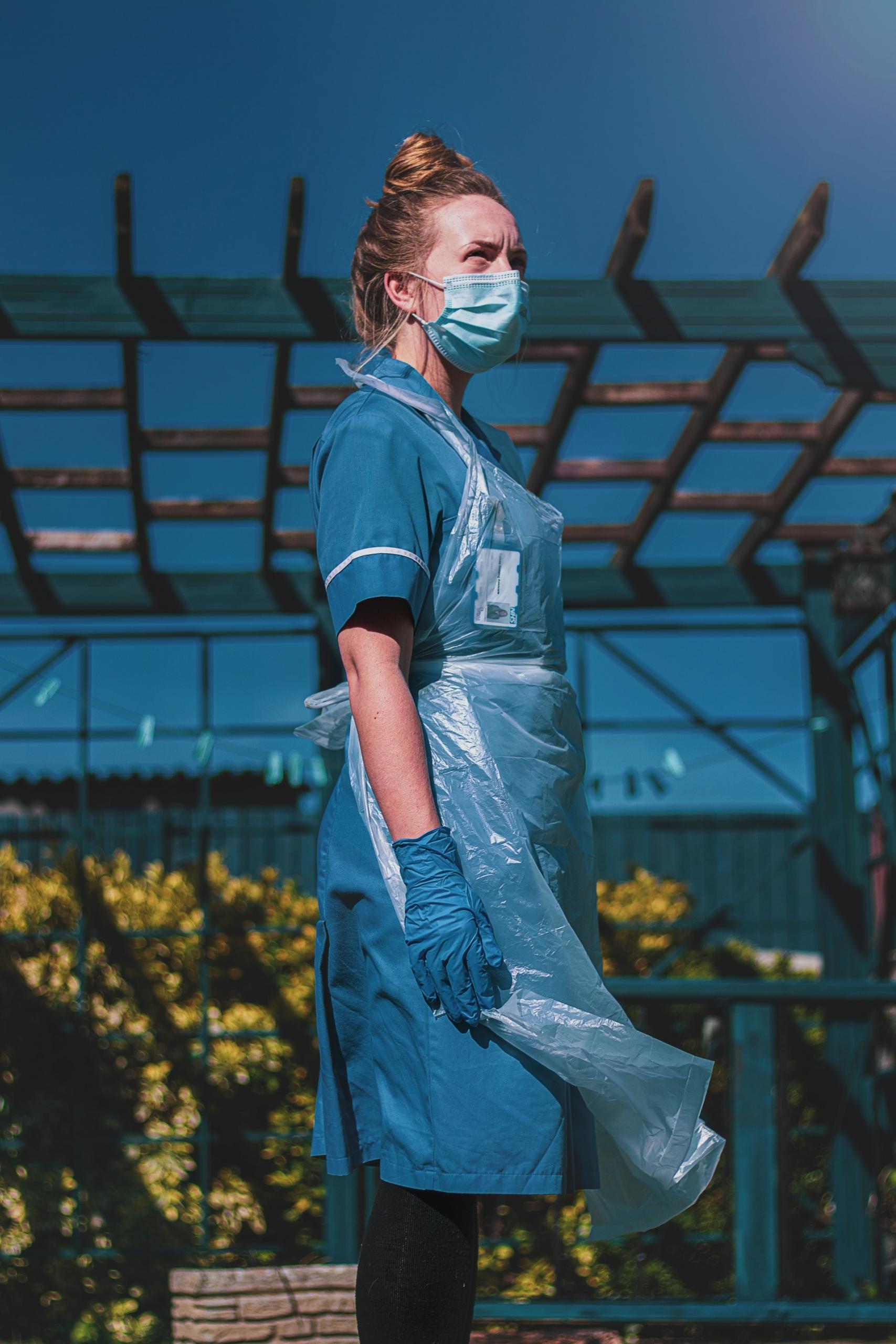
Where can I take sustainable healthcare leadership courses?
One of the best things that any given employee of a medical practise, be it through the NHS or otherwise, can do to improve their environmental impact and the environmental impact of the practise they work in, is to take a sustainable healthcare leadership course.
There are many possible places you can take such a course, although the centre for sustainable healthcare is one of the leaders in the field, as discussed before.
The benefits of a course like this are twofold, in that they both raise your own personal awareness of problems within the industry that you can identify and think about methods to remedy, and also allow you to be a good leader for your like-minded coworkers who may also want to make a difference on the environmental side of things.
How does the NHS sustainability model work?
The NHS sustainability model is a system by which the NHS can assess what systematic changes are worth implementing into their system. It is built in essence on the evaluation of the presentation of an initial idea based upon how viable that idea is for future developments.
Ideas and proposals are scored based upon how well they fulfil certain categories from A to D.
The categories being things such as how well the proposal would help the smooth running of the NHS and make jobs easier, or how well the proposed idea would be able to do adapt to a sudden change in the medical landscape.
This allows for ideas to be implemented based upon how best they are equipped to be long term solutions to problems with wide-reaching benefits, rather than resource sinkholes that end up creating more waste and trouble than they are worth.
Is the government doing anything about healthcare sustainability?
Improvements to sustainability has been for a long time a popular buzzword among politicians on both economic sides for the improvement of many industries the government plays a role in.
Perhaps healthcare, most especially with the high profile nature of the national health service on the world stage.
However, for the most part, the NHS environmental sustainability programme, and its many sister programmes across the many private healthcare companies across the UK, have been motivated by other sources.
While sustainable development UK wide has been a clear message given out by the government, much of the sustainability improvements implemented thus far across the national health service and other healthcare fields is as a result of internal action and responsibility, rather than government proceedings.
Are nurse leadership courses worth doing?

In a word, yes. Nursing is a career that will inevitably require some leadership to it, and this is a skill that, like any other, can be taught and trained.
A program for leadership development, especially one dedicated to the nursing field, is the kind of thing that can make you not only a better nurse medically in terms of your practise, but also a more effective member of a team, and more able to take charge of that team when the situation calls for it.
Leadership is the type of skill that has near infinite value, being of the type where you cannot ever properly measure the skills you would get from such a course by conventional metrics.
In addition to this, a leadership course will likely make you and your practise better able to implement sustainability. It requires a unified mindset an ethos that can only be achieved through a team that all operate smoothly together and understand why things are being done, an important part of leadership.
Simply being told by a corporate entity that you need to make changes for the environment will not be nearly as effective as explaining why the changes need to be made, and how making them is beneficial to everyone.
Is sustainability in the NHS actually important?
Arguably, sustainability in the NHS is important to the point of being behind only saving lives. As with all huge corporations, they have been squeezed beyond their limits in the name of profits and cost-cutting in one form or another, and we stand now on the precipice.
Where many companies have elected to follow the route of continuing to squeeze for those profits while making empty promises, the health industry is already at it’s breaking point where it must focus on sustainability now more than ever on the implementation of systems to minimise its environmental impact.
Sadly, this often runs contrary to money saving and profit making techniques, which means that at some level there must be concessions made on the financial side to actually implement said systems.
Is there actually anything we can do?
Ultimately, the most significant thing any one single person can do is make their voice heard, in the hope that others will do the same.
Despite what has been pushed by many major oil companies as individuals being most responsible for the climate disaster, the majority of impact still comes from major corporations. This means that until those corporations make major culture shifts, not much is likely to change.
This is equally true in the health sector as it is anywhere else, and the NHS is not exempt. The most important thing any one person can do is continue to remind companies that they are not above all of these problems, and should be the ones doing the bulk of the lifting to resolve them.

All things being said and considered, the direction healthcare and sustainability have taken together seems to be an overall optimistic one, with the growing focus on not just saving lives, but saving lives and the planet at the same time.
Thanks to more extensive training, better management, and more due care being taken in the actual execution of many of these systems, the NHS, along with the many private companies that flank it, are taking the effect of the juggernaut medical industry here in the UK in exactly the direction it needs to go to make sure the environment is adequately taken care of, such that the lives they save actually have somewhere to go back to when they get discharged from hospital.
For other articles like this one, check our Superprof blog. Until then, we wish you a nice day.
Summarise with AI:
Did you like this article? Leave a rating!

 Loading...