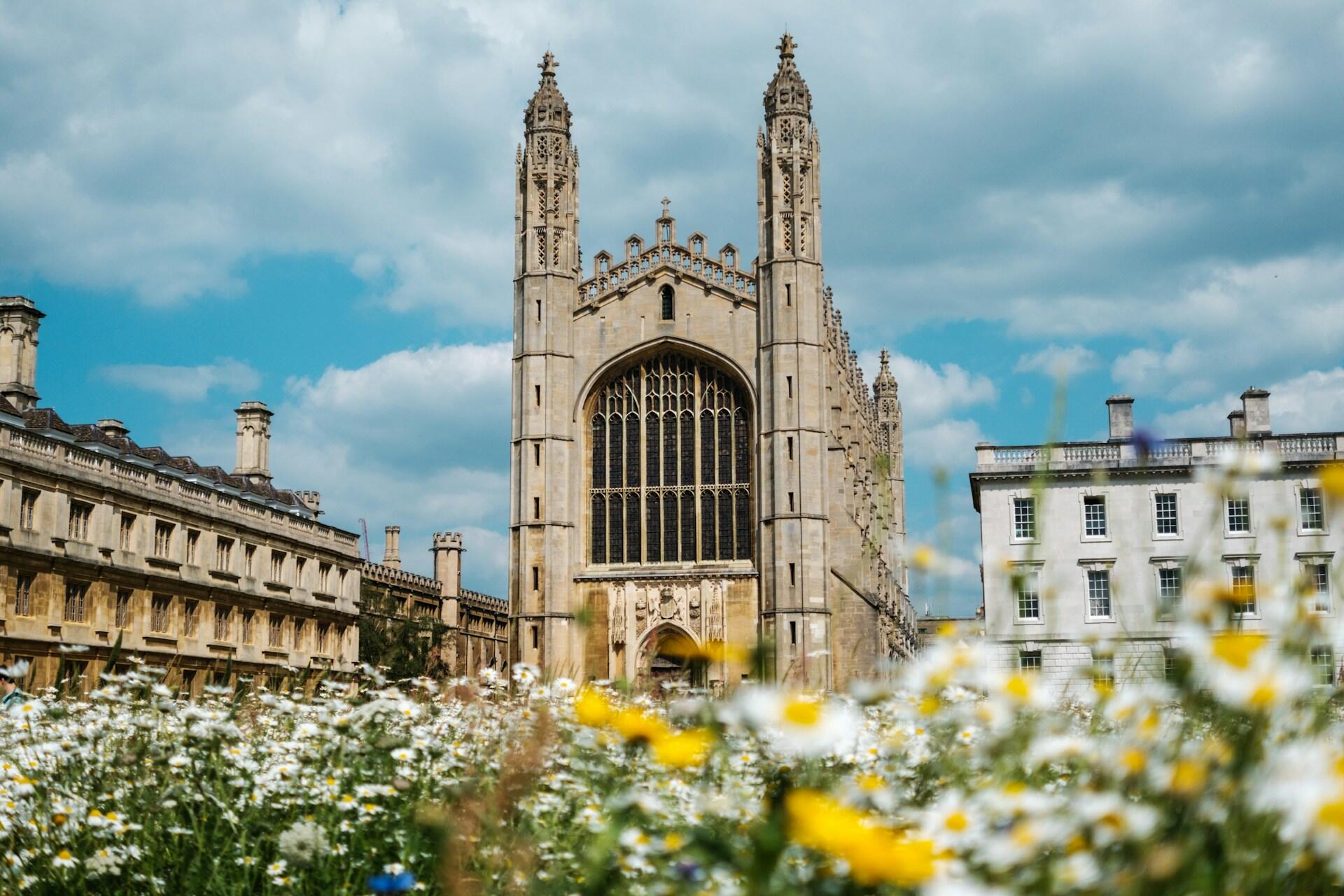

Where better to earn one's BA English Literature than Cambridge or Oxford, two of the world's oldest, most venerable schools? Both these universities make entry competitive to ensure that only the most qualified learners have access to those hallowed halls. To throw your hat in that ring, you must know what both schools offer their students. It also helps to know about learning opportunities that lie beyond those gates and the entry criteria needed to pass through them.
Oxford and Cambridge BA English Literature
- Oxford admissions criteria: AAA, with English Literature or English Language and Literature
- Cambridge admissions criteria: A*AA; prerequisites vary by college
- Both unis: 3-year, full-time programme
- Both unis offer a range of optional courses, electives, workshops and enrichment activities.


Oxford English Language and Literature
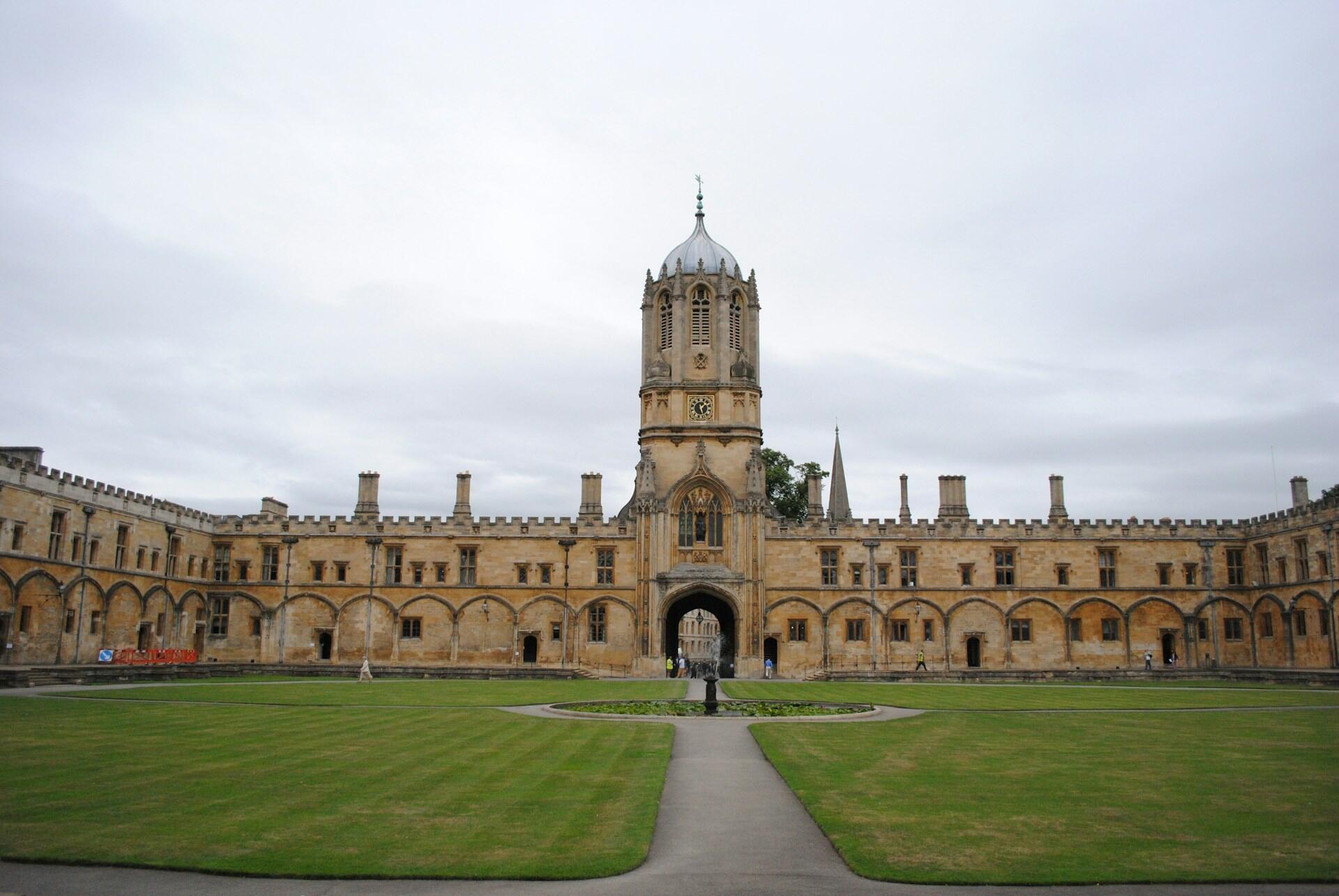
Evidence exists that the University of Oxford has been educating learners since 1096, making it the oldest university in the English-speaking world. Of course, Oxford didn't exist in its present form for its entire history.
Over the centuries, it grew from a small college with a few buildings and a couple of hundred students to the massive academic complex it is today.
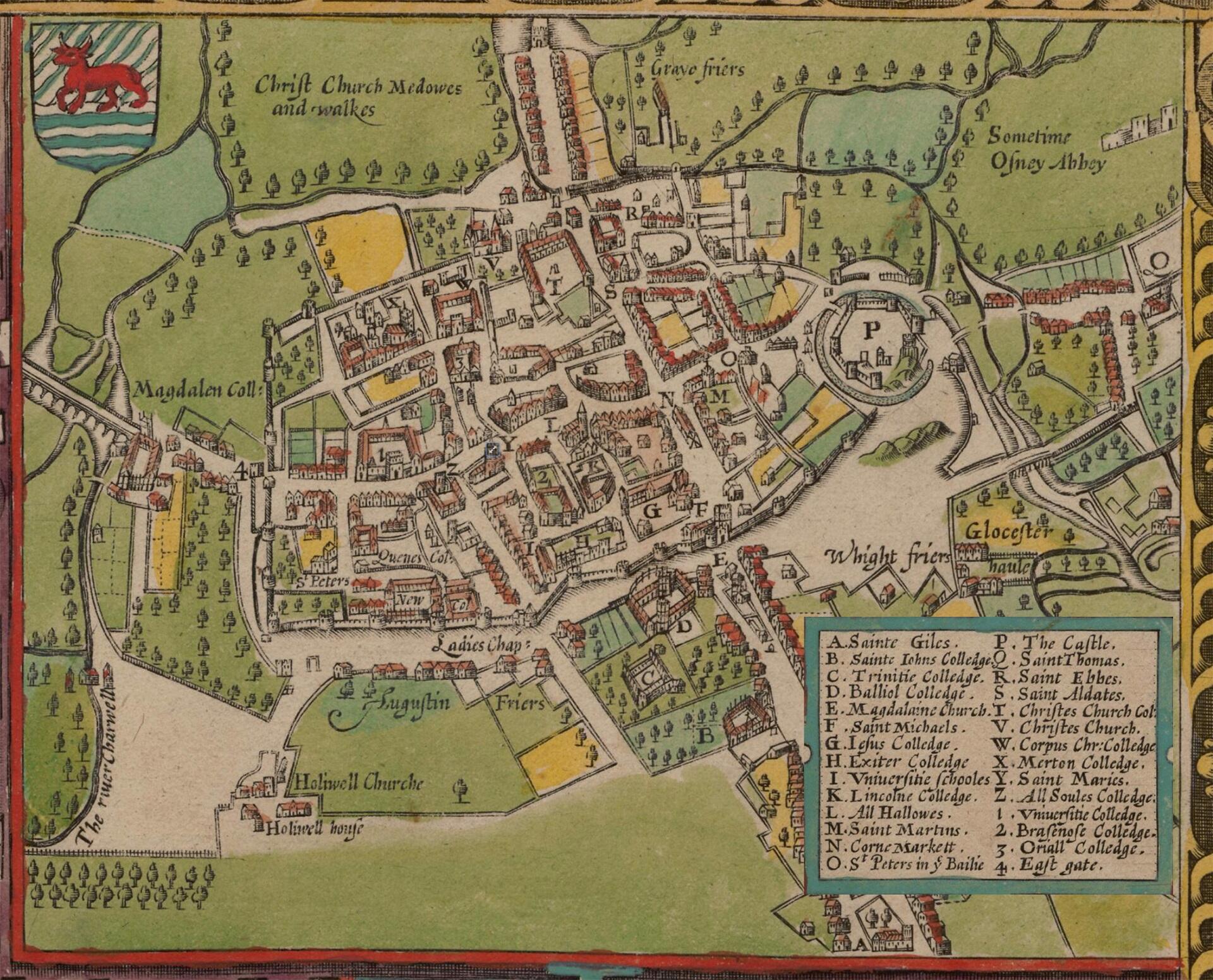
At the start of the 17th century, Oxford was a walled city with a collection of colleges outside the city wall. The map's legend details the location of its 28 colleges, as they were at that time. And so, they remain today. Additions since that time lie around those initial 28 schools.
The University of Oxford is a collection of colleges. Each is complete with learning rooms, libraries, sports complexes and student housing and facilities.
Understanding how Oxford works helps you to know that each college offers English language and literature programmes. It's not a college for English, another for Maths, yet another for science and so on. Most other schools aren't organised in that fashion. For instance, applying to Manchester University's English Literature programme involves applying to the English department, not a college.
Each college is self-contained, complete with amenities like libraries and dorms.
Student cohorts stay together throughout their university careers.
With that said, some colleges have a better standing than others, as ranked by student surveys. However, students don't always get to choose which college they enrol in. At Oxford, in particular, students apply for enrolment in the university, not to a college.
Currently, Oxford is ranked the #1 school in the UK for literature studies.
Oxford University English Literature Learning Structure
As with top Scottish universities for English studies, classes and tutorial procedures at Oxford vary by college. In general terms, students should expect:
- one or two classes per week, in groups of eight to ten students (no more than 15 learners).
- one to two tutorial sessions per week to discuss your work
- expected output per student: 10-12 papers per term
Each week, each student will have one or two tutorials, either two-to-one or in a small group.
Oxford English Language and Literature Curriculum
This three-year learning programme exposes students to English literature in quasi-chronological order.
Year 1 Course
- Introduction to Early Medieval works ( years 650 - 1350)
- post-Renaissance era (1830 - 1910; 1910 to present day)
- assessment: three written papers, two essays
Year 2
- Course I: literature from 1350 - 1830
- Course II: literary eras from 650 - 1800
Year 3
- Course I: Shakespeare
- Course II: Shakespeare OR the material text
- Both courses: an options paper and dissertation
Pathway to the Oxford English Degree
Hard is a subjective quality; we're better off discussing Oxford entry competitiveness.
This programme is very competitive; only one in four applicants makes the cut.
Study English Literature at Cambridge
Oxford's collegiate system provides the blueprint for Cambridge's college structure. This university is about 100 years younger than its rival school. Students fleeing Oxford's battles with local citizens founded Cambridge; they were the vehicle that imported the college system.
In part, the schools' rivalry helped fuel their growth. It also didn't hurt that, for centuries, they were the only schools around. In fact, they did their best to block other schools from obtaining their royal charters.
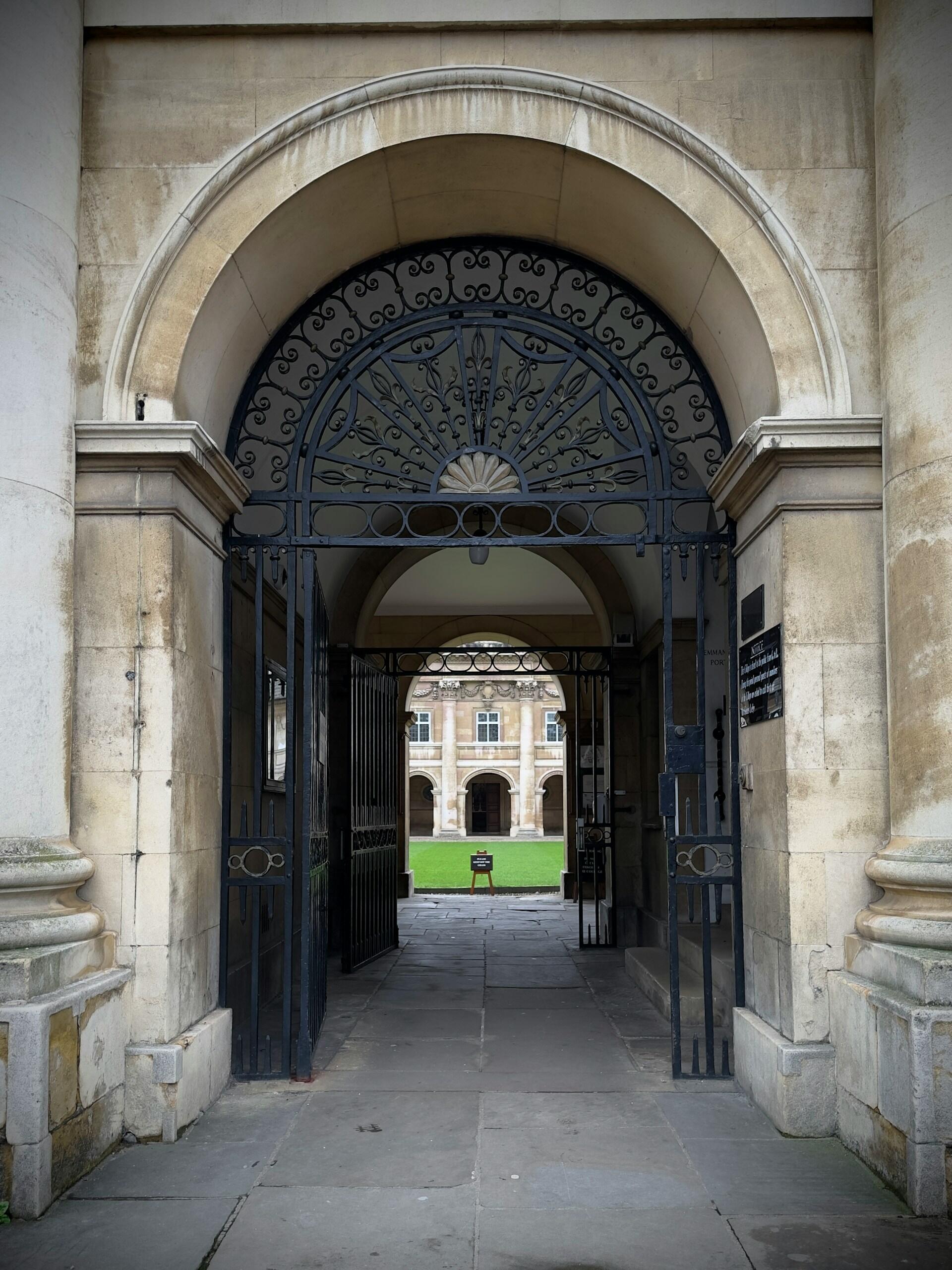
The University of Durham is a case in point. It couldn't confer English literature degrees until gaining its charter, which Oxbridge opposed.
All that bad blood is (more or less) behind them. Today, Oxford, Cambridge and other schools thrive on their own merits. Any rivalry is the friendly sort that typically manifests during sporting events.
This annual event pits Oxford and Cambridge rowing teams in a race on the Thames. The competition began in 1829, making it the world's second-oldest inter-university sporting event.
Students of English Literature Cambridge may join the boat club regardless of which college they attend. Still, before committing yourself to extra activities, you should know what your English course entails.
Cambridge English Course Structure
As with Oxford, so with Cambridge: course structures vary by college. Typically a freshman student can expect:
- lectures, seminars and small-group tutorial sessions
- 6 hours of formal instruction per week
- 2-3 hours of tutorials or group work per week
- 2 writing assignments per week
During your informal sessions, your group supervisor will review and critique your writing, offer suggestions and answer any questions you might have.
Cambridge English Literature students sit regular exams; no resits allowed.
On occasion, students may substitute written coursework for an exam result.
The year's best work is eligible for a prize.
English Literature Cambridge Curriculum
The Cambridge English Literature curriculum is two-part. During Year 1, students engage with Part IA; Year 2 sees them addressing Part IB. Year 3 is fully taken up with Part 2. This breakdown fleshes out each year's details:
Year 1
- Shakespeare
- Practical Criticism and Critical Practice
Year 2
- English Literature 1300 to 1550
- Your choice of three additional subjects
Year 3
- Practical Criticism and Critical Practice II
- Tragedy, from Ancient Greece to contemporary
- write two dissertations (6 000 to 7 500 words each)
During Years 2 and 3, students choose the literature subjects that interest them the most. The uni provides a list of papers to choose from.
Year 2 options
- Contexts and early Medieval literature (1066 - 1350)
- Literature from 1500 to 1700
- Literature from 1660 to 1870
- Literature from 1830 to 1945
- literature 1870 to present
Year 3 options
- Chaucer
- Prose Forms 1936 to 1956
- Early Modern Drama 1588 to 1642
- Postcolonial and Related Literatures
- History and Theory of Literary Criticism
- Love, Gender, Sexuality 1740 to 1824
Note that this is just a sampling of optional courses you may choose. Cambridge regularly revises its optional paper selection; be sure to check the school's English BA website for the latest options.
Pathway to Your Cambridge English Course
Besides these general and college-specific requirements, you must submit two pieces of written work. The type of work and its conditions are also set by the colleges. Be sure to check your college's webpage for its specifications.
Oxbridge English Language and Literature Comparison
Now that we recognise these schools as the best for BA English Literature studies in the UK, we see the first notable difference between the rivals lies in the number of colleges:
Number of colleges aside, in most respects, the collegiate system works the same at both schools. Each college is a campus unto itself, complete with student halls, accommodations, libraries and sports facilities. However, they differ in one major respect.
To apply for English Literature Cambridge, you must select a college.
Choosing a college to apply to can be stressful, as you don't know which ones will offer you the best university experience. Furthermore, those marked as best by student surveys may be the hardest to get into. The best way to determine which college is right for you is to tour the campus during Open Days.
Oxbridge BA English Literature at a Glance
Oxford
- 73 Nobel Prize laureates
- 160 Olympic medal athletes
- #1 in the UK for English Literature (QS Guide)
- 43 colleges
- three-year programme
- enrolment criteria is the same across colleges
- Apply to and enrol in the university
Cambridge
- 124 Nobel Prize alumni
- 194 Olympic medal athletes
- #2 in the UK for English Literature (QS Guide)
- 31 colleges
- three-year programme
- enrolment criteria varies across colleges
- Apply to and enrol in a specific college
With the Oxbridge picture now complete, you're ready to decide which university to apply to. Still not sure whether a BA English Literature from Oxbridge is for you? Check out London-area schools' English programmes.
Summarise with AI:
Did you like this article? Leave a rating!

 Loading...