
Did you know that Piano Day is celebrated on the 88th day of each year? It falls on 29 March in normal years and 28 March in leap years, marking the 88 keys of this versatile musical instrument. Those inspired to explore the instrument further can begin with piano lessons Northampton, where they can develop a strong foundation in piano playing.
Without the piano, we would have missed out on many amazing pianists who can not only play and compose, but also on some of the best piano pieces ever.
In this article, we'll discover (or rediscover) some of the most famous piano pieces ever written and their lasting impact to this day.
| Piece | Composer | Era | Difficulty |
|---|---|---|---|
| Prelude in C Major, BWV 846 | Johann Sebastian Bach | Baroque | Beginner–Intermediate |
| Piano Sonata No. 16 in C Major, K. 545 | Wolfgang Amadeus Mozart | Classical | Intermediate |
| "Moonlight" Sonata, Op. 27 No. 2 | Ludwig van Beethoven | Classical/Romantic | Intermediate–Advanced |
| Nocturne in E-flat Major, Op. 9 No. 2 | Frédéric Chopin | Romantic | Intermediate |
| Liebestraum No. 3 | Franz Liszt | Romantic | Advanced |
| Träumerei | Robert Schumann | Romantic | Intermediate |
| Clair de Lune | Claude Debussy | Impressionist | Intermediate–Advanced |
| Pavane pour une infante défunte | Maurice Ravel | Impressionist | Inetrmediate-Advanced |
| Gymnopédie No. 1 | Erik Satie | Modern | Beginner |
| Nuvole Bianche | Ludovico Einaudi | Contemporary | Intermediate |


🎹 Famous Piano Pieces By Era
When we talk about Western classical music, it is often through the lens of four key periods:
- Baroque
- Classical
- Romantic
- 20th century and beyond 1
🎻Baroque and Classical Period (1600-1820)
Let's briefly review the key characteristics of the Baroque and Classical periods before going into the piano pieces. Students who want to understand these musical periods through performance may benefit from piano lessons Norwich.
Baroque
- Harpsichord as the main instrument
- Polyphony (multiple melodies)
- Emphasis on instrumental and vocal forms, commonly seen in concertos
- Example of composers: Johann Sebastian Bach, George Frideric Handel
Classical
- The piano became the main instrument
- Homophonic (melody + accompaniment)
- Emphasis on structured and regular rhythms, commonly seen in sonatas
- Example of composers: Wolfgang Amadeus Mozart, Ludwig van Beethoven (early works)
1) Bach's Prelude in C Major, BWV 846
Anyone who plays this piece is taken on a journey of successive harmonic progressions within C major, briefly touching related harmonies, including moments that suggest G major and even C minor, with a few crescendos and diminuendos, along with a sustaining effect through pedalling. 2
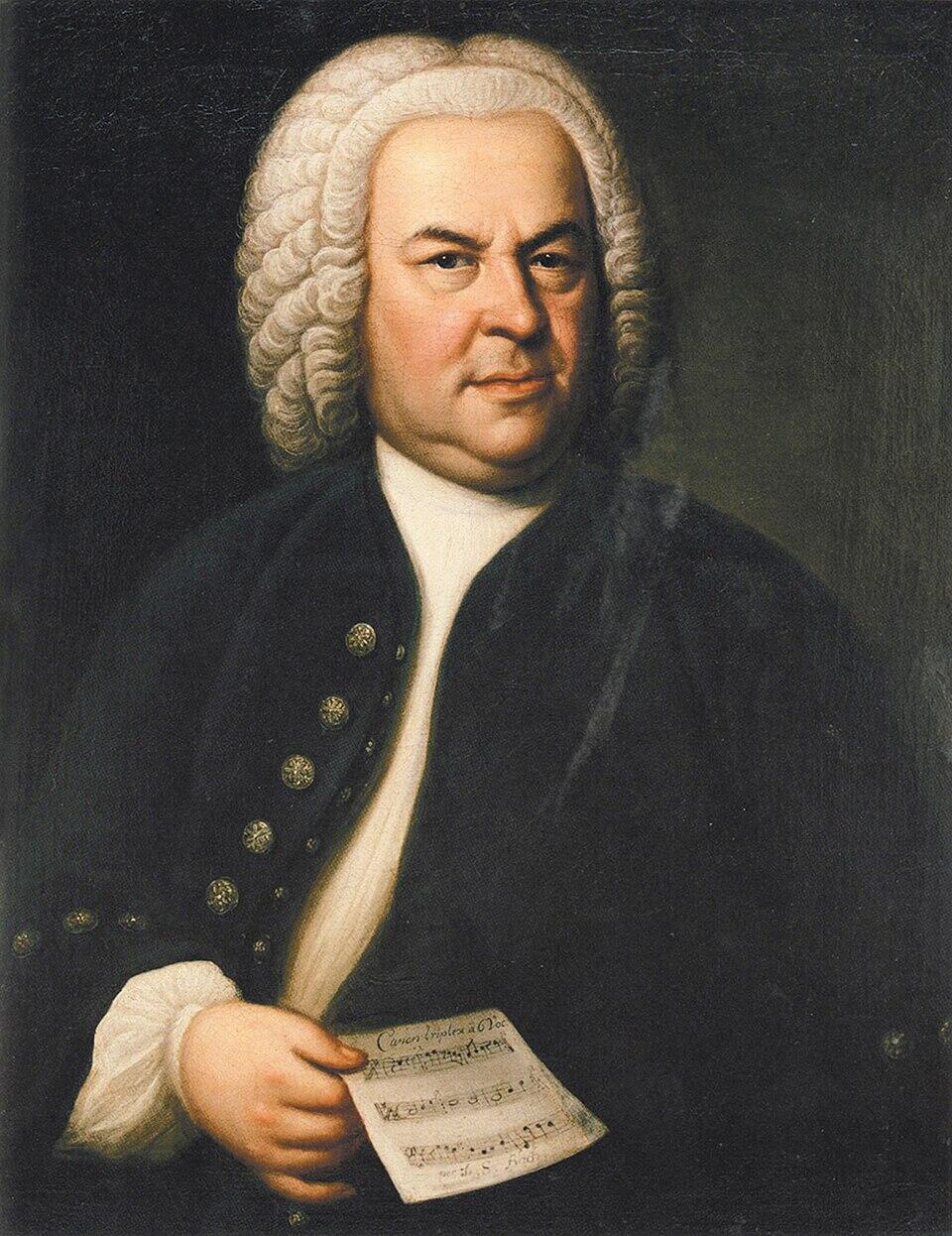
➤ German Baroque composer
(1685–1750) who is influential in composing instrumental and church music
➤ This piece is derived from The Well-Tempered Clavier, Book I, and is built on broken chords (arpeggios).
To develop the control needed for expressive interpretations of this piece, consider exploring piano lessons oxford.
2) Mozart – Piano Sonata No. 16 in C Major, K. 545
This piece by Wolfgang Amadeus Mozart is commonly known as Sonata Facile and is targeted for beginners. It has a clear, predictable melody in the right hand, with a simple accompaniment in the left hand.
Even though it is in C major, it briefly touches minor tonalities and can be played with different expressive interpretations.
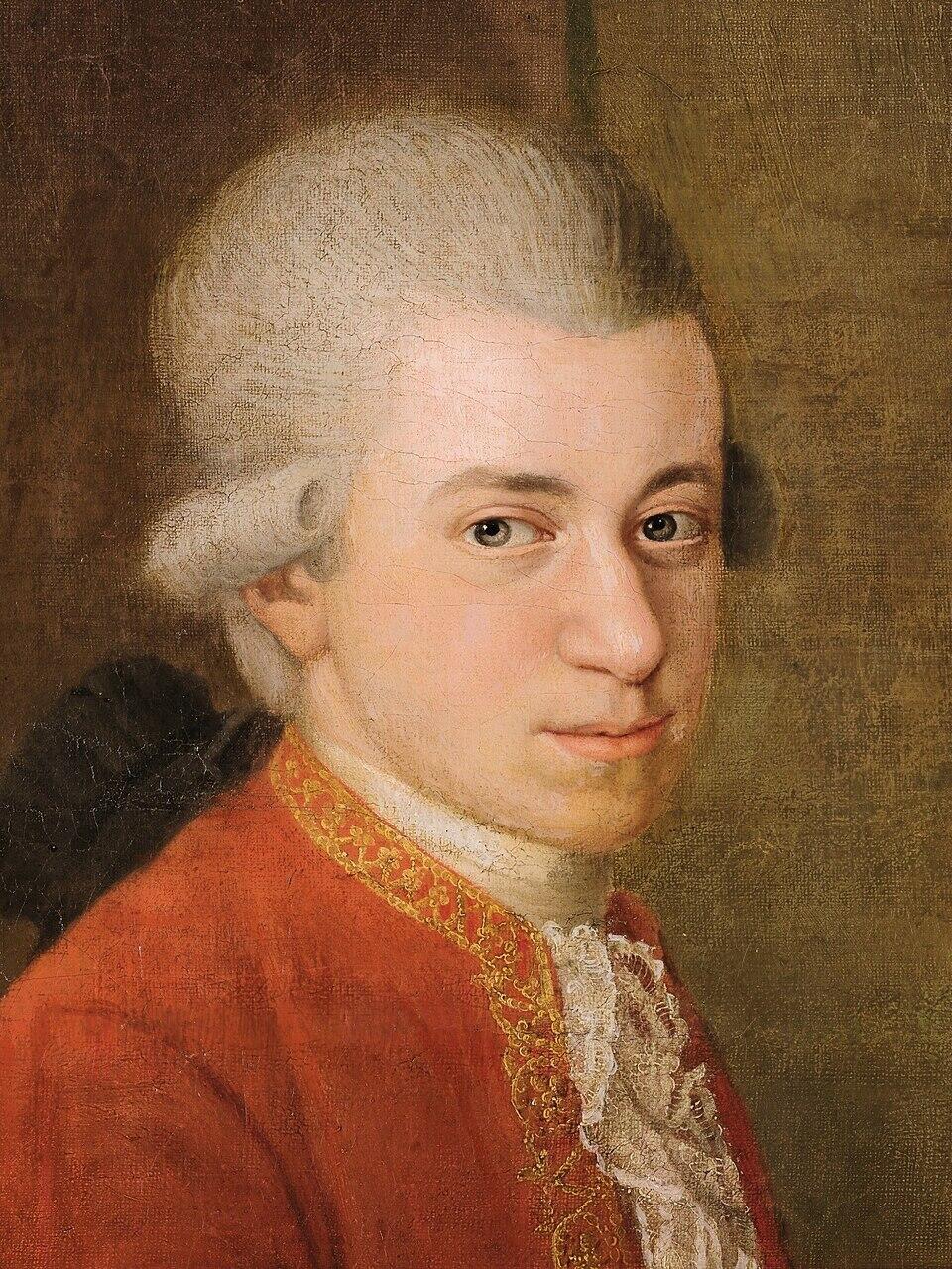
➤ Austrian Classical composer (1756–1791 who settled in Vienna and composed symphonies, operas, concertos, and piano sonatas
➤ This piece is one of the most taught Classical period pieces, and has 3 movements: Allegro, Andante, and Rondo.
3) Beethoven – "Moonlight" Sonata, Op. 27 No. 2
This masterpiece by Ludwig van Beethoven is best known for its floating, dreamy melody above its accompaniment, with the use of a sustained pedal.
The first movement starts soft and melancholic, but gradually builds up the mood towards the second movement (like a lively bridge) and final movement (like a dramatic and tension-building resolution).
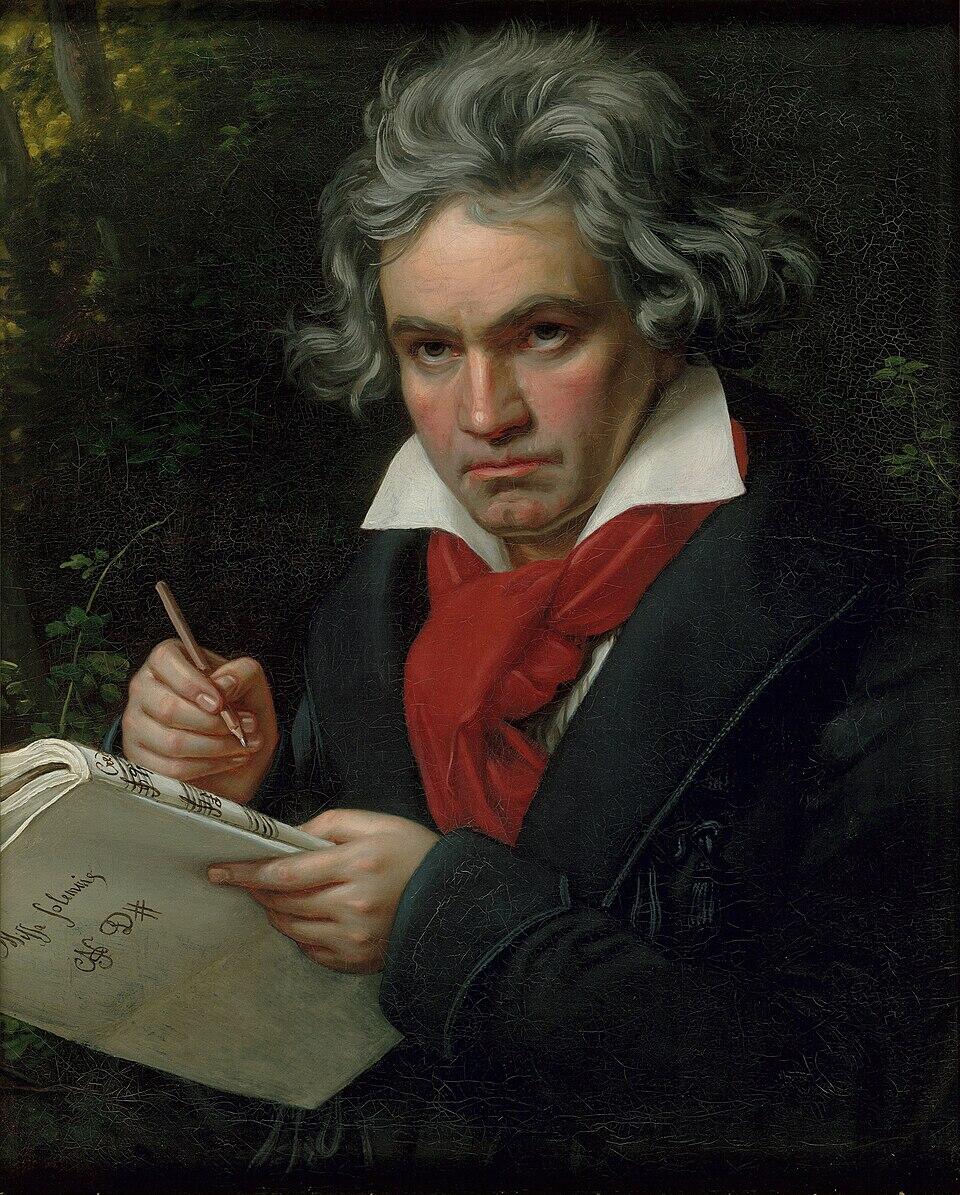
➤ German composer and pianist (1770–1827) who bridged between the Classical and Romantic periods.
➤ This piece was originally known as Piano Sonata No. 14 and was dedicated to his pupil,
Countess Giulietta Guicciardi
💖Romantic Period (1820-1900)
Next, let's review the key characteristics of piano pieces during the Romantic period: A piano teacher London can help learners develop the technique and sensitivity required to perform solo piano nocturnes.
- Strong focus on emotional expression and imagination
- Broader range with richer harmonies
- Key composers include Frédéric Chopin, Franz Liszt, and Robert Schumann
4) Chopin – Nocturne in E-flat Major, Op. 9 No. 2
Perhaps the most well-known and well-loved Nocturne (song of the night) of all time, this piece by Frédéric Chopin perfectly balances a soft, flowing accompaniment with a lyrical melody. The beginning of the piece feels like walking in a park and evokes a romantic scene, as if waking from a beautiful reverie.
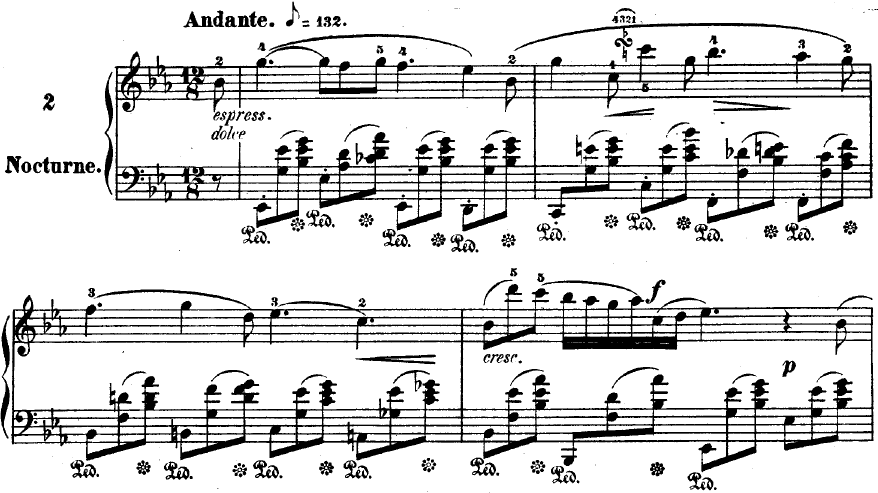
➤ Polish Romantic composer and pianist (1810–1849)
➤ This piece belongs to a set of three nocturnes for solo piano written between 1831 and 1832
5) Liszt – Liebestraum No. 3
Like Chopin's Nocturne, Liebestraum No. 3 by Franz Liszt is also a set of three solo piano nocturnes.
Frequently performed in competition and concerts, it has a wide dynamic range and is originally based on the poem "O lieb, so lang du lieben kannst" (O love, as long as you can love) by Ferdinand Freiligrath.
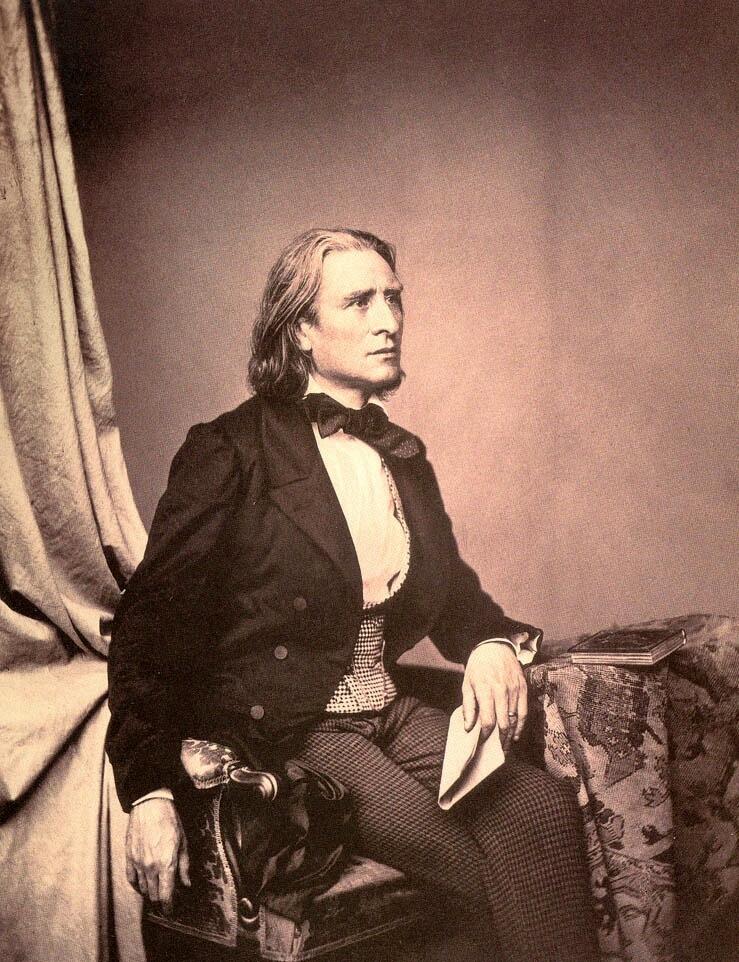
➤ Hungarian Romantic composer and virtuoso pianist (1811–1886) who travelled widely and had quite a stage presence 3
➤ This piece requires smooth transitioning from lyrical and dramatic sections and careful pedalling for a rich sound
Learners wishing to explore these twentieth-century works at the piano can also consider piano lessons Southampton.
6) Schumann – Träumerei
Of course, we cannot miss out on this representative piece of the Romantic period. Robert Schumann's Träumerei, which means Dreaming, is often played in a soft and delicate tone without rushing to capture a gentle and nostalgic mood.
➤ German Romantic composer and music critic (1810–1856)
➤ This piece is included in Kinderszenen (which means Scenes from Childhood), a set of thirteen piano pieces
Fun Fact: Robert Schumann is the husband of Clara Schumann, who was one of the most famous female pianists of all time.
🌫️Impressionist & Modern Era (1900-Present)
Finally, let's review the key characteristics of piano pieces during the 20th century:
- More emphasis on atmosphere and nature, mirroring the Impressionist art movement
- A move away from the traditional structure in composing
- Key composers include Claude Debussy, Maurice Ravel, and Erik Satie
7) Debussy – Clair de Lune
This piece by Claude Debussy creates vivid imagery that reminds you of moonlight and serenity. One of the most famous piano pieces of all time, it was inspired by the French poem, Clair de Lune (which means moonlight), written by French poet Paul Verlaine.
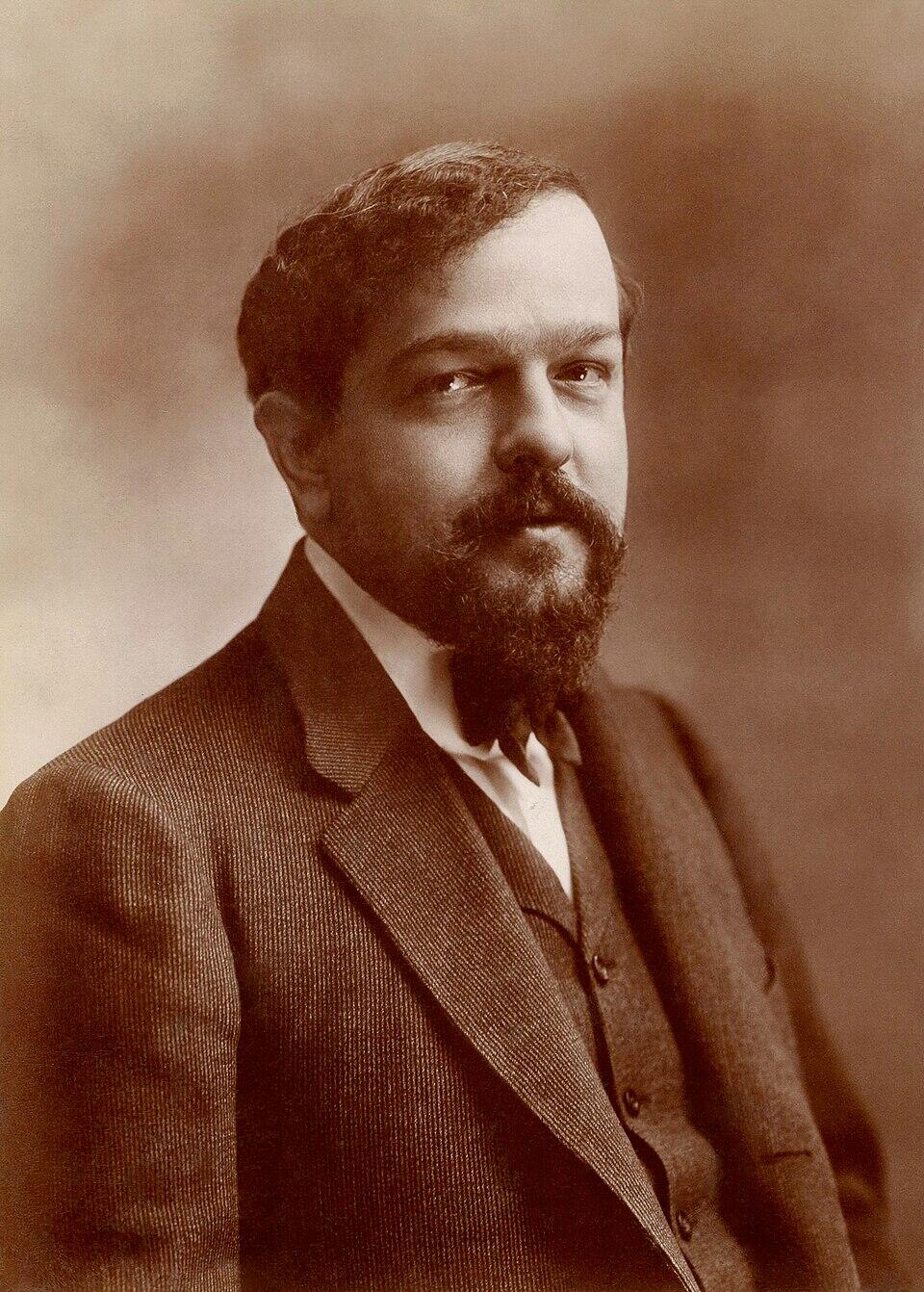
➤ French Impressionist composer (1862–1918) who is a pivotal figure who preferred to create a subtle mood and colour and take inspiration from nature — breaking free from traditional structures
➤ This piece is taken from the Suite Bergamasque, which consists of four movements
8) Ravel – Pavane Pour Une Infante Défunte (Pavane for a Dead Princess)
Composed in 1899, this piece by Maurice Ravel is inspired by a slow Renaissance court dance (pavane). It is intended to be played softly, with a smooth and slow rhythm alongside light, transparent pedaling.
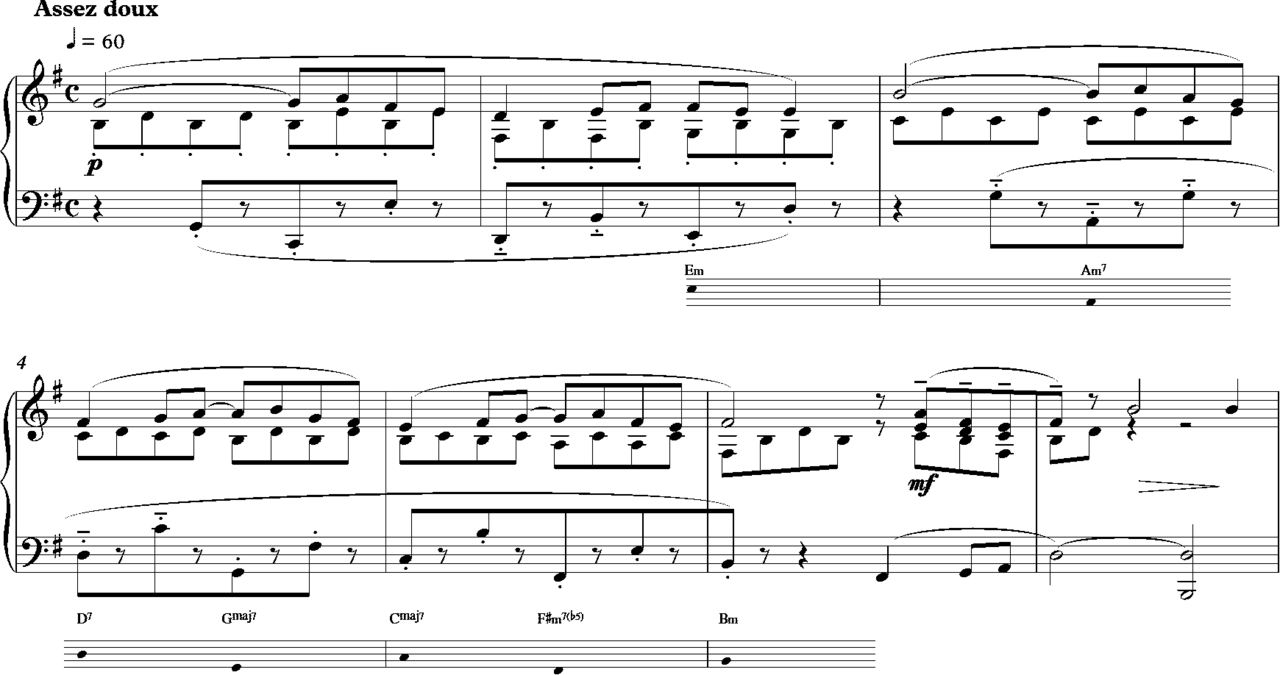
➤ French composer (1875–1937) of Swiss–Basque descent
➤ Ravel dedicated this piece to the Princess de Polignac, who was his patron at that time.
9) Satie – Gymnopédie No. 1
This piece by Erik Satie is the epitome of elegant minimalism. Short and sweet, it consists of simple repetitive patterns and exudes a relaxing, calming vibe.
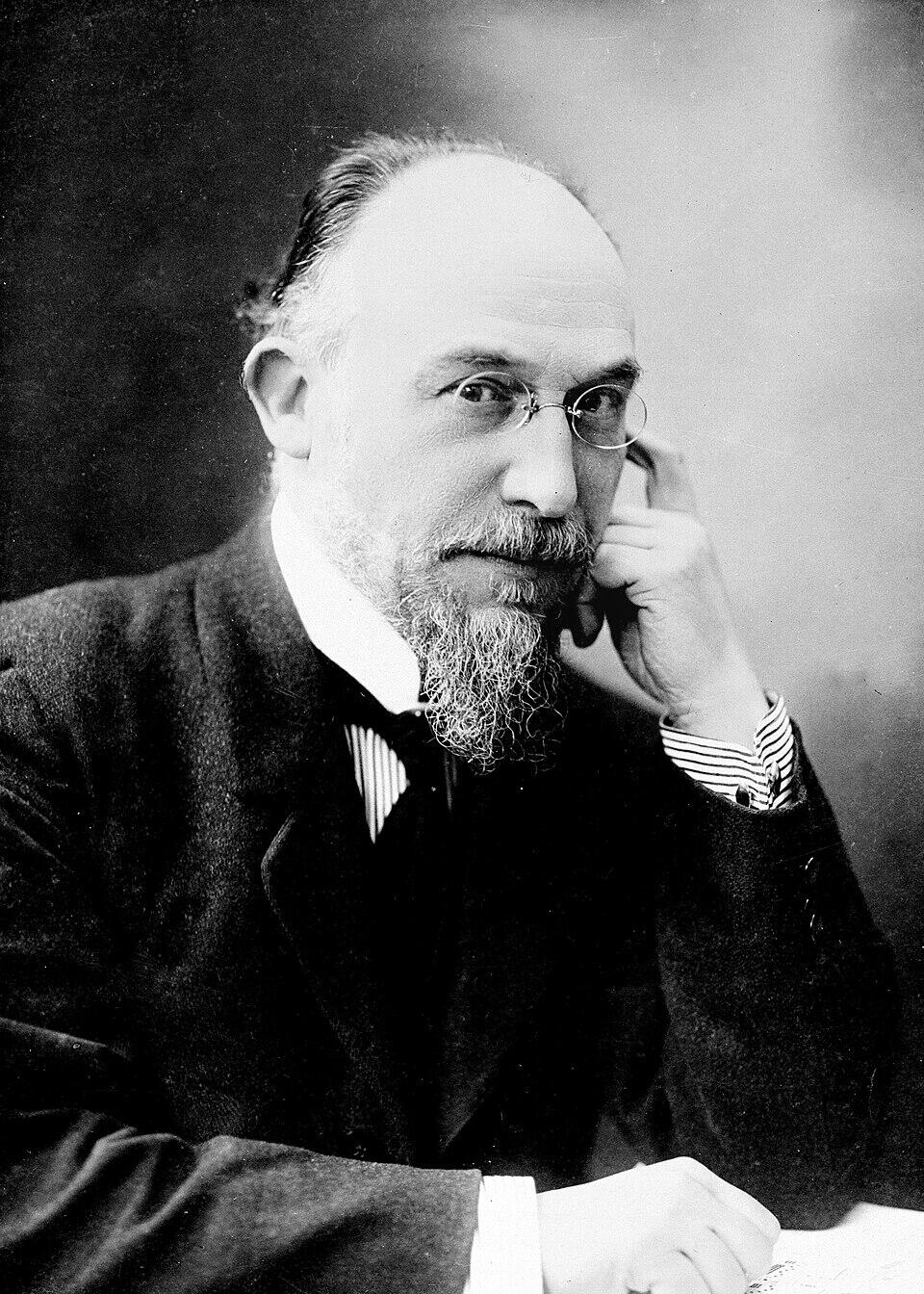
➤ French Modern composer (1866–1925) who was known for making minimalism a key feature of his composing style.
➤ This piece, Gymnopédie No. 1, was composed in 1888 as part of a set of three pieces and is often used as a soundtrack in many films and TV series.
10) Einaudi- Nuvole Bianche
This piece by Ludovico Einaudi is certainly the most contemporary piano piece in the list so far. The piano piece, which means White Clouds, includes elements of repetitive chord patterns and simple storytelling.

➤ Italian contemporary composer and pianist (b. 1955)
➤ This piano piece combines elements of gradual dynamic build with the right balance of emotional expression — recreating a film‑score‑like atmosphere.
🎵 A Closer Look at the Most Iconic Piano Pieces
Now, let's delve deeper into these three iconic pieces in terms of how it's built, what it feels like, and why it still matters today. Those interested in mastering the distinctive rhythms of piano ragtime may find piano lessons Nottingham particularly useful.
✨ Beethoven's Moonlight Sonata
Musical Features
- Appergios on the left hand
- Slow opening with a haunting right-hand melody
Listening Experience
- An emotional monologue that feels heavy and a bit sorrowful
Cultural Importance
- One of the most recognisable piano openings
- Used in many films for emotional scenes
✨ Chopin's Nocturne in E-flat Major, Op. 9 No. 2
Musical Features
- Soft harmonic accompaniment (left hand)
- A beautiful ornamented melody (right hand)
Listening Experience
- A piano piece that is gradually expressive and delicately romantic, like a love song
Cultural Importance
- One of Chopin's representative works, especially his lyrical style
- Popular in recitals and weddings
✨ Debussy's Clair de Lune
Musical Features
- Harmonies and melody have a fluid structure
- Relies on heavy pedals to create a blended sound effect
Listening Experience
- Dreamlike and floating experience, creating a calming feeling
Cultural Importance
- Key example of Impressionist music
- Appeared in movies like Ocean Eleven and Twilight
Meanwhile, explore these amazing British pianists and their contributions to classical music.
🔥Famous Piano Pieces You've Heard but Might not Know by Name
Many classical piano pieces have made their way into films, advertisements, and popular culture due to their memorable melodies and expressive variety. Here are some notable examples that you've possibly heard many times.
🎉 Scott Joplin - The Entertainer
Every jazz fan would certainly recognize it the moment it is played. Written by American composer and pianist Scott Joplin in 1902 as a piano rag, this piece gained international prominence when it was adapted and orchestrated for the 1970 film, The Sting.
🐝 Nikolai Rimsky-Korsakov- Flight of the Bumblebee
Another catchy classical piano piece, Flight of the Bumblebee, was written by Russian composer Nikolai Rimsky-Korsakov in 1900.
Though this piece is short, it has a strong impact due to its rapid, continuous notes that mimic the buzzing of a bee. For the audience, it is thrilling to listen to, and for the pianist, it is equally exciting to perform as a test of speed, precision, and control.
💃 Johannes Brahms - Hungarian Dance No.5
Finally, we have a folk-inspired piano piece by German composer Johannes Brahms. It is famous for its lively, energetic, and dramatic melody and rhythm. The highlight of this piece is the shifts between slow, expressive sections and fast, fiery passages — making it instantly engaging and memorable.
Originally arranged for piano, it has also been adapted for orchestra and other instruments, as seen in many movies in the following example.
📊 Famous Piano Pieces by Difficulty Level
If you are interested in learning piano pieces, here are recommendations for different learning levels. You can either request your piano tutor to guide you or learn to play these pieces via various YouTube tutorials.
👉 Beginner-Friendly Pieces
If you are looking for some simple piano pieces to start, you can try out Erik Satie - Gymnopédie No. 1 and Beethoven – Für Elise (simplified).
👉 Intermediate Pieces
As you advance to the intermediate level, you can also start playing Debussy – Clair de Lune or Chopin – Waltz in C-sharp Minor.
👉 Advanced & Concert-Level Pieces
For those who are looking for a challenge, consider adding Rachmaninoff – Prelude in C-sharp Minor and Liszt – La Campanella to your playlist.
We hope you have enjoyed learning different famous piano pieces by these amazing composers and pianists.
The piano keys are black and white but they sound like a million colours in your mind.
Maria Cristina Mena, author
References
- Linton, S. (2022, January 6). What are the four main eras of classical music? Classic FM. https://www.classicfm.com/discover-music/four-eras-classical-music/
- Duchen, J. (2019, May 24). reDiscover Bach’s “Prelude In C Major.” UDiscover Music. https://www.udiscovermusic.com/classical-features/bach-prelude-c-major/
- McKenry, T. (2025). Lisztomania: why did women go gaga for 19th century pianist Franz Liszt? https://doi.org/10.64628/aa.xt56fqvcu
Summarise with AI:
Did you like this article? Leave a rating!

 Loading...