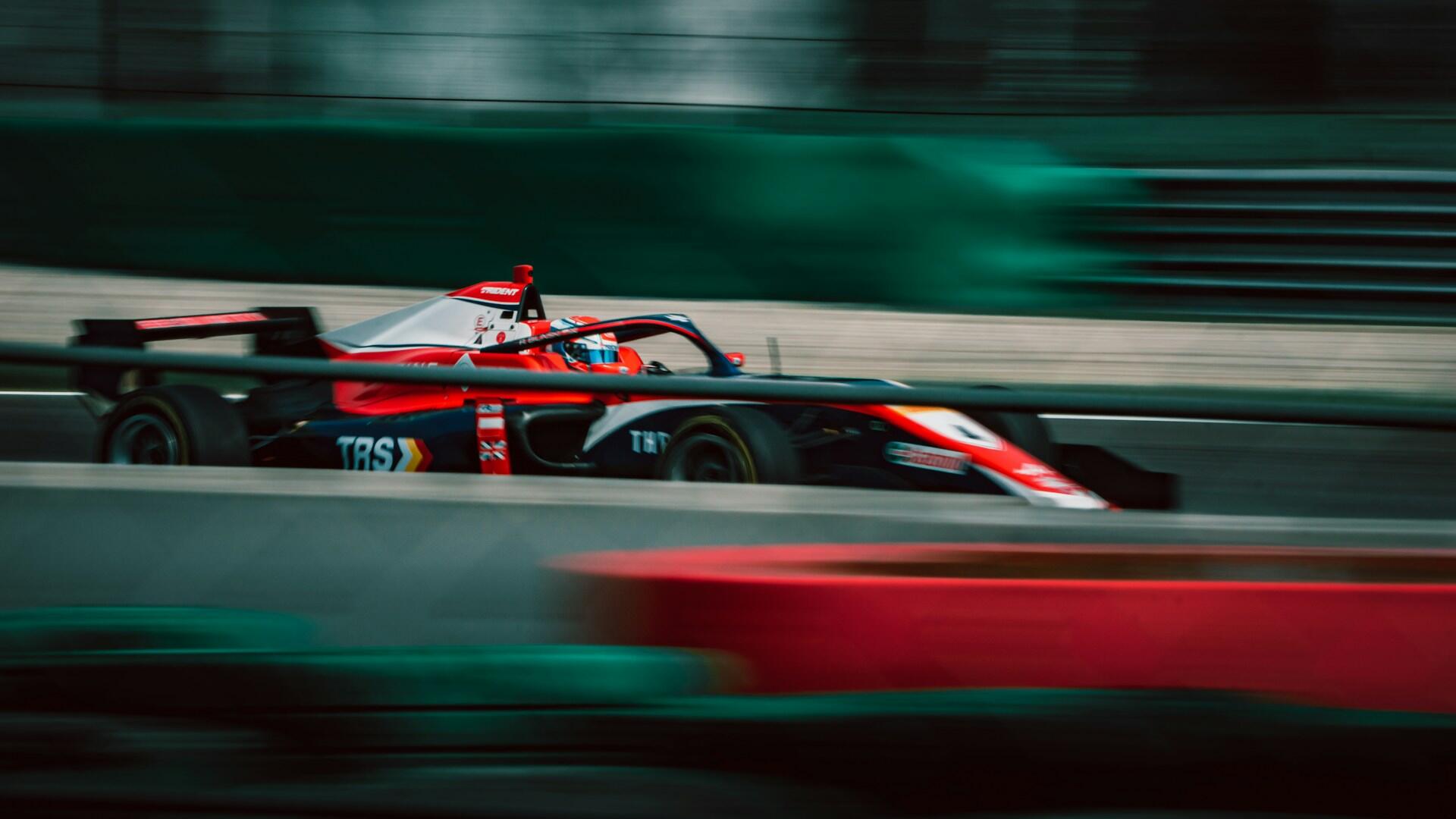

Few sports command a global following quite like Formula 1. From screaming V10 engines of decades past to today's hybrid power units, F1 has always been about speed, strategy, and larger-than-life rivalries.
Whether you've followed the sport since the days of Senna and Prost, or you're a newer fan who got hooked after binge-watching a certain Netflix documentary, this Formula 1 quiz is designed to challenge what you know. We've put together a mix of quiz questions covering legendary drivers, iconic circuits, record-breaking teams, and the sport's rich history. Ready to find out if you're a paddock regular or still learning the ropes?
Quiz
Quiz :


The Global Appeal of Formula 1 🌍
Formula 1 isn't just a European motorsport anymore — it's a genuine global spectacle. The calendar now spans five continents, taking in glamorous street circuits like Las Vegas and Singapore alongside classic tracks like Spa-Francorchamps and Suzuka. This international reach has helped the sport attract a huge new wave of fans in recent years, particularly in the United States following its Netflix documentary series.
Race weekends themselves have also evolved to keep fans engaged. Alongside the traditional Sunday Grand Prix, several rounds now feature a Sprint race on Saturday, a shorter, high-intensity event that hands out its own points and often shakes up the grid before the main race.
Behind the scenes, F1 has become as much a technological and commercial powerhouse as a sport. Teams operate on strict budget caps, employ hundreds of engineers, and pour resources into simulations, aerodynamics, and data analysis to find fractions of a second in lap time. It's this blend of raw speed and cutting-edge innovation that keeps fans hooked, whether they're watching from the grandstand or their sofa.
The Evolution of Formula 1 🏎️
What started as a scrappy, dangerous pursuit has grown into one of the most technologically advanced sports in the world. Cars have evolved from simple front-engined machines into carbon-fibre, hybrid-powered marvels, while tragic losses in the sport's early decades directly shaped the safety standards now mandatory on every grid. Behind every rule change lies the same driving force: making F1 faster, safer, and more competitive.
Formula 1 has changed dramatically since that first Silverstone race in 1950. Here's a quick look at how the sport has transformed over the decades:
1950
The First Championship
F1's inaugural World Championship race is held at Silverstone.
1960s-70s
Aerodynamic wings transform car design
Rear-engined cars and sponsorship liveries redefine performance and appearance.
1994
Senna's death sparks a safety revolution
His loss at Imola triggers decades of reform in crash protection and medical response.
2014
Hybrid power units enter the sport
Turbo-hybrid engines reshape both performance and race strategy.
2018
The halo device becomes mandatory
This protective structure shields drivers' heads from impacts and debris.
2022
New rules aim to close up the field
Updated aerodynamic regulations are designed to improve overtaking.
2030
F1 targets a net-zero carbon future.
The sport commits to sustainable fuels and greener technology.
Iconic Rivalries That Shaped the Sport ✨
Some of F1's most memorable moments have come from fierce rivalries between drivers. Senna and Prost's battles in the late 1980s brought raw intensity to McLaren, occasionally spilling into controversial collisions.
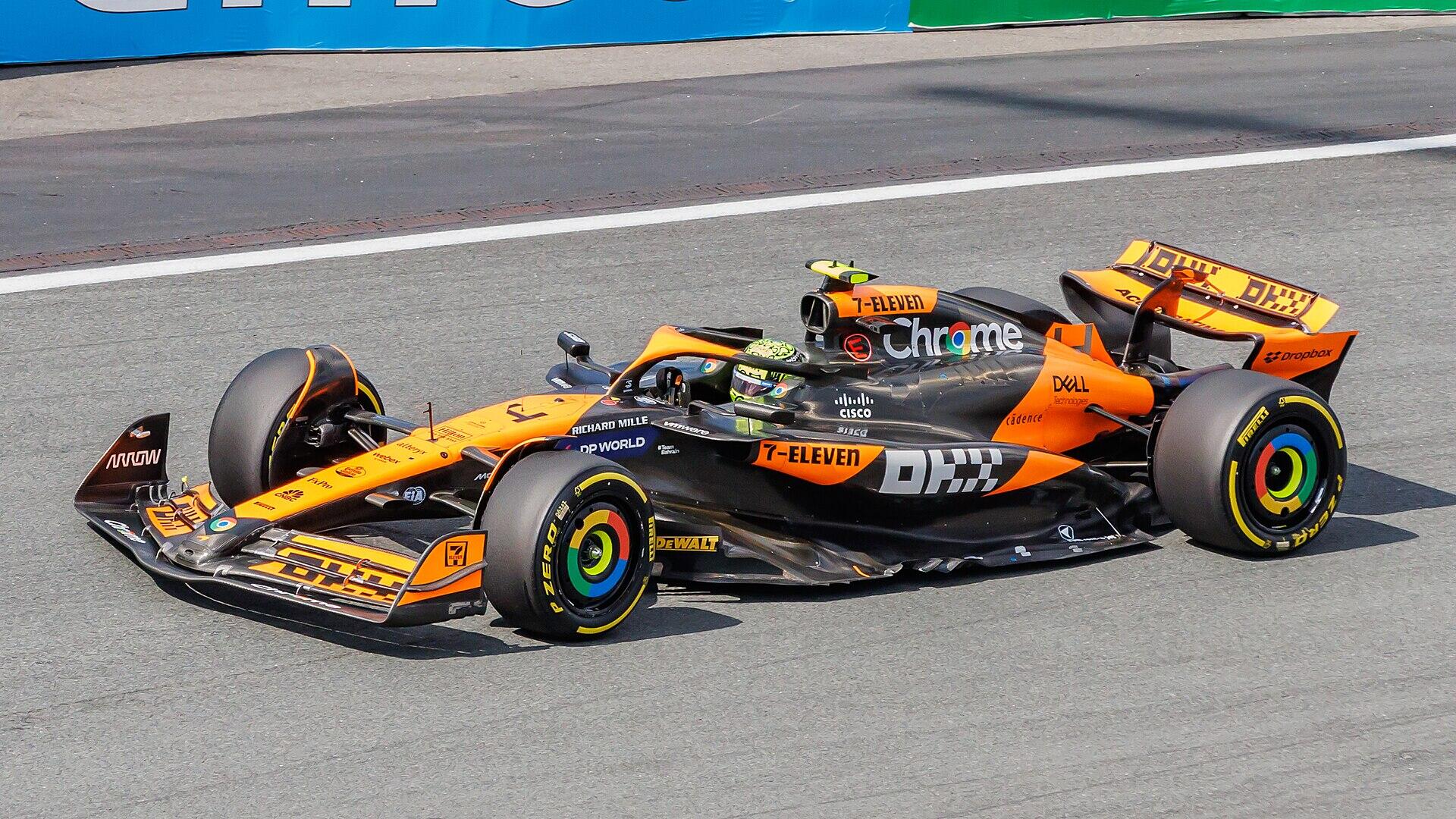
More recently, the 2021 title fight between Lewis Hamilton and Max Verstappen captivated fans worldwide, culminating in one of the most dramatic championship deciders in the sport's history. These rivalries aren't just about lap times — they add the emotional stakes that keep millions of fans tuning in every race weekend.
| Rivalry | Era | Teams Involved | Winner |
|---|---|---|---|
| Senna vs Prost | Late 1980s–early 1990s | McLaren, then Ferrari & Williams | No clear winner — both are considered F1 legends, with Prost winning more titles overall (4 vs 3) |
| Schumacher vs Häkkinen | Late 1990s–early 2000s | Ferrari vs McLaren | Häkkinen (head-to-head) — won the 1998 and 1999 titles; Schumacher (legacy) — went on to dominate the 2000s. |
| Hamilton vs Rosberg | 2014–2016 | Mercedes (teammates) | Rosberg — won the 2016 championship. |
| Hamilton vs Verstappen | 2021 | Mercedes vs Red Bull | Verstappen — won the 2021 championship. |
Why Formula 1 Is More Than Just Fast Cars 🏁
At first glance, Formula 1 might seem like a sport that's all about speed—but every Grand Prix is also a strategic battle. Teams constantly analyse tyre wear, fuel loads, weather conditions, and rival tactics to decide the perfect moment for a pit stop or whether to push for an overtake.
Success also depends on teamwork. Hundreds of engineers, mechanics, strategists, and analysts work behind the scenes to give drivers the best possible chance of winning. A race can be decided by a perfectly executed two-second pit stop, a clever tyre strategy, or a split-second decision from the pit wall.
Modern Formula 1 is also at the forefront of automotive innovation. Many technologies developed for F1, from hybrid power systems to advanced aerodynamics and data analysis, have influenced road cars over the years. It's this combination of elite driving skill, engineering excellence, and tactical thinking that makes Formula 1 one of the most fascinating sports in the world.
Whatever your final score, hopefully this quiz sent you down a few interesting rabbit holes along the way. Drop your result in the poll below and let us know which question caught you out — we'd love to hear from fellow fans!
What’s your F1 quiz result?
Summarise with AI:
Did you like this article? Leave a rating!

 Loading...