

"Why do you want to spend three years of your life studying Geography?"
Professor Ian Candy
Professor Candy, of the Royal Holloway University of London, avers that question is the test of a good personal statement. In other words, what you write in your personal statement must answer that question. Even if his university wasn't on your shortlist of schools to apply to, that test question should be your standard, and your guide.
Your goal, in writing this statement, is to convince a roomful of adults who've never met you, of your intentions. Your personal statement must also reflect your sincerity and dedication to your subject, and the reasons you feel this way. To help you master this process, Superprof explains these critical points:
- Assessing each Geography study programme, to write a tailored statement.
- Maintaining consistency across your entire Geography degree application.
- Proofreading, editing, and keeping your voice.
- What you must avoid when writing your personal statement.








Geography Degree: One Size Does Not Fit All
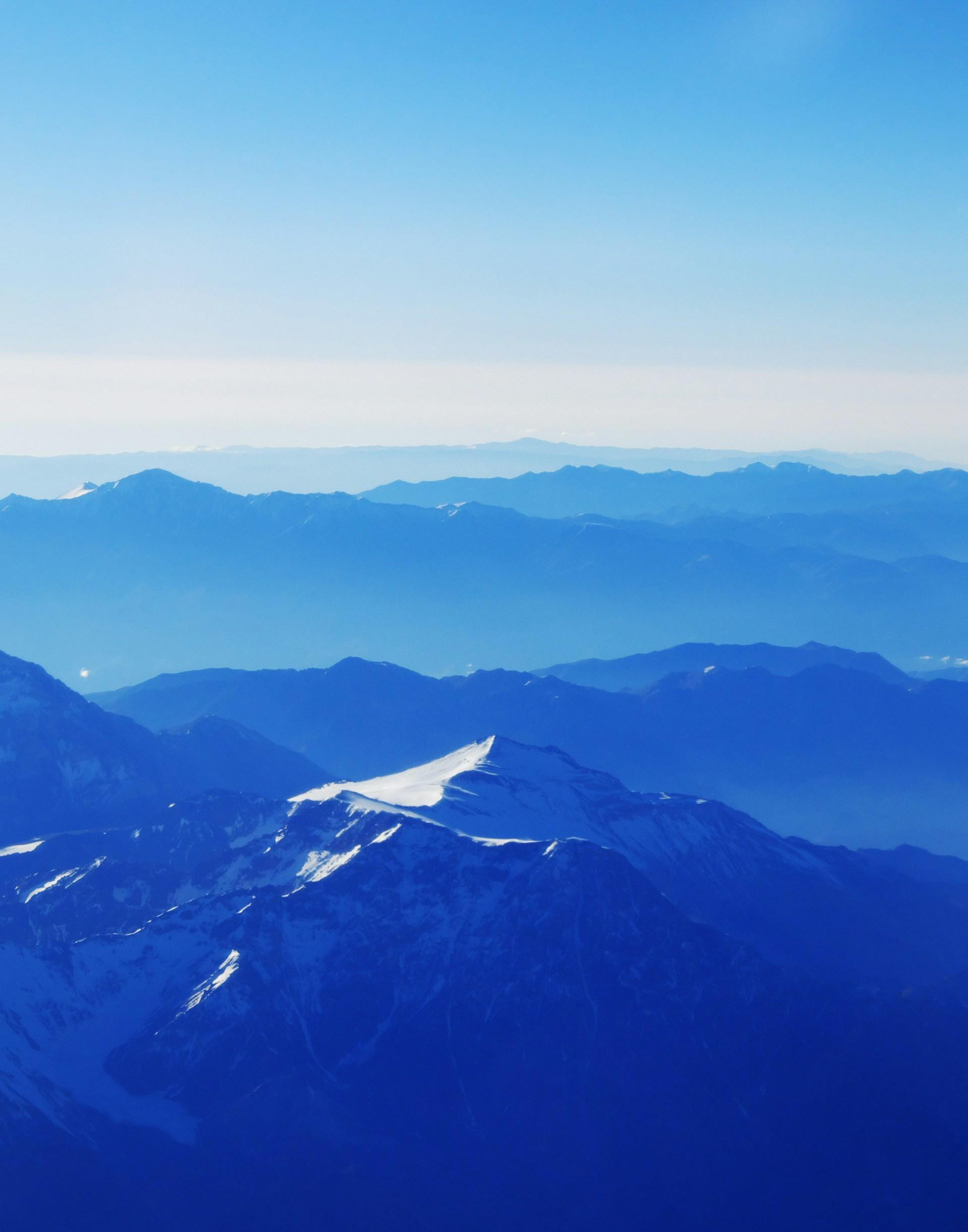
Many universities offer Geography degree plans. Several universities offer an array of Geography pathways to choose from. However, in each case, geography course curriculum elements are slightly different.
That's down to specialisation. A future meteorologist needs to learn different aspects of geography than a soil scientist does, for example. So, universities tailor their teaching materials to the degrees pathways they offer.
Or, they make them broad enough to accommodate several specialities. In all instances, your personal statement must address the course you apply to - not just geography, in general.
You may choose up to five university study programmes to apply to. You must write your personal statements to match each of your selections.
That calls for you to research each course you intend to apply to. Read everything about them: the careers they will prepare you for, and the topics you'll learn about each year. Study the courses' objectives and outcomes. Note what each degree plan covers - and, what they don't.
To keep all that information straight, consider making notes. You might even do a comparison, to highlight specific points that interest you about each course. These two courses, both from the University of Manchester, give you an idea of what such a comparison looks like:
Geography BA
- people-environment interaction
- decolonising geographies
- nature, society, and social power
Geography BSc w/international
- pyrogeography
- digital technology in the city
- study abroad
Now that you know a bit about what these two degree plans offer, your personal statement starts to take shape. As the two programmes have no elements in common, focus on your geography-related skills and experiences, instead.
You needn't address every curriculum topic in your personal statement. Choose a maximum of three that resonate with you, and explain your interest in them.
Your interest must have a personal connection; that's the 'personal' in your statement. For example, you could share the saga of some family members losing everything in a wildfire. So, you want to study pyrogeography, to help reduce the possibility of future wildfires around the world.
UCAS scans each personal statement to look for similarities among papers. So, you personal statement must be absolutely original. Otherwise, the scanner will flag your submission.
A Personal Statement for Your Geography Degree Application
As generous as universities are in giving you space to express your personal academic goals, remember that it's not a large space.
Admissions officers have thousands of application packages to read through, and not much time to do it in. They've no room to read long dissertations, no matter how well written they are.

No firm guidelines exist for drafting the ideal personal statement; one side of one A4 page is a rule of thumb to follow. In that space, you must:
- introduce yourself: present your achievements, experience, and skills relevant to the programme you apply to.
- reveal that you're familiar with the course's components
- describe how the course aligns with your academic and career goals
- conclude with a summary of why you're the ideal candidate for this course (but not in those words!).
Tone
How you write is arguably more important than what you write. Your statement must reflect your honesty, sincerity, and intellectual curiosity. Demonstrate your passion for your subject, and your enthusiasm to learn more about it, in your writing.
The best jobs for Geography majors demand strong communication skills. You might consider this writing exercise an early test of your ability to communicate effectively in writing. As such, drafting personal statements is a good way to hone those skills.
On Proofreading and Editing
As a university study candidate, failing to proofread your documents is about the worst thing you could do. Remember that your application package, including your personal statement, are the first impressions your school gets of you.
You may have high marks in all the right A-Levels for Geography studies. But, those mean little if the rest of your application package reeks of negligence.
Nobody expects Oxford-level writing perfection from you, as you're still a junior academic. However, proper spelling, punctuation, and grammar are bare-minimum requirements. Also, note that word repetition signals a lack of imagination and creativity. So, keep your thesaurus handy, to ensure your text contains a variety of words and phrases.
You should submit your first-draft paper for critique and review as early as possible. That way, you'll have time to make recommended revisions and resubmit them for another round of scrutiny.
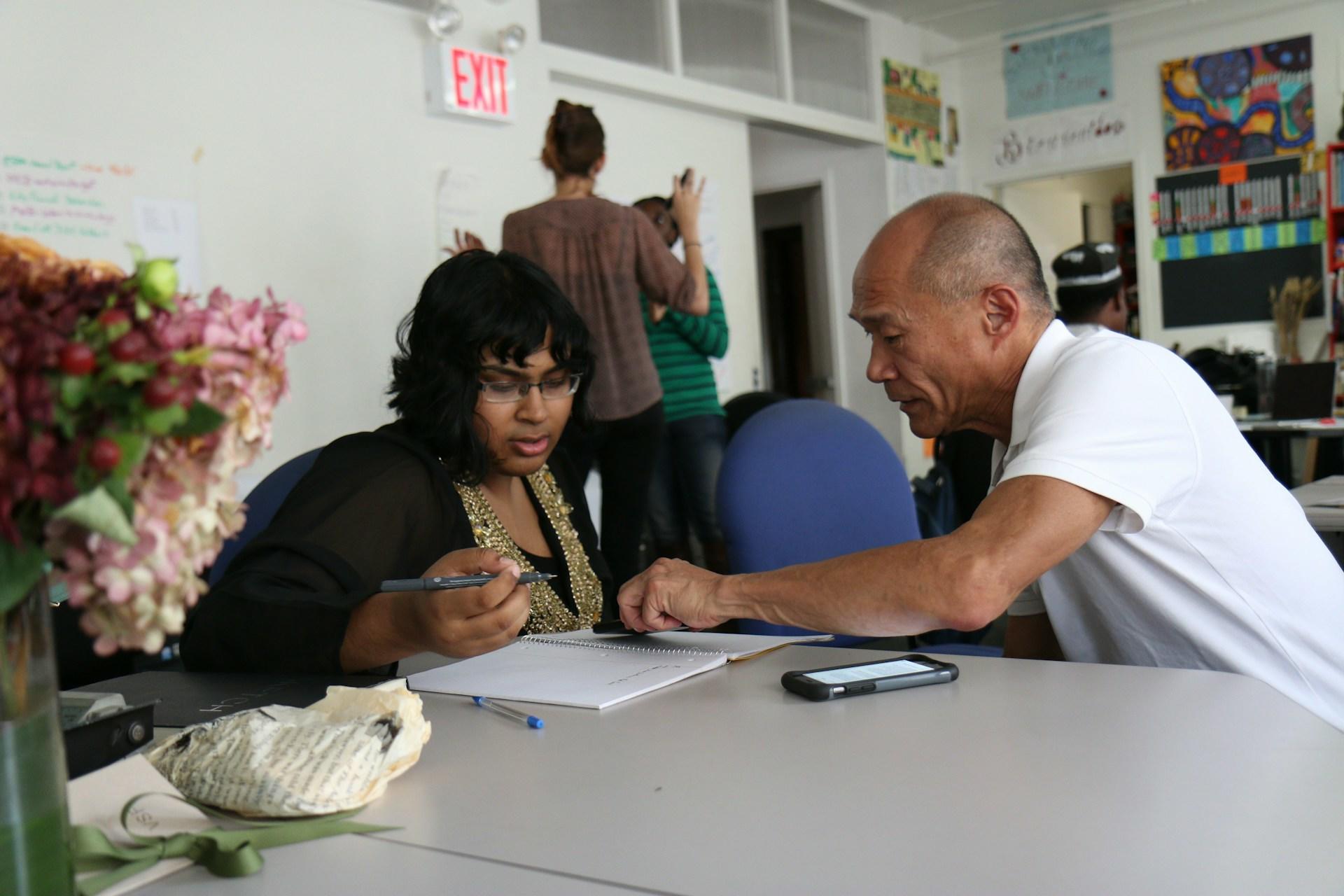
Ideally, you would ask more than one person for their input and suggestions. Your teachers, advisers, friends and family all qualify for the role; your private tutor does, too.
Beware of advisers' and teachers' edits and suggestions.
Academic advisers and your teachers have (most likely) been in education a long time. Our hats are off to their dedication and passion. However, such long tenure comes with an unfortunate side effect: tunnel vision.
Those professionals know what lands well with admissions offices. They know about successful application package requirements, and the type of language admissions officers look for. So, well-intentioned mentors make recommendations based on that knowledge.
The trouble is, they recommend the same edits to every student. Following those suggestions to the letter might make your statement a lot less personal, and a lot more formulaic. Furthermore, those edits might result in a tone mismatch between your statement and other application documents.
The key to a great personal statement is that first word: personal.
Dr Alasdair Pinkerton
Of course, you must rely on your advisers' wisdom to make it through the application process. However, you mustn't use their words, tone, or writing style to draft your personal statement. Instead, put their guidance into context, and apply it to your voice and experiences.
UK universities with the best Geography programmes are highly selective. To ensure your acceptance, you must make your voice as distinctive as possible. Your personal statement is your megaphone, so to speak.
Don't use it to 'shout' keywords and phrases you think admissions officers want to hear. Use it to 'speak' persuasively about your motivations, intentions, and goals. This sincerity will carry through to your interviews, proving you are a candidate worthy of university study.

Your Geography Degree Application: What to Avoid
For you, writing personal statements is a brand-new thing. For university admissions officers, they are de rigueur. They've read thousands of them through the years; they can spot 'formula' from a thousand metres away.
Everybody wants to save the whales, etc.
Dr Peter Burt
Dr Burt leads the Geography programme at Greenwich University. His observation underscores the universal tendency to embrace the latest talking point, and make it one's own. Expressing general sentiments as one's own is an old and common tactic; we hear such from beauty pageant contestants, even.
Still, general sentiments are useful; they can help you define your positions on a topic. Invoking those whales everyone wants to save: why do you care about them? Here's how to turn a platitude - a general statement, into a personal sentiment:
Platitude
- save the whales
- plastics in whales' habitats
- ships colliding with whales
- whale-watching harms
Personally expressed
- interest in whales' migration patterns
- degradation of marine ecosystems
- human impact on marine life
- encroachment on whales' feeding grounds
Naturally, you must make a personal connection to each of those talking points. For instance, you might reveal how you developed your fascination with Orcas 'attacking' boats. And then, express your desire to study this phenomenon. Mentioning what you hope to get out of the study programme is a good strategy, too.
Above all, your personal statement must relate to the type of geography you want to study. Citing whale distress is irrelevant if you're applying to a Human Geography study programme. Here again, honing in on universities' geography study guides helps inform your writing.
Summarise with AI:
Did you like this article? Leave a rating!


 Loading...