
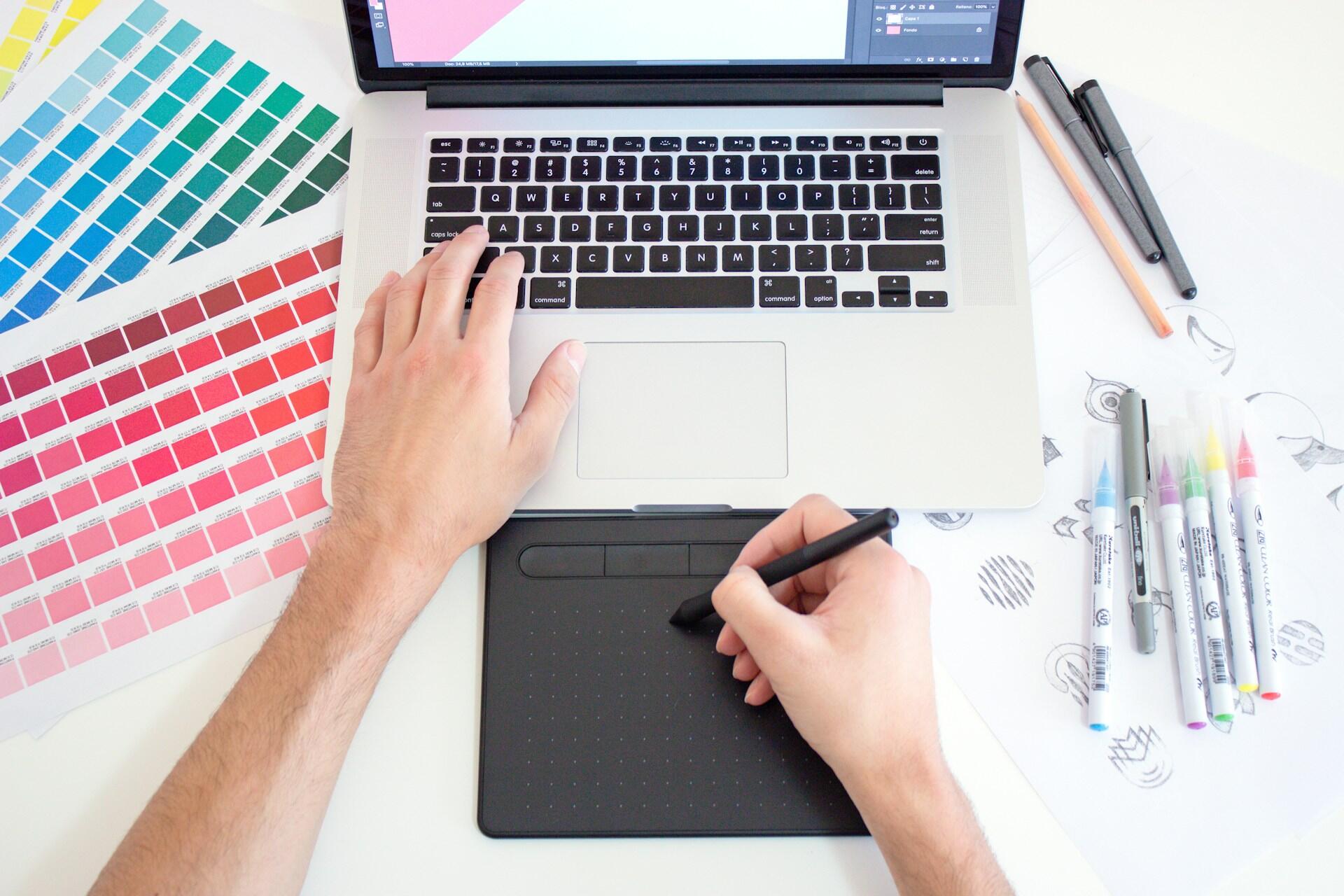

Graphic design jobs can vary depending on the industry, employer, and type of work involved. Graphic designers can work on a range of projects, from creating brand identities, packaging, ads, and social media content, to websites, apps, motion graphics, illustrations, or production-ready artwork. If you're interested, let's explore the field further in this guide.
Key Takeaways
- Graphic design is not a single fixed career, but a broad field encompassing brand, digital, print, motion, marketing, and production roles.
- Some roles are more creative and strategic, such as brand identity designer or art director.
- Some roles are more technical or user-focused, such as UI designer, UX designer, web designer, or artworker.
- Salaries can rise as designers gain experience, specialise, and move into senior creative roles.
- A strong portfolio should match the specific graphic design jobs you want to apply for.




Understanding Graphic Design
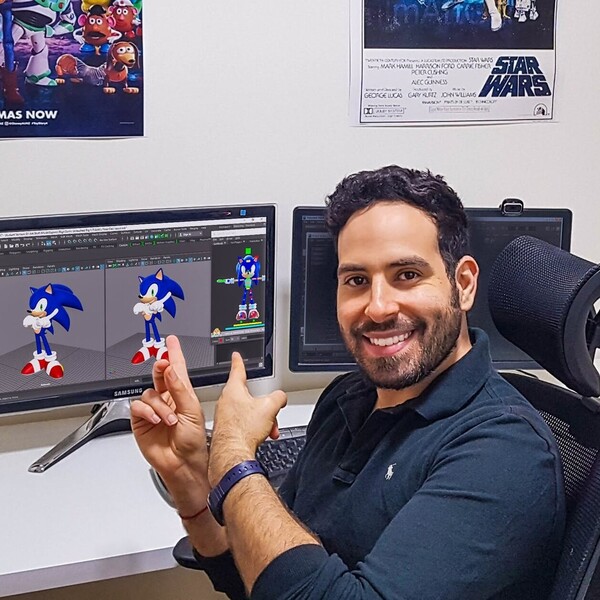
Graphic design is the use of images, words, layout, colour, and composition to communicate ideas. It's a key part of modern life. You'll see it in everything from brand logos and packaging to websites, adverts, apps, books, posters, and social media content. However, it's not a single role, so you'll need to choose between different graphic design jobs.²
| Role | Best for | Typical work | Key skill |
|---|---|---|---|
| Brand identity designer | Designers who enjoy brand strategy and visual systems | Logos, colour palettes, typography, brand guidelines, and visual identity assets | Building a consistent brand identity |
| Packaging designer | Designers interested in products, retail, and materials | Product packaging, labels, dielines, mockups, and print-ready packaging artwork | Combining visual appeal with practical product information |
| Marketing designer | Designers who like campaigns, content, and commercial goals | Social media graphics, adverts, email visuals, landing page assets, and campaign materials | Creating designs that support a marketing objective |
| UI designer | Designers who enjoy digital products and visual interface design | App screens, website layouts, buttons, menus, icons, and interactive visual elements | Making digital interfaces clear, attractive, and easy to use |
| UX designer | Designers interested in user behaviour, research, and product journeys | User research, wireframes, prototypes, user journeys, and usability testing | Improving how people experience a product or service |
| Motion graphics designer | Designers who enjoy animation, video, and visual storytelling | Animated graphics, title sequences, social videos, explainer videos, and moving brand assets | Bringing visual ideas to life through movement |
| Web designer | Designers who want to create websites and digital experiences | Website layouts, page designs, visual assets, responsive designs, and online user journeys | Designing websites that balance style, structure, and usability |
| Illustrator | Designers with a strong drawing style or image-making voice | Editorial illustrations, book covers, advertising visuals, packaging illustrations, and digital artwork | Creating original images that communicate an idea or mood |
| Artworker | Detail-focused designers who enjoy production and final file preparation | Final artwork, layout checks, brand consistency checks, print files, and production-ready assets | Preparing accurate, polished files for print or digital delivery |
| Art director | Experienced designers who want to guide visual concepts and creative teams | Campaign concepts, visual direction, shoot planning, team feedback, and creative presentation | Shaping the overall visual direction of a project |
As you can see, there are different routes into graphic design. Once there, pay will vary depending on the role, the employer, the city, and whether a designer works in-house, for an agency, as a freelancer, or in a specialist digital team. Like other careers, you'll start on a lower salary and boost your earning potential as you gain experience and flesh out your portfolio.
a year, depending on experience, portfolio, and location.⁷
Different designers focus on different aspects of the process. Some spend most of their time developing ideas, while others focus on production, digital interfaces, motion, research, or creative direction. It's useful to know which does what before you make any career decisions.
What Is Graphic Design?
Why Graphic Design Matters Across Industries
Graphic design helps businesses, charities, publishers, tech companies, schools, public services, and creative studios with their visual communication needs. It can help people recognise a brand, understand a message, or complete an action (often a purchase) more confidently. This is why design skills can lead to several career paths rather than a single fixed job title.³
jobs in 2024.³
Creative designers can fit within a broader creative economy, but be sure to consider what each role entails. Graphic designers in a marketing team won't do the same work as a UX designer, an artworker, an illustrator, or a packaging designer, even though they're all "graphic designers" in a sense. Compare the roles.
Graphic design covers many different careers because almost every industry needs clear visual communication. A designer might create brand systems, product packaging, app screens, campaign assets, motion graphics, illustrations, websites, or production-ready artwork depending on the role. This is why students should compare the different types of graphic design jobs before choosing which skills, software, and portfolio projects to focus on.
Types of Graphic Design Jobs
Graphic design jobs can be broken down by format, audience, and level of specialism. Some designers focus on brand identity, product packaging, or marketing campaigns, while others work on digital interfaces, user experience, motion graphics, websites, illustration, artwork, or creative direction. Here are the main roles broken down so you can consider the best fit.
Brand Identity Designer

Packaging Designer
Marketing Designer
UI Designer

UX Designer
Motion Graphics Designer
Web Designer
Illustrator

Artworker
Art Director
Essential Skills for Graphic Designers
Graphic designers need an interesting mix of skills, including creativity, technical expertise, and communication. The exact skill set depends on the role, but the broader, overarching skill set is shared by most graphic design roles. Once you have these, you can specialise in areas like branding, packaging, UI (User Interface), UX, motion graphics, or art direction. A graphic design degree can also lead to related creative roles across advertising, marketing, publishing, web design, product design, and user experience work.¹⁰
- Layout and composition
- Typography
- Colour theory
- Branding
- Digital design tools
- Image editing
- Communication
- Collaboration
- Creative problem-solving
- Portfolio presentation
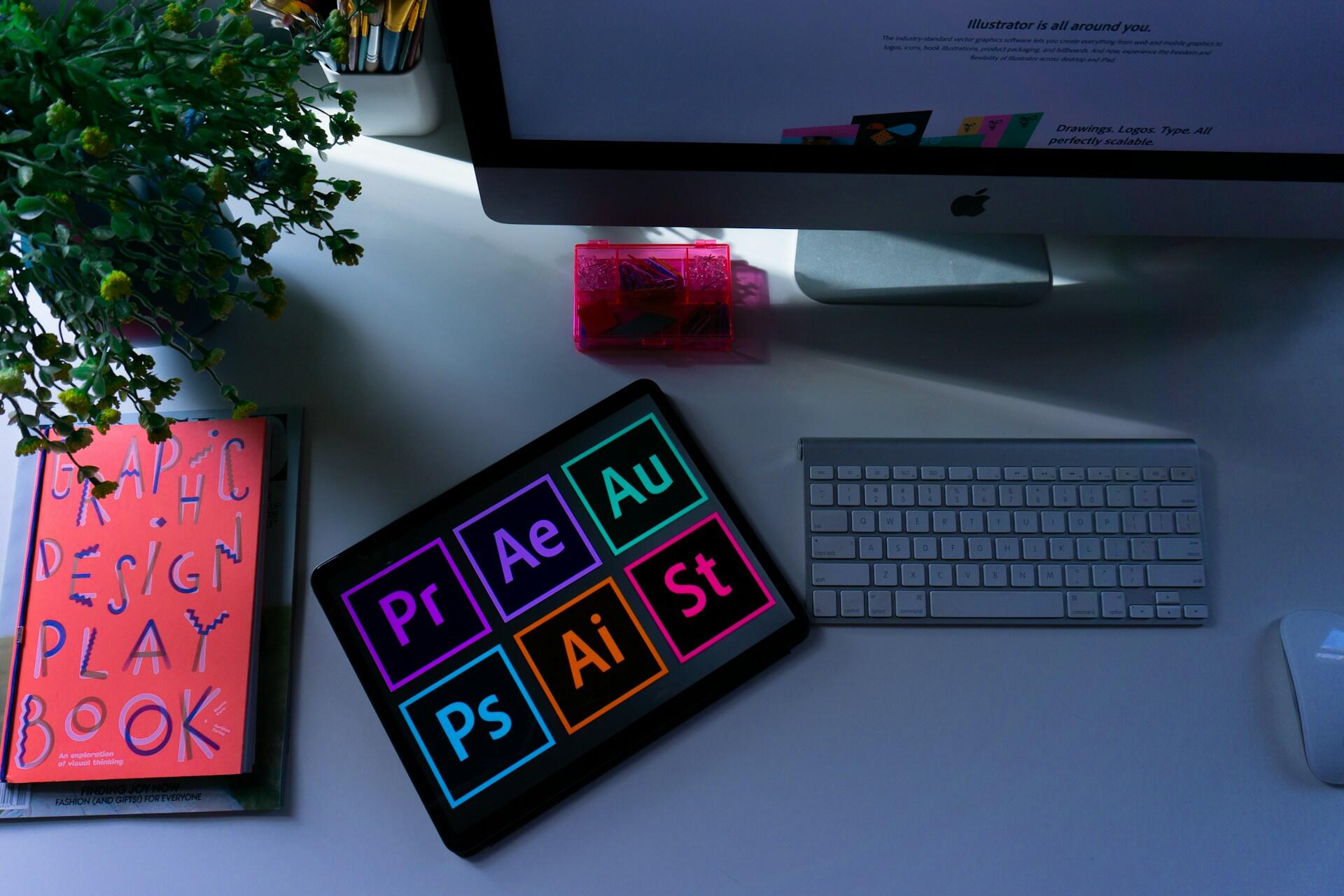
With a strong foundation, specialist skills in areas like brand identity will help you stand out. Employers will often be looking for these specialist skills, especially in larger teams. Your core graphic design skills are just the starting point for building your portfolio; specialism will help guide your career.
General design skills are useful, but specialist skills can help designers move into better-paid or more competitive roles. Motion graphics, UX design, art direction, packaging, and brand identity each require a slightly different mix of creative, technical, and communication skills. Building a clear specialism can make it easier to apply for junior, senior, remote, freelance, or London- or Manchester-based roles.
How to Choose the Right Graphic Design Career Path
Design is thinking made visual.
Saul Bass
While salary isn't the only reason to choose a design role, it certainly helps tip the scales in its favour. Similarly, the balance between technical skills and creative skills will make some roles a better fit than others. For example, marketing designers may have more of a business focus than other roles that are more focused on the graphics. It's good to consider your strengths and weaknesses when choosing a path, as well as what you find most enriching.
when they move into senior visual leadership roles.⁹
- Choose brand identity if you enjoy strategy and visual systems.
- Choose packaging if you like products, materials, and retail design.
- Choose marketing design if you enjoy campaigns, content, and business goals.
- Choose UI or UX if you enjoy digital products and user behaviour.
- Choose motion graphics if you like animation, video, and storytelling.
- Choose artworker roles if you are detail-focused and enjoy production.
- Choose art direction if you want to guide campaigns, teams, and visual concepts.
A strong portfolio should showcase the kinds of graphic design jobs a student actually wants. Someone interested in brand identity should show logos, brand guidelines, and visual systems, while someone interested in UI design should show screens, components, and user journeys. A focused portfolio is usually more useful than a mixed collection of unrelated projects.
References
- Adobe Certified Professional. “The Complete Guide to Brand Identity Design.” Adobe Certified Professional, 27 Feb. 2024, https://certifiedprofessional.adobe.com/blog/the-complete-guide-to-brand-identity-design. Accessed 1 June 2026.
- Britannica, The Editors of Encyclopaedia. “Graphic Design.” Encyclopaedia Britannica, 8 May 2026, https://www.britannica.com/art/graphic-design. Accessed 1 June 2026.
- Carey, Heather, Lesley Giles, and Bernard Hay. “Creative Industries Skills Audits: Design and Designer Fashion.” Creative PEC, 12 May 2026, https://pec.ac.uk/wp-content/uploads/2026/05/PEC-Creative-Industries-Skills-Audits-%E2%80%93-Design-and-designer-fashion.pdf. Accessed 1 June 2026.
- Coursera Staff. “What Does a Motion Graphics Designer Do? How to Become One.” Coursera, 24 Mar. 2026, https://www.coursera.org/articles/motion-graphics. Accessed 1 June 2026.
- Coursera Staff. “What Does a User Interface (UI) Designer Do? Role Explained.” Coursera, 18 Mar. 2026, https://www.coursera.org/articles/what-is-a-user-interface-ui-designer-guide. Accessed 1 June 2026.
- IED. “Packaging Designer: Who They Are, What They Do, and How to Become One.” Istituto Europeo di Design, https://www.ied.edu/profession/packaging-designer. Accessed 1 June 2026.
- National Careers Service. “Graphic Designer.” Department for Education, https://nationalcareers.service.gov.uk/job-profiles/graphic-designer. Accessed 1 June 2026.
- National Careers Service. “User Experience (UX) Designer.” Department for Education, https://nationalcareers.service.gov.uk/job-profiles/ux-designer. Accessed 1 June 2026.
- Prospects. “How to Become a Graphic Designer: Salary, Skills, Requirements.” Prospects, Jisc, https://www.prospects.ac.uk/job-profiles/graphic-designer/. Accessed 1 June 2026.
- Prospects. “What Can I Do with a Graphic Design Degree?” Prospects, Jisc, June 2024, https://www.prospects.ac.uk/careers-advice/what-can-i-do-with-my-degree/graphic-design/. Accessed 1 June 2026.
Summarise with AI:
Did you like this article? Leave a rating!

 Loading...
