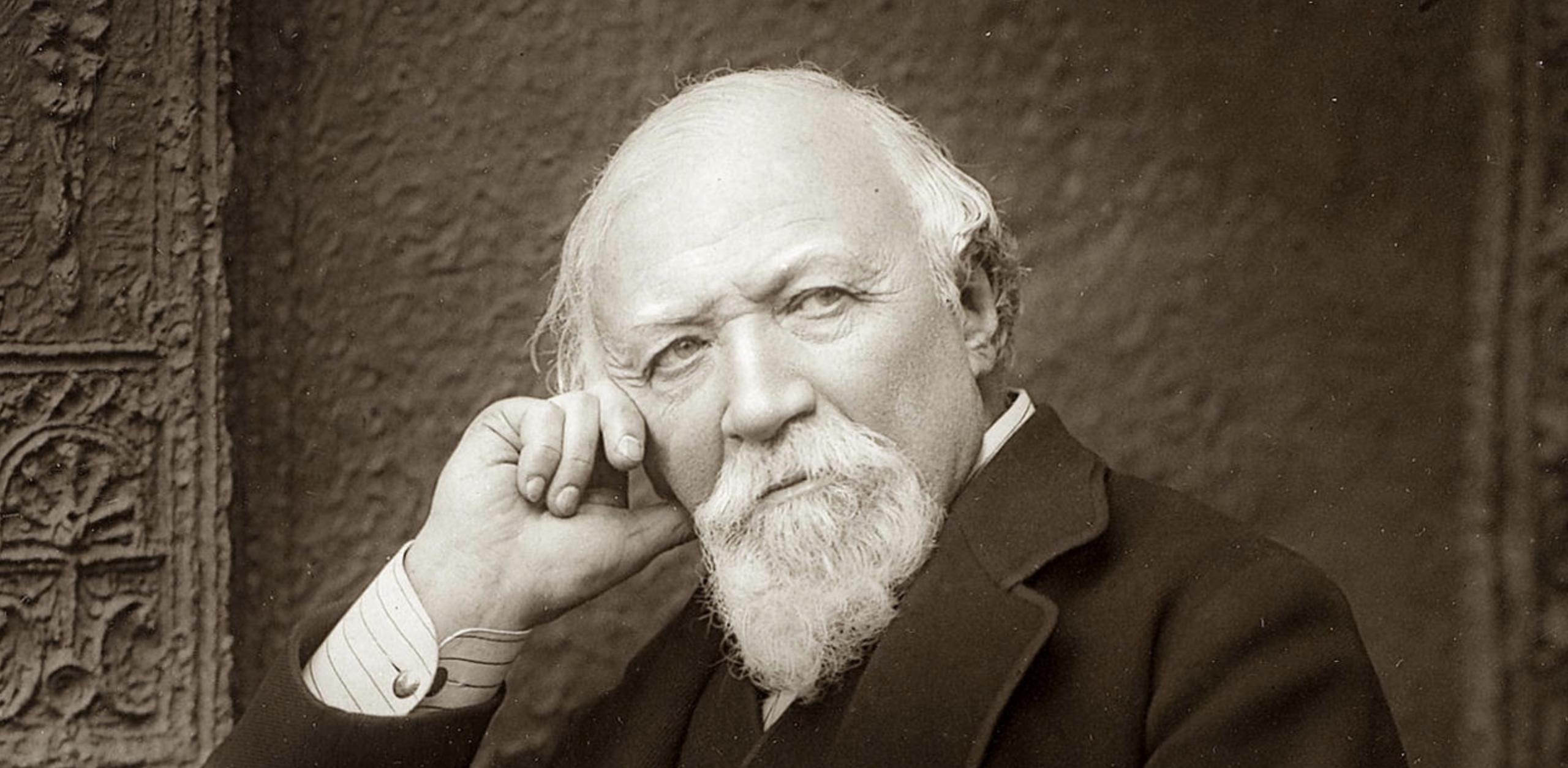

Looking for a student-friendly summary recap of My Last Duchess by Robert Browning? Whether you’re preparing for your GCSE English Literature exam or exploring Victorian poetry, this article will help you find a clear explanation of the poem, line-by-line insights, and helpful exam-focused tips — everything you need to understand and analyse My Last Duchess with confidence.


🎯 Quick Overview: What Is My Last Duchess About?
The poem centres on a powerful and controlling Duke, offering a chilling insight into themes of power, possession, and the role of women in a patriarchal society. Narrated by the Duke himself, the poem begins by depicting him showing a visitor around his art-filled mansion in the Italian city of Ferrara.
As they pause before a portrait of his late wife, the Duchess, the Duke begins to reminisce about her, gradually revealing disturbing details about their relationship and his authoritarian nature.
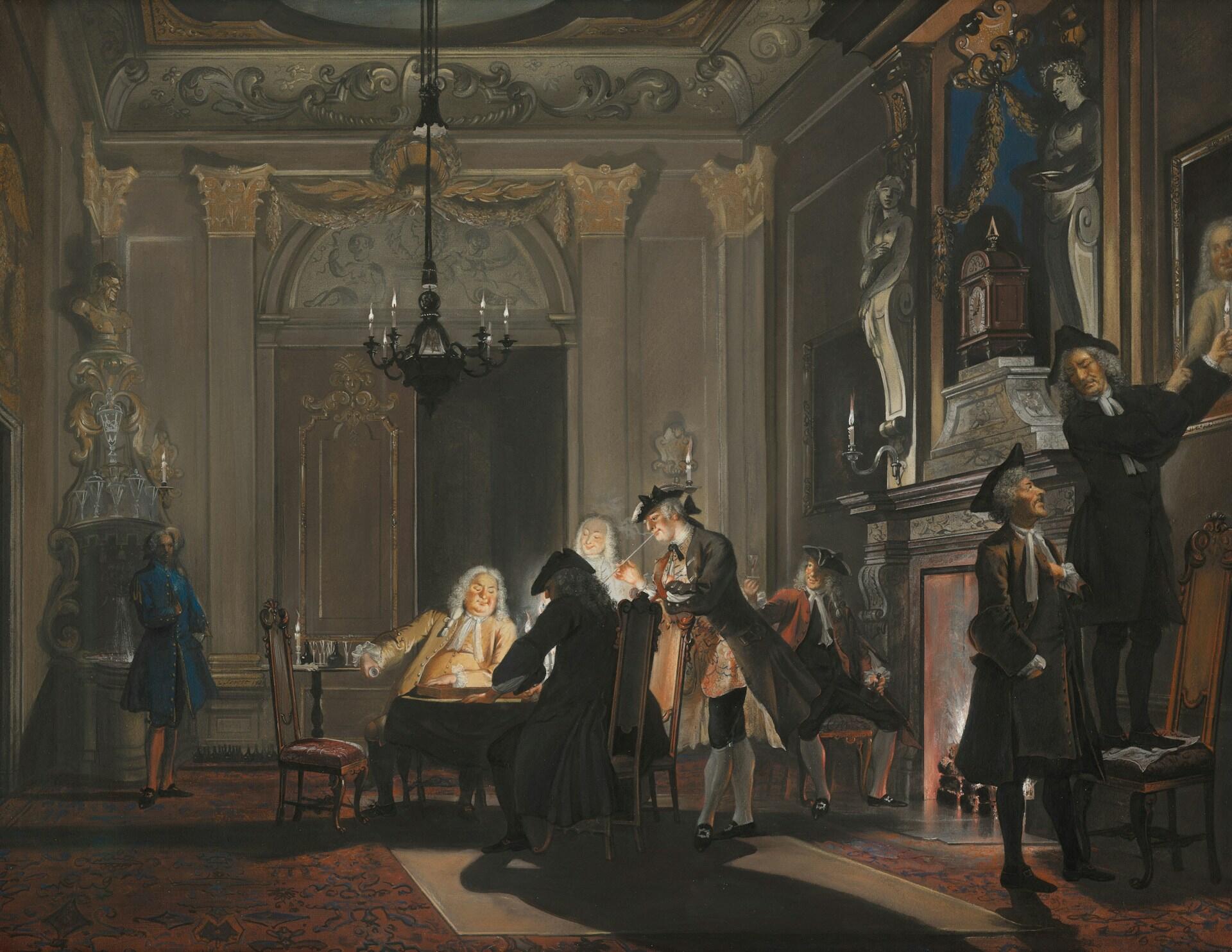
🖼️ Understanding My Last Duchess Context
Let's also briefly review the background of the poet, which contributes to the rich context of My Last Duchess.
Ferrara, Italian Renaissance period (14th century)
Britain, Victorian period (18th century)
Offer social commentary of the Victorian era in Britain, especially how women 's reputation was tied to their husbands.
Power, control, gender dynamics
☑️Born in Surrey in 1812
☑️Well known as a Victorian era poet and playwright
☑️Married another famous Victorian poet, Elizabeth Barrett, in 1846 and moved to Italy.
📜 Simplified Recap of the Poem’s Events
You can't understand the poem comprehensively without exploring the events that shaped the plot of the poem.
Event 1
The Duke receives a visitor at his house. The visitor is most likely an envoy to propose a new marriage.
Event 2
The Duke paused before a painting, explaining that it was a portrait of his late wife.
Event 3
The Duke praises the quality of the painting and highlights the artist behind the painting.
Event 4
As he went on to describe the Duchess's beauty and friendliness, he also unknowingly revealed his jealousy and possessiveness towards her behaviour.
Event 5
He also gave a subtle hint that he eventually killed her.
Event 6
He began to shift the conversation to negotiate with the envoy about his new marriage. He demands a higher price of dowry due to his status.
Event 7
He then showed the visitor another art piece at his house, the statue of Neptune, which acts as a symbol of his power and prestige.
📚 Line-by-Line Explanation in Plain English
Now, let’s figure out what My Last Duchess is about by reviewing the poem and explaining its meaning in simpler language. As you go through the poem in detail, you'll be able to pick up the central themes and language techniques present.
Original line
That’s my last Duchess painted on the wall, Looking as if she were alive. I call
That piece a wonder, now; Fra Pandolf’s hands
Worked busily a day, and there she stands.
Plain English
That's the portrait of my late wife. It looks so life-like, as if she's still alive.
📌
The artist Fra Pandolf spent a day painting her, and here she is, standing on the wall.
Meaning
The portrait of the Duke's wife was a sign that he was in control of her even after her death.
📌
He also takes pride in having a famous painter paint her: a symbol of power and wealth.
Original line
Will’t please you sit and look at her? I said
“Fra Pandolf” by design, for never read
Strangers like you that pictured countenance,
The depth and passion of its earnest glance,
Plain English
Please sit and look at the portrait, and let me remind you that the famous artist, Fra Pandolf, painted this.
📌
Many have mentioned that the painting captured the essence of the Duchess's beauty.
Meaning
It is suggested that the Duke politely "commanded" the visitor to look at the painting.
📌
He doesn't forget to boast about his connection to hiring a famous painter, which is why this painting is of high quality.
Original line
But to myself they turned (since none puts by
The curtain I have drawn for you, but I)
And seemed as they would ask me, if they durst,
How such a glance came there; so, not the first
Are you to turn and ask thus. Sir, ’twas not
Her husband’s presence only, called that spot
Of joy into the Duchess’ cheek;
Plain English
No one but I can pull the curtain to reveal this painting and show her face. Others looked as if they wanted to ask how she had a blushed expression, but they didn't dare.
📌
You are not the first to wonder about that. As her husband, I am not the only man who made her blush.
Meaning
The Duke is showcasing his control and dominance over his wife through the painting.
📌
He is pleased that he is the only one who can control the painting, but he mentioned that he was not the only one who made her blush, showing his jealousy and possession.
Original line
perhaps Fra Pandolf chanced to say, “Her mantle laps
Over my lady’s wrist too much,” or “Paint
Must never hope to reproduce the faint
Half-flush that dies along her throat.” Such stuff
Was courtesy, she thought, and cause enough
For calling up that spot of joy.
Plain English
The Duke mentioned that the painter made some remarks, like asking the Duchess to move her mantle to show more of her wrist, and saying that paint cannot truly capture her blush on the neck.
📌
The Duchess blushed as she thought the painter was complimenting her.
Meaning
The Duke implies that the painter (who is also a monk) was flirting with his wife. These descriptions revealed his jealousy and pride.
📌
He thinks his wife was too flirtatious and friendly with other men
Original line
She had
A heart—how shall I say?— too soon made glad,
Too easily impressed; she liked whate’er
She looked on, and her looks went everywhere.
Sir, ’twas all one! My favour at her breast,
The dropping of the daylight in the West,
The bough of cherries some officious fool
Broke in the orchard for her, the white mule
She rode with round the terrace—all and each
Would draw from her alike the approving speech,
Or blush, at least.
Plain English
The Duchess is easily impressed and seems to be interested in other things.
📌
Whether it's a jewellery gift that the Duke gifted to her that she wears near her neck, a beautiful sunset, or some cherries or a mule that someone gifted to her, she showed equal admiration and happiness.
Meaning
The Duke is unhappy that the Duchess showed equal appreciation to what he has gifted her and what others have gifted her.
📌
To him, it made no sense as other gifts are not as valuable as he gifted her.
Original line
She thanked men - good! but thanked
Somehow - I know not how - as if she ranked
My gift of a nine-hundred-years-old name
With anybody’s gift. Who’d stoop to blame
This sort of trifling? Even had you skill
In speech - which I have not - to make your will
Quite clear to such an one, and say, “Just this
Or that in you disgusts me; here you miss,
Or there exceed the mark” - and if she let herself be lessoned so, nor plainly set
Her wits to yours, forsooth, and made excuse -E’en then would be some stooping; and I choose Never to stoop. -”
Plain English
The Duchess showed gratitude towards people, and the Duke cannot understand how she can equate his gift (his power, his heritage) with others.
📌
He asked who would lower themselves to explain this small behaviour?
📌
Even if they have the skill to explain (but he clearly didn't), and while he can give her a lesson to change her behaviour, he thinks that talking to her is lowering himself, and he will never do that.
Meaning
The Duke is not pleased with how his wife showed gratitude to others and thinks that his family name is highly valuable.
📌
It could be that the Duchess's social status is lower than his, and he also thinks it would be humiliating for him to talk to her about this minor thing, as she is a woman and his wife.
📌
He will never allow himself to go down to her level: a sign of pride.
Original line
Oh, sir, she smiled, no doubt,
Whene’er I passed her; but who passed without
Much the same smile? This grew; I gave commands;
Then all smiles stopped together. There she stands
As if alive.
Plain English
The Duke said that while she smiled at him, she also gave the same smile to others. This went for a long time.
📌
He eventually gave the command to stop her from smiling again. Now, the only smile appears in the painting; she looks as if she's still alive.
Meaning
The Duke was very jealous of the Duchess's friendly behaviour.
📌
He cannot control her in real life, so he decides to kill her for complete control.
Original line
Will’t please you rise? We’ll meet
The company below, then. I repeat, The Count your master’s known munificence
Is ample warrant that no just pretense
Of mine for dowry will be disallowed;
Though his fair daughter’s self, as I avowed At starting, is my object. Nay, we’ll go
Together down, sir. Notice Neptune, though,
Taming a sea-horse, thought a rarity,
Which Claus of Innsbruck cast in bronze for me!
Plain English
The Duke invites the visitor to stand to join the guests below. The visitor has actually come to discuss a marriage negotiation with the Duke on behalf of a Count.
📌
The Duke is determined to marry the Count's daughter and believes he can demand a high-priced dowry.
📌
As they go down, the Duke drew the visitor's attention to a statue of Neptune that is taming a sea horse, while emphasising the artist again.
Meaning
The Duke sees his next marriage as something transactional. He knows the Count is rich and demands a higher dowry for marrying his daughter.
📌
He also implies that his future wife will also be his possession (object).
📌
Again, he boasts of his art collection, this time a Neptune statue which symbolises power and control, his role as a husband, and also his pride in having a famous artist to make this artwork for him.
👥 A Short Character Sketch of The Duke and Duchess
Now, let's explore the two main characters of this poem, the Duke and Duchess of Ferrara. As the poem is a dramatic monologue that is narrated by the Duke himself, we can get a glimpse of the kind of life they lived, as well as some of their personality traits.
The Duke of Ferrara is proud, arrogant, and possessive.
He takes pride in his family title, social status, and wealth, and constantly boasts about his art collection and connection with famous artists.
He values control and dominance in his marriage and is extremely jealous of his late wife's friendliness towards others. He believes that his wife's attention and affection should be solely on him.
He shows no feelings of remorse after killing his wife and only sees her as a possession, as merely a painting which he can control who sees it with a curtain.
The Duchess of Ferrara was known for her innocence and friendliness to everyone. She finds delight in many things apart from her husband's gifts.
She has a habit of smiling at others as a sign of gratitude and courtesy, but her habit is sadly misinterpreted as flirtatious by her husband, even as she was sitting down to get her portrait done by a monk.
Eventually, she was killed by her husband.
📖 Summary Tips for My Last Duchess
We hope this article will help you look at this poem through a clearer lens, especially in terms of the plot summary and overview of the main characters. Here are five main points to help you connect the flow of events in the poem during your revision.
✅5 Things to Remember
- The poem is set in Ferrara, Italy, during the Italian Renaissance as a reflection of what was going on during the Victorian era.
- The poem centres around a possessive and jealous Duke who seeks control over all things, including his wife.
- The Duke takes pride in his family title and wealth, and hates his wife for being too friendly to others and finding joy in other gifts apart from his.
- His jealousy and desire for control eventually led him to kill his wife.
- At the end of the poem, it is indicated that he will marry again, but his views on his wife as a possession remain unchanged.
You can also refer to this revision cheat sheet to help you breeze through what's important before your actual exams.
| Category | Elaboration |
|---|---|
| Poet | Robert Browning |
| Poem Summary | The Duke describes a portrait of his last Duchess to a visitor, gradually revealing his controlling nature and the disturbing idea that he may have had her killed because she didn’t meet his expectations |
| Themes | Explores power, control, pride, jealousy, art as possession, and the objectification of women — especially how status and patriarchy influence relationships |
| Poem form, structure and language | Browning uses dramatic monologue, irony, enjambment, and rhyming couplets to create a smooth but chilling voice that slowly reveals the Duke’s darker side. The poem is written in a single stanza of iambic pentameter with rhyming couplets, reflecting the Duke’s desire for order and control, even as his emotions slip through |
| Context | Set in Renaissance Italy but written in Victorian England, the poem reflects 19th-century views on gender, marriage, power, and social class |
| GCSE Exam Tips | Focus on how Browning presents the Duke’s character through language and structure, and practise comparing it with poems like Ozymandias (power and pride) or London (social criticism) |
Not only that, you can also hire an experienced English tutor at Superprof to help you master this subject, especially when it comes to different poetry categories and answering techniques for comparison poem questions. For instance, you could be asked to compare My Last Duchess and Ozymandias.

What are you waiting for? Head to the Superprof homepage to start searching for the best tutors near you. Once you have reviewed the tutors' profiles, you can book your first lesson via the messaging feature!
Summarise with AI:
Did you like this article? Leave a rating!

 Loading...