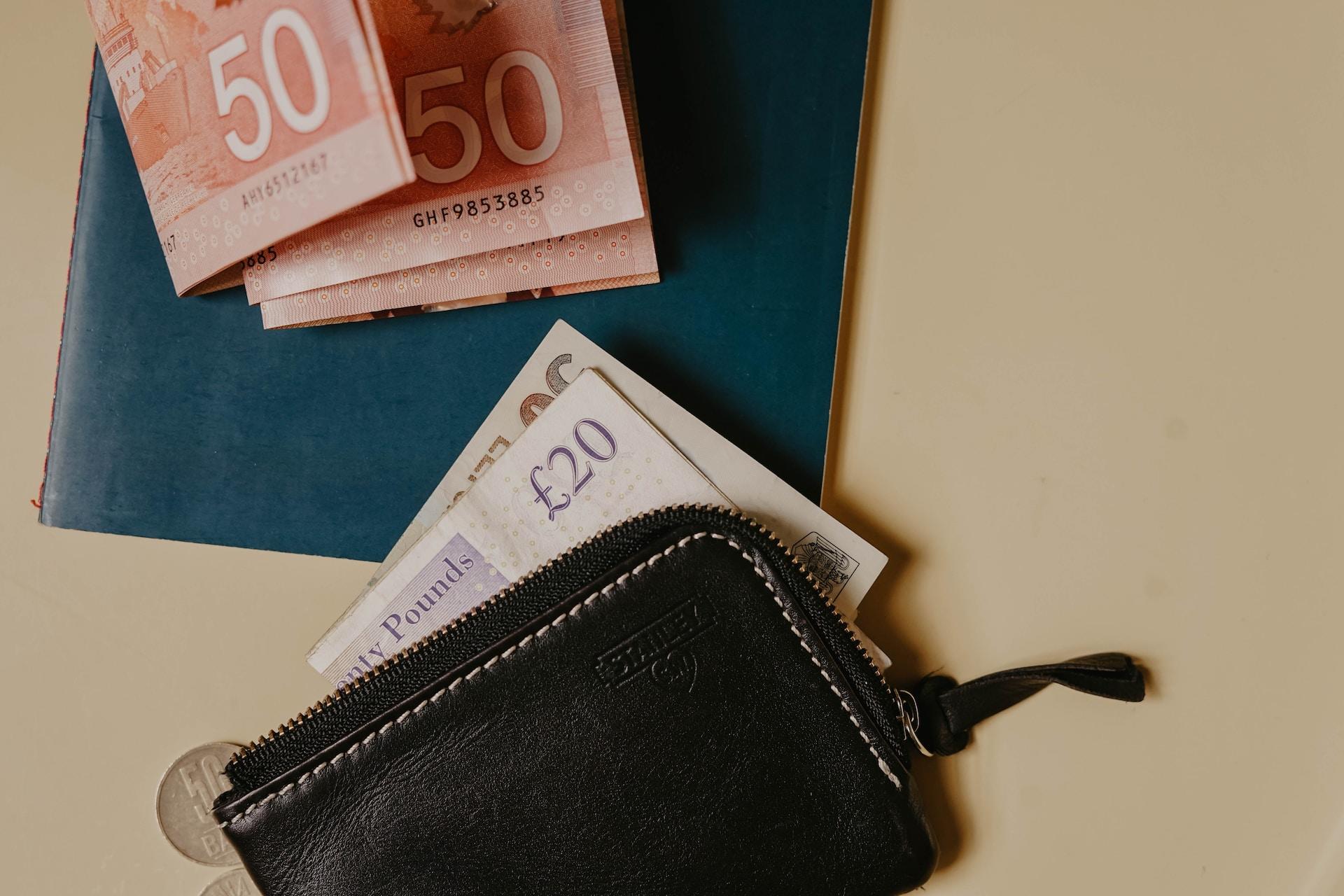

Do you ever think about the coins and notes in your pocket? I mean, do you ever think about them beyond what you'll spend them on or how much you have? Do you ever wonder why we call them 'quid' and 'bob' - or even why we call our currency the pound?
You don't have to be a numismatist - a person who studies coins and notes, to find fascination with the British currency. You don't have to be a historian to appreciate the fact that the British pound is the oldest currency still in circulation, either.
Soon, our Great British Pound (GBP) will undergo the most profound change in its long history. Indeed, we're inching ever closer to not having any physical currency at all. So it's worth spending time contemplating these small works of art that define so much of our lives. Today, Superprof talks about:
- how the pound got its name(s) and where the £ sign came from
- the technology reflected in our banknotes and coins
- the geopolitical events that influence the GBP's value and might
- what the future holds for the pound sterling


The Pound Sterling's Origins
It's the 8th Century AD and Offa of Mercer is on the throne. The existing accounting system is cumbersome and untrustworthy; a system full of Latin words. To make things easier, King Offa orders the splitting of a Roman libra of silver into 240 equal parts. That measure represents roughly 3.5 kilos of silver.
The Roman pound weight was called Libra; it became the English Tower pound.
These silver pennies became the coin of the land. If someone bought something that wasn't quite worth a silver penny, they shaved a little off to reduce its value. And so things remained, until 1158. That's when King Henry II introduced a new penny, which was only 92.5% silver. These coins stood up to wear better so they lasted much longer than the pure silver coins.
Gold didn't make its appearance in English coinage until 1351 when King Edward III introduced the noble. He was rather pushed into it because English cotton was a hot commodity on the international market. Flemish buyers only had gold coins; their inflow into English coffers caused a lot of currency instability.
That Flanders-provoked uncertainty was only the beginning of England's currency quakes. From excessive Tudor spending to 1694 - the year banknotes made their debut, silver remained England's base store of value. But once paper became the currency of choice, gold became the legal basis of exchange.
The 1480s were momentous for the British currency. That decade saw the shilling (1487) and the pound sterling(1489) introduced as legal tender. These denominations had a huge impact on the British economy. By 1816, silver was reduced to mere 'token' status; the gold standard prevailed from then on.
The 14th Century definition of sterling was a 'standard lawful unit of currency'.
In 1694, the Bank of England (BoE) opened its doors; it became the Central Bank almost by accident. England had suffered defeat in a battle against the French and wanted to rebuild its navy but nobody would lend King William III's government any money. The government appealed to the BoE, and the rest is history.
Throughout time, the government and Central Bank had to make dramatic economic adaptions to new conditions around the world and within the United Kingdom itself. For instance, many people alive today remember post-war austerity.
Our late Queen ascended to the throne just one year after austerity ended, bringing about a change in our banknotes' appearance. That was only cosmetic; the more profound shift came nearly 20 years later. In 1971, the UK 'celebrated' Decimal Day, the day the pound sterling became decimalised. Gone were the shilling and penny, the new penny took its place.
How Banknotes and Coins Are Made
This section doesn't go into all the minting and printing processes that turn raw materials into currency. Instead, we talk about how our banknotes and coins remain relevant and keep their worth.
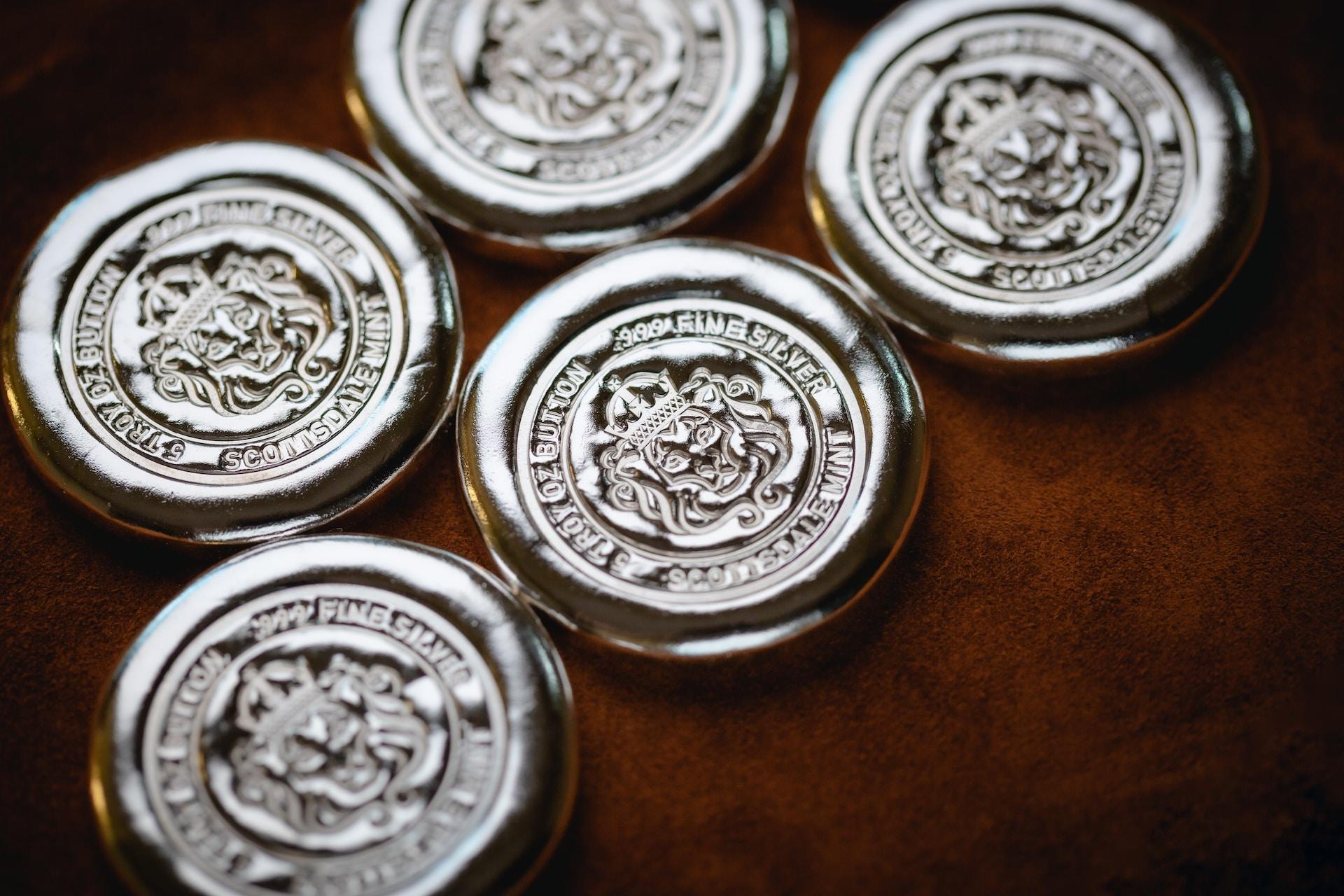
In the previous segment, you read that people would shave a bit of silver from their coins to better match the value of what they were buying. Doing so was legal even though it reduced the coin's agreed worth. Later coin designs featured raised edges to show if any piece had been clipped off. It's a simple but effective safety feature that graces even today's coins.
You might remember when laserjet printers hit the market. People around the world tried passing off photocopied banknotes as legal tender because the print quality was so good. They may not have known that every bill contains security features that no laser printer could duplicate.
Counterfeiting is currency trickery on a whole different level, one that is not legal in any way. Still, the practice persists so the Central Bank designs our banknotes with multiple safety features, some not visible to the crafty eye. And now, with digital systems to access the finance industry, the government and the banks must ensure our currency infrastructure remains safe.
These entities also have to deploy economic strategies to ensure our currency remains fit for purpose. In the next segment, we'll cover what that entails. For now, we only need to remember that our currency represents the value printed/engraved on it because we all agree that it's so. And because we believe in our currency system's legitimacy.
How World Events Shape the GBP
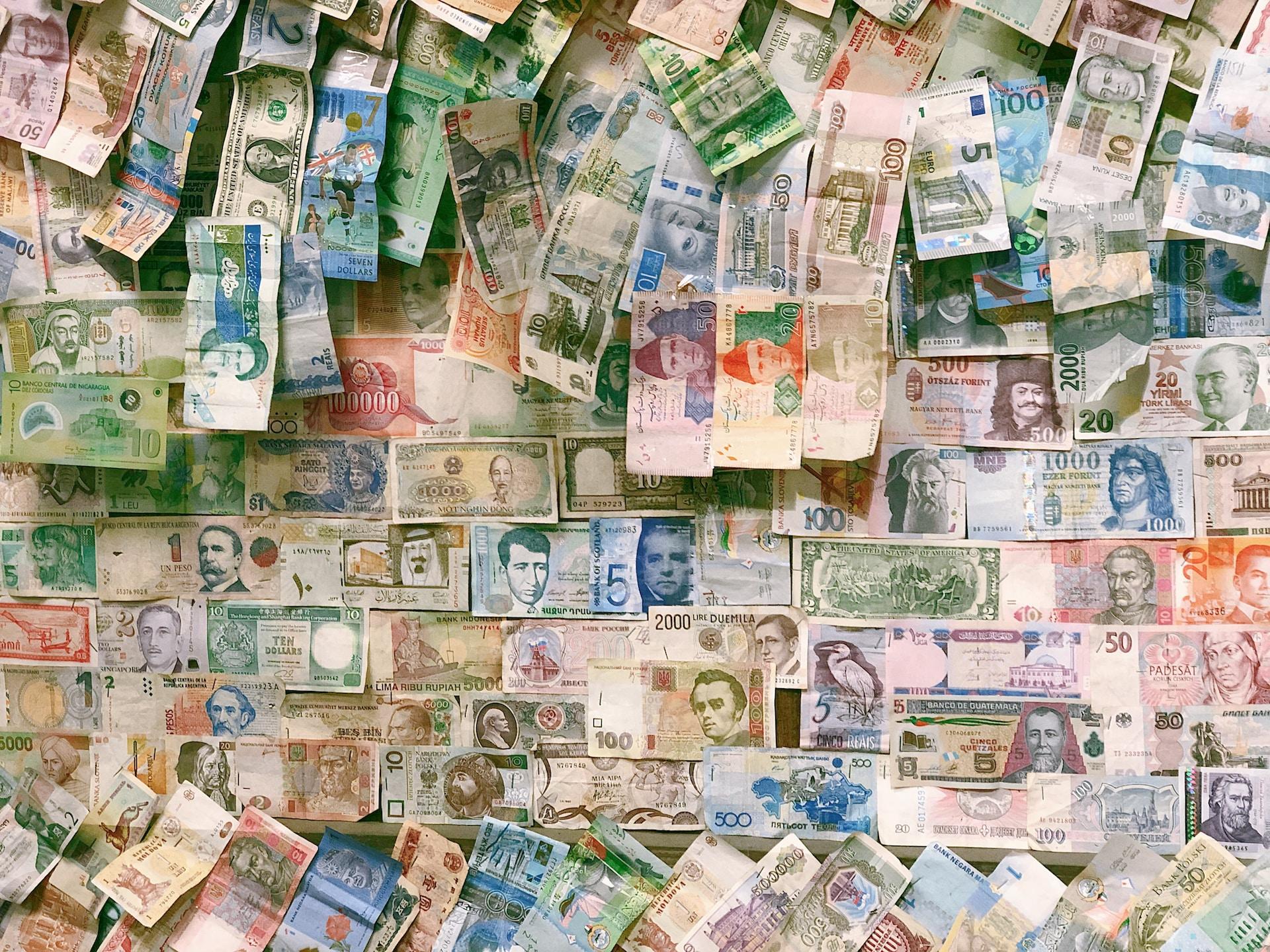
Throughout the pound's long history, it financed wars and rebuilding, seafaring exploration and colonisation. These global events had their impacts on our pound sterling but two 20th Century events, in particular, define today's GBP.
On New Year's Day in 1999, the European Union (EU) adopted a single representative currency: the Euro. Each member country should adopt this currency once they meet certain economic conditions. However, the UK got to keep its pound sterling despite being an EU member. That's how our GBP remains so strong in the global markets.
The Bretton Woods conference was, by far, the most impactful global event to shape the British pound. In 1944, hundreds of delegates from around the world met in the US to hammer out a global financial system. Among the many resolutions decided on, the gold-backed dollar as a reserve currency turned out to be the most controversial.
Since then, the global economy as well as individual countries have based their currencies' value on the strength of the United States dollar (USD). But now, with the growing clamour to 'de-dollarise', nations are scrambling to calculate what that means for their monetary systems. Which 'thing' of intrinsic value should the Bank of England peg the pound sterling's value to?
What's in Store for the GBP
We cannot stress this point enough: our monetary system works because we believe in it. Our coins and notes are not worth the value they represent. Indeed, these tokens have no intrinsic value whatsoever. A 10-quid note is worth that much only because that's the value we all agree it represents.
If that sounds half-baked, just wait; things are about to get much more complicated. Establishing the value of something is only possible when it's measured against something else. In monetary systems, currencies' worth is measured against one another. Now, with the USD's status in flux, countries have to agree on a new yardstick to measure their currencies' worth.
Many are speculating on a return to the gold standard - a monetary system based on the value of gold. Unequal distribution makes a global gold standard difficult, though. Besides, the global economy is far more developed than when gold became king; we have more ways to estimate value.
For instance, we might peg currency values to the commodities. This would be a more universal system of value; even the poorest nations sell agricultural products and energy commodities. Or we might retreat from globalisation altogether. Many countries are now signing bilateral trade deals and bypassing global payment systems that mandate a unifying currency.
It's most likely that a global digital currency will become the new standard. That would eliminate the need to hold foreign currencies in reserve for trade in global markets. But such a development is still a few years away and it gives no hint at what the GBP's immediate future looks like.
Once again, the British pound sterling forges ahead. Except this time, instead of any tokens you can hold in your hand or fold into your pocket, everything depends on your phone. You won't need to carry around a wallet once the Bank of England rolls out the Central Bank Digital Currency (CBDC).
Early in 2023, the government opened a public consultation on the digital pound. Things are moving fast in that direction; we may be able to pay for our weekly shop with Britcoin by this decade's end.
Going to a digital monetary system presents enormous challenges, not the least of which is building the infrastructure to support it. But if the theory about a global digital currency is true, our pound sterling's latest and greatest evolution is necessary.
Summarise with AI:
Did you like this article? Leave a rating!


 Loading...