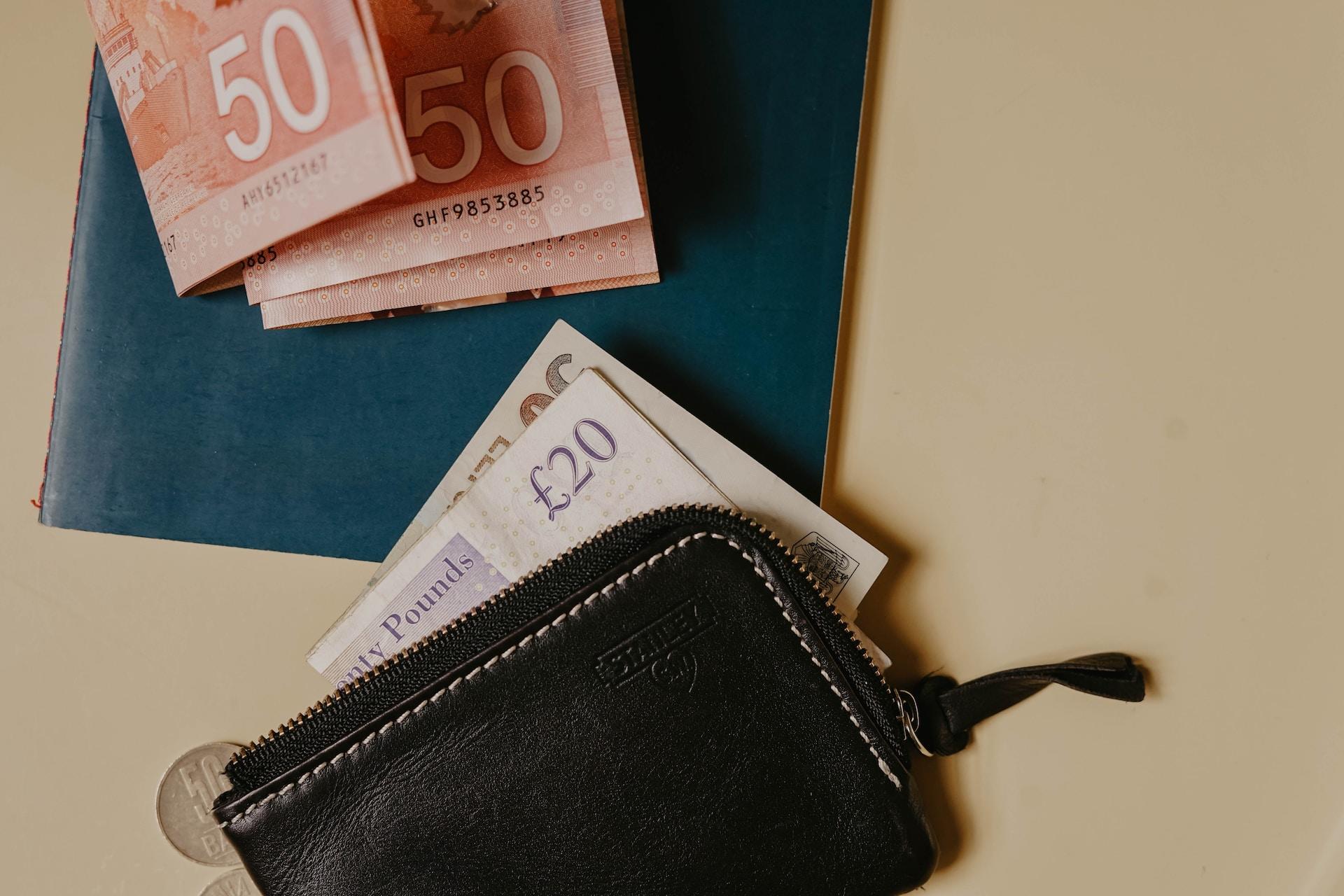

The pound sterling is a lot more than just the currency of the United Kingdom. It’s one of the longest-running symbols of British trade, politics, monarchy, and economic power. Used today as GBP, the pound has passed through more than a thousand years of change. In a way, the history of the pound tells a wider story about Britain as a nation itself. Over a multitude of years, it has helped finance various wars, been vital in supporting financial trade, survived many financial crises, and adapted to a new modern global economy.
The pound sterling can be traced back to Anglo-Saxon England where it started out as a unit of account based on a weight of silver, which was traditionally divided into 240 silver pennies. While it has changed a lot since medieval times, it remains the official currency of the United Kingdom and is widely regarded as the oldest currency still in use today.
c. 8th century
Silver pennies become central to Anglo-Saxon currency
This helped establish the pound as a unit of account linked to silver weight.
1066 onwards
Norman rule continues and refines England’s monetary system
The pound, shilling, and pence system became more formalised over time.
1489
Henry VII introduces the gold sovereign
Often seen as England’s first £1 coin
1694
The Bank of England is founded
Banknotes and central banking became increasingly important to the British monetary system.
1816
Britain formally adopts the gold standard
The pound sterling value became closely tied to gold, helping strengthen confidence in the currency.
1931
Britain leaves the gold standard
The pound was no longer fixed to gold, giving monetary policy more flexibility.
15 February 1971
Decimal Day
The old system of pounds, shillings, and pence was replaced by 100 new pence to the pound.
1992
Black Wednesday
The pound left the European Exchange Rate Mechanism after intense market pressure.
2016
Brexit referendum
Political uncertainty caused major movement in the pound sterling value.
Today
The pound operates as a free-floating global currency
Its value is influenced by interest rates, inflation, trade, economic growth, and market sentiment.


🏛️ Origins and Early Development
If you had lived in England during the eighth century, the chances are that most of the money you handled would have been simple silver pennies. They were small, practical, and increasingly common as trade grew between towns and kingdoms. King Offa of Mercia, who ruled from 757 to 796, is often credited with introducing this early form of currency1.
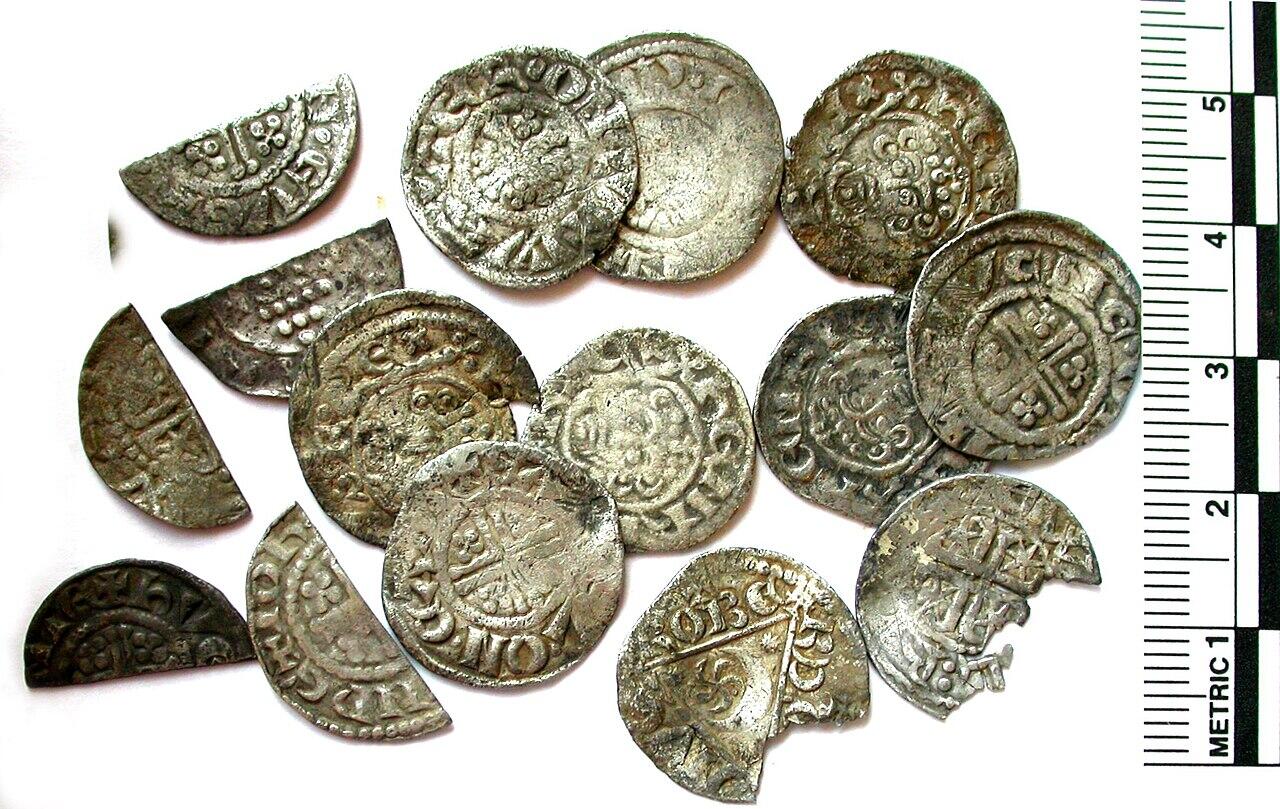
The pennies produced during his reign were made to a more consistent standard, making trade easier across different parts of England.
Confusingly, the pound itself wasn’t actually a coin at all back then. Instead, it referred to a way of measuring larger amounts of said money (chiefly 240 silver pennies, to be exact2). This made recording transactions a lot easier for merchants and landowners as they didn’t have to waste time counting every individual coin.
The £ symbol comes from the Latin word libra, which referred to a unit of weight.
Norman Conquest and Monetary Reforms
When William the Conqueror took the English throne in 1066, he inherited a currency system that already worked reasonably well. Rather than deciding to completely overhaul it, the Normans decided to keep the silver penny at the heart of English trade and taxation instead.
In fact, William retained much of the existing coinage system, including many of the same mints and moneyers who had operated under the Anglo-Saxon kings. English silver pennies continued to be produced much as they had been before the conquest, allowing trade and taxation to continue with relatively little disruption at all.
Medieval Money Fact
For much of the medieval period, most people rarely handled large amounts of money. A single silver penny could buy a surprising amount compared with its purchasing power today, making it the coin that most everyday people encountered.
👑 Evolution Through the Middle Ages
By the late Middle Ages, England's economy had become far more complex than it had been during the Anglo-Saxon and Norman periods. Trade was expanding, and towns were growing day by day, making larger financial transactions more and more common. Although silver pennies were still around, gold was slowly beginning to play a larger role in the monetary system too.
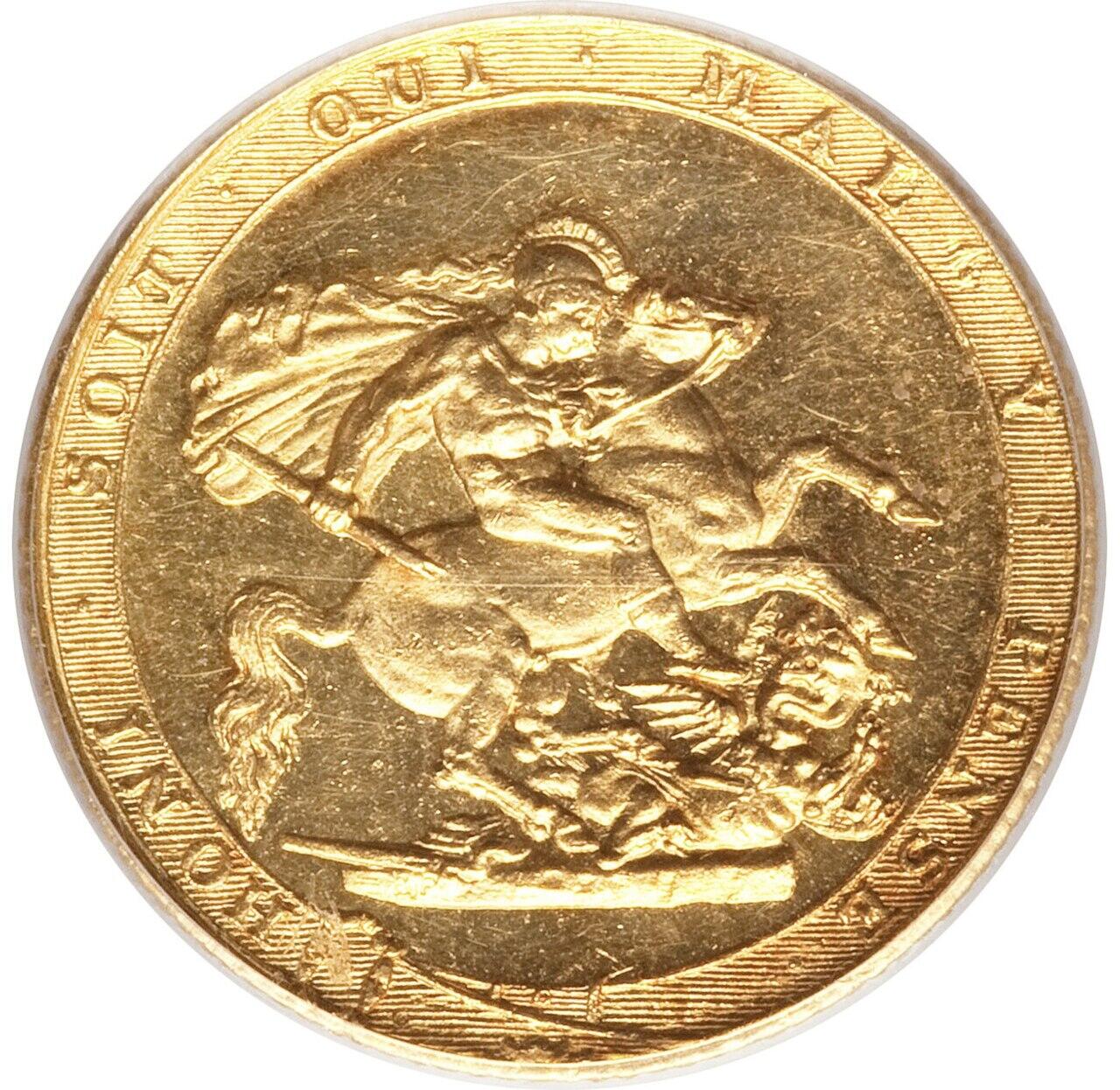
For instance, wealthier merchants and nobles often preferred gold coins for larger transactions because they were worth significantly more than silver currency. Another major milestone came in 1489 when King Henry VII introduced the Sovereign, a gold coin valued at one pound, or 20 shillings. While the pound had existed as a unit of account for centuries, this was the first English coin to carry a value of one pound. The coin was also a symbol of Tudor authority, featuring Henry seated on a throne holding an orb and sceptre.
Penny
The penny remained the coin most people used on a daily basis. Small purchases, wages, and market transactions were typically paid in silver pennies.
Noble
The gold noble appeared during the reign of Edward III and became an important coin for larger payments and overseas trade.
Sovereign
Introduced by Henry VII in 1489, the Sovereign was valued at 20 shillings (£1). It reflected both England's growing wealth and the strength of the Tudor monarchy.
The Great Debasement
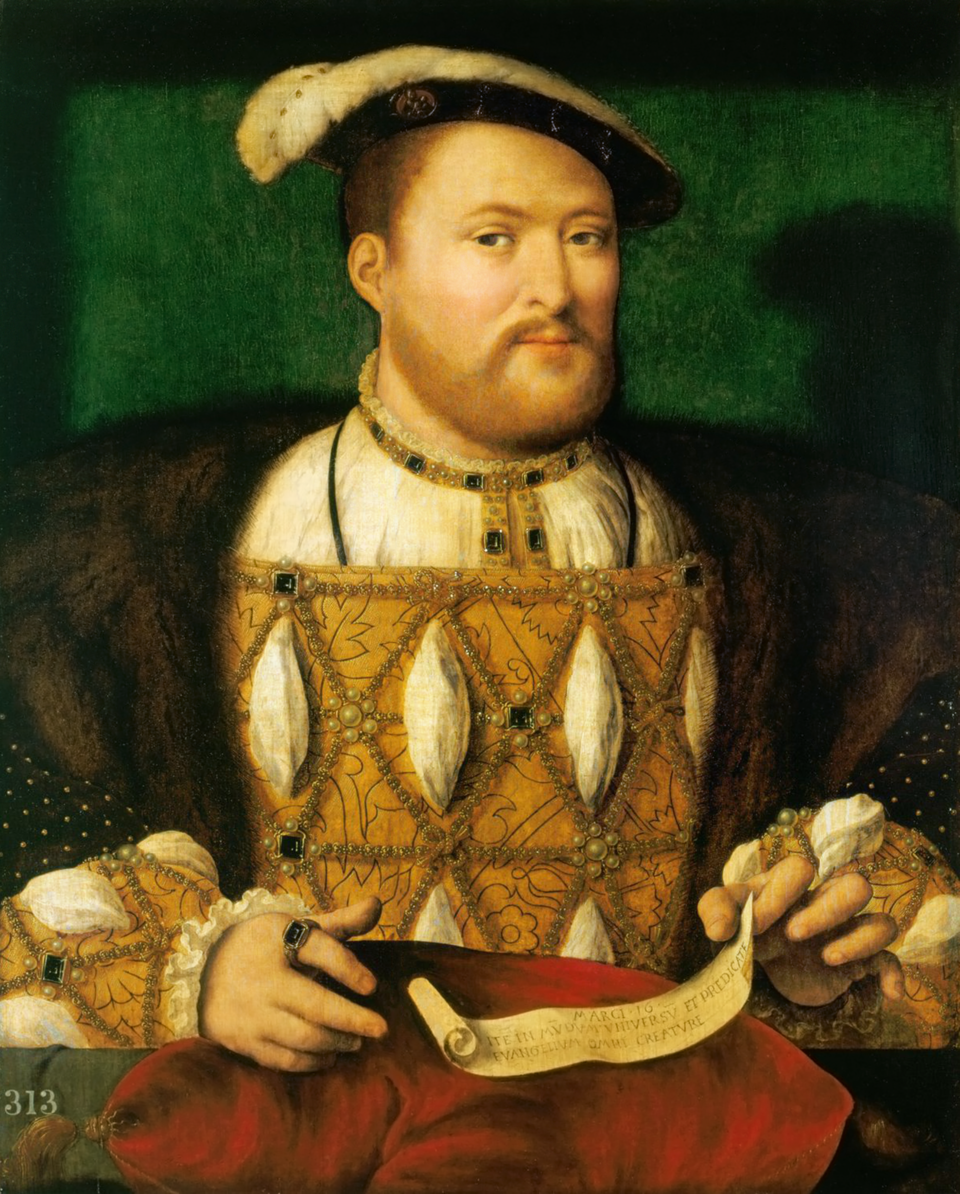
During the reign of Henry VIII (starting in 1544), the crown would begin reducing the amount of silver and gold used in coins while keeping their overall face value the same. This policy (which later gained the infamous title of the Great Debasement) was largely introduced as a means to raise money for ongoing expensive military campaigns against Scotland and France.
At first glance, the new coins didn't look very different. The problem was that once people began to realise the coins contained less silver, many chose to keep the older, higher-quality coins and spend the newer ones instead. As a result, confidence in the currency slowly weakened, leading a rise in prices.
As the coins passed from hand to hand, wear gradually altered parts of the King's portrait, particularly around the nose. Before long, people began referring to Henry as "Old Coppernose" - a nickname that has survived for centuries.
🪙 The Gold Standard and Industrial Era
By the early nineteenth century, Britain was emerging from years of conflict with Revolutionary and Napoleonic France. The wars had placed enormous strain on government finances, and there was growing demand for a more stable monetary system that could support an expanding economy.
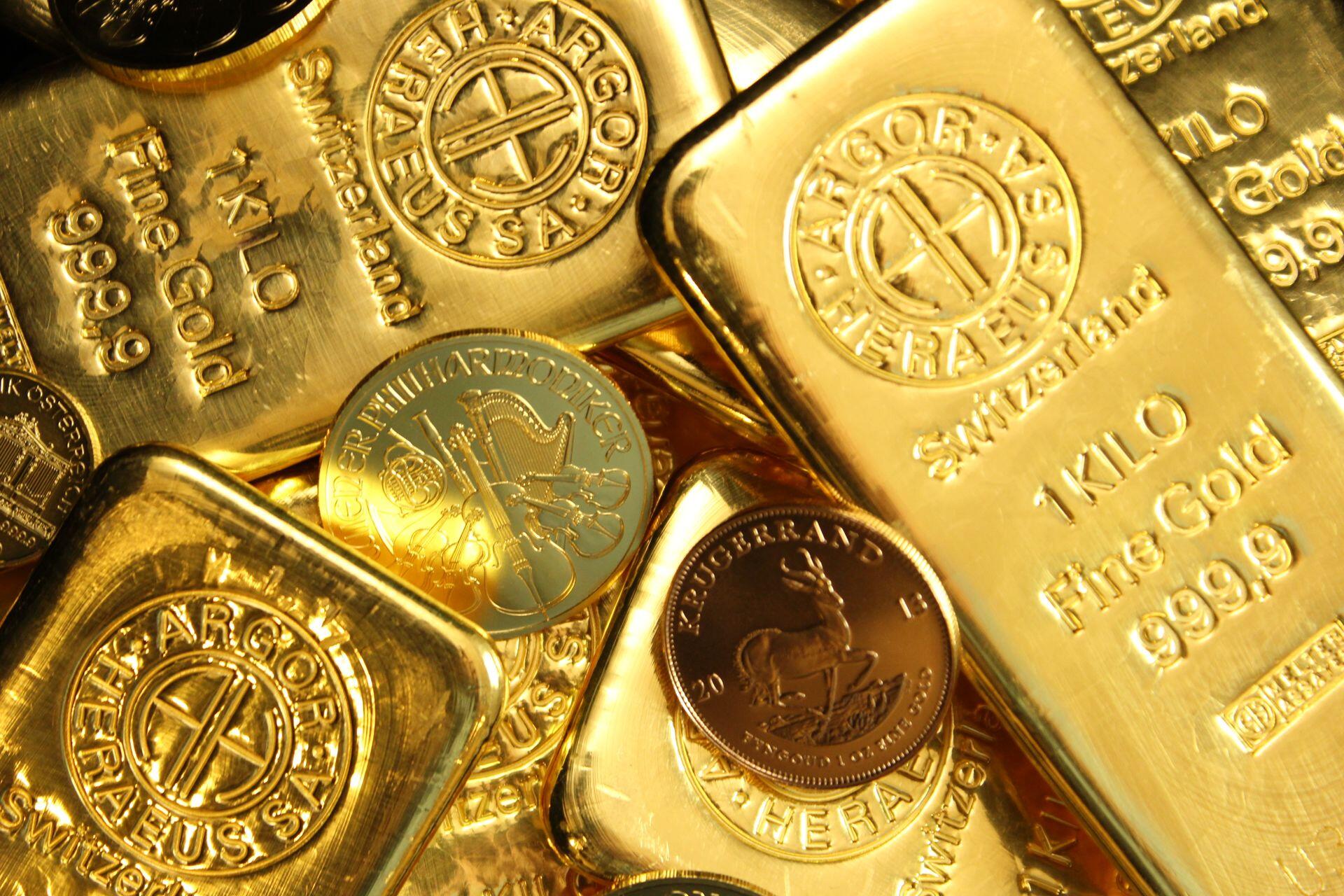
One of the most significant developments in the history of the pound came in 1816 with the introduction of the Coinage Act. This formally placed Britain on the gold standard, linking the value of the pound to a fixed amount of gold.
For businesses and investors, this brought a greater degree of certainty. If the value of the pound remained tied to gold, it became easier to calculate prices, make investments, and trade with partners overseas. At a time when Britain was becoming a leading industrial nation, that stability was highly valuable.
🏦 How the Gold Standard Worked
Gold
The value of the pound was linked to a fixed quantity of gold.
Banknotes
Bank of England notes could be exchanged for gold at an official rate.
Trade
More predictable exchange rates made international trade easier.
The modern gold Sovereign was introduced shortly after the Coinage Act of 1816. Although worth one pound, it contained almost a quarter of an ounce of gold and became one of the world's most recognised gold coins.
Victorian Economic Expansion
The Victorian era was a period of rapid industrial growth. New railways, factories, steamships, and engineering projects transformed the British economy and increased trade dramatically both at home and abroad. As Britain's influence expanded, so did the importance of the pound sterling. By the late nineteenth century, sterling had become one of the world's leading currencies and was widely used throughout the British Empire.
How the Pound Sterling Gained Global Influence
🌍 20th Century Challenges and Changes
The dawn of the 20th century brought with it some serious challenges for the pound sterling. Two massive world wars and a shift in global power all impacted Britain's finances and the value of its currency.
For example, during the First World War, Britain spent staggering amounts of money on military operations, which eventually made it difficult to maintain the gold standard. This would culminate in the nation abandoning the gold standard entirely in 1931.3
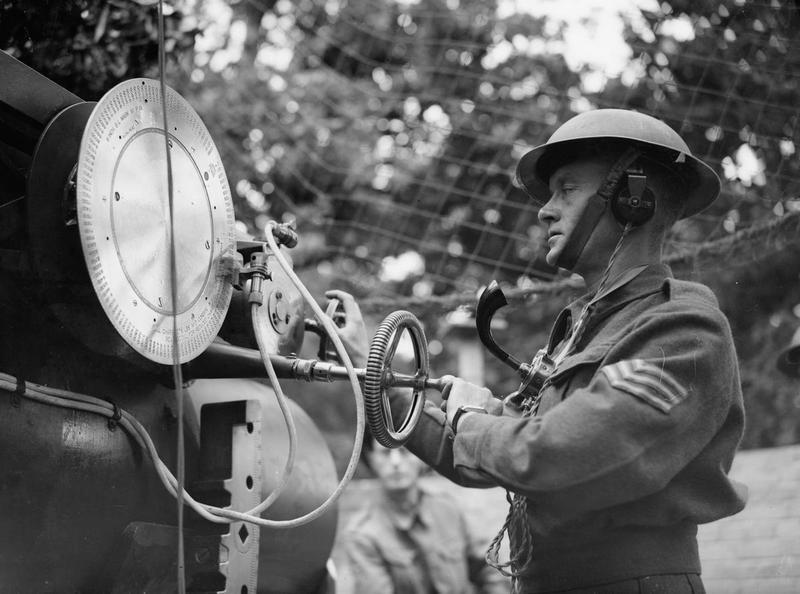
But it wasn’t over yet. The events of the Second World War created even further financial strain. As the conflict came to a close, Britain's economy was left in a much poorer state due to years of wartime spending. At the same time, the United States had emerged as the world's leading economic power. Due to this, the pound no longer held the same dominant position it had enjoyed during the Victorian era.
| Year | Event |
|---|---|
| 1914 | Britain suspends the gold standard during the First World War |
| 1925 | Britain returns to the gold standard |
| 1931 | Britain leaves the gold standard |
| 1939–1945 | Second World War places further pressure on the economy |
Decimalisation and Modernisation
For centuries, British currency had been organised into pounds, shillings, and pence. While familiar to generations of Britons, the system could be confusing, particularly for visitors and businesses carrying out complex calculations. Everything changed on 15 February 1971, a date now known as Decimal Day. The old system was replaced with a simpler structure based on 100 pence to the pound.
What Changed on Decimal Day?
- Shillings and old pence were phased out: The traditional pounds, shillings, and pence system gradually gave way to a decimal structure based on 100 new pence to the pound.
- New coins entered circulation: Decimal halfpenny, one penny, two pence, five pence, ten pence, and fifty pence coins were introduced to help people adapt to the new system.
- Businesses had to update their records: Shops, banks, and companies across the country changed price lists, accounting systems, cash registers, and financial documents.
📈 Contemporary Era and the Pound Sterling
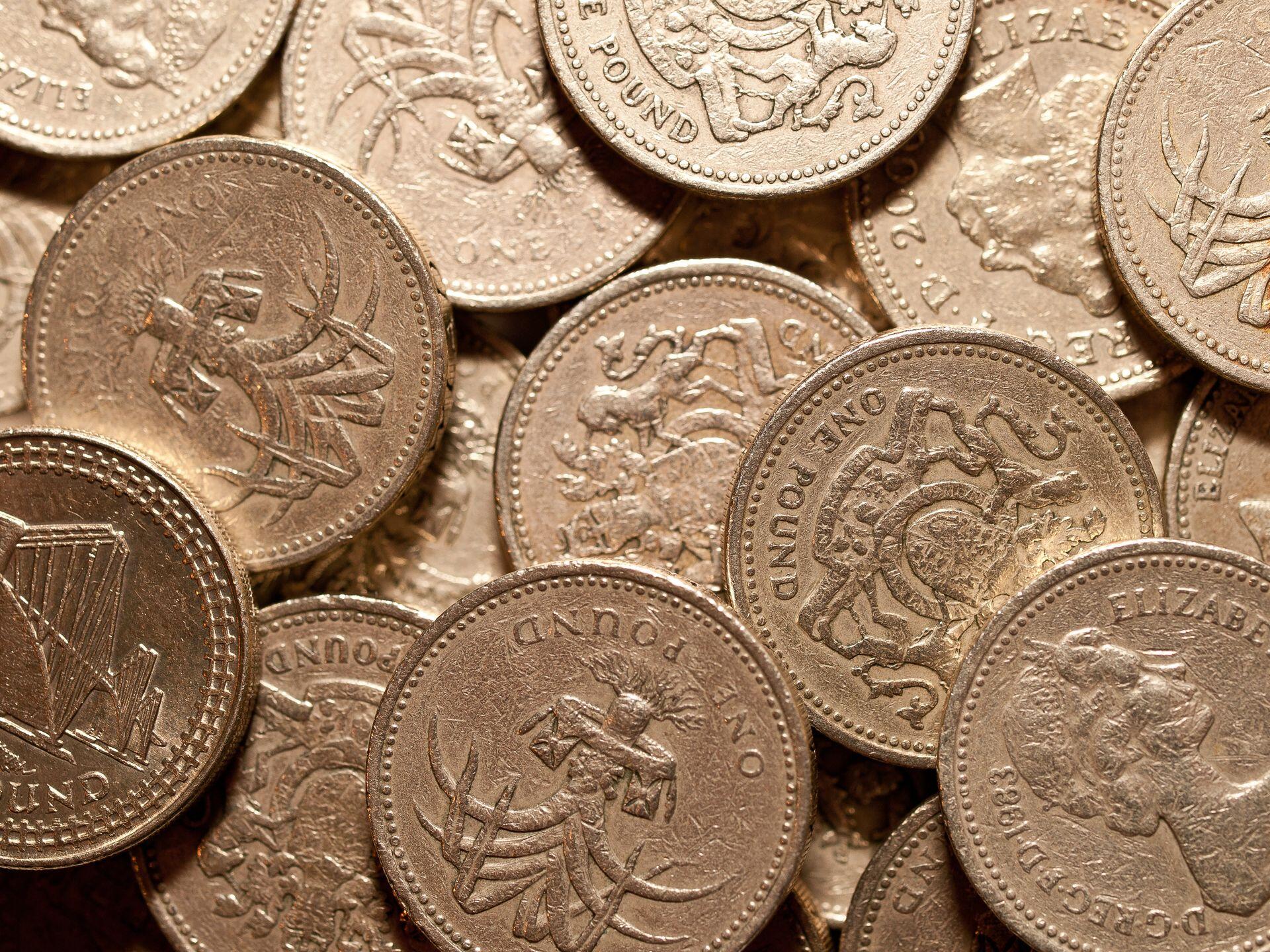
Following decimal day, the pound entered a financial world that looked a lot different from the one that had been in place a century earlier. Currency values were now moving more freely in response to events at home and abroad, and sterling occasionally experienced sharp swings against other major currencies.
September 1992 became known as Black Wednesday after Britain was forced to withdraw from the European Exchange Rate Mechanism (ERM). The government had spent billions trying to keep the pound within agreed exchange rate limits, but intense pressure from financial markets eventually made that impossible.
💷 The Pound in the 21st Century
The twenty-first century has been another eventful period in the history of the pound sterling.
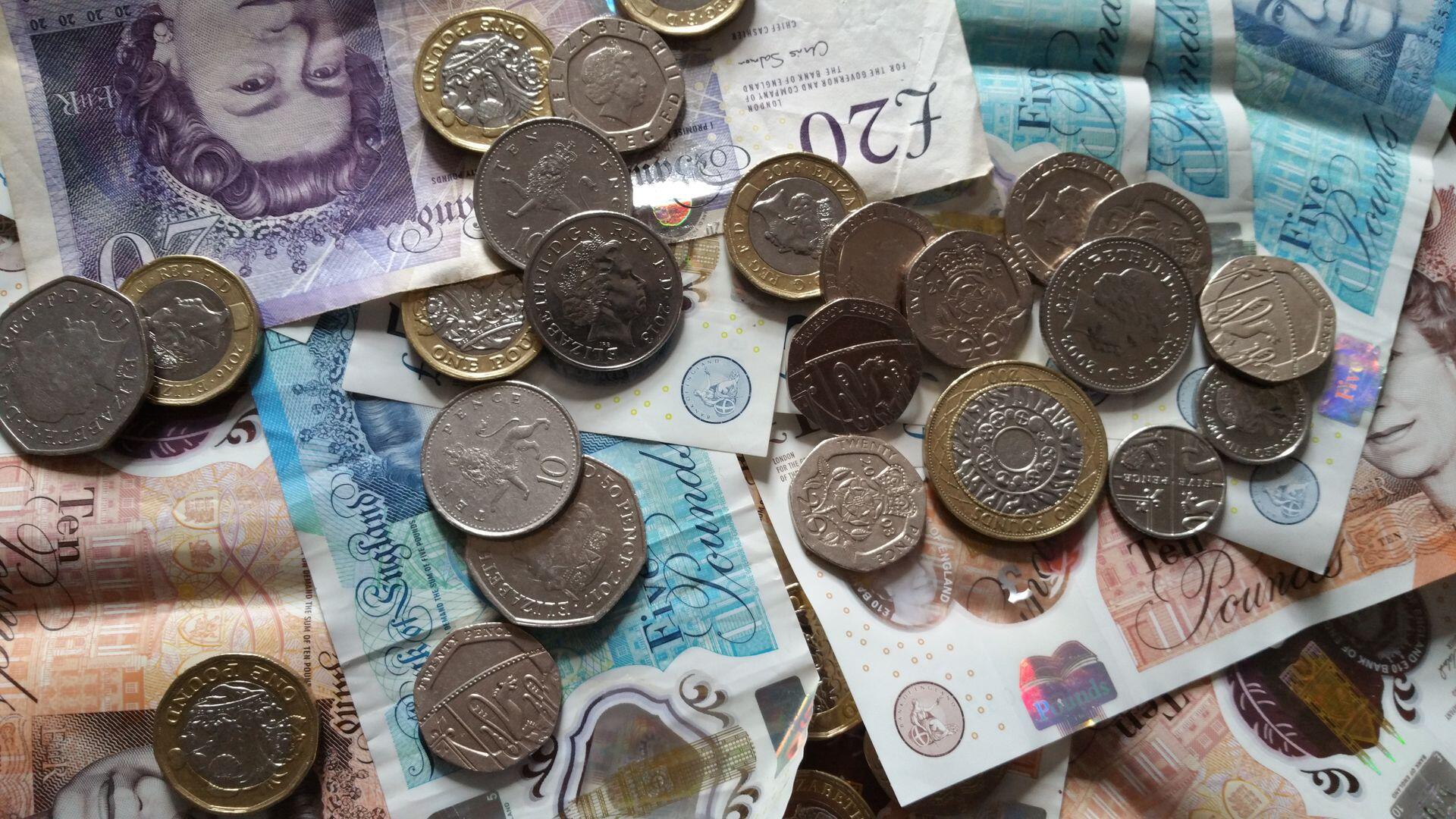
The global financial crisis in 2008, the Brexit referendum in 2016, and the COVID-19 pandemic all caused the pound to fluctuate as financial markets reacted to changing economic conditions. More recently, rising inflation and higher interest rates have continued to affect its value as well.
2008
The global financial crisis shook banking systems and financial markets, causing sterling to weaken against several major currencies
2016
The Brexit referendum result triggered one of the pound's sharpest short-term falls in decades as markets reacted to the vote.
2020
The COVID-19 pandemic disrupted global trade and economic activity, creating further uncertainty for the pound.
2022
Inflation reached its highest level for decades, prompting the Bank of England to raise interest rates several times.
Another recent development has been the gradual move by some countries to rely less on the US dollar for international trade, thus placing greater focus on other established currencies, including the pound sterling.
🔮 What's Next For The Pound?

If the history of the pound sterling teaches us anything, it's that change is nothing new. Over the last 1,200 years, it has evolved from hand-struck coins and pennies to paper banknotes, polymer notes, and entirely digital payments. Each generation has seen the currency adapt to new economic realities.
Fewer people now rely on cash for everyday purchases, while contactless payments, online banking, and digital wallets have become part of daily life. Nobody knows exactly what the future of the pound sterling will look like in a hundred years. What seems certain, however, is that the pound will continue to evolve - just as it has since the days of King Offa.
References
- Lowther, E. (2014, February 14). A short history of the pound. BBC News. https://www.bbc.co.uk/news/uk-politics-26169070
- Pounds, shillings and pence. (n.d.). https://www.royalmintmuseum.org.uk/journal/history/pounds-shillings-and-pence/
- Rush, C. (2025, March 18). The British pound: a proud symbol of the UK’s rich history. Beyond Borders. https://www.remitly.com/blog/en-au/world-currencies/british-pound/
Summarise with AI:
Did you like this article? Leave a rating!


 Loading...