


When you’re building a foundational knowledge of any language, there are certain building blocks that can make up a conversation and get you to a level where you can chat to people or understand conversations.
One of the first things you are likely to learn in Italian lessons is the days of the week. In terms of foundational knowledge, the days of the week are up there with things like the weather and how to tell the time. If you’re going to spend any significant level of time in Italy, you’ll need this knowledge to get by (and make plans, of course).
Italian days of the week are:
Monday - lunedì
Tuesday - martedì
Wednesday - mercoledì
Thursday - giovedì
Friday - venerdì
Saturday - sabato
Sunday - domenica
Below, we’ll dive more into the information about the days of the week in Italian, the origin of the words used, and how to use these in conversation.
The important things for you to master are pronunciation, and remembering which day is which. They are quite different from the English words!


Italian Days of the Week
Let’s dive into the crucial knowledge, the days of the week and crucially how you should say these as part of your basic Italian vocabulary.
Pronunciation is quite similar in some of the words. For instance, many of the words for the days of the week end in “di” which is an old Italian word for “day”. Makes sense.
The days of the week and their pronunciation can be found below:
| Days of the week in English | Days of the week in Italian | Italian pronunciation |
|---|---|---|
| Monday | lunedì | loo-neh-dee |
| Tuesday | martedì | mahr-teh-dee |
| Wednesday | mercoledì | mehr-koh-leh-dee |
| Thursday | giovedì | joh-veh-dee |
| Friday | venerdì | veh-nehr-dee |
| Saturday | sabato | sah-bah-toh |
| Sunday | domenica | doh-meh-nee-kah |
The Origin of the Days of the Week

Most of the days of the week come from the names of ancient gods! People don’t necessarily think about this when discussing the days. However, it can be helpful to remind yourself of how the days were named, and this could even help to cement this basic Italian in your brain.
Like so many words, most of the days of the week in Italian come from Latin, an ancient (and now dead) language. This is why there are so many origins that relate to the ancient Latin gods.
Monday - Lunedì
Derived from the Latin phrase "Dies Lunae," meaning "Day of the Moon." The Italian name "Lunedì" directly translates to "Moon Day." It is named after the celestial body the Moon, symbolising the first day of the week in Italian tradition.
Tuesday - Martedì
Originating from the Latin term "Dies Martis," which translates to "Day of Mars." Mars, known as the Roman god of war and agriculture, lends his name to this day. In Italian, "Martedì" reflects this association, signifying the day dedicated to Mars.
Wednesday - Mercoledì
Rooted in the Latin expression "Dies Mercurii," meaning "Day of Mercury." Mercury, the Roman god of commerce, travel, and communication, is honoured with this day. "Mercoledì" in Italian continues this tradition, acknowledging Mercury's influence.
Thursday - Giovedì:
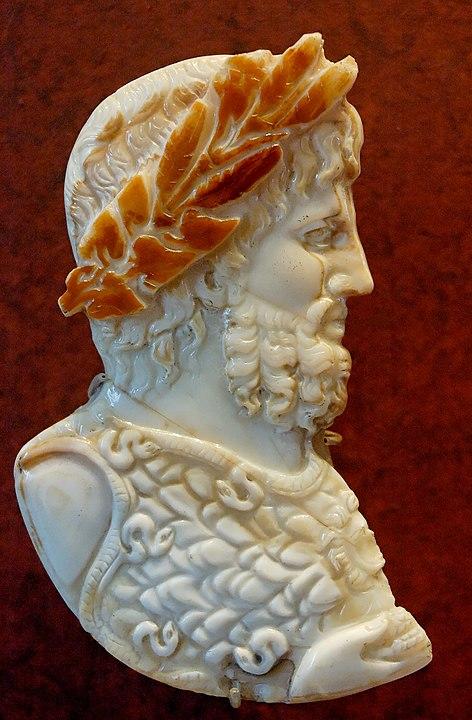
Derived from the Latin term "Dies Iovis," which translates to "Day of Jupiter." Jupiter, the supreme deity in Roman mythology, associated with thunder, lightning, and the sky, lends his name to this day. In Italian, "Giovedì" reflects the reverence for Jupiter.
Friday - Venerdì
Rooted in the Latin phrase "Dies Veneris," meaning "Day of Venus." Venus, the Roman goddess of love, beauty, and fertility, is honoured with this day. In Italian, "Venerdì" continues to celebrate Venus and her attributes.
Saturday - Sabato
Derived from the Hebrew word "Shabbat," signifying the Jewish Sabbath or day of rest. Over time, the term was adopted into Italian to represent the seventh day of the week, traditionally observed as a day of rest and worship. You will notice that this is quite different when compared to the other words, and this is something that is quirky about the evolution of language. Words from other cultures can work their way into the language.
Sunday - Domenica
Derived from the Latin phrase "Dies Dominicus," meaning "Day of the Lord." Sunday holds special significance in Christianity as the day of rest and worship, commemorating the resurrection of Jesus Christ. In Italian, "Domenica" reflects this religious tradition.
There we have the origins of all seven days of the week, but that alone may not be the most useful information. You’ll also need to know what to do with those words, and how to put them into a sentence.
Capitalisation of the Days of the Week
Here is another of those interesting quirks. In English, we always capitalise the first letter in the days of the week, but this is not the case in Italian. The Italian alphabet is even a little bit different in the Italian language. While you may be so used to writing a capital letter at the start of these words, it is something you’ll have to get used to when reading and writing Italian.
Incorporating Days into Everyday Conversations
In English, you use the days of the week all the time without thinking of it. You might be asking what somebody is doing on Saturday, what the weather was like on a certain day of the week, or whether they are looking forward to a show next Wednesday.
The guide below has some excellent pronunciation tips as well as examples of the days of the week in use.
So, how do you incorporate the days of the week into conversations? Well, there are many ways, and different phrases to ask people questions or otherwise discuss the days of the week.
Oggi è lunedì, iniziamo una nuova settimana di lavoro.
Translation: “Today is Monday, let's start a new workweek.” This is an example of a sentence that explains the day of the week first. “Oggi è lunedì” means that today is Monday.
Andremo al cinema mercoledì sera per vedere il nuovo film.
Translation: “We will go to the cinema Wednesday evening to watch the new movie.” It is the “Andremo” section that means “we’ll go” and then “al cinema” shows the destination, before getting to the day, mercoledì.
Venerdì sera andremo a cena fuori per festeggiare il compleanno di mio fratello.
Translation: “Friday evening, we will go out to dinner to celebrate my brother's birthday.” You may notice that “sera” means evening in this context. This is another differentiator that you may need to learn when you are making plans in the Italian language, along with things like telling the time.
Domenica scorsa siamo andati al parco per un picnic con la famiglia.
Translation: “Last Sunday, we went to the park for a picnic with the family.” The words are in a different order to the way in which we would say them. “Scorsa” means last, so instead of saying “last Sunday” the Italian method is to say the name of the day first, effectively meaning “Sunday last”.
These are just a few simple examples of the days of the week in Italian being used in everyday conversation. These sentences showcase the use of the days of the week in various contexts, such as scheduling events, making plans, and describing routines in Italian daily life.
How to Remember the Days of the Week
Like all aspects of Italian vocabulary, it is best if you can find methods and tricks to remember the details.
A lot of the learning resources and materials that are aimed at children. Though this can feel a bit like going back to primary school, the learning resources shouldn’t be ignored just because you’re a bit old for learning silly songs. In fact, this silly song might just be a great way to learn (it certainly does get stuck in your head):
The fact that Italian words for the days of the week come from celestial words, gods and goddesses can also help greatly. With remembering. Associating each day with its corresponding celestial body or deity can be a helpful memory aid. For example, "Lunedì" (Monday) can be remembered as the day of the Moon, "Martedì" (Tuesday) as the day of Mars, "Mercoledì" (Wednesday) as the day of Mercury, "Giovedì" (Thursday) as the day of Jupiter, and "Venerdi" (Friday) as the day of Venus. Visualising these associations can make it easier to recall the Italian names for the days of the week.
Learning Italian With Superprof
Ready to learn Italian? Do you want somebody to go through the different steps with you, from numbers and letters through to advanced words and sentences, and help you to create a personalised and individual learning plan. Italian tutors here at Superprof are the ideal solution. You can book a session at a time and date to suit you, and choose between online lessons or learning in person with a tutor. Convenient, reliable, and the ideal way to learn, even for absolute beginners.
Summarise with AI:
Did you like this article? Leave a rating!

 Loading...
