


"Research is to see what everybody else has seen, and to think what nobody else has thought." -Albert Szent Gyorgyi
If the previously mentioned quote is correct, why would anyone want to research things that have already been observed by others? Well, the answer is quite simple: to uncover truths that no one has ever uncovered.
Whether you are researching ways to save the environment or whether you want to discover methods of cloning species, research is necessary before any new techniques are tested and successfully executed.
It's important to state that the majority of research in laboratories is in the sectors of chemistry, physics, and biology. Therefore, it's pretty standard for persons with a chemistry degree to work at a lab conducting research.
So, without further ado, in today's article, we're going to take a look at the types of employment positions that are available in research for people with chemistry degrees.








What is Research Chemistry?

Since the field of chemistry is so diverse and there are so many different subdisciplines to specialise in, most people are unfamiliar with all the classifications of chemistry. For example, did you know that research chemistry is a subgenre of chemistry?
While not commonly known as "research chemistry", chemist graduates who work in research are engaged in the techniques of research and development in a lab setting.
Research chemistry is a very general field that, in a way, encompasses all subdisciplines of chemistry when they are taken a look at more closely and researched.
Through research chemistry, many new things are discovered and developed, such as the following:
- Drugs and medicine,
- General everyday products,
- Electrical goods,
- Food and drink,
- Cosmetics.
Research chemists are also known as research scientists who employ other academic disciplines such as biology, physics, and other sciences.
The fact of the matter is that everything that involves research in the laboratory is included in research chemistry.
Why Work in Research as a Chemistry Graduate?

Because chemistry graduates have so many jobs, why should they limit their options and work in research? Are there any great reasons to work in chemistry research? Of course!
Without further delay, the following are three of the most irrefutable motives to work in research as a chemistry graduate:
- A Thrilling Career: if you want to experience groundbreaking work that will change the world and instruct millions of people, a career in research and development is for you. Researchers spend countless hours in the lab examining the biological matter, among other things, hoping to make our understanding of a specific field more extensive. Discovering something new is thrilling and keeps researchers going.
- Diverse Job Opportunities: in the sector of scientific research, there are so many exciting career possibilities that keep things lively, especially if you have a degree in chemistry. Research chemists may find work in either the private or public sectors. Also, it isn't uncommon for researchers to work in different labs throughout their careers.
- Constantly Learning New Things: if you thought that receiving a diploma in chemistry from a reputable UK university made you an expert, you need to think again. Why's that? Well, by working in research and exploring new things, you are frequently reminded about how little we actually know about the natural world and how much there is to learn. So the prospect of constantly acquiring more knowledge as a researcher is extremely exciting and fulfilling.
Did the previously mentioned reasons convince you? Do you want to work in research? If you aren't already studying for a university degree and would like to consider research chemistry, read the following subheading to learn how it can be done!
Find good online chemistry tutor here on Superprof.
How to Become a Chemist
As is the case with any academic discipline, to become qualified to work as a chemist, specific steps need to be taken. While not all stages of studying to become a chemist are easy, they are filled with knowledge that can be used across many domains, such as research and development.
The first step to becoming a chemist starts in the last few years of secondary school at a GCSE or A-Level stage. During Key Stage 4 and 5, UK-based high schoolers must know what they would like to study at university and prepare themselves effectively. To study chemistry at a further education centre, pupils need to boast excellent grades in scientific disciplines such as chemistry, physics, biology, and maths.
Without fantastic test scores in scientific topics, it'll be challenging for students to advance to the next stage, studying chemistry at a university level.
Most entry-level jobs for chemists require at least a Bachelor's degree in chemistry or a similar topic. Therefore, a BSc in Chemistry from a high-quality university needs to be studied. Also, it's worth stating that for chemists who want to engage in more extensive research, a Master's or Ph.D. in chemistry might be required.
While education is mandatory, there are also some skills that aspiring chemists should hone if they want to work in research. Such as? The following are some abilities that all chemists should possess:
- Problem-solving skills,
- Attention to detail,
- Logical thinking,
- Analytical planning,
- Patience,
- Organisation abilities.
But, what are some of the potential jobs open to research chemists? Take a look at the following subheading to find out more!
Potential Jobs for Research Chemists
If you possess a degree in chemistry from a reputable university in the United Kingdom, you will most likely find a job very quickly. However, if you're new to job hunting, you might not know where to start looking. So, without further delay, the following list features the most common employment sectors for research chemists:
- Chemical companies
- Government labs,
- Privately owned and run labs,
- Environmental agencies,
- Public funded research councils,
- Universities,
- Food and drink manufacturers,
- Material companies,
- Consumer goods manufacturers,
- Pharmaceutical companies.
Research positions in the previously mentioned sectors may be either part-time or full-time. It's important to state that sometimes, research positions for chemists are under contract for a year and may be renewed or not.
But, what are the typical job tasks of a research chemist? Keep on reading to find out more!
The Average Job Tasks for a Research Chemist
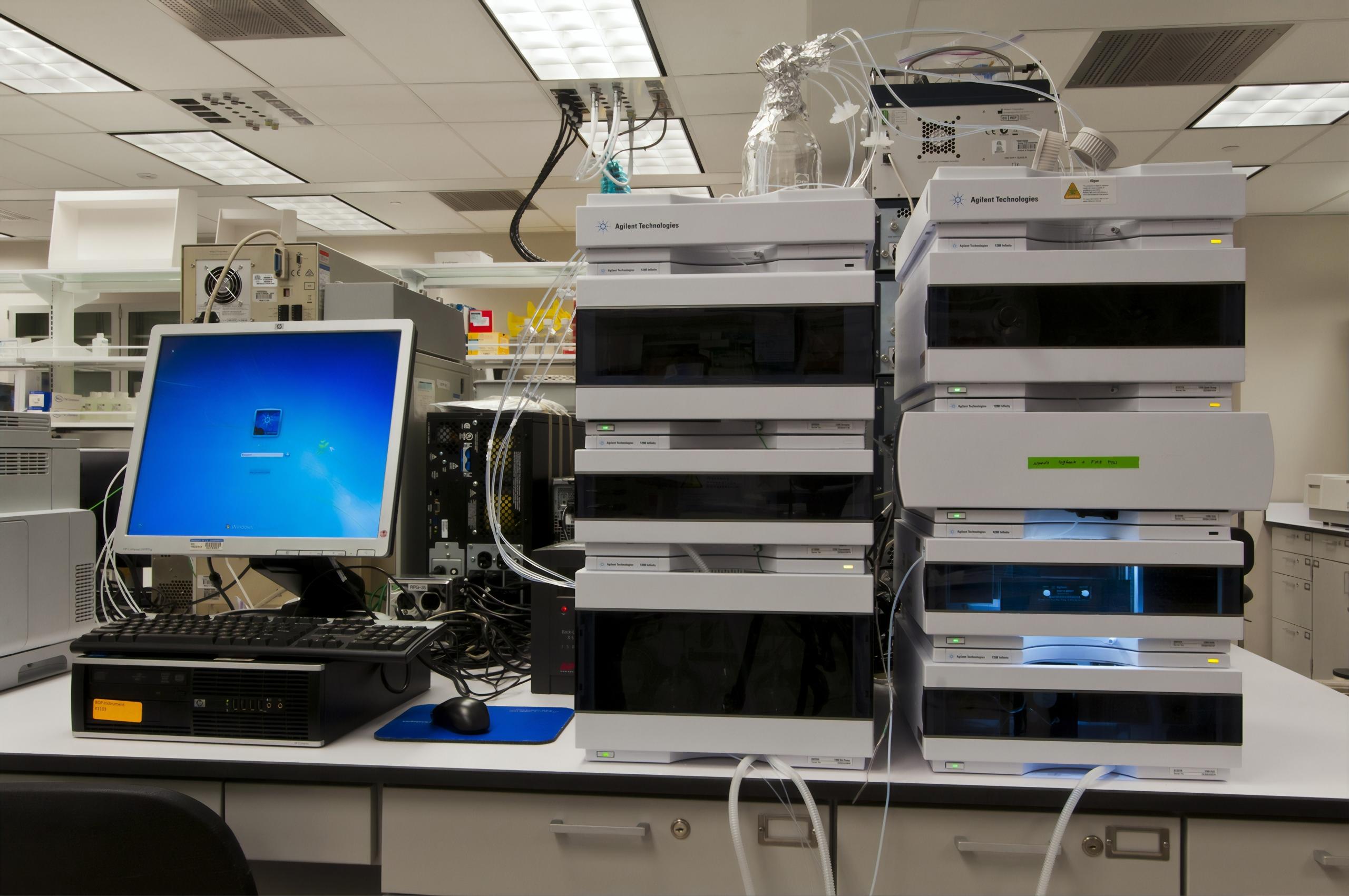
Depending on your employer or the years of experience you have in the field as a research chemist, the job responsibilities and tasks might change. Nonetheless, since the primary setting for research chemists is in the lab, specific work tasks tend to repeat themselves and be the same from one field to another. Such as?
The following are some everyday employment responsibilities for chemists who are working in research:
- Working with a team daily in a research laboratory,
- Setting up laboratory equipment and conducting tests,
- Recording and analysing data,
- Presenting results to senior staff,
- Researching and writing papers and reports,
- Supervising members of the junior team that may include laboratory technicians,
- Keeping up to date with relevant scientific and technical developments,
- Presenting research to others at meetings, seminars, and conferences.
Suppose you're a chemist working in the research sector for a private or public company. In that case, you are very likely to complete all or at least a few of the previously mentioned job responsibilities.
For some amateur chemists, it has proven beneficial to apply for and engage in internships where they may be trained and observe the daily routines of research chemists.
Find good A level chemistry tuition here on Superprof.
Tips to Succeed as a Research Chemist
If you're studying research chemistry or you have just accepted an entry-level job as a chemist for the first time, you might be feeling a little overwhelmed and unsure of where to start and what to do.
So, to make the process of starting as a research chemist more manageable, we have thought of some helpful suggestions. Such as? The following are a few tips that every new chemist or research chemist in training should consider:
- Go to the Lab: to become experienced using lab tools and materials, it is of the utmost importance to spend as much time as you can in the lab. By prioritising lab time, you are helping yourself get an idea of what research is like.
- Hire a Private Tutor: the personalised approach of private chemistry tutors is highly beneficial to the overall progress of research chemists. In addition, the tips and tricks that experienced chemistry tutors possess are a goldmine of knowledge.
- Ask Questions: you should never be afraid to ask questions to get an idea of how things are and what you should be doing. By asking questions, you will quickly get answers that can make studying chemistry easier.
In conclusion, chemistry graduates should strongly consider working in research and development since it is a blossoming field with many fascinating layers.
Find biology and chemistry tutor here on Superprof.
Summarise with AI:
Did you like this article? Leave a rating!

 Loading...
