

Beatrice Garland is a British poet with a fascinating past. Born in 1938, she has worked as a teacher and a clinician, as well as having a poetry career as a sideline spanning decades. In 2001, she won the National Poetry Prize before taking a break from poetry altogether. Kamikaze is one of the GCSE syllabus poems, along with some of Garland's contemporaries, including Grace Nichols.
Key Takeaways
- Structure: 7 six-line stanzas, free verse, 3 long flowing sentences
- Perspective Shift: From third person to the daughter’s first-person reflection
- Themes: Honour vs shame, patriotism, memory, nature, silence, family
- Language Features: Enjambment, metaphor (“flag”), vivid sensory imagery
- Tone: Quiet, reflective, emotional, ends with unresolved sadness
- Context: Based on Japanese kamikaze pilots in WWII; returning alive brought dishonour
- Comparisons: Strong links with Poppies, Bayonet Charge, The Emigree, Remains



What Is the Kamikaze by Beatrice Garland Poem About?
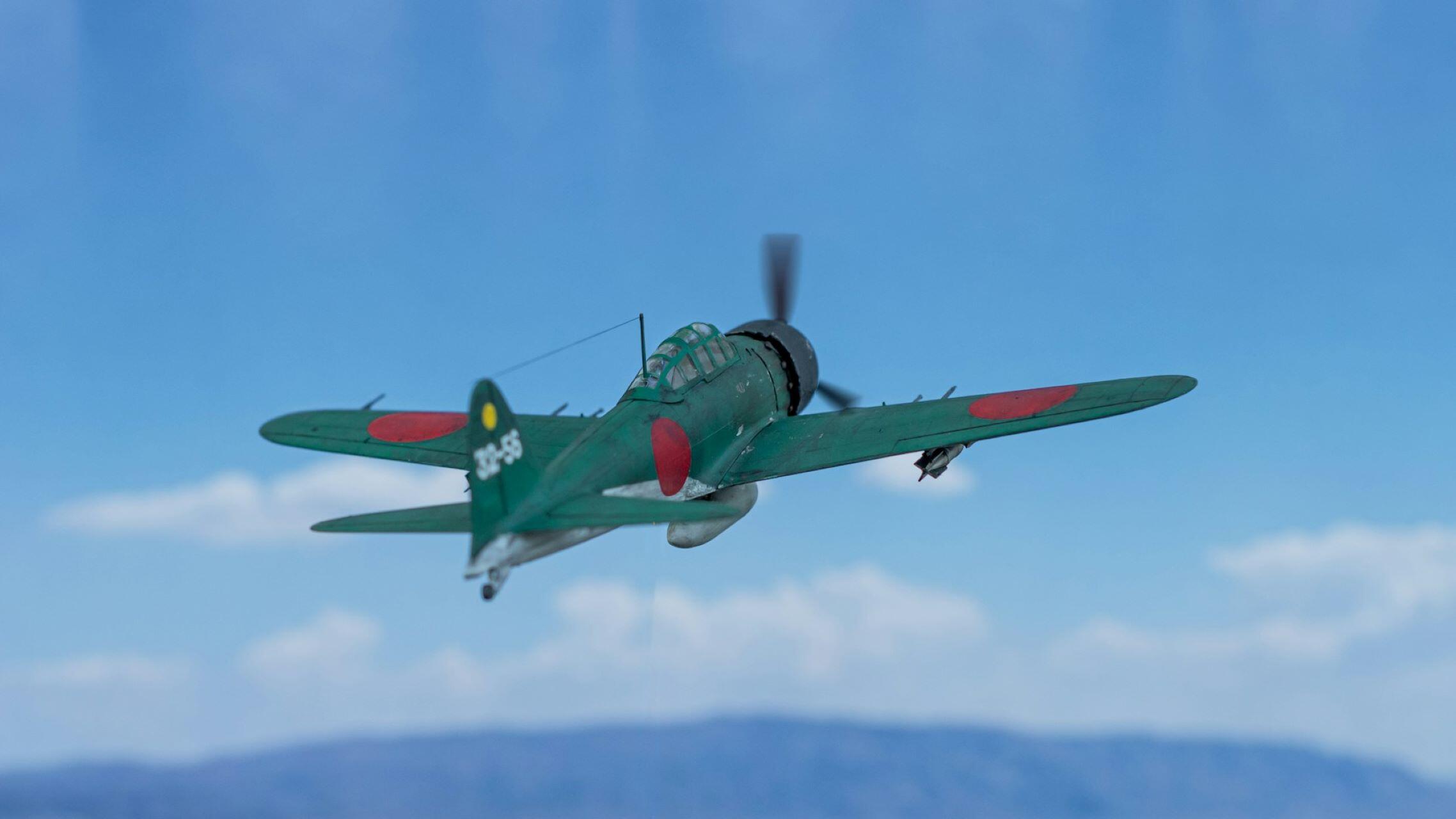
"Kamikaze" is a poem that describes the actions and mindset of the Japanese kamikaze pilots during World War II.
Kamikaze pilots were soldiers who flew aircraft loaded with explosives into enemy ships in suicide attacks. The poem may explore themes such as sacrifice, duty, and nationalism.
The poem may also describe the pilots' thoughts and feelings as they prepared for their missions, as well as the reactions of those around them. It may also explore the cultural and historical context that led to the development of the kamikaze tactic.
It could also be used as a means to examine the impact of war on soldiers and civilians, as well as the concept of sacrifice for one's country.
Kamikaze by Beatrice Garland: Poem Overview
| Feature | Detail |
|---|---|
| Poet | Beatrice Garland |
| Title Meaning | “Kamikaze” = WWII Japanese suicide pilots (“divine wind”) |
| Themes | Patriotism, Shame, Family, Nature, Memory, War |
| Structure | 7 six-line stanzas, free verse, 3 long sentences |
| Tone | Reflective, melancholic, respectful |
| Perspective | Starts in third person, shifts to first person (daughter’s voice) |
| Key Techniques | Enjambment, natural imagery, metaphor, contrast |
| GCSE Comparison Poems | Poppies, Bayonet Charge, The Emigree, Nettles |
Kamikaze by Beatrice Garland
Her father embarked at sunrise
with a flask of water, a samurai sword
in the cockpit, a shaven head
full of powerful incantations
and enough fuel for a one-way
journey into history
but half way there, she thought,
recounting it later to her children,
he must have looked far down
at the little fishing boats
strung out like bunting
on a green-blue translucent sea
and beneath them, arcing in swathes
like a huge flag waved first one way
then the other in a figure of eight,
the dark shoals of fishes
flashing silver as their bellies
swivelled towards the sun
and remembered how he
and his brothers waiting on the shore
built cairns of pearl-grey pebbles
to see whose withstood longest
the turbulent inrush of breakers
bringing their father’s boat safe
– yes, grandfather’s boat – safe
to the shore, salt-sodden, awash
with cloud-marked mackerel,
black crabs, feathery prawns,
the loose silver of whitebait and once
a tuna, the dark prince, muscular, dangerous.
And though he came back
my mother never spoke again
in his presence, nor did she meet his eyes
and the neighbours too, they treated him
as though he no longer existed,
only we children still chattered and laughed
till gradually we too learned
to be silent, to live as though
he had never returned, that this
was no longer the father we loved.
And sometimes, she said, he must have wondered
which had been the better way to die.
Watch Garland read her poem below:
Form
The poem consists of seven stanzas, each with six lines, and features an irregular, unrhymed rhythm. This freedom of form suits the poem as a drifting reminiscence that shifts its focus from one character to another and moves through time. The shape of the poem is then created by the writer's choice to tell or to stop telling details of the events and feelings. The second and third sentences both begin with 'And', helping to create a sense of a story being verbally retold. There is very little punctuation, which maintains the free-form style.
Kamikaze Poem Analysis: Summary and Key Themes
Let's explore some of the themes of the poem and how they tie into the message behind Kamikaze.
Theme 1: Choice and Consequence
The pilot's choice not to spend his life attacking his enemy may have saved lives, but he seems to have made new and more personal enemies out of his wife and family: 'they treated him | as though he no longer existed'. If the poem didn't include the shift of perspective and time at the second sentence, we might not know that the pilot returned from his 'one-way' mission.
This means that there is an air of mystery about his reasons: his daughter imagines why he may have turned around, but in truth, his family do not know. Furthermore, the fact that they never spoke about it suggests that she was unaware whether he regretted his decision to return. The daughter is sure that 'he must have wondered | which had been the better way to die.'
Compare this theme with Bayonet Charge (sudden personal conflict in the face of duty).
Family relations are also explored in another of the poems included in the GCSE syllabus, Nettles by Vernon Scannell.
Honour and Warfare
One of the interesting themes in the poem is that of honour, and of the shame brought upon the pilot when he returned. It is perhaps a commentary on the absurdity of war, brilliantly highlighted by the fact that this man's choices were a suicide mission or shame on his whole family and isolation from loved ones.
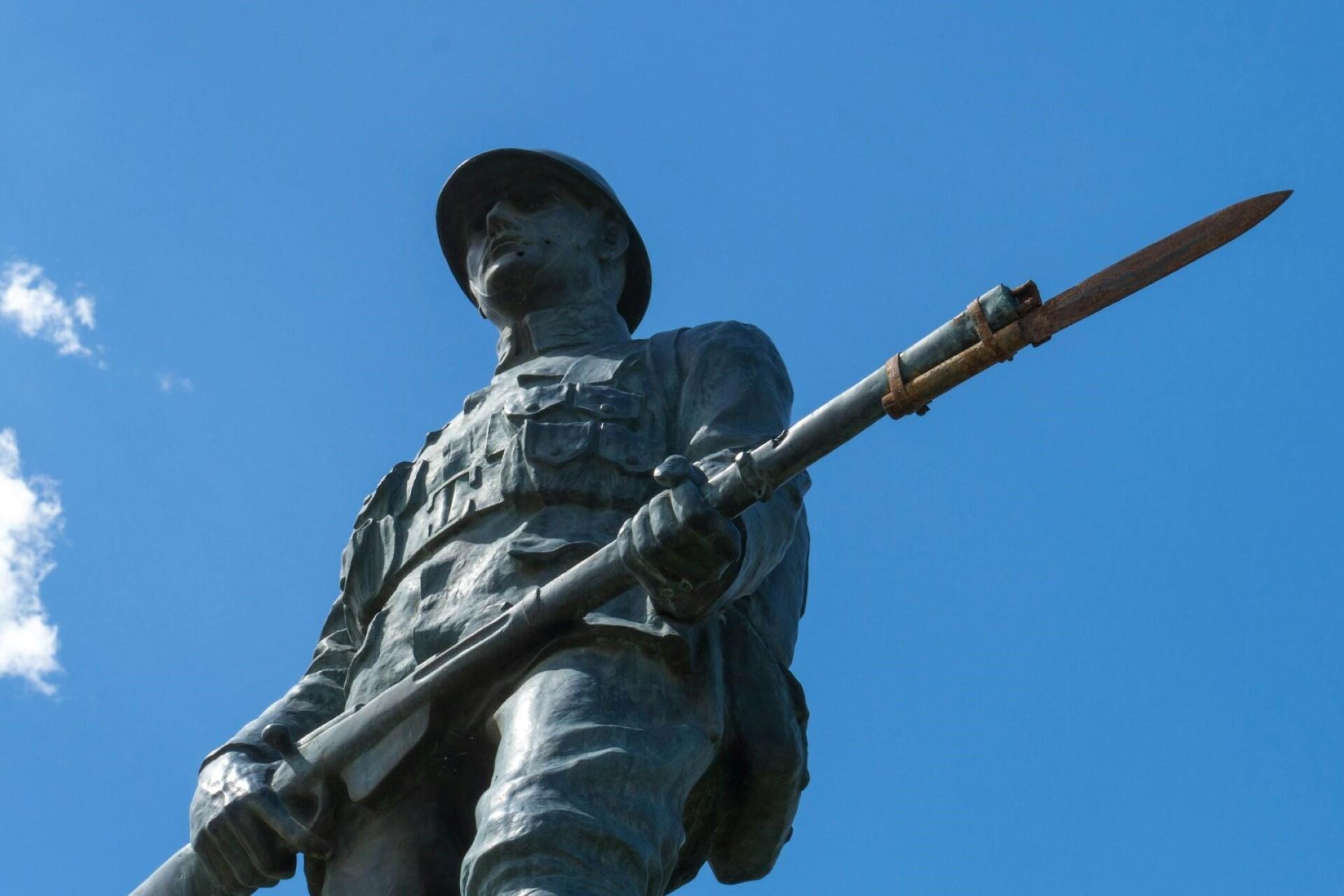
Patriotism seems to play a big part, and the family seems to believe that you should give your all for your country, even if that means giving your life. Warfare and "fallen empires" are also themes in other GCSE poems, including Ozymandias.
Nature appears as a redemptive force: compare this with The Emigree or Poppies.
Kamikaze Analysis: Language, Structure & Tone
Structure 🧩
- The poem contains seven stanzas of six lines each, with no consistent rhyme or metre.
- It’s made up of only three sentences, creating a flowing, uninterrupted feel, like a memory.
- Enjambment (lines flowing into the next without punctuation) reflects the natural thought process and emotional stream.
Language & Literary Devices ✍️
- Garland uses natural imagery to distract from the violence of war: “cloud-marked mackerel”, “flashing silver”.
- Metaphor: “a huge flag” — turns a patriotic image into something natural and neutral.
- Lexical field of the sea: words like “shoals,” “crabs,” and “salt-sodden” add depth, texture, and realism.
Tone and Voice
- The tone is quiet, reflective, and mournful.
- There’s a subtle shift from a neutral narrator to the personal voice of the daughter, seen in “my mother never spoke again”.
- Emotion builds through the contrast between the joy of memory and the grief of social rejection.
Kamikaze is made of only three sentences: notice the full stops after the description of the tuna ('the dark prince, muscular, dangerous.') and the two in the final lines. This gives the first part of the poem - the first five stanzas - a flowing unstoppability, like the train of thought that takes the character of the pilot from the fishing boats to the sea, to the fish and on to his memories. There is something inevitable and unstoppable about his choice for life instead of death.
| Sense | Example | Effect |
|---|---|---|
| Sight | green-blue translucent sea | Creates calm, visual beauty |
| Sound | Implied motion of 'figure of eight' | Fluidity, natural rhythm |
| Touch | salt-sodden boat | Tangible, physical experience |
| Smell | Sea air implied | Evokes coastal memories |
| Taste | Crabs, prawns, whitebait | Brings sensory realism to memory |
The poem begins by discussing a woman ('her') and her family, but the poet uses the italic font to mark when the poetry becomes the woman's own words. We can tell because of the shift of pronouns to include 'my mother' and 'we children'. As we saw earlier, this shift of perspective is effective in putting his behaviour in context and explaining his return.
Show how tone softens over time, from distance to empathy.
Kamikaze Grade 9 Analysis: Deeper Imagery & Symbolism
Beatrice Garland describes the fish beneath the boats as 'a huge flag waved first one way | then the other in a figure of eight'. She turns the individual fish into a collective - a shoal - just as the individual can become lost in society, particularly in a society with very rigid codes or in wartime. The 'flag' that the pilot imagines in the water mocks the flags of nations at war: the fish are simply waving their flag for the joy of movement.
In fact, this massive flag is much more significant, viewed from the air, than the tiny flags of the 'bunting' of the fishing boats. This is another nod to the patriotic themes in the poem.
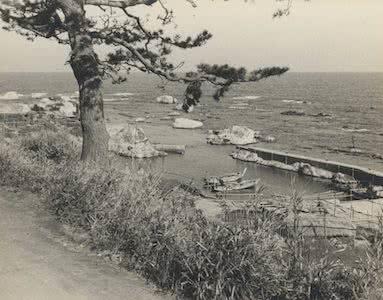
The poet also uses the senses to give a sense of immediacy and reality to her writing.
Water and the sea are mentioned throughout the poem, from the second line. Terms relating to fishing, the sea, and many of the creatures within cleverly conjure sensory feelings for the reader.
She references the colours of the 'green-blue translucent sea', the 'pearl-grey pebbles', the 'silver fish' and so on, as well as describing the shapes of the shoals, the cairns and the boats. She references the 'salt-sodden' texture-or perhaps taste or smell-of the grandfather's boat.
Memory and Perspective in Kamikaze
The poem is written in a set of nested tenses. The first stanza takes place in the past, but then time moves forward when 'she thought, | recounting it later to her children' is placed in a continuing past tense. Then, in turn, the pilot remembers his own father.
Past (the pilot’s mission)
The Departure
The father leaves at sunrise for a kamikaze mission, expected to sacrifice himself for national honour.
Imagined Moment (from daughter)
What He Saw
The daughter imagines him seeing fishing boats, the sea, and nature. Memories that make him turn back.
Memory within Memory
His Childhood
The pilot recalls his own father and childhood by the sea, suggesting a deeper emotional connection to life.
Reflective Past (daughter’s memory)
Her Family’s Silence
The daughter explains how her mother never spoke to her father again, and how silence became generational.
Present Perspective
Retelling the Story
Now an adult, the daughter recounts this layered experience to her own children, keeping the memory alive.
When the daughter speaks her own mind, remembering what happened on her father's return, she explains how she also changed: 'till gradually we too learned | to be silent…' There is a palpable sadness about this memory, but also love and respect for the father, just as he sadly chose to value his family and peace over his own duty.
Comparison with Other GCSE Poems
It's crucial that you can compare Kamikaze with other poems in the Power and Conflict anthology. Explore how different poets present similar themes such as memory, emotional trauma, and the effects of war. Here are some of the poems you can compare.

Here are some examples of how these poems each convey memory, conflict, and emotional damage.
Memory 🕰️
- Poppies – A mother reflects on memories of her son before he leaves for war; full of emotional flashbacks.
- The Emigree – The speaker clings to idealised childhood memories of a distant homeland.
- Remains – A soldier is haunted by a specific, violent memory that refuses to fade.
- Nettles – A father remembers his son's pain and his inability to protect him.
- Bayonet Charge – Focuses on a single, chaotic moment in battle; memory is fragmented and instinctive.
Conflict ⚔️
- Bayonet Charge – The soldier experiences a breakdown of reason during a physical charge; pure internal panic.
- Poppies – Emotional conflict between pride and grief as a parent sends a child to war.
- The Emigree – Conflict between identity and exile, and between love for her homeland and its possible danger.
- Remains – Internal moral conflict over an act of violence; guilt overrides justification.
- Nettles – Conflict is metaphorical, between a father’s protective instincts and a violent world.
Emotional Damage 💔
- Poppies – Deep sense of loss and emotional emptiness dominates the mother’s voice.
- Remains – Psychological trauma and PTSD; the damage is lasting and unresolved.
- The Emigree – Emotional pain comes through displacement and longing.
- Nettles – Anger, helplessness, and the cyclical nature of suffering.
- Bayonet Charge – The soldier’s humanity is eroded; he becomes a weapon rather than a person.
Kamikaze Revision: Test your Knowledge
How well do you know the themes, literary techniques and language in the poem? Get ready for the exam with our revision flashcards:
Kamikaze Poem Analysis GCSE Recap: Key Takeaways
The poem Kamikaze is a work of fiction and is not based on a specific true story. However, the author draws inspiration from the historical context of World War II and the kamikaze pilots who were members of the Japanese military and were asked to carry out suicide attacks using aircraft.
Although the poem is not a factual account given by a specific person, it does aim to capture the emotional and psychological aspects faced by these pilots during this period.

For extra support with poetry analysis, why not book a lesson with one of our experienced GCSE English tutors? With Superprof, you can browse through a selection of great tutors to find the right one for you.
For More GCSE poem analyses similar to Love's Philosophy: The Farmer's Bride, My Last Duchess, Love's Philosophy, Neutral Tones, The Yellow Palm, Medusa, and Bayonet Charge.
Summarise with AI:
Did you like this article? Leave a rating!


 Loading...
