


There are no legal requirements to work as a private tutor in the UK. The industry as a whole is pretty much free from official regulation, as there are no specific qualifications or certificates that you need to have. That said, there are still certain measures that many tutors take to protect themselves and their students. This article covers
- income reporting guidelines
- confidentiality standards
- health and safety requirements for tutors
- submitting to a Disclosure and Barring Service (DBS) check
- best practices for tutors
Because there are no legal requirements to begin tutoring jobs, it is up to you, the tutor, to advertise your services and decide which precautions to take and which checks you may wish to have done.
Want to give private lessons?
Join the Superprof community and share your knowledge with interested and motivated students.
Reporting your Income for Private Tutor Jobs
One of the most important parts of working as a private tutor is reporting your income and paying your taxes. As soon as you start working as a home tutor, you need to report your income to HM Revenue & Customs (HMRC). You will need to fill out a self-assessment form so that the tax office can work out what you will be taxed on your earnings.
Even if you aren’t earning much, you must still declare what you earn. HMRC will let you know if you are earning above your personal allowance, and anything you earn above this will be taxed. Failure to report your income in time could result in a fine, so it’s best to keep organised and get your forms sent off as soon as possible.
Even if you only teach English online, keep detailed records of your income, including the date of payments. It will be much easier to sort out your self-assessment. Or, if you dispute HMRC's charges, you will have the documentation to back your claims up.

Insuring yourself against Claims
When working with members of the public, many professionals hold public liability insurance. This ensures they are covered if damage or injury should occur to a third party in a place where they conduct business. It is not a legal requirement to have insurance as a home tutor in the UK, but it is standard practice for most tutors to have insurance.
Some tutors also hold business and portable equipment insurance. As a private tutor, you may rely on certain equipment for your services. This could include, for example, laptops, phones or academic resources.
Wherever you teach or tutor, your business equipment could be at risk of damage. You might ply your trade in your home, in your student’s home or in a public or rented space; each presents a level of hazard. Protecting your resources keeps your business safe.
It is also common for private tutors to hold professional indemnity insurance. This is a form of protection against any legal liability as a result of negligent service or advice offered as a professional service. For E-tutors who work online via a video call, it is less necessary to have liability insurance. It is still worth considering professional indemnity insurance, of course, when teaching and providing advice.
If you wish to expand your business or work full-time as a private tutor, it might be a good idea to create a solid legal business structure. This might mean putting more insurance policies in place, such as employer’s liability insurance if you have employees. It will also entail creating contracts and payment outlines for your employees and setting standards of practice according to your business. Other legal issues also include health and safety and making sure your services abide by advertising laws and guidelines:
Health and Safety of Tutoring Jobs

Many teachers consider tutoring as jobs after teaching. As in the classroom, their priority is keeping their students and themselves safe. If you offer private tuition in your own home, it is your legal responsibility to ensure it is a safe environment in which to conduct business. As a home tutor, you are responsible and accountable for health and safety issues that might arise in your own home.
It is not a legal requirement to be insured as a private tutor. But whether or not you decide to buy insurance, it is worth doing a simple risk assessment in your home. By doing this you can make your home a safer place to work.
Things like cluttered workspaces, uneven surfaces, frayed carpets or loose cables are common hazards in homes. They can be serious risks, however, and need to be identified and removed where possible. If you have a loose carpet and a student trips, you would be liable for their injury and could face serious legal action as a result.
Equally, if you conduct business in a rented or public space, you are responsible for analysing the potential risks involved and protecting yourself as well as possible. You are also at risk if you conduct tutoring services in students' homes. If you cause damage or injury in their home or if you injure yourself on their property, your insurance policy will protect you and cover any fees or compensation.
The Health and Safety Executive (HSE) website contains lots of information and advice for creating a safe and legal work environment. It also has guidelines on the risks involved with working with young and vulnerable people.
Want to give private lessons?
Join the Superprof community and share your knowledge with interested and motivated students.
Advertising your Tutor Jobs
As a private tutor, you are obliged by law to give a true and accurate description of the tuition services that you advertise. All marketing materials you use to advertise your tutoring services, such as business cards, flyers and adverts, or any descriptions of tutoring jobs in online adverts must be factually correct.
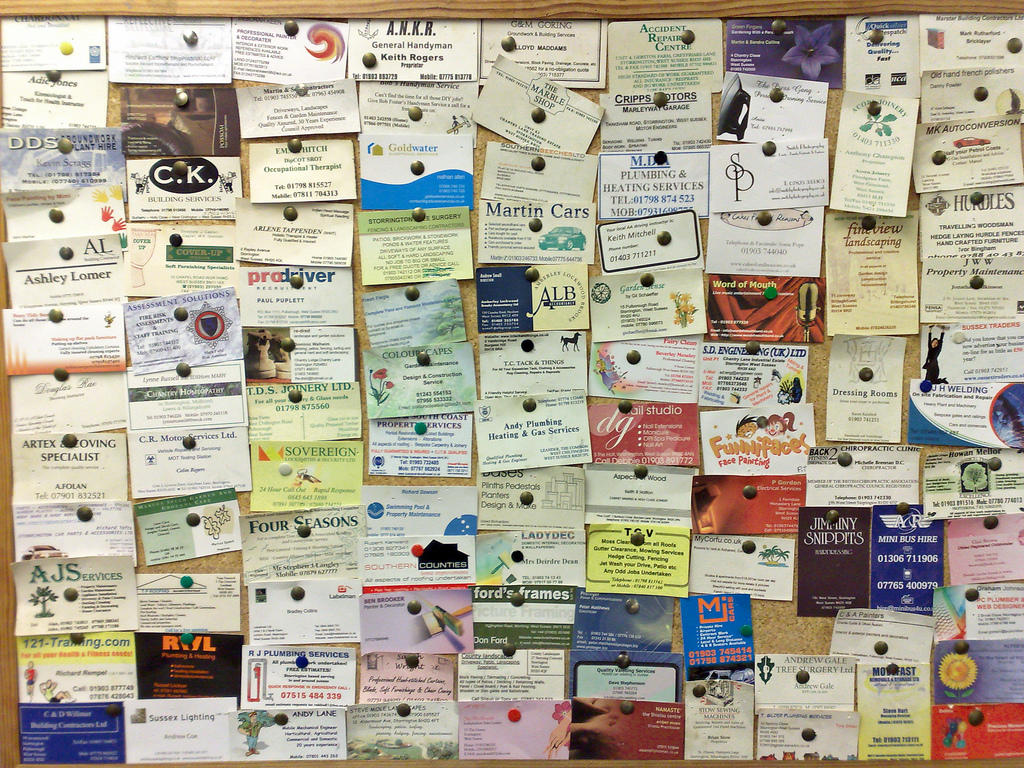
You should be able to provide proof of any experience or qualifications you have if a student or parent wishes to see your credentials. That's true even if you tutor through an agency. Most tutoring agencies will verify any qualifications that you claim to have. You are representing their company as well as yourself, whether as an online tutor or if you work face-to-face.
All qualifications you list on your online profile with Superprof will be verified by the Superprof team before they are shared with prospective students. But it is your own responsibility to provide any insurance information or DBS certificates. You may list these on your Superprof profile page, along with your other credentials.
You must be completely honest with all skills, qualifications and successes that you claim to have. For example, you cannot say you lived abroad to learn a language if you did not. And you cannot claim that all your past students achieved A grades if it is not the case.
It is a criminal offence to falsify information about a service you sell. If you have lied about any of your information or misled a customer, they can report misleading advertising to the Advertising Standards Authority. That can evolve into long and costly legal proceedings. For more information on abiding by UK advertising codes and to make sure you are advertising responsibly, visit the Advertising Standards Authority website.
With all that said, examples of how you have motivated students to do better and achieve their potential are a great way of attracting new customers. As with all the information you advertise, you should be able to verify any experiences or stories of previous successes with past students if you use them to promote your home tutoring services.
DBS Checks to Become a Tutor
In 2013, The Criminal Records Bureau (CRB) and the Independent Safeguarding Authority (ISA) merged into the Disclosure and Barring Service (DBS). A DBS certificate is an official document proving that there is no known reason why an individual may not work with children or vulnerable adults. It is not a legal requirement for tutors to have a DBS check in the UK.
The benefits of having a DBS certificate include making students, parents and tutors feel safe in your presence. Positive testimonials of your openness and reliability will attract more students to your service.
Confidentiality
When working in other people’s homes, you must respect clients' privacy and their personal property. You must be as discreet as possible while in their home. That's why some tutoring agencies expect their tutors to sign a non-disclosure agreement (NDA) whether they tutor online or in person. Clients may also request that you sign an NDA if you work independent of any agency.
If you run your own business and employ other tutors, consider having an NDA in place to protect your students and their privacy. If you or your employee happened to stumble across private information, having an NDA in your legal business structure will ensure your client’s confidential information is safe. NDAs are more common when working with high-profile or high-net-worth clients, though. They are not used that frequently with private tutors.
Setting Your Own Standards
You should perform health and safety checks in your home before welcoming any clients. If home is not where you conduct business, ensure that risks are minimal and the environment is supportive. What does that mean concerning your tutoring service? You can set your own rules and standards.
You should set some ground rules for where you work and who you work with. You are perfectly within your rights to decline a student’s request for your services. If you hire other tutors, you should have rules for them, including grounds for termination.
Remember there are no qualification requirements to tutor. That doesn't mean you might feel underqualified to teach a certain level of education. For example, you might be a degree-level student who tutors alongside your studies. You receive an application to tutor at degree level but feel you cannot provide adequate service.
Saying no in such a situation is the right thing to do. Likewise, if you tutor for degree-level Biology, you might be confident teaching A-Level chemistry. But you might feel uncomfortable tutoring Chemistry at degree level.
There are no legal guidelines for what you can and cannot teach. As long as you feel comfortable and able to provide great tutoring services for a particular subject, running your business is up to you. Just don't forget that tutors commonly hold DBS certificates, especially when working with children. This is mainly to make a tutoring business more professional and reputable and to give peace of mind to parents and caregivers.
Want to give private lessons?
Join the Superprof community and share your knowledge with interested and motivated students.
Summarise with AI:
Did you like this article? Leave a rating!


 Loading...
The article is highly educative, informative and inspiring
Can anyone advise me on how to deal with a complaint from neighbors to the council. I teach groups of students and sometimes traffic is an issue. How do I go about making sure my house stays as my home and not a business? The council want to know if planning is required.
If you are teaching from home does this class as running a business from home? Will business rates be paid etc.
very useful, thank you.
Hi there,
I have master degree in science and have more than 10 years experience working in industrial labs. I have started tutoring math in Canada as I hold a canadian passport. At this moment I am in London visiting my sister. I would like to tutor math in uk but I don’t have any idea that I can tutor with a visiting visa or I need a working visa for tutoring. I appreciate any advice. Thank you. 🙏
Everything and more of what I needed as a guideline. Don’t want to be on the wrong side of the law. Thanx. Immensely useful.
Can Americans sign up to be tutors?
Thanks, really informative, will definitely register with Superprof very soon!
Can I ask a question
As a sole trader, private tutor, Do I have to personally vet any colleagues who are tutors if I pass their details on to a potential client?
Extremely informative. Really pleased I found your website to clarify the best practice for private tutoring.
I want to home tutor my grandchildren. I have a masters degree but don’t know if I need something more. For instance how do I go about getting the DBS certification?
With your master’s degree, you have a strong foundation, and to obtain the DBS certification for home tutoring your grandchildren, you can visit the official DBS website for application details and reach out to local education authorities or to the team at Superprof on hello@superprof.com for further guidance. Goodluck!