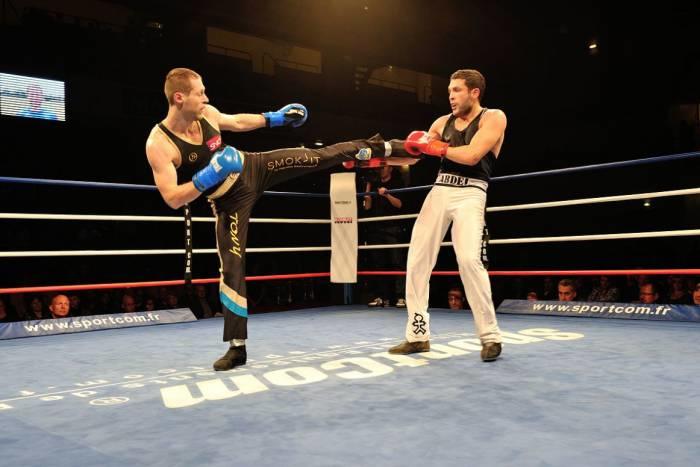

"French boxing is a bold, unpredictable, and sparkling game full of romantic illuminations."
French boxing savate is arguably one of Europe's most distinctive combat sports. Elegant on the surface yet demanding. In practice, it combines kicking techniques with the punching mechanics of English boxing. Often described as a refined form of French kickboxing, the discipline developed in France during the nineteenth century and has gradually evolved from a form of street self-defence into a structured martial art with its own unique rules, techniques, and traditions. In this article, we'll take a look at French boxing savate, tracing its journey from its early origins to its place in modern combat sport.
French boxing savate is a regulated combat sport where fighters use punches and precise kicks delivered with specialised footwear. Kicks are struck with the foot rather than the shin or knee, and all movements are judged based on execution, balance, and tactical intent. This French-born kind of boxing is much less known in the UK than its counterpart, British boxing.


The Origins and Evolution of Savate
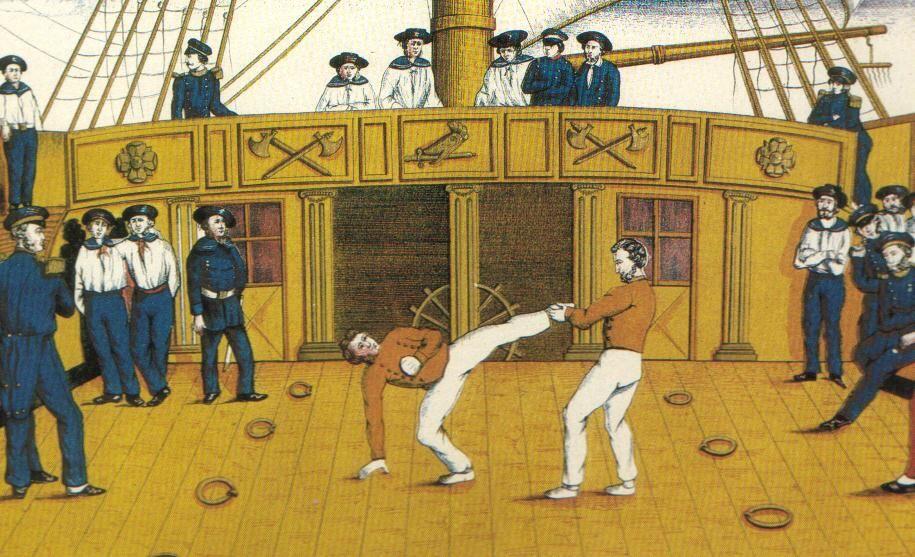
The word savate comes from an old French term meaning “old shoe,” a nod to the footwear used in early fighting styles. In the early nineteenth century1, savate began to emerge in various French port cities as a method of self-defence.
While Northern France developed what became known as savate, southern regions practised chausson - a similar style that emphasised fluid kicking and movement. Although these early styles were rather unpolished and at times brutal, they laid the foundation for a structured martial discipline that would later gain national recognition.
In port towns, savate was commonly used by sailors and dock workers who needed a practical way to defend themselves while wearing normal clothes and shoes
Formalisation and Development of Savate
The move from informal practice to organised discipline began in the middle of the nineteenth century due to the interest of instructors who wanted to make it safer/easier to teach. Training began to move away from docks and streets and into training spaces where techniques could be practised with greater control and consistency.

One of the most influential figures during this period was Charles Lecour, who played a central role in shaping savate’s technical structure. After studying English boxing, Lecour introduced formal punching techniques to complement the existing kicking system2.
As these changes took hold, savate became increasingly standardised. Rules were introduced, like limits set on permitted strikes, and early forms of competition also began to appear. As the end of the nineteenth century rolled around, savate had officially become a regulated sport that was practised and taught in clubs across the country.
Core Techniques and Training Methods
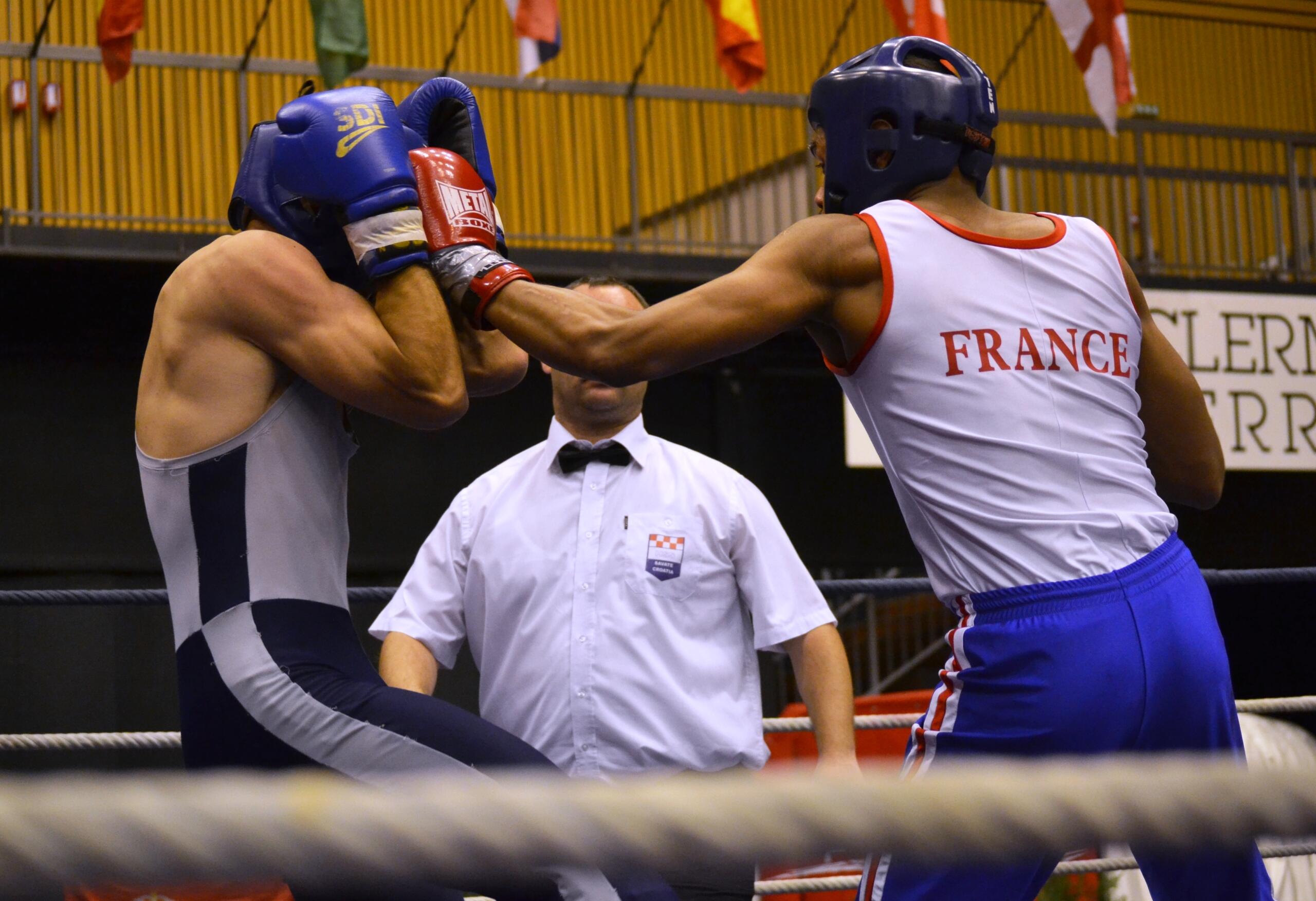
At its heart, savate centres around precision rather than brute force. Training in this sport places a strong emphasis on control, timing and execution. Similar to other boxing styles, every savate boxing technique is expected to be deliberate and balanced above all else.
Kicking Techniques in Savate
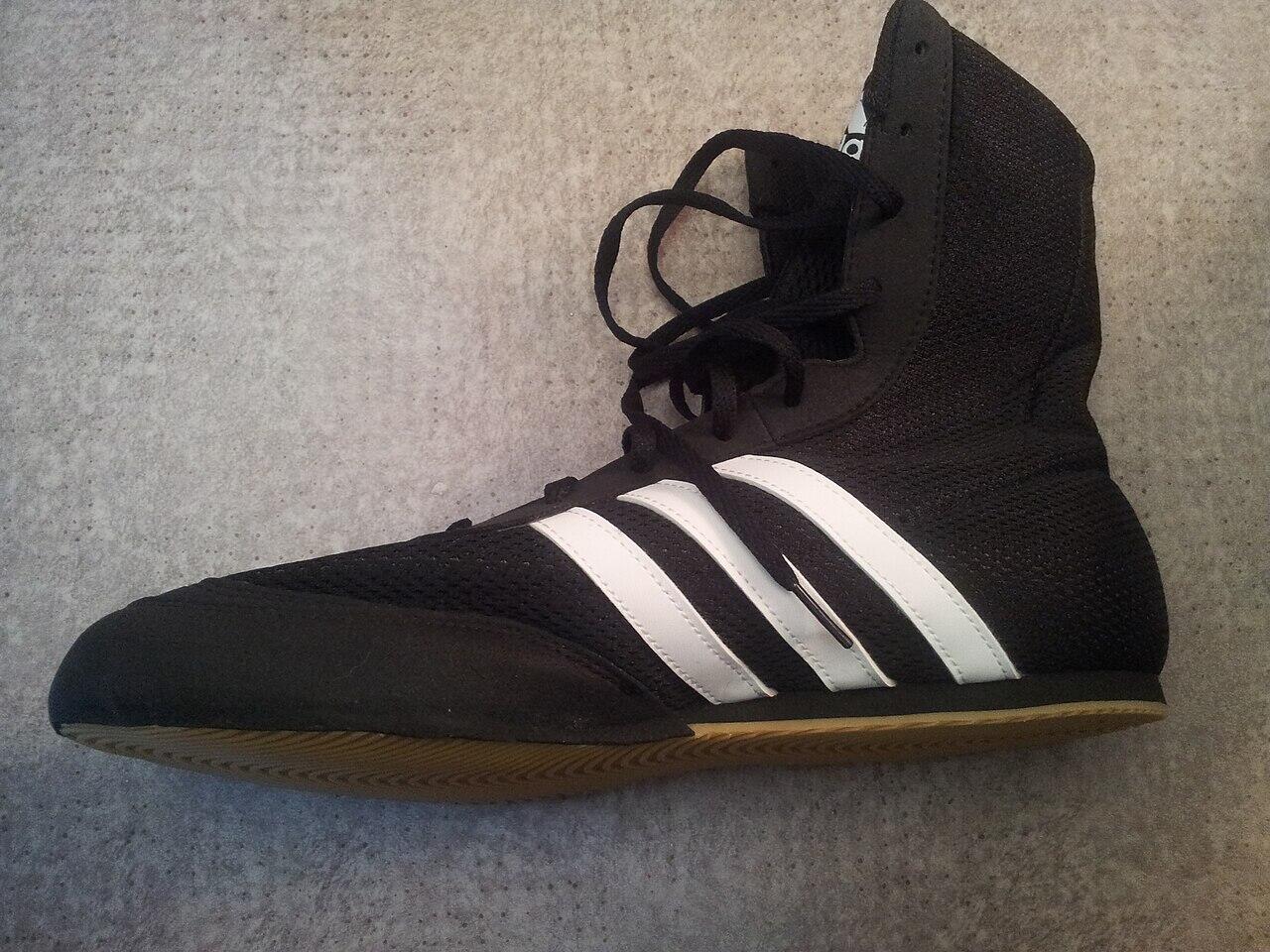
Kicks are central to savate and are always delivered with the foot while wearing purpose-made shoes. How a kick is executed matters as much as where it lands, with officials paying close attention to posture and recovery rather than simply the impact itself. This emphasis on form and control is a defining feature of savate when compared with other styles of French kickboxing.
For a look at the opposite end of the spectrum, check out all you need to know about American kickboxing: the king of full-contact.
Punching Techniques in Savate
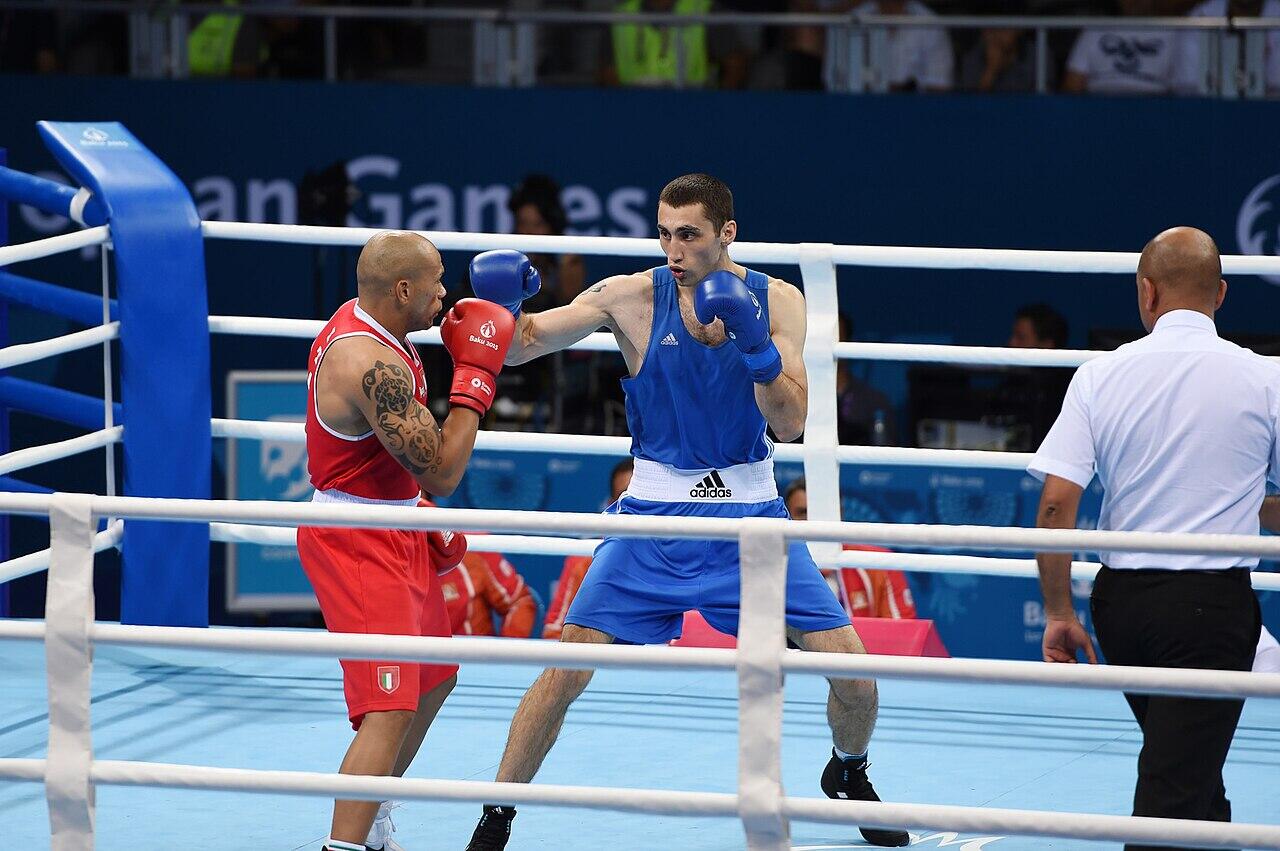
Alongside kicking, savate also incorporates the full punching system of English boxing. However, punches are rarely thrown on their own and are instead used to set up kicks or disrupt an opponent's guard. Punches you'd commonly see include:
Footwork, Balance, and Approach to Training
As you've probably come to realise, having good movement is a major part of savate too. Fighters need to stay upright, light on their feet, and constantly aware of distance if they hope to win their fights. Somewhat similar to Thai Boxing.

In training, this is worked on through fairly simple drills that repeat the same movements again and again - like stepping in and out and keeping balance while moving around an opponent.
Modern Practice and Global Reach

Today, savate is governed worldwide by the Fédération Internationale de Savate (FISav), the official international federation for the sport. Founded in 1985, FISav is based in France and brings together more than sixty national savate organisations across Europe, Asia, the Americas, Africa, and Oceania.
Here in the UK, Savate is governed by the Great Britain Savate Federation, which supports affiliated clubs countrywide and organises competitions for junior and adult fighters alike. Once again, all rules and standards follow the ones set by the FISav.
Savate competition is usually split into Assault and Combat. In Assault, power is not allowed, and fighters are judged on clean technique and precision. In Combat, greater contact is permitted, and bouts can be decided in more decisive ways.
Savate Grading System
Savate doesn’t use belts. Progress is shown through graded gloves, with each level indicating how well a practitioner understands and applies the techniques. Grades are awarded during assessments led by qualified instructors, and moving up is based on technical ability rather than how long someone has been training. Check out the table below for further info:
| Grade Type | What the Grade Represents | What Is Assessed |
|---|---|---|
| Early technical gloves | Introduction to savate technique and structure | Correct execution of basic kicks and punches; balance; posture; control |
| Intermediate technical gloves | Developing consistency and confidence | Accuracy; recovery after strikes; controlled partner work; rule awareness |
| Advanced technical gloves | High technical reliability | Precision under pressure; composure; tactical understanding |
| Competitive gloves (Assaut) | Eligibility for technical competition | Clean scoring technique; restraint; timing; discipline |
| Competitive gloves (Combat) | Eligibility for full-contact competition | Application of technique in bout conditions; control; adherence to rules |
Benefits and Applications of Savate Training
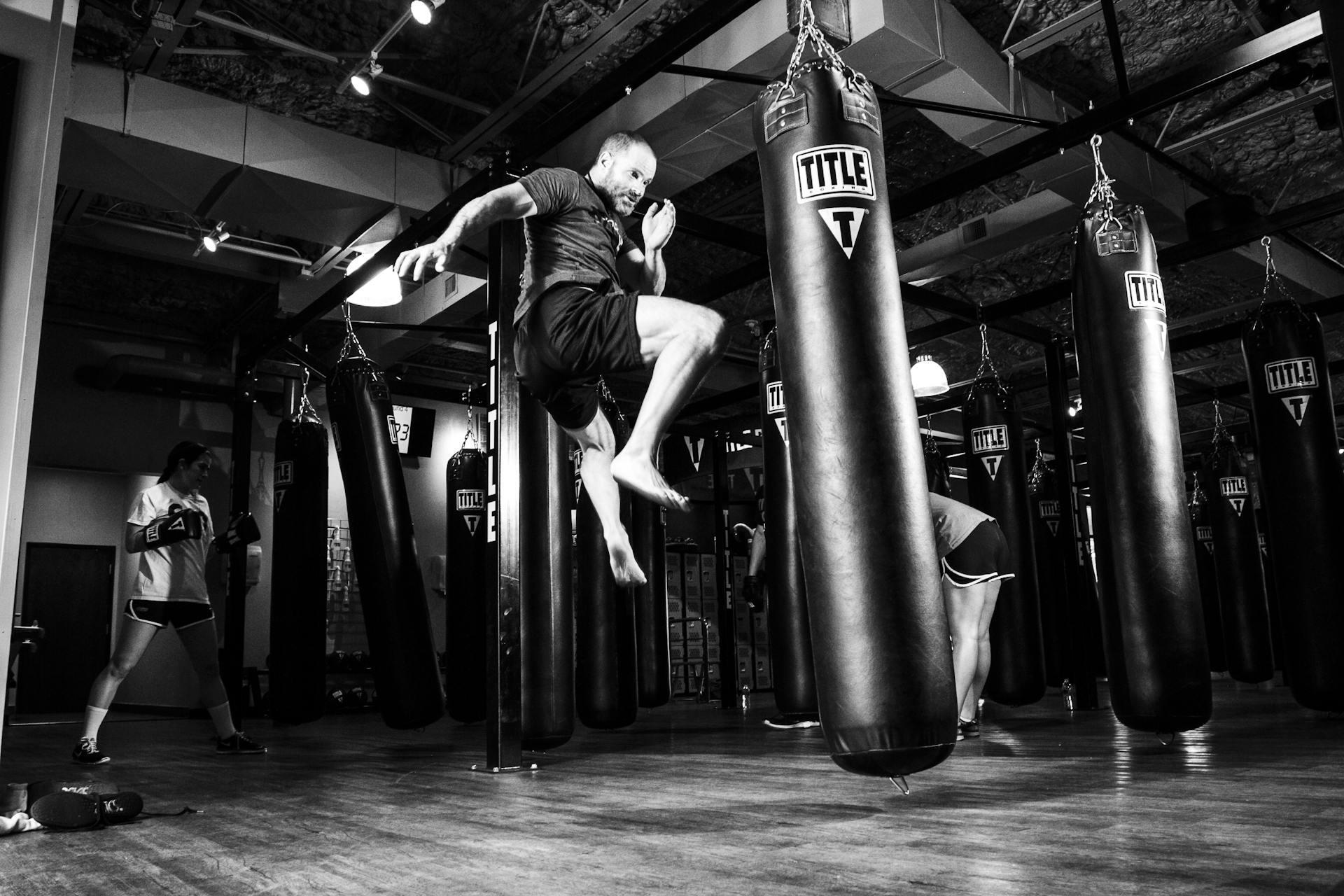
Training in Savate is also a wonderful way to get fit and build up strength in both the upper and lower body. The repeated kicking actions obviously place demand on the legs and core, while mastering punching combinations and guard work naturally tones the shoulders, arms and back.
Alongside the physical benefits, taking up savate can also have a positive effect on a person's well-being. The concentration and awareness required during training naturally draw attention away from daily stress.
Because fighters are always moving and adjusting their positions, sessions are also highly cardio-intensive as well. After enough time, you should notice massive improvements in your stamina and overall endurance. Find out how Shadow Boxing Could Change Your Workout
How Can Savate Be Applied to Self-Defence?
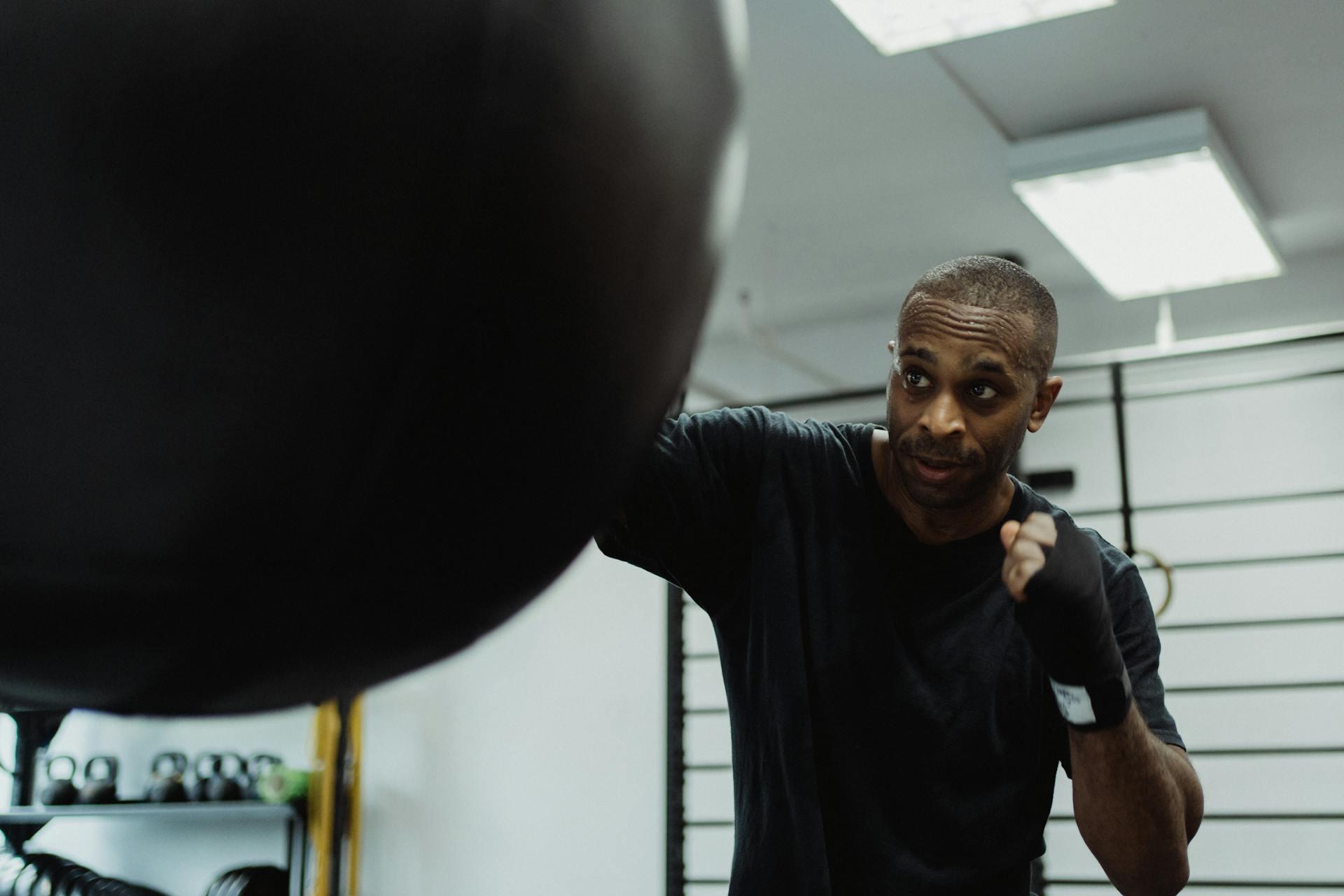
Savate is taught and regulated as a sport, not as a self-defence system. This is also the case with most other boxing styles, such as the martial arts coming out of China. However, some of the habits it develops can certainly be useful if you ever find yourself in an uncomfortable situation in real life. These are:
- Awareness of distance and space - savate training conditions practitioners to judge space accurately and recognise when someone is getting too close for comfort.
- Maintaining balance when under pressure: Because Savate places a massive emphasis on posture and recovery, students learn to stay upright and stable without losing footing or balance. This can be applied to real-world situations where losing balance can quickly make you more vulnerable.
- Keeping calm: With strict limits on aggression and power, savate also encourages measured responses. This can reduce panic reactions and help you think clearly when situations feel tense.
Savate doesn't encourage confrontation. It is a rules and style of teaching all centred around clear limits on aggression, prioritising control and awareness instead.
References
- Daflon. (2025, January 4). The origins of savate, chausson and French boxing (1798-1842) - Contemporary Capoeira. CapoeiraHistory.com. https://capoeirahistory.com/the-origins-of-savate-chausson-and-french-boxing-1798-1842/
- The Savate: history, rules and spread in Europe. (2025, February 27). Combat Arena. https://www.combatarena.net/blogs/guide/savate
Summarise with AI:
Did you like this article? Leave a rating!

 Loading...