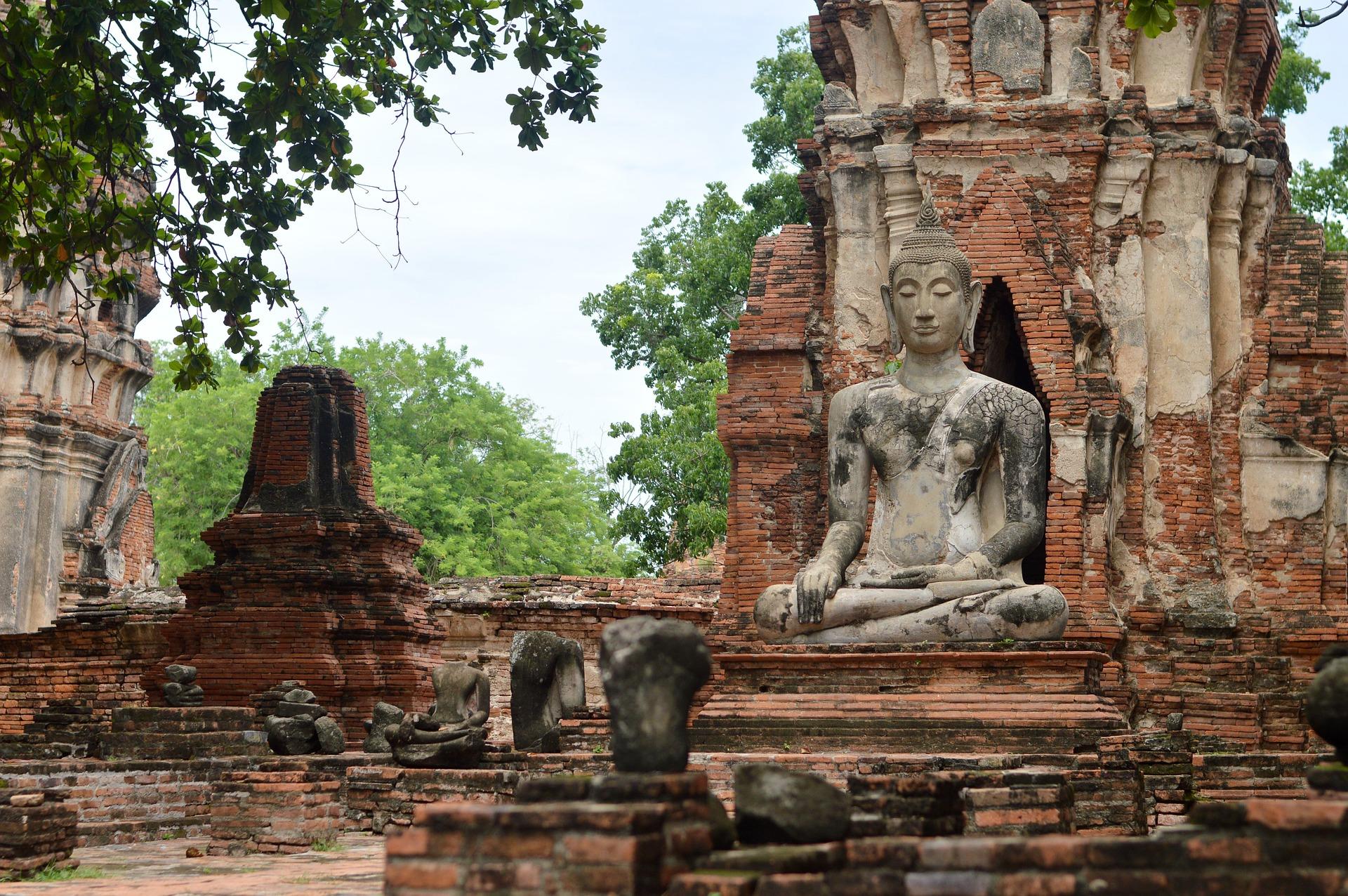

The origins of yoga are deeply rooted in the spiritual and philosophical traditions of ancient India, long before yoga became synonymous with its physical postures or modern wellness culture. In its earliest form, yoga had little to do with exercise. Instead, it was a disciplined path that practitioners followed in order to understand themselves more deeply.
If you're searching for the origins of yoga, you're probably trying to work out where it all began. Who started the practice of yoga, and what did the word mean before its various styles and set routines existed? The timeline below highlights the key periods in the evolution of yoga. In this article, we thoroughly explore yoga's earliest roots, looking at how it was understood in ancient Sanskrit texts, how it developed within early Indian civilisation, and more.
c. 3000–1900 BCE
Indus–Sarasvati Civilisation
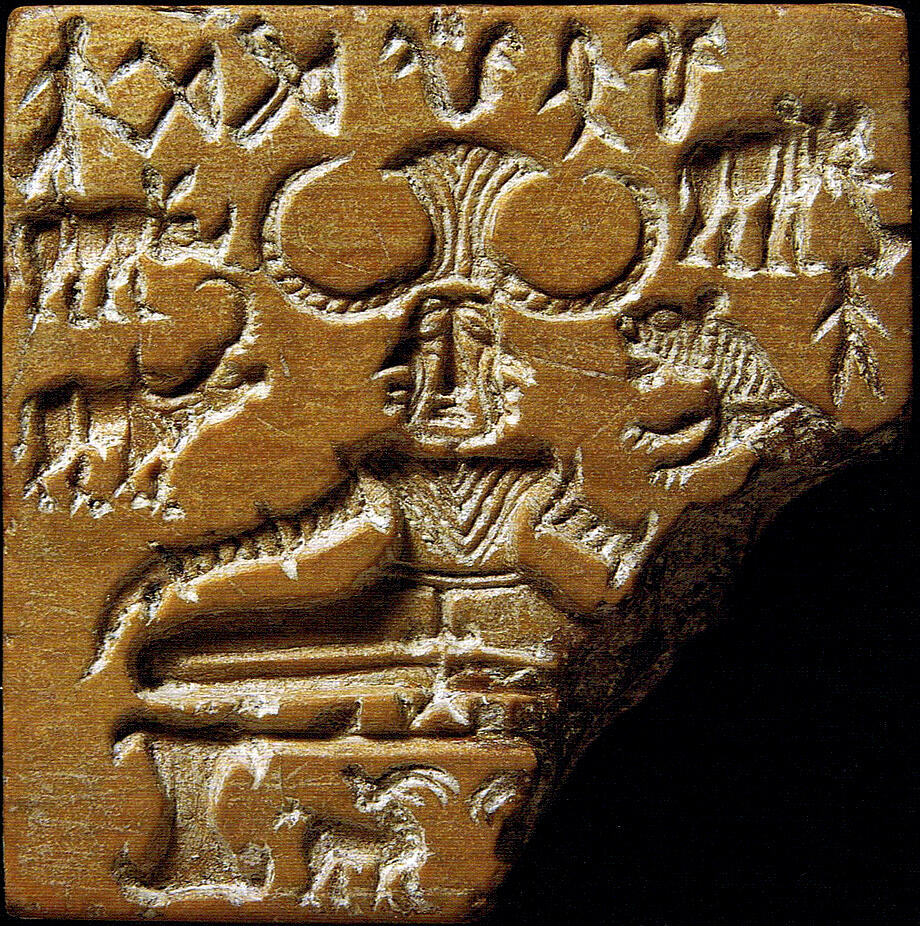
Archaeological seals suggest early meditative postures and inward-focused practices, though evidence remains interpretive.
c. 1500 BCE
The Vedas
Spiritual texts introduce breath control, asceticism, and concentration that shape early yogic ideas.
c. 800–300 BCE
The Upanishads
Yoga becomes a path of self-knowledge, linking mental discipline with understanding the true self (ātman).
c. 500–200 BCE
The Bhagavad-Gītā
Yoga is defined as a practical discipline for daily life through action, knowledge, and devotion.
c. 2nd Century BCE
Patañjali’s Yoga Sūtras
Yoga is systematised into a unified philosophy, including the Eight-Limb Path.
1st–5th Century CE
Classical Yoga Period
Meditation, ethics, and mental stillness form the core of yogic practice.
6th–8th Century CE
Tantric Influence
The body and breath are reframed as essential tools for spiritual transformation.
11th Century CE
Emergence of Hatha Yoga
Physical postures and breath control are developed to support meditation.
11th–15th Century CE
Hatha Yoga Texts
Texts codify practices such as āsana and prāṇāyāma, making yoga more accessible.
19th–20th Century CE
19th–20th Century CE
Yoga spreads globally, with increased emphasis on physical postural practice.


What Does “Yoga” Mean? A Look at Yoga Etymology
Yoga is the restraint of the fluctuations of the mind
traditionally attributed to Patañjali

In order to properly understand the origins of yoga, we'll need to closely examine the meaning of the word itself.
Yoga Etymology and Early Sanskrit Definitions
The word yoga comes from the Sanskrit root yuj, which is usually translated as “to yoke,” “to unite,” or “to join.” In early Sanskrit usage, this verb often describes the act of bringing something under control and applying it in a directed way. In its earliest form, yoga strongly revolved around methods used to train the mind, limit distraction, and develop steady and sustained attention (similar to modern-day mindfulness).
Yoga didn’t suddenly appear as a fully formed system. Its meaning actually grew over time and was influenced by all sorts of different texts and traditions, which is why scholars tend to talk about “yogic ideas” long before yoga became something you could put a defined label on.
Earliest Roots: Indus–Sarasvati & the Vedic Period
When looking back, experts struggle to trace yoga origins to a single text or period in history. Despite this, there is evidence that some of the ideas behind yoga may reach back as far as 3000 BCE.
Archaeological Clues from the Indus–Sarasvati Civilisation
Some of the earliest material linked to yogic practice comes from the Indus–Sarasvati civilisation1, which existed somewhere between 3000 and 1900 BCE across parts of present-day Pakistan and North West India.
Early Textual Context: The Vedic Period
Starting around 1500 BCE, the Vedas were written - essentially a large body of ancient texts concerned with things like cosmology and the relationship between humans and the wider universe, amongst other equally complex ideas2.
Within the Rig Veda (the most famous of these texts), there are references to ascetics, breath control, and sustained concentration. These passages suggest early spiritual life in India involved practices aimed at mastering the senses and steadying the mind, even if they were not yet called “yoga”.
The Upanishads, Bhagavad-Gītā & Philosophical Foundations
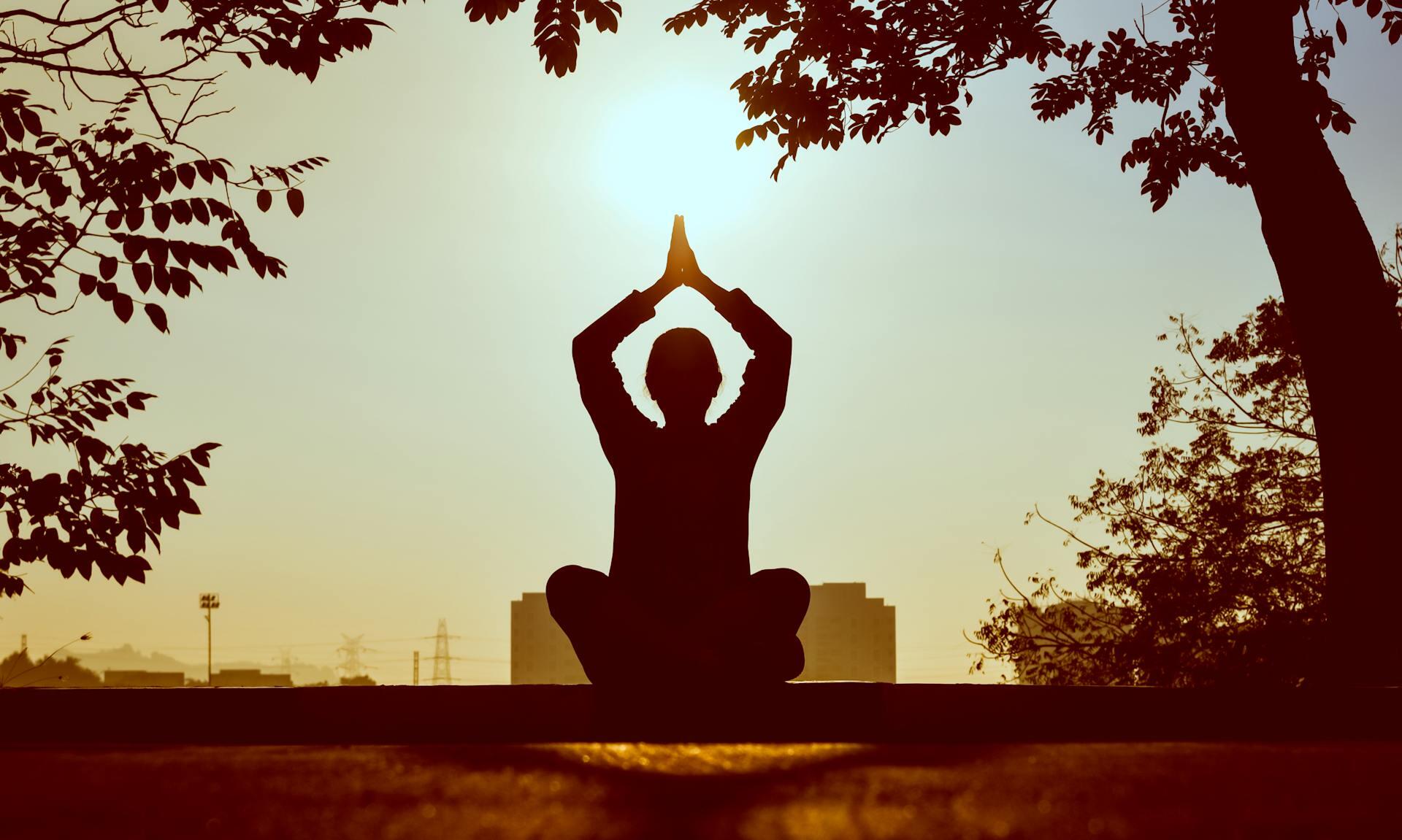
As Indian thought developed, some texts began to focus less on ritual and more on the inner life. This shift is where yoga philosophy became closely tied to self-understanding and the search for meaning.
Yoga as Self-Knowledge and Union
The Upanishads, written roughly between 800 and 300 BCE, form the final section of the Vedas. Instead of focusing on ritual or sacrifice, they ask a more personal question: who are we beneath our thoughts, actions, and roles?
Ātman (the inner self)
Ātman refers to the deeper self beneath personality, roles, and habits - the part of you that notices thoughts and emotions rather than being caught up in them. In the Upanishads, yoga is seen as a way of settling the mind so that this inner awareness can be recognised directly.
Brahman (ultimate reality)
Brahman refers to the underlying reality of everything. It isn’t god in the personal sense, but a universal principle that connects all existence. The Upanishads teach that brahman is not separate from us, but present within and through all things.
Karma Yoga, Jnana Yoga, Bhakti Yoga
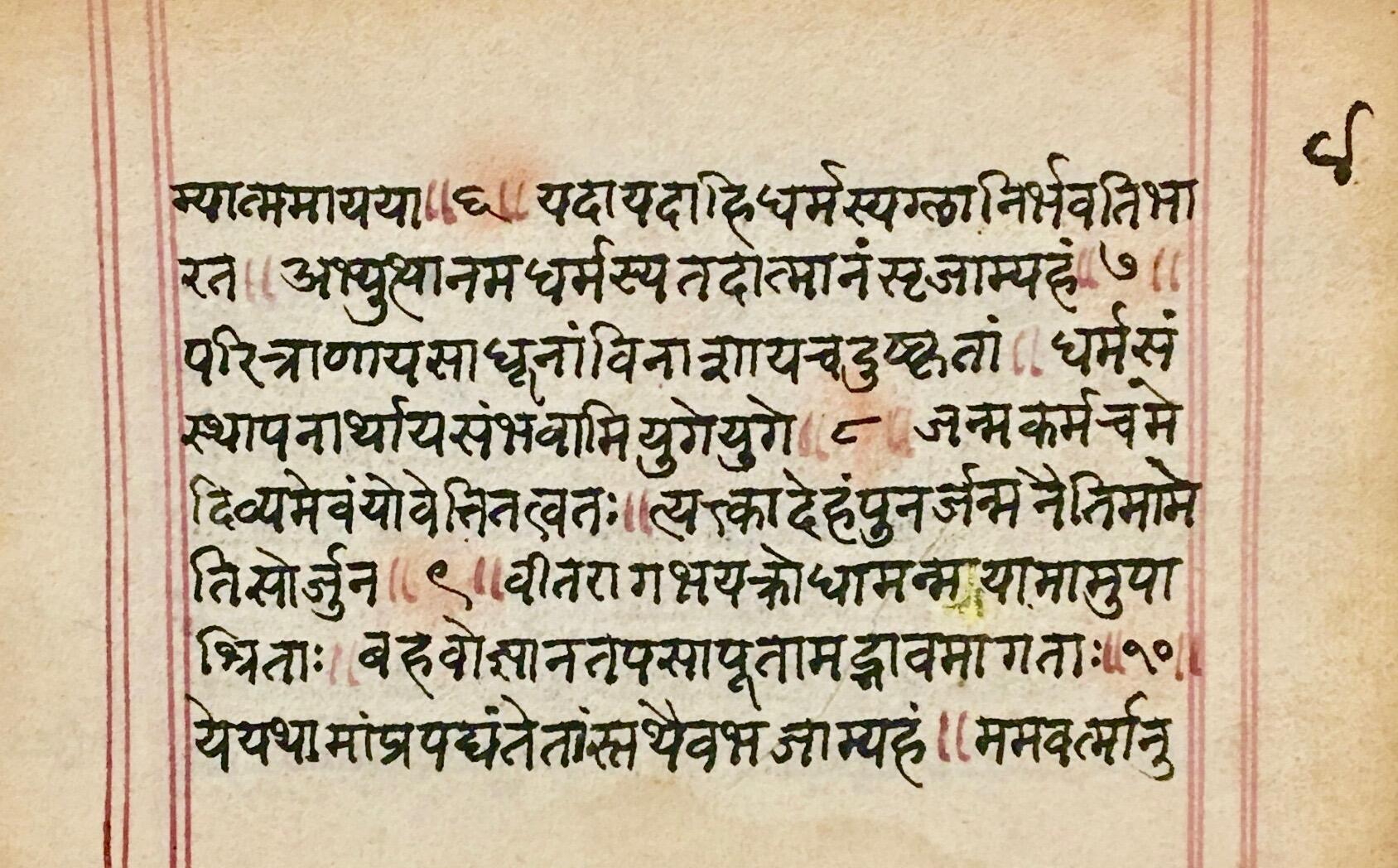
The Bhagavad-Gītā, likely composed between around 500 and 200 BCE, takes these ideas a step further by showing how yoga can be practised in everyday life. Set as a conversation between the warrior Arjuna and the god Krishna, it talks about the ways in which people can follow yoga depending on their nature.
By this point, yoga had developed rich philosophical depth but lacked a single unified framework. Thankfully, that wouldn't last for long, as explored in the next section.
The Classical Era: Patanjali & the Eight-Limb Path
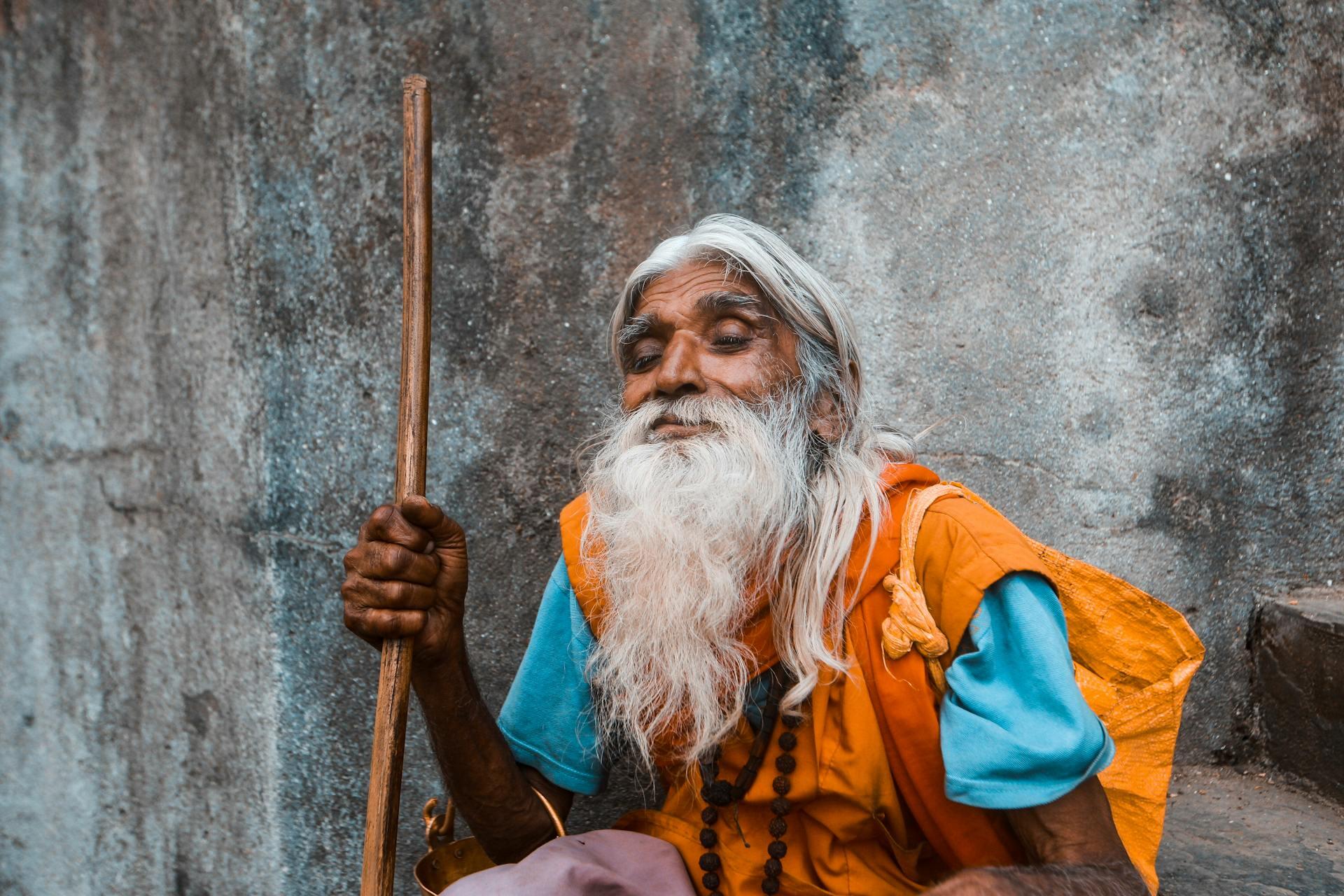
Eventually, around the 2nd century BCE to early centuries CE, a forward-thinking scholar known as Patañjali would go on to gather all existing yogic teachings - organising them into a short text he named the Yoga Sūtras3.
The Yoga Sūtras are a collection of around 195 short statements (known as sutras) that practitioners are encouraged to memorise and reflect upon. While brief, the text nevertheless became highly influential and changed how yoga was understood and taught for centuries to come.
Within this work, Patañjali set out a clear way of approaching yoga in everyday life. Moving away from abstract philosophy, he broke the practice down into a series of manageable parts, touching on how we act, breathe, focus, and how awareness can be developed over time. This step-by-step structure eventually formed into something called the Eight-Limb Path.
| Limb | Simple meaning |
|---|---|
| Yama | Ethical guidelines for how we treat others |
| Niyama | Personal habits and self-discipline |
| Asana | Physical posture and steady sitting |
| Pranayama | Breath control and regulation |
| Pratyahara | Turning attention inward, away from distractions |
| Dharana | Focused concentration |
| Dhyana | Meditation and sustained awareness |
| Samadhi | Deep absorption or unity of awareness |
Post-Classical Developments Towards Hatha Yoga
The body is not an obstacle to liberation, but its most immediate instrument.
After Patañjali, yoga continued to evolve subtly as the years passed. For instance, the early medieval period saw new religious and philosophical movements take root in India that fundamentally altered how yoga was practised - leading to the development of what would later become Hatha Yoga.
Tantric influences and the Emergence of Hatha yoga
Tantric influences were instrumental in this transition as they challenged the earlier assumptions that spiritual progress depended on distancing oneself from physical life. Instead, they taught that the body, breath and senses could all serve as highly effective tools for inner transformation.
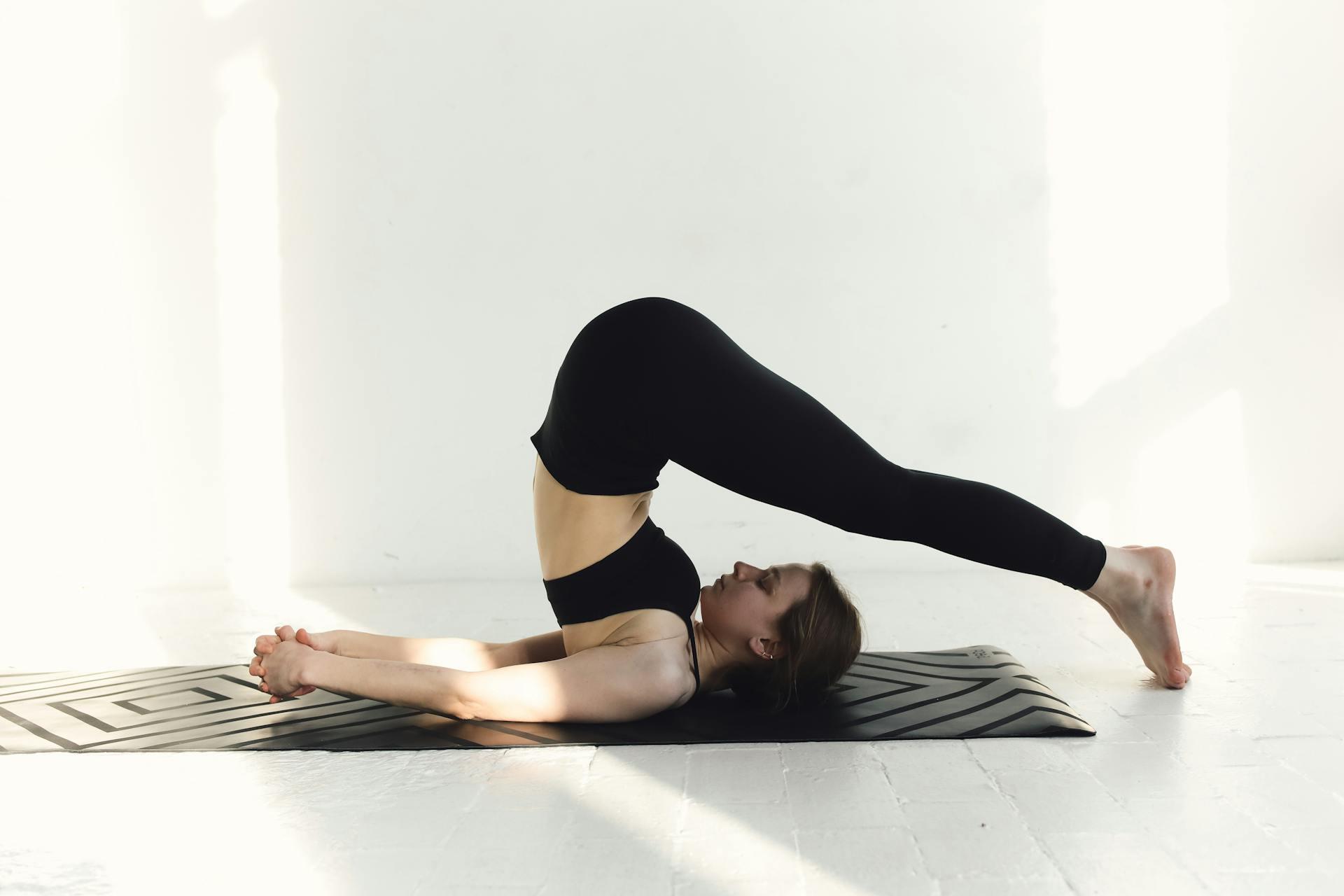
The newly incorporated tantric traditions did not result in meditation or ideas around discipline in yoga being completely abandoned. More so, they reframed the body as a means of supporting those former practices.
Out of this newfound approach, Hatha Yoga slowly emerged. In the 11th century and onwards, numerous texts began to pop up that detailed concrete methods for practices ranging from postures, breath control and cleansing techniques.
That being said, early Hatha Yoga still looked very different from most modern yoga classes, as detailed in the list below:
However, many of these changes helped yoga reach a wider audience. By offering easy-to-understand methods that could be mastered through simple instruction and repetition, studying Hatha Yoga no longer depended on deep philosophical study or specialist knowledge.
The 19th and 20th Century: The Modern Yoga Movement
By the 19th century, yoga was undergoing another major transformation. Colonial influence, changing social structures in India, and increased contact with the West all played a role in reshaping how yoga was taught and understood. During this period, yoga began to move beyond monasteries and ascetic communities and into public life.
Yoga Enters the Global Stage
One of the most significant moments in modern yoga history came in 1893, when Swami Vivekananda addressed the World’s Parliament of Religions in Chicago. Rather than focusing on physical practice, Vivekananda presented yoga as a universal philosophy centred on self-realisation, ethical living, and mental discipline. His talks helped spark Western interest in yoga as a spiritual and philosophical system.
The Rise of Modern Postural Yoga
In the early to mid-20th century, yoga in India continued to evolve alongside developments in physical culture, gymnastics, and modern education. Teachers such as T. Krishnamacharya began to place greater emphasis on āsana and breath control as practical tools for health, strength, and vitality. While still rooted in earlier traditions, these approaches marked a clear shift towards movement-based practice.
Often referred to as the father of modern yoga, Tirumalai Krishnamacharya was a key figure in shaping the yoga practised today. Drawing on classical yoga texts while also engaging with contemporary physical culture, he helped reintroduce āsana and breath control as central elements of practice. Teaching in Mysore during the early 20th century, Krishnamacharya emphasised adapting yoga to the individual, rather than forcing the body into fixed forms. Many influential teachers — including B. K. S. Iyengar, Pattabhi Jois, and Indra Devi — studied under him, ensuring his approach would shape global yoga for generations.
Many of the yoga styles commonly practised today can be traced back to this period through Krishnamacharya’s students, including B. K. S. Iyengar, Pattabhi Jois, and Indra Devi, each of whom adapted yoga to suit different bodies, cultures, and lifestyles.
From Philosophy to Lifestyle Practice
As yoga spread internationally throughout the 20th century, it became increasingly associated with wellbeing, stress relief, and physical fitness. While this modern expression often places less visible emphasis on meditation and philosophy, it remains connected to older traditions through breath awareness, attention, and ethical principles.
Understanding this modern movement helps explain why yoga today can look very different from its ancient roots — and why it continues to evolve in response to the needs of each new generation of practitioners.
Why Origins Matter to Today’s Practitioner
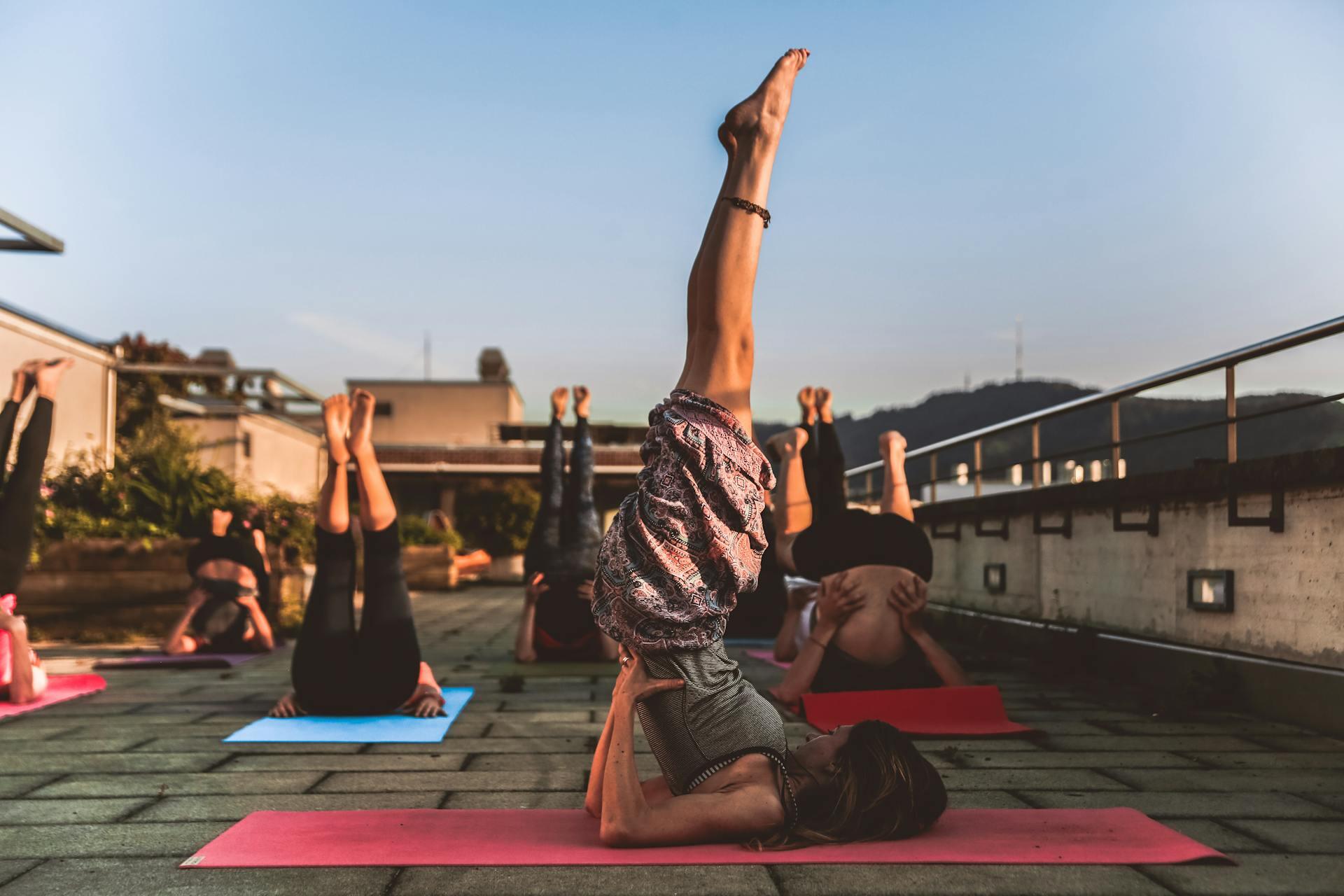
For most people, yoga is something they fit around work and day-to-day life, often with fairly clear expectations: get moving, and perhaps feel a little more flexible afterwards. While understanding where yoga comes from won't change those goals, it can change how you interpret certain parts of your classes.
Simply put, Asana is the Sanskrit word for "posture" or "seat." In classical yoga texts, it originally referred to a comfortable seated position for meditation.
Beyond Asana: Reconnecting With Purpose
Yoga lessons today often focus on movement, but understanding the wider purpose behind yoga can quietly deepen the experience. Let's take a look at why this is below:
- Postures as preparation, not the goal - Yoga postures were initially created to prepare the body and mind for meditation. Understanding this moves your focus from being perfectly posed to the quality of your attention and breath.
- Ancient intentions meet modern teaching - Breathe control and mental focus were central thousands of years ago, which explains why teachers still use terms like "notice where your mind wanders" today.
- Context for Different Yoga Styles - Knowing the historical roots can also help you appreciate why some styles of yoga focus on alignment and others on meditation or flow, for example.
References
- Writer, S. (2025b, November 11). A brief history of yoga in India. My Vinyasa Practice. https://www.myvinyasapractice.com/a-brief-history-of-yoga-in-india/
- Yogitim. (2025a, August 11). The Vedas • Yoga Basics • Yoga Basics. Yoga Basics. https://www.yogabasics.com/learn/the-vedas/
- The 8 Limbs of Yoga. (n.d.). Soul Sanctuary. https://soulsanctuary.co/blog/the-8-limb-pathway/
Summarise with AI:
Did you like this article? Leave a rating!

 Loading...