
It was a quiet bit of news that could have earth-shattering consequences. On May 27, the US Food and Drug Administration approved a request to conduct human brain chipping trials. The goal is to restore sight and mobility by linking the implanted chip to a computer. Neuralink, the company behind the initiative, has also proposed chip upgrades to expand functionality.
Two days before the US headlines made mild waves, we learned of a man who thought about walking and then, he walked. Gert-Jan Oskam had been paralyzed since a cycling accident a dozen years before. But now, thanks to his brain and spine implants, he can stand with his mates and enjoy a pint. He can also climb stairs.
Is this what the future of personalized medicine looks like? Amidst the GPT furore over the last few months, you might have missed reports of AI being used to diagnose and treat cancers. By all accounts, image-based deep-learning models can spot patterns of malignancy much earlier than trained physicians' eyes can.
Technology will shape the future of personalized medicine. We don't know yet just how much, nor do we know how far we should go down that path. But before we can embark on this discussion, let's look at the following:
- current issues with medical treatment
- reassessing evaluative and diagnostic methods
- what personalized medicine means
- the benefits of precision medicine
We'll also examine how medical and diagnostic practices have evolved. We'll discuss some of the flawed reasoning that affects patient care still today and what doctors are working to change. And we'll talk about new medical technologies' moral and ethical aspects.







Early Research and Treatment Practices
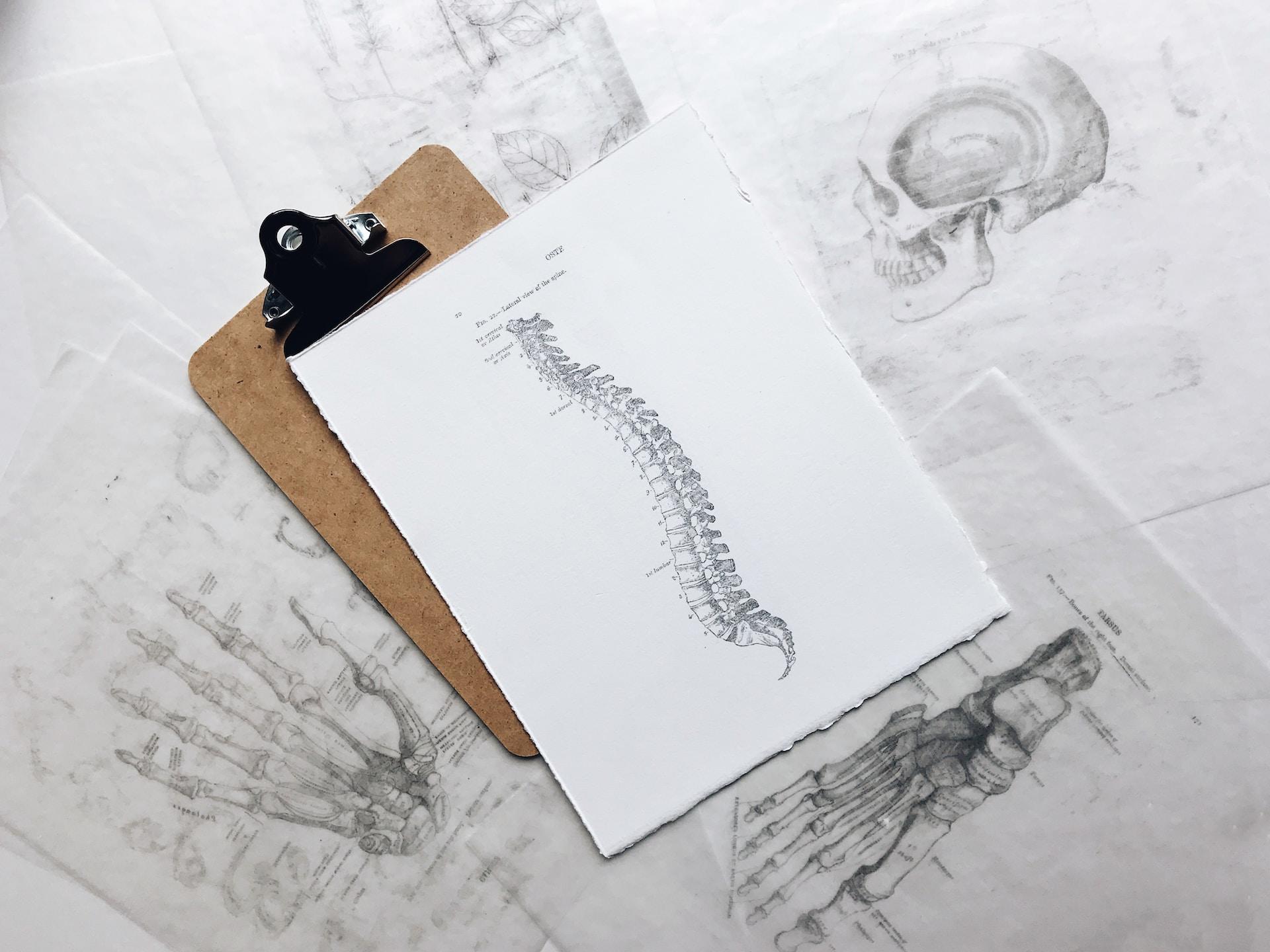
A wild rumour is circulating today that Leonardo da Vinci robbed graves to study human anatomy. His being permitted to examine the bodies of executed criminals is the more likely story. The only near-certainty is that he studied and recorded male anatomy. Still, he fared far better than Roman anatomist Galen, who based his anatomical discoveries on animal carcasses.
Da Vinci wasn't obsessed with the male form; those were the only bodies available for study. In those times, studying female anatomy mattered little. Indeed, most thought that women's bodies must be scaled-down versions of men's, but with a few added bits. That idea persisted well into the 20th Century.
Besides being male, cadavers for early anatomical explorations were predominantly White. This, too, affected medical research and practice and still does. Black and Brown's bodies are usually left out of medical research unless a study addresses health conditions affecting them particularly. Even in these times, being other than White often provokes disparity in medical care in some parts of the world.
Some of this comes down to past sensibilities. It's hard to maintain a scientific constant in an ever-evolving society. But the medical community is growing more responsive to these 'heritage' deficiencies in medicine. And artificial intelligence (AI) is further levelling the field.
Biology tutors can provide mentorship and guidance for students interested in pursuing careers in science.
Today's Approach to Diagnosis and Treatment
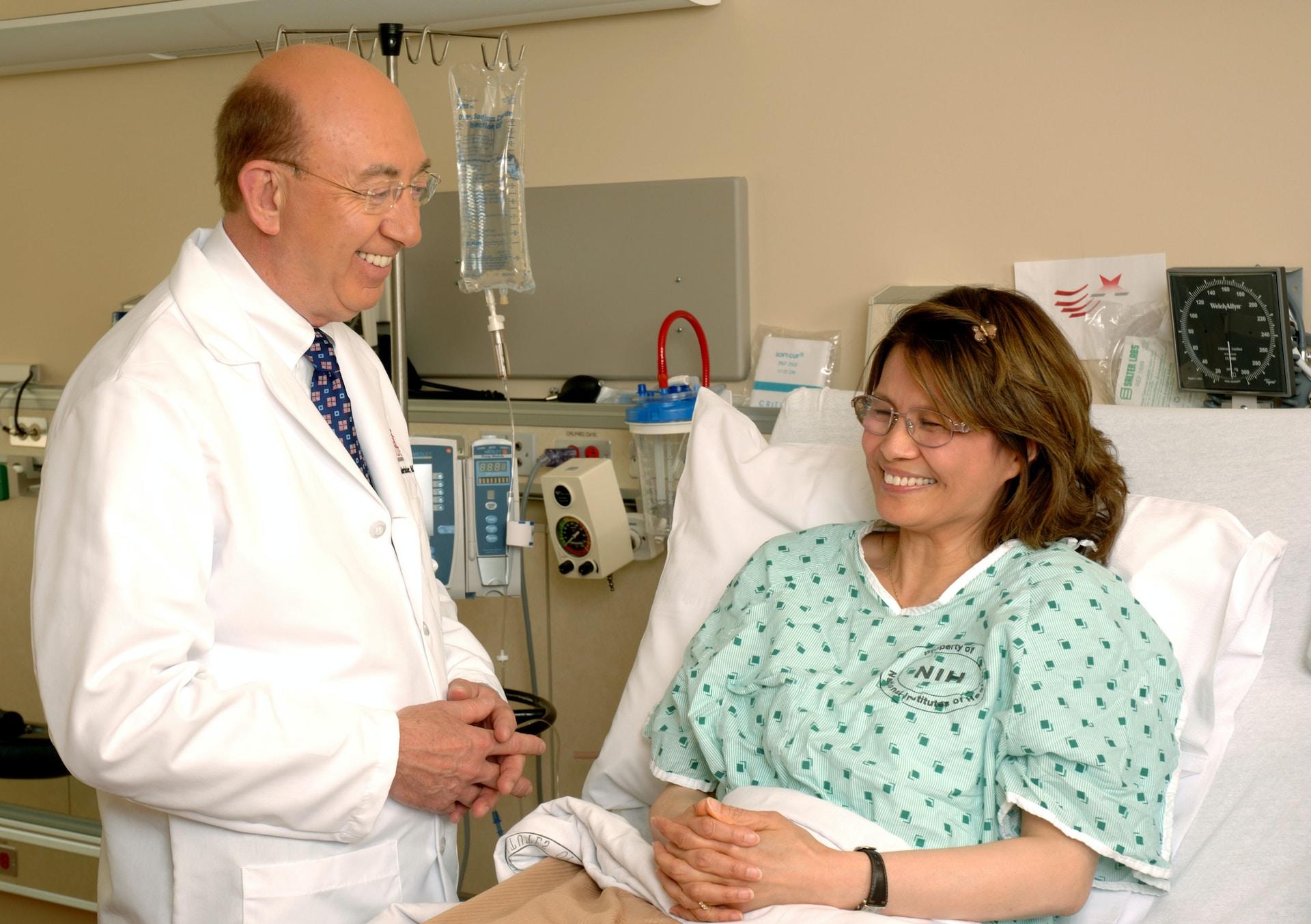
Nobody will argue that doctors aren't overworked. They have staggering patient loads who present with various complaints and ills. Often, doctors don't get to spend much time with a patient, so they quickly dash off a prescription. And then, they're off to the next case.
It's become standard to treat symptoms, not diseases. These days, it's typical for doctors to prescribe a trio of medicines to 'combat' metabolic syndrome. This condition is caused by poor lifestyle choices, excessive processed food and sugar, and too little physical activity. Until recently, prescribing tablets was the go-to method for managing this and many other conditions.
Fortunately, more doctors are taking the 'food as medicine' approach. They advocate for lifestyle changes and improved nutritional intake. Still, some patients believe that pharmaceutical intervention is the only cure for whatever ails them.
Doctors have difficulty dissuading patients who insist every visit must result in a new prescription. One of my mates was feeling run down; they had a runny nose and a bit of congestion. Their doctor told them to ride it out; they would feel better soon. Outrage ensued; they insisted that the doctor give them something.
Over-prescribing has netted us a threat of superbugs impervious to current medications. But we can't just blame demanding patients or overzealous doctors. It's long been the practice to throw everything at a disease to see what might help. If you've ever watched the medical drama House, you've seen that technique in action.
A biology tutor can adeptly break down complex genomic data and its implications for personalised medicine, making the subject matter more accessible and fostering a deep appreciation for advancements in medical science.
How Artificial Intelligence Is Shaping Medical Practice
Chemotherapy is another example of throwing the kitchen sink at illnesses and hoping for remission. Cancer diagnoses are increasing, and aggressive, multi-pronged treatment is standard practice. But maybe not for much longer.
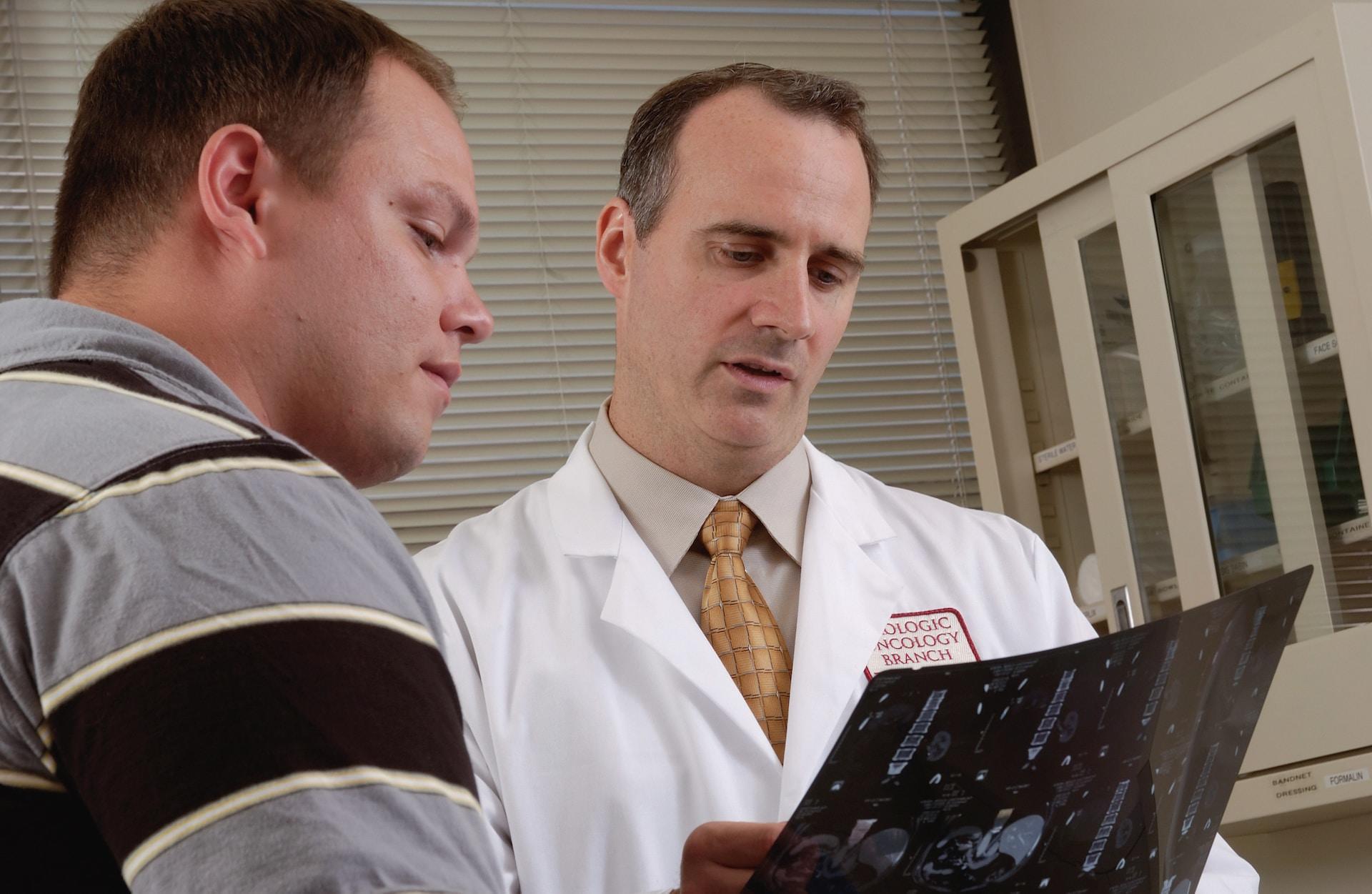
Cancers are typically found on some scans - X-Ray, mammogram, or magnetic resonance imaging (MRI). Should the doctor or radiologist spot an abnormality, they recommend a biopsy. The biopsied tissue is sent to the lab for examination. Trained human eyes spot cell abnormalities, and the doctor has to have a difficult conversation with the patient.
Decades of scans make teaching AI how to spot growth and cell abnormalities easy and effective. Even at this preliminary stage, results are promising. The Lancet published an article about AI's diagnostic performance. The authors found machine-based diagnostic results "equivalent to healthcare professionals."
Detecting cancer early is critical to positive outcomes. Patients have more treatment options the earlier the growth is seen. The human eye may not readily spot a malignancy, mainly if it's in its early stages. But AI can, with no question of judgment or second opinion needed.
AI can also help map out individual drug regimens and therapies. It makes discovering new drugs more efficient, too. In 1990, an international effort got underway to map the human genome; the project took 13 years to complete. AI models are trained on that trove of genetic data.
They also 'know' all about pharmaceuticals, their compositions and interactions. Preliminary AI trials to 'match' genetic information with drug facts show promising results. Instead of blasting the patient's body with radiation, AI can help the doctor choose effective therapies to treat specific cancers.
AI is one of the past decade's top medical breakthroughs. It offers limitless possibilities for improved healthcare, cancer treatment, and disease diagnosisses. This technology is still in its early stages. But it's not hard to predict how instrumental AI will be when outlining personalized treatment plans.

Precision Medicine Is Personalized Medicine
One of healthcare's biggest accidental failures is taking a one-size-fits-all approach to treating patients. That's only indirectly medical professionals' fault; remember that all medical standards were based on white males. Even drug therapies are inefficient; they aim to treat the most significant number of patients without accounting for individual variability.
Learning about the future of personalised medicine from a biology tutor provides the unique benefit of gaining insights into cutting-edge medical technologies, enabling students to understand the potential for customized healthcare solutions.
The medical community has known for a long time that these approaches to healthcare are not optimal. That's why so many are keen to embrace precision medicine. Precision medicine considers the genetic origins of disease and prescribes treatments tailored to the individual patient.
In a sense, standard treatments are another instance of treating the symptom rather than the cause of the disease. Cancers and other diseases often result from a genetic predisposition to illness. Such genetic mutations may not manifest until late in the patient's life; environmental factors also play a part. That's why cancer patients suffer through traumatic relapses and more gruelling rounds of chemo.
Precision medicine doesn't mean editing genes so people never get sick again. It proposes to examine the genetic origins of individual patients' illnesses and devise a personalized treatment plan. Selecting drugs and therapies corresponds with the patient's genetic profile to deliver targeted results.
Other technologies adapt well to the precision medicine philosophy. For instance, healthcare services could be significantly enhanced by melding telehealth and AI. Rather than a doctor operating the phones and dispensing advice, AI could make a preliminary diagnosis and schedule a clinical follow-up. All of this is based on individual patients' records.
The future of personalized medicine is only halfway here, maybe even less than that. The human genome is mapped, and millions of diagnostic scans and slides have been collected. The data and the computing power exist to process information and recommend treatment options.
The world and medical services lack the infrastructure to make personalized medicine available to all. In less developed parts of the world, advanced medical facilities to deliver customised treatment are few and far between. No matter where the funds it would take to build such a system are lacking.
Medical practice is a millennia-old science; by contrast, advances in AI are only a few years old. As exciting as the future of personalized medicine sounds, it will take decades to become a reality. And even longer to make it equitable, with access for all. By then, our latest breakthroughs in medical research might be out of date.
Summarise with AI:
Enjoyed this article? Leave a rating!


 Loading...