
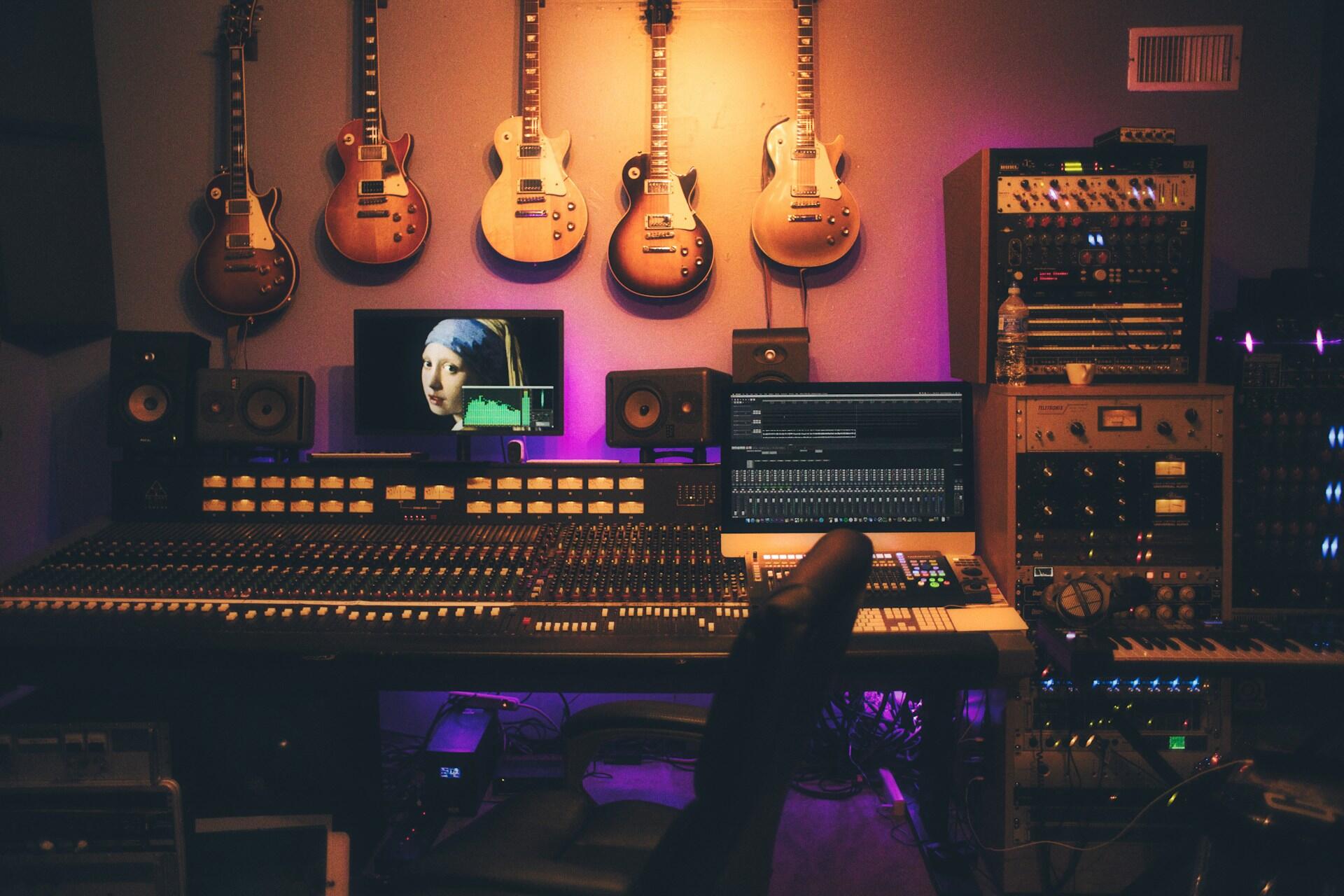

The UK is one of the world's best countries for music and audio production. It's home to world-famous studios and a thriving creative industry. If you want to study music production, there are plenty of music production courses that UK students can choose from.⁹ Let's explore a few of them here.
| Institution | Course Name | Degree Type | Duration | Key Focus Areas | Typical Entry Requirements |
|---|---|---|---|---|---|
| Abbey Road Institute | Advanced Diploma in Music Production and Sound Engineering | Diploma | ~1 year (full-time) | Studio recording; mixing; mastering; industry workflows; professional equipment | Varies (typically interest/experience in music/audio) |
| BIMM Music Institute | BA (Hons) Music Production | BA (Hons) | 3 years (full-time) | Recording; mixing; sound design; digital production; industry collaboration | UCAS points (varies by campus/course) |
| Point Blank Music School | BA (Hons) Music Production & Sound Engineering | BA (Hons) | 3 years (full-time) | Digital production; beatmaking; mixing; sound design; DAWs | Varies (portfolio or qualifications) |
| Point Blank Music School | Music Production Diplomas / Short Courses | Diploma / Certificate | Varies (weeks to 1 year) | Practical production; DAWs; electronic music; studio skills | Open or flexible entry |
| UK Universities (General) | BA/BSc Music Production or Music Technology | BA/BSc (Hons) | 3–4 years | Music production; audio engineering; theory; studio work; industry projects | A Levels, BTEC, or equivalent (UCAS-based entry) |
| Online Providers | Online Music Production Courses | Certificate / Non-degree | Flexible | DAWs; beatmaking; mixing; remote learning | Open access (no formal requirements) |
| Short Course Providers | Workshops and Short Courses | Certificate / Non-degree | Days to weeks | Specific skills (e.g. mastering; sound design; electronic music) | Open access |


Understanding Music Production Courses
Music production courses teach the technical and creative skills you need to record, mix, and produce audio. Students can learn about how to create music in modern studios with digital audio workstations, recording equipment, and production software. You can choose short music production courses in London, workshops, or full music production degrees in universities around the country.

What is Music Production?
Music production begins with recording vocals, instruments, or digital sounds using microphones, audio interfaces, and digital audio workstations (DAWs). Producers ensure that recordings are captured with clarity and balance.
Producers help shape the structure of a track by organising musical elements such as verses, choruses, and transitions. This stage often involves guiding musicians or adjusting compositions to create a cohesive sound.
Mixing involves balancing levels, applying effects, and refining audio tracks to produce a polished sound. Producers may also use synthesisers and digital tools to design unique sounds and textures.
The final stage prepares a track for release on streaming platforms, radio, or physical formats. Mastering ensures consistent volume levels and sound quality across different listening systems.
Types of Music Production Courses
Degree courses such as BA or BSc music production programmes typically last three or four years. They combine creative music production training with theory, studio work, and industry-focused projects.
Diplomas are shorter and often focus on practical skills like recording techniques, mixing, and music technology. These programmes are popular for students who want intensive studio training.
Many institutions now offer online programmes that allow students to learn production techniques remotely. These courses often teach digital audio workstations, beat production, and mixing using downloadable software.
Short courses and workshops allow musicians and aspiring producers to learn specific production skills in a condensed format. These may focus on topics such as electronic music production, sound design, or mastering.
Top Institutions Offering Music Production Courses in the UK
There are plenty of institutions in the UK offering music production courses. We can't name them all, but we've highlighted a few here to help you get started and while you think that it might all be centred on London, you'll find music production courses in Leeds, Manchester, and Glasgow. Obviously, your choice will ultimately depend on what you want to do, where you live, and your personal circumstances.
Abbey Road Institute
This is one of the most famous training centres for aspiring music producers and sound engineers. It's based in the famous Abbey Road Studios complex in London. This institute focuses on practical studio training and real industry workflows. Learn about production techniques while using the same equipment used in commercial recording studios.

Abbey Road Institute offers the Advanced Diploma in Music Production and Sound Engineering, a hands-on programme taught in a professional studio environment.¹ Students work with industry-standard recording equipment and learn techniques used in commercial music production, mixing, and mastering.² The course also emphasises real industry workflows and collaboration, helping students build practical skills and professional portfolios.
BIMM Music Institute
BIMM Music Institute is a music university with several campuses across the UK.³ The music production programmes here combine creative production techniques and modern studio technology.⁴ Here, you can enjoy collaborative learning environments and regular interaction with working music professionals.
BIMM Music Institute delivers contemporary music production courses designed with input from working music professionals. Students study recording, mixing, sound design, and digital production while using professional studio facilities and industry-standard software. With campuses across major UK music cities, BIMM provides strong links to the music industry and opportunities for networking, collaboration, and career development.
Point Blank Music School
Point Blank Music School offers contemporary music production education with a strong focus on digital production, beatmaking, mixing, and sound design. There are flexible courses, and you can study in various places, doing a music production course in Manchester, London, or Online.
Point Blank Music School offers a range of music production courses, including diplomas, undergraduate degrees, and short professional programmes.⁷ Courses focus on practical studio skills, digital audio workstations, and modern production techniques used in the music and media industries. With campuses in London and Manchester and online study options, Point Blank provides flexible pathways for students looking to develop professional production skills.
| Institution | Programme | Location | Typical Duration | Study Type |
|---|---|---|---|---|
| Abbey Road Institute | Advanced Diploma in Music Production and Sound Engineering | London | 1 year (Advanced Diploma) | In-person studio training |
| BIMM Music Institute | BA (Hons) Music Production; BA (Hons) Songwriting & Music Production | London, Manchester, Birmingham, Brighton, Bristol and other UK cities | 3 years (Undergraduate degree) | University degree programmes |
| Point Blank Music School | BA (Hons) Music Production & Sound Engineering; Diplomas and Short Courses | London, Manchester, Online | 1–3 years depending on programme | In-person and online options |
Choosing the Right Music Production Course
With so many options, there's no such thing as the "best" music production course. What does exist is the "best" music production for you. Do your research and carefully consider your aspirations and personal situation to make your decision. You might want to study music production in Birmingham since it offers a lower cost of living while still providing excellent study options.
Factors to Consider
Ensure the institution offering the course is recognised and accredited. Accredited programmes provide qualifications that are respected by employers and the wider music industry.
Look closely at the modules offered. Strong programmes usually include recording techniques, mixing, mastering, sound design, and music production workflows.
Access to professional studios, microphones, mixing consoles, and industry-standard digital audio workstations can significantly improve the learning experience.
Some institutions collaborate with producers, studios, and music companies. These connections can provide internships, guest lectures, and networking opportunities.
Studying in major music cities such as London, Manchester, or Birmingham can offer easier access to studios, live venues, and music industry professionals.
Online vs In-Person Courses
Online Courses
- Flexible schedules that allow students to study from home
- Accessible from anywhere in the UK or internationally
- Often more affordable than full-time campus programmes
- Ideal for working musicians or part-time learners
- Focus on digital tools such as DAWs and remote collaboration
In-Person Courses
- Direct access to professional recording studios and equipment
- Hands-on training with microphones, mixing desks, and hardware
- Face-to-face collaboration with musicians and producers
- Opportunities for networking, internships, and industry events
- Structured learning environment with classroom support
Career Opportunities After Completing a Music Production Course
A music production course opens more doors than you may think. It's common for graduates to work in recording studios, live sound environments, media production, and digital content creation. With demand for high-quality audio increasing, there's a growing need for skilled producers and engineers across the country, meaning music production in Glasgow is just as viable as in London.

Potential Career Paths
Music producers oversee the creative and technical aspects of recording projects.⁸ They guide artists during recording sessions, shape the sound of songs, and work closely with engineers and musicians to develop finished tracks.
Sound engineers manage the technical side of recording and mixing audio.⁶ They operate studio equipment, adjust microphones, balance sound levels, and ensure recordings meet professional quality standards.
Studio managers run recording facilities and coordinate studio bookings, equipment maintenance, and session schedules. They may also supervise engineers and help ensure sessions run efficiently.
Live sound technicians handle audio systems at concerts and events.⁵ Their work includes setting up speakers, microphones, and mixing desks while ensuring the audience hears clear and balanced sound.
Some graduates move into teaching music production at colleges, universities, or private training schools. They help new producers learn recording techniques, mixing skills, and digital audio software.
Industry Demand and Salary Expectations
The UK music industry supports over 200,000 jobs, including roles in recording, live performance, production, and audio engineering. This makes music production one of the most important creative sectors in the UK economy.
According to UK career guidance sources, music producers typically earn between £20,000 and £50,000 per year, depending on experience, reputation, and project success. Established producers working with major artists can earn significantly more.
Sound engineers in the UK commonly earn between £18,000 and £40,000 annually, with higher salaries available for experienced engineers working in major studios or live touring environments.
Many professionals in music production work as freelancers. Income may come from recording sessions, mixing projects, live sound events, or royalties from produced music.
Streaming platforms, digital media, and content creation have increased demand for skilled audio professionals. Producers and engineers now work not only in music but also in film, television, podcasts, and video game audio.
Key Takeaways
- The UK offers a wide range of music production courses for UK students, from short diplomas to full university degrees.
- Institutions such as Abbey Road Institute, BIMM Music Institute, and Point Blank Music School provide professional studio training and industry-focused programmes.
- Students typically learn recording techniques, mixing, mastering, sound design, and digital audio workstation workflows.
- Many courses include access to professional studios, collaborative projects, and opportunities to build industry portfolios.
- Graduates can pursue careers as music producers, sound engineers, studio managers, live sound technicians, or music educators.

References
- Abbey Road Institute. “Advanced Diploma in Music Production and Sound Engineering.” Abbey Road Institute, https://abbeyroadinstitute.co.uk/courses/diploma-music-production-sound-engineering/. Accessed 30 Mar. 2026.
- Abbey Road Institute. “Music Production Curriculum.” Abbey Road Institute, https://abbeyroadinstitute.co.uk/courses/diploma-music-production-sound-engineering/curriculum/. Accessed 30 Mar. 2026.
- BIMM University. “BA (Hons) Music Production.” BIMM University, https://www.bimm.ac.uk/courses/ba-hons-music-production/. Accessed 30 Mar. 2026.
- BIMM University. “Music Production Courses | Degree & Diploma.” BIMM University, https://www.bimm.ac.uk/music-production/. Accessed 30 Mar. 2026.
- National Careers Service. “Live Sound Engineer.” National Careers Service, https://nationalcareers.service.gov.uk/job-profiles/live-sound-engineer. Accessed 30 Mar. 2026.
- National Careers Service. “Studio Sound Engineer.” National Careers Service, https://nationalcareers.service.gov.uk/job-profiles/studio-sound-engineer. Accessed 30 Mar. 2026.
- Point Blank Music School. “BA (Hons) Music Production & Sound Engineering Degree.” Point Blank Music School, https://www.pointblankmusicschool.com/courses/london/ba-hons-music-production-and-sound-engineering-degree-3-years-reval/. Accessed 30 Mar. 2026.
- Prospects. “Music Producer.” Prospects, https://www.prospects.ac.uk/job-profiles/music-producer/. Accessed 30 Mar. 2026.
- UCAS. “Search | All Results | ‘Music Production’.” UCAS, https://www.ucas.com/explore/search/all?query=music%20production. Accessed 30 Mar. 2026.
Summarise with AI:
Did you like this article? Leave a rating!

 Loading...

