
The Nobel Prize in Chemistry honours discoveries that have completely changed how scientists understand matter, life and energy at a molecular level. Since the first award was presented in 1901, the Nobel Prize winners in the chemistry category have featured no shortage of amazing breakthroughs, including how chemical reactions work to the development of various groundbreaking techniques that now sit firmly at the centre of modern medicine and tech. In this fascinating guide, we'll explore the key winners decade by decade and find out what impact their work has had on the direction of chemistry over time. Keep reading to find out more!
| Year | Laureate(s) | Discovery / Achievement | Why It Matters |
|---|---|---|---|
| 1901 | Jacobus Henricus van ’t Hoff | Chemical dynamics and osmotic pressure in solutions | Laid the foundations of physical chemistry and how reactions behave in solution |
| 1902 | Hermann Emil Fischer | Sugar and purine synthesis | Advanced understanding of organic chemistry and the chemistry of biomolecules |
| 1904 | William Ramsay | Discovery of noble gases | Expanded the periodic table and modern classification of elements |
| 1908 | Ernest Rutherford | Chemistry of radioactive substances | Paved the way for nuclear chemistry and atomic structure research |
| 1911 | Marie Curie | Discovery and isolation of radium and polonium | Established radiochemistry and influenced medical and scientific research |
| 1993 | Kary Mullis & Michael Smith | PCR and site-directed mutagenesis | Revolutionised genetics, medical diagnostics, and biotechnology |
| 2010 | Richard Heck, Ei-ichi Negishi & Akira Suzuki | Palladium-catalysed cross-coupling reactions | Enabled efficient and cleaner construction of complex molecules |
| 2020 | Emmanuelle Charpentier & Jennifer A. Doudna | CRISPR/Cas9 genome editing | Made precise gene editing widely accessible in research and medicine |
| 2023 | Moungi Bawendi, Louis Brus & Alexei Ekimov | Discovery and development of quantum dots | Advanced nanotechnology, displays, and biomedical imaging |
| 2024 | David Baker, Demis Hassabis & John Jumper | Protein design and structure prediction | Transformed protein science and AI-driven molecular research |
| 2025 | Susumu Kitagawa, Richard Robson, Omar M. Yaghi | Development of metal-organic frameworks (MOFs) — highly porous materials. | MOFs enable efficient gas storage, clean energy, environmental applications and new material designs. |








A Closer Look at the Nobel Prize in Chemistry
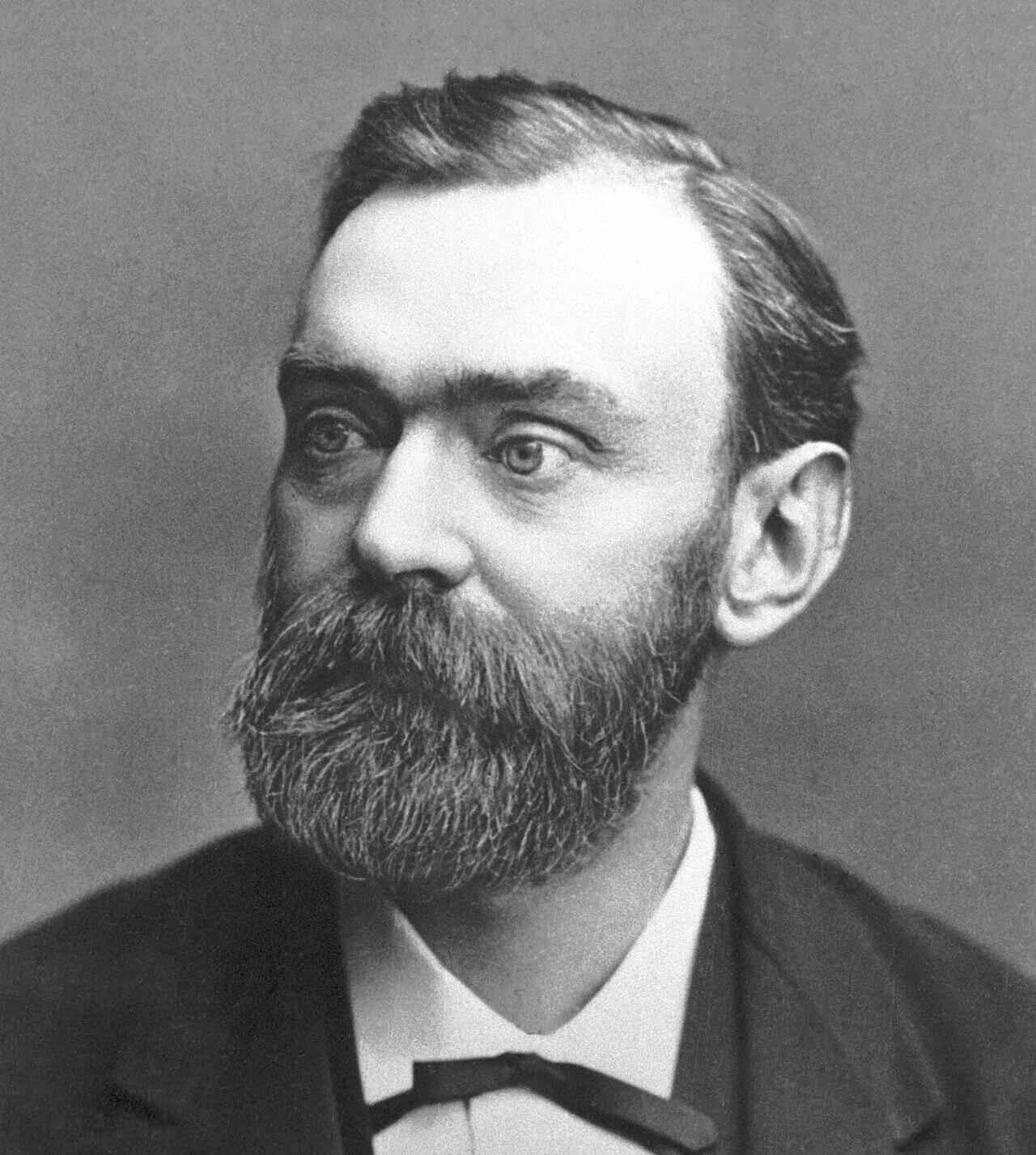
The Nobel Prize in Chemistry was established through the will of Alfred Nobel, a Swedish chemist and inventor who directed that his fortune be used to recognise scientific work that benefits humanity.
The first awards were presented in 1901, placing chemistry alongside physics and medicine as one of the original Nobel disciplines. As time has gone on, the prize has become a sort of marker of where the field of chemistry is likely to head in the future.
The Nobel Prize in Chemistry is awarded by the Royal Swedish Academy of Sciences, and the ceremony takes place each year in Stockholm on 10 December (the anniversary of Alfred Nobel’s death).
Nobel Prize Selection Process and Criteria 🔍
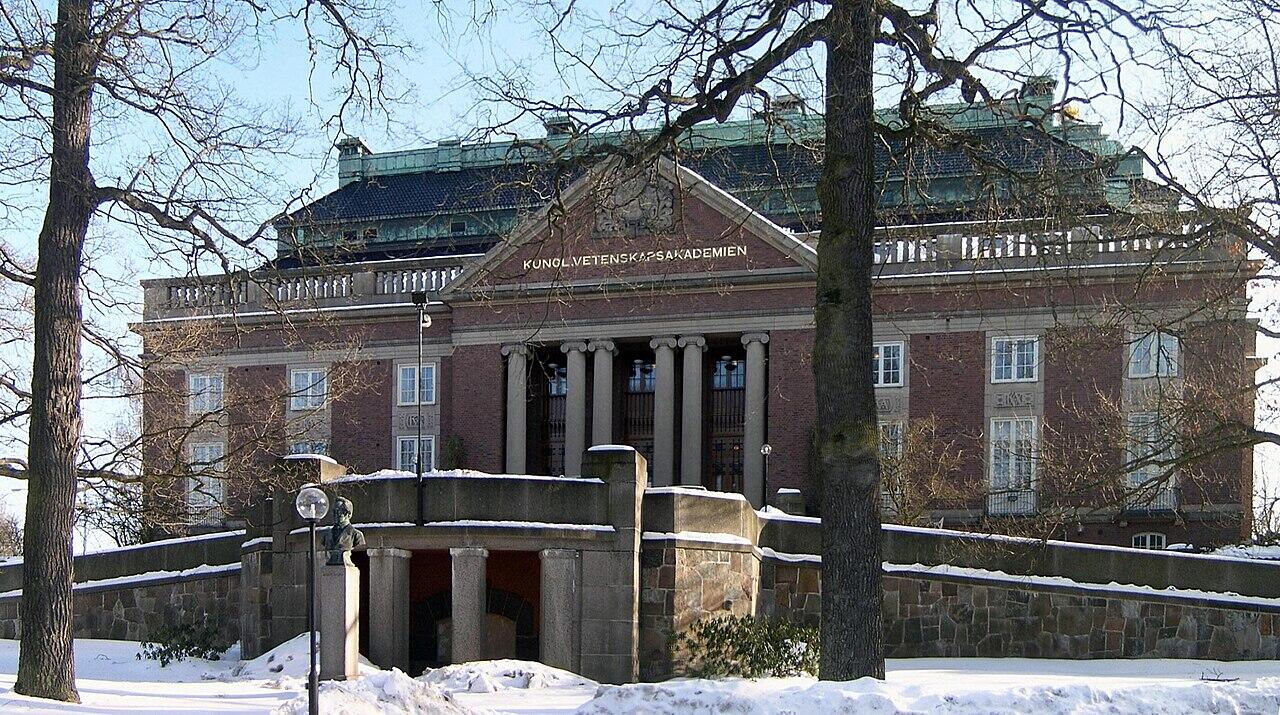
The process of selecting a Nobel Prize winner in Chemistry is detailed and time-consuming but can be broken down into a few clear stages that make it easier to follow. We've explained how it works below.
Not all discoveries in chemistry are recognised straight off the bat. It can take years for other scientists to test said work and see how useful it is across different areas of research. Additionally, nominations and committee reports remain confidential for 50 years, meaning the full details of each year’s decision are only made public decades later.
Autumn
Invitations to nominate are sent worldwide
Winter
Nominations are submitted and compiled
Spring -Summer
Scientific evaluations and expert reports are prepared
Early October
Laureates are announced
Profiles of Chemistry Nobel Prize Winners
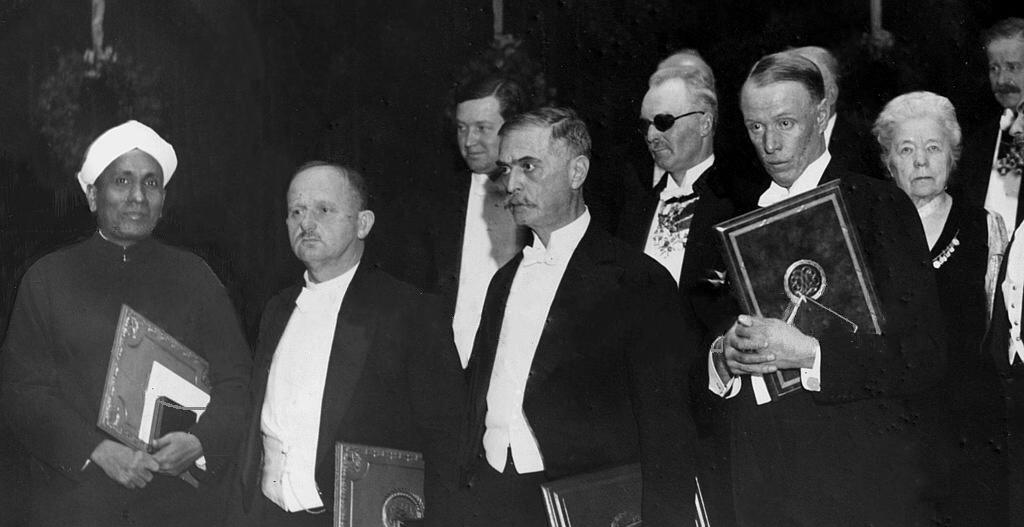
Interested in finding out some of the most famous Chemistry Nobel Prize winners in history? In this short section, we’ll hand pick profiles of some of the most influential figures from different periods in history.
Jacobus Henricus van ’t Hoff (1901)
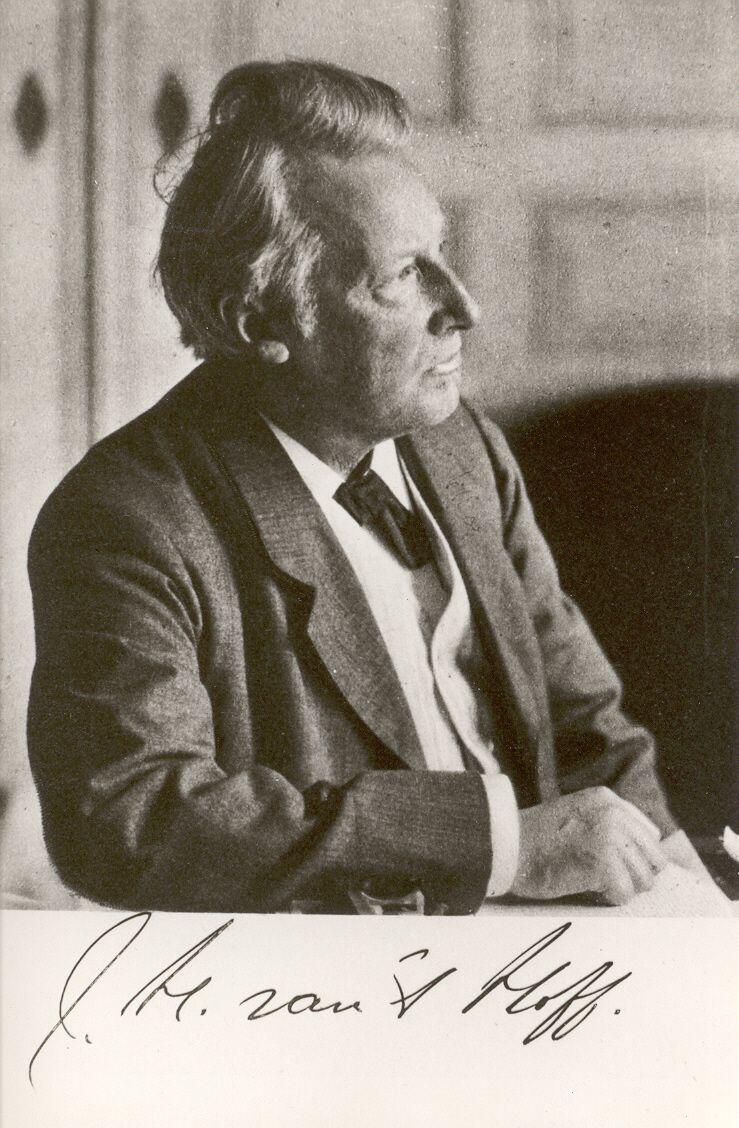
The first chemistry Nobel Prize winner, Van’t Hoff is often seen as one of the figures who helped move chemistry toward a more theoretical and mathematical approach. His work focused on how reactions behave in solutions and why chemical systems tend to settle into balance rather than remain fixed1.
Hermann Emil Fischer (1902)
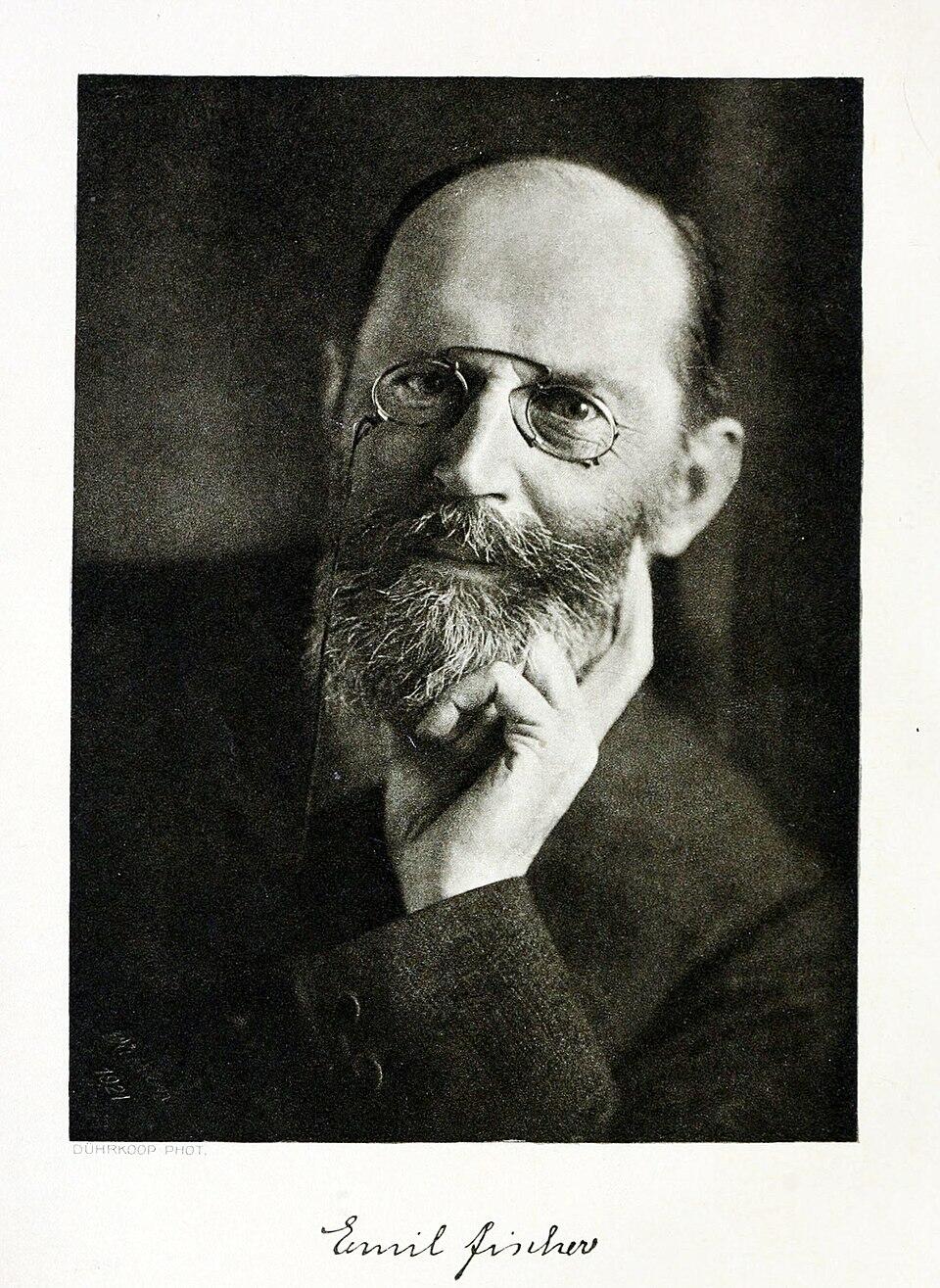
Fischer’s research helped connect traditional organic chemistry with the chemistry of living systems. By studying sugars and purines, he clarified how complex biological molecules are built and how they function at a chemical level.
Ernest Rutherford (1908)
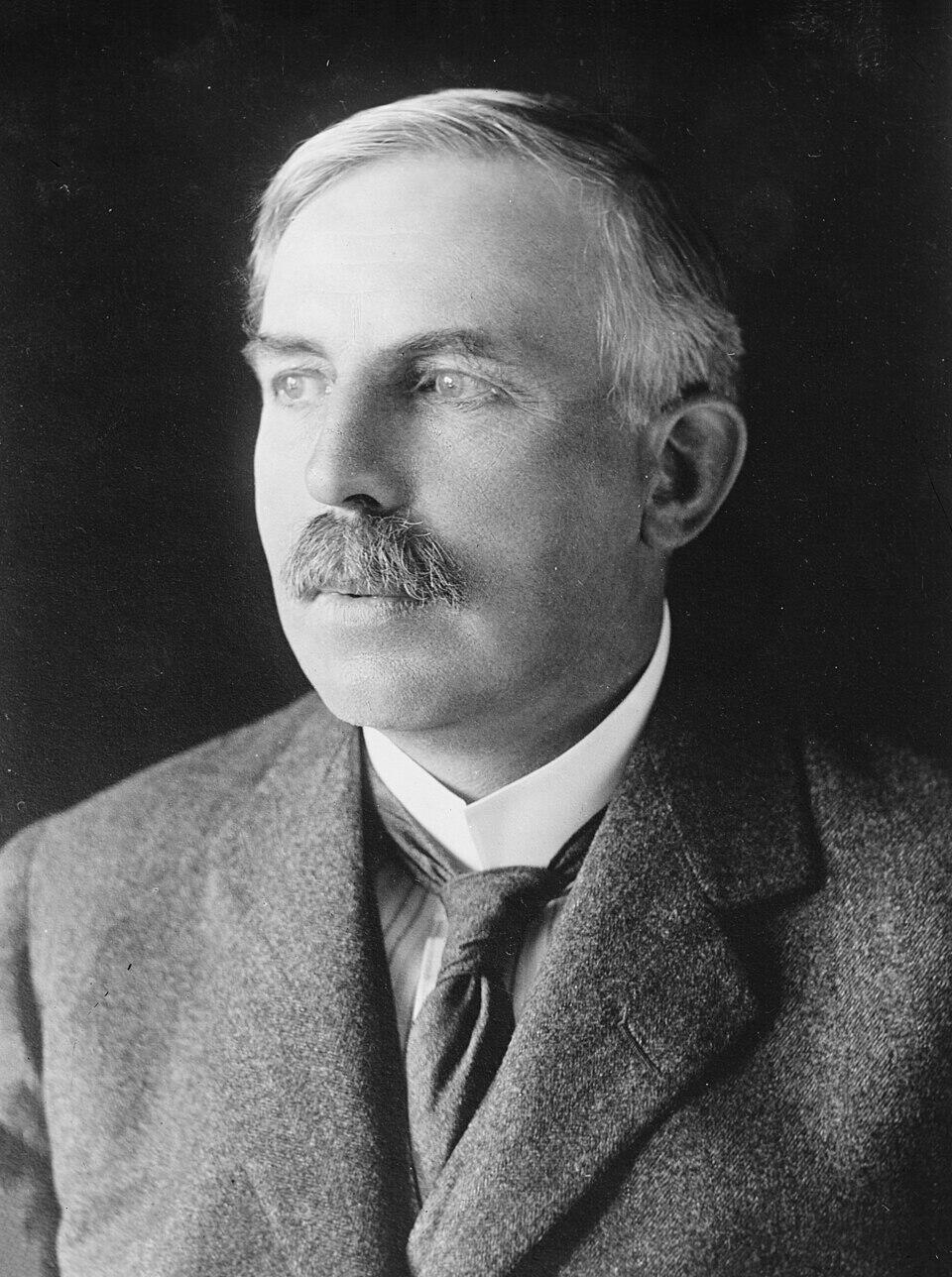
British-born chemist Ernest Rutherford’s work changed how scientists thought about the atom itself. His research into radioactive substances showed that elements could break down and transform, opening the door to modern nuclear and atomic science.
Marie Curie (1911)
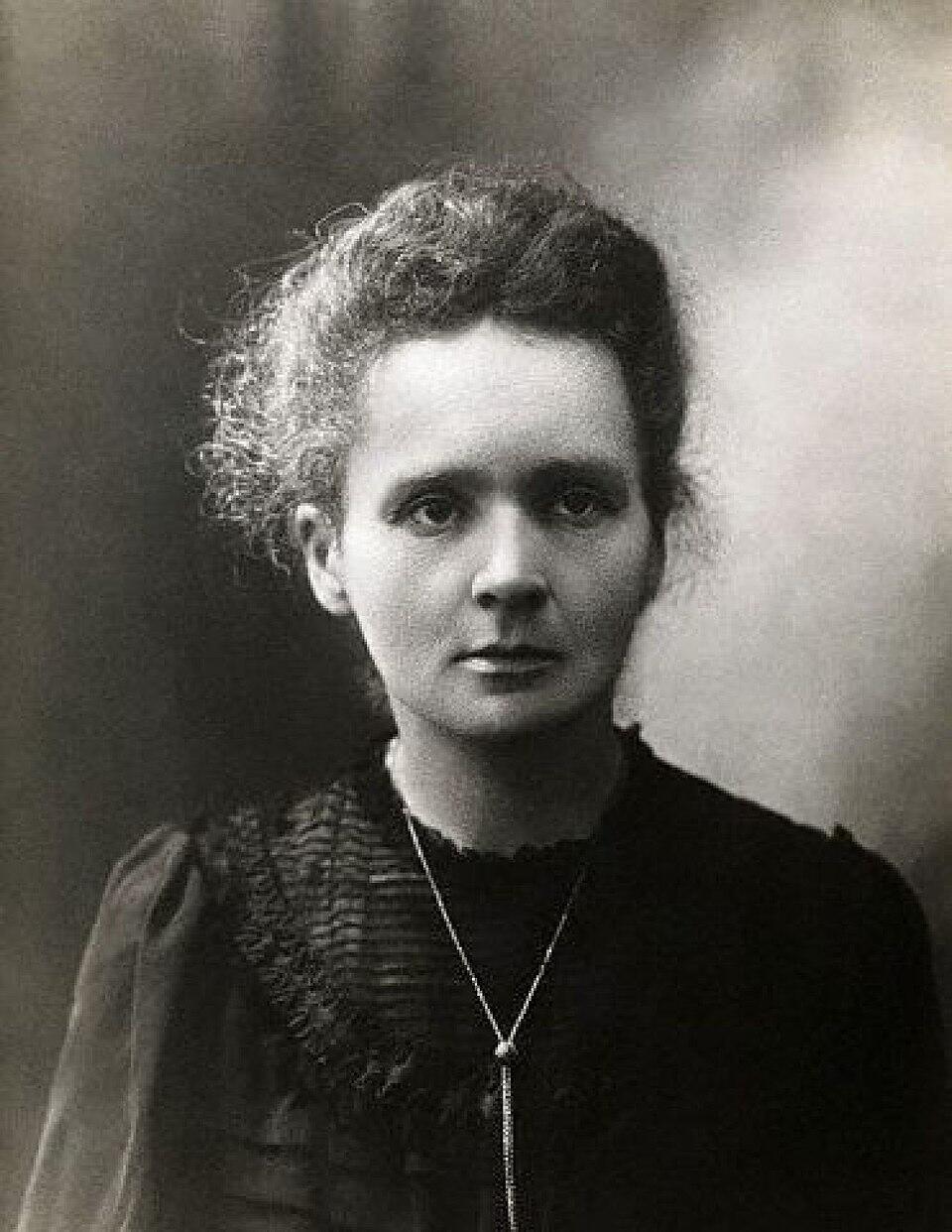
Almost everyone has heard the name Marie Curie, and her influence reaches far beyond chemistry alone. Her discoveries of radium and polonium turned radioactivity into a field that could be measured, studied, and applied in both science and early medical treatment.
Linus Pauling (1954)
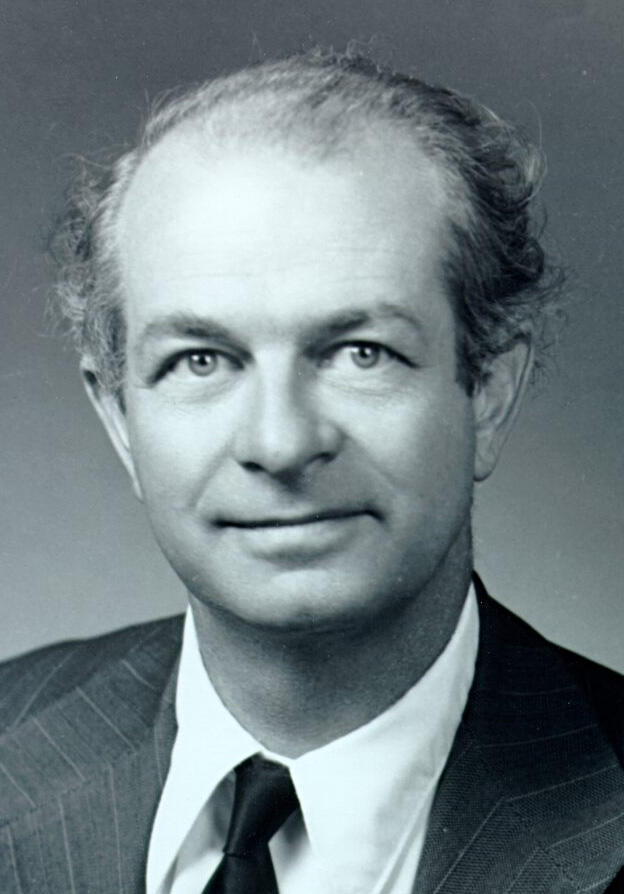
Linus Pauling was an American chemist whose research into the chemical bond helped explain how the structure of molecules relates to their behaviour.
David Baker
David Baker is an American biochemist known for using computer-based methods to design new proteins and predict how they fold, work that earned him the 2024 Nobel Prize in Chemistry alongside Demis Hassabis and John Jumper2.
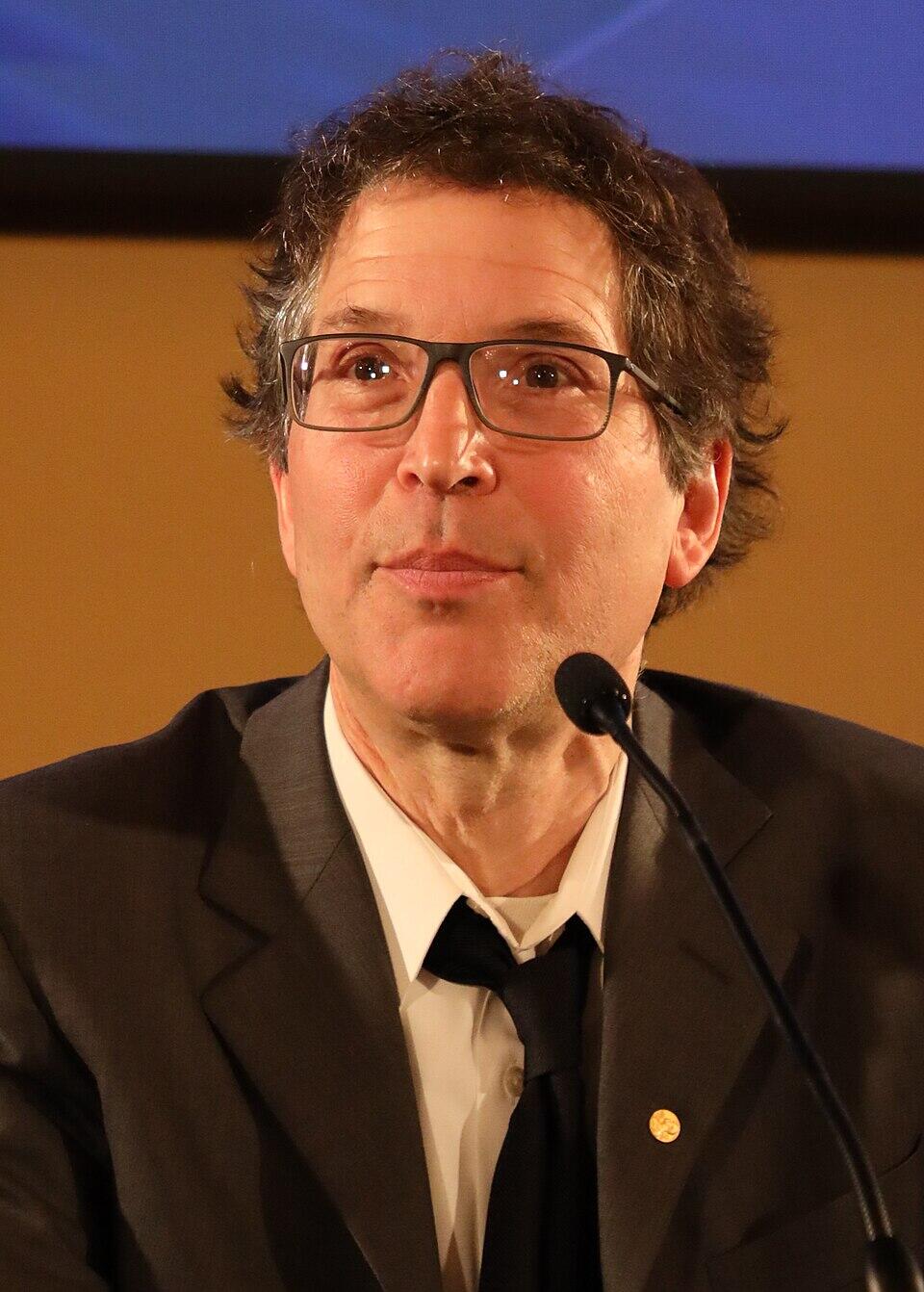
Who Won the 2025 Nobel Prize Chemistry Award?

Last year, the 2025 Nobel prize was actually given to three different individuals (a recent trend), Susumu Kitagawa, Richard Robson, and Omar M. Yaghi for their creation of metal organic frameworks, also known as MOFS.
Why does that matter? Well, it helps to think of MOFs like an ultra-fine sponge you cannot see. They can soak up carbon dioxide from the air, store hydrogen for clean energy, and even pull water out of dry air. In simple terms, their work opened the door to new ways of tackling problems linked to pollution, energy storage, and water shortages - all major problems that need solving in our modern day climate.
Between them, the three winners were awarded a total prize of 11 million Swedish kronor (roughly around £820,000 or $1 million USD).
Chemistry Nobel Prize Winners by Decade ⏳
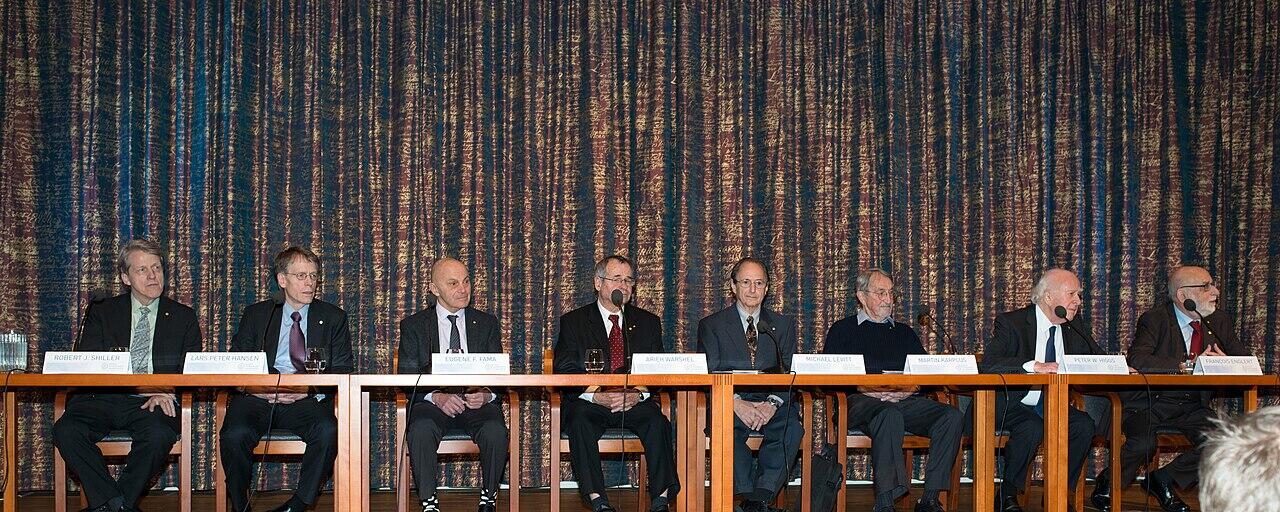
Looking at Chemistry Nobel Prize winners by decade helps paint a broader picture of how the subject has evolved. Some eras are rooted in figuring out how matter behaves at its most basic level.
Meanwhile, others lean more into biology or the growing role of computers in the lab. The names listed below offer a snapshot of the many exciting ideas and discoveries that stood out in each period.
1900s - Establishing Chemical Foundations
1901
Jacobus Henricus van ’t Hoff
Awarded for discovering the laws of chemical dynamics and osmotic pressure in solutions
1902
Hermann Emil Fischer
Recognised for his work on sugar and purine synthesis
1904
William Ramsay
Honoured for discovering the noble gases
1908
Ernest Rutherford
Awarded for his investigations into radioactive substances and the transformation of elements
1910s - Radioactivity and Molecular Structure
1911
Marie Curie
Recognised for discovering the elements radium and polonium and advancing the study of radioactivity as a measurable chemical process.
1912
Victor Grignard & Paul Sabatier
Awarded for developing chemical reaction methods that became essential tools in organic synthesis and industrial chemistry
1913
Alfred Werner
Honoured for his work on coordination compounds
1918
Fritz Habe
Recognised for developing the process to synthesise ammonia from nitrogen and hydrogen
1950s - Mapping Molecules and New Elements
1951
Edwin McMillan & Glenn T. Seaborg
Awarded for discovering and studying transuranium elements, therefore expanding the known boundaries of the periodic table
1952
Archer Martin & Richard Synge
Recognised for developing partition chromatography
1954
Linus Pauling
Honoured for explaining the nature of the chemical bond and how molecular structure influences chemical behaviour
1990s - Chemistry and Genetic Research
1993
Kary Mullis & Michael Smith
Awarded for developing techniques to copy and modify DNA
1994
George A. Olah
Recognised for his work on carbocations
1997
Paul D. Boyer & John E. Walker
Honoured for explaining how ATP synthase produces energy inside living cells
2010s - New Ways to Build Molecules
2010
Richard Heck, Ei-ichi Negishi & Akira Suzuki
warded for developing palladium-catalysed cross-coupling reactions, which made it easier to construct complex molecules
2016
Jean-Pierre Sauvage, Sir J. Fraser Stoddart & Bernard Feringa
Recognised for creating molecular machines
2019
John B. Goodenough, M. Stanley Whittingham & Akira Yoshino
Honoured for developing lithium-ion batteries which can be found in tons devices nowadays
2020s - Precision and Design
2020
Emmanuelle Charpentier & Jennifer Doudna
Awarded for developing CRISPR-Cas9, a tool that allows scientists to edit DNA with high precision
2023
Moungi Bawendi, Louis Brus & Alexei Ekimov
Recognised for discovering and developing quantum dots - essentially nanoscale particles with unique light and electronic properties
2024
David Baker, Demis Hassabis & John Jumper
Honoured for using computational methods to predict protein structures and design new proteins
2025
Susumu Kitagawa, Richard Robson & Omar M. Yaghi
Awarded for creating metal–organic frameworks. Types of materials with open and sponge-like structures that can trap and filter gases and chemicals.
Impact of Nobel Prize-Winning Discoveries on Society
If you trace some of the biggest changes in modern tech and medicine back far enough, a surprising number of them lead back to work that started in small, unassuming chemistry labs. For example, more advanced types of batteries, better medical tests, and tons of other innovative ideas can all be linked back to ideas that were first recognised by the Nobel committee.
Technological Advancements ⚙️
Rather than changing the look of technology overnight, Nobel-recognised chemistry has often changed how it is designed, tested, and maintained. Many of these advances sit behind the scenes, influencing the systems that make modern tools more reliable and efficient.
- Quality monitoring: Chemical sensors and surface analysis tools are used to track wear, corrosion, and contamination in factories, buildings, and infrastructure.
- Environmental systems: Chemical methods help monitor air and water quality, supporting pollution control and safety standards
- Precision manufacturing: Careful control of chemical reactions and materials allows components to be produced with tighter tolerances, which matters in fields like aerospace, medical devices, and microelectronics.
Many modern touchscreens and LED displays, as well as camera sensors, rely on chemical research behind materials that control how light and electricity behave at very small scales
Medical Breakthroughs 🧬
Nobel prize winners have also contributed to their fair share of medical breakthroughs, which have been adopted by hospitals and medical centres all over the world.
Additionally, a large percentage of diagnostic tests used in hospitals began as chemical methods for identifying and separating molecules in research labs before being adapted for clinical use
- Improved medicines: By learning how specific molecules behave inside the body, researchers have been able to develop drugs that target specific issues.
- Clearer medical scans: Special substances are used during scans and lab work to make organs and tissues easier to see and study
- Methods of working with genetic info: Methods for handling DNA that now support screening for inherited conditions and guide research into new treatment approaches
References
- Nobel Prize in Chemistry 1901. (n.d.). NobelPrize.org. https://www.nobelprize.org/prizes/chemistry/1901/hoff/biographical/
- Nobel Prize in Chemistry 2024. (n.d.). NobelPrize.org. https://www.nobelprize.org/prizes/chemistry/2024/press-release/
Summarise with AI:
Did you like this article? Leave a rating!

 Loading...