


The internet should be a blessing as far as education and entertainment are concerned. Young people now have access to virtually all of the useful information they could ever wish for. The world is more interconnected, and there is a lot to be thankful for. But the internet comes with its downsides and learning about online safety for kids is crucial to ensure they can spot the risks and know how to deal with problems.
Here, we’re exploring some ways that you can teach a class about online safety and what it means. It is virtually impossible to prevent young people from being exposed to some of the issues with the internet, but with a little bit of information about online safety, everybody can be a little more cautious.
Over 80% of children (aged 12-15) have had potentially harmful experiences online according to the Government’s Online Safety Data Initiative.
Want to give private lessons?
Join the Superprof community and share your knowledge with interested and motivated students.
Understanding Cyberbullying
One of the biggest online dangers children face is cyberbullying. Cyberbullying is any form of bullying that takes place over digital platforms like social media and on forums. It can be particularly harmful because it can happen at any time and often goes unnoticed by adults. Anti-bullying workshops can help to raise awareness.
It’s harder for students to escape from cyberbullying, as the digital world is always present in their lives – if they have access to a digital device or a games console, there are ways to connect with others. Security is essential.
Cyberbullying can take many forms, including:
- Sending hurtful messages or threats over apps like WhatsApp or Snapchat.
- Posting embarrassing photos or videos on platforms like Instagram or TikTok.
- Spreading rumours or sharing private information online.
- Excluding someone from an online group or game.
It’s important for teachers to be aware that even if bullying doesn’t happen on school grounds, it can still affect a child’s wellbeing and academic performance.
One way to start conversations about cyberbullying is through classroom discussions and activities during events like Anti-Bullying Week, which takes place every November in the UK.
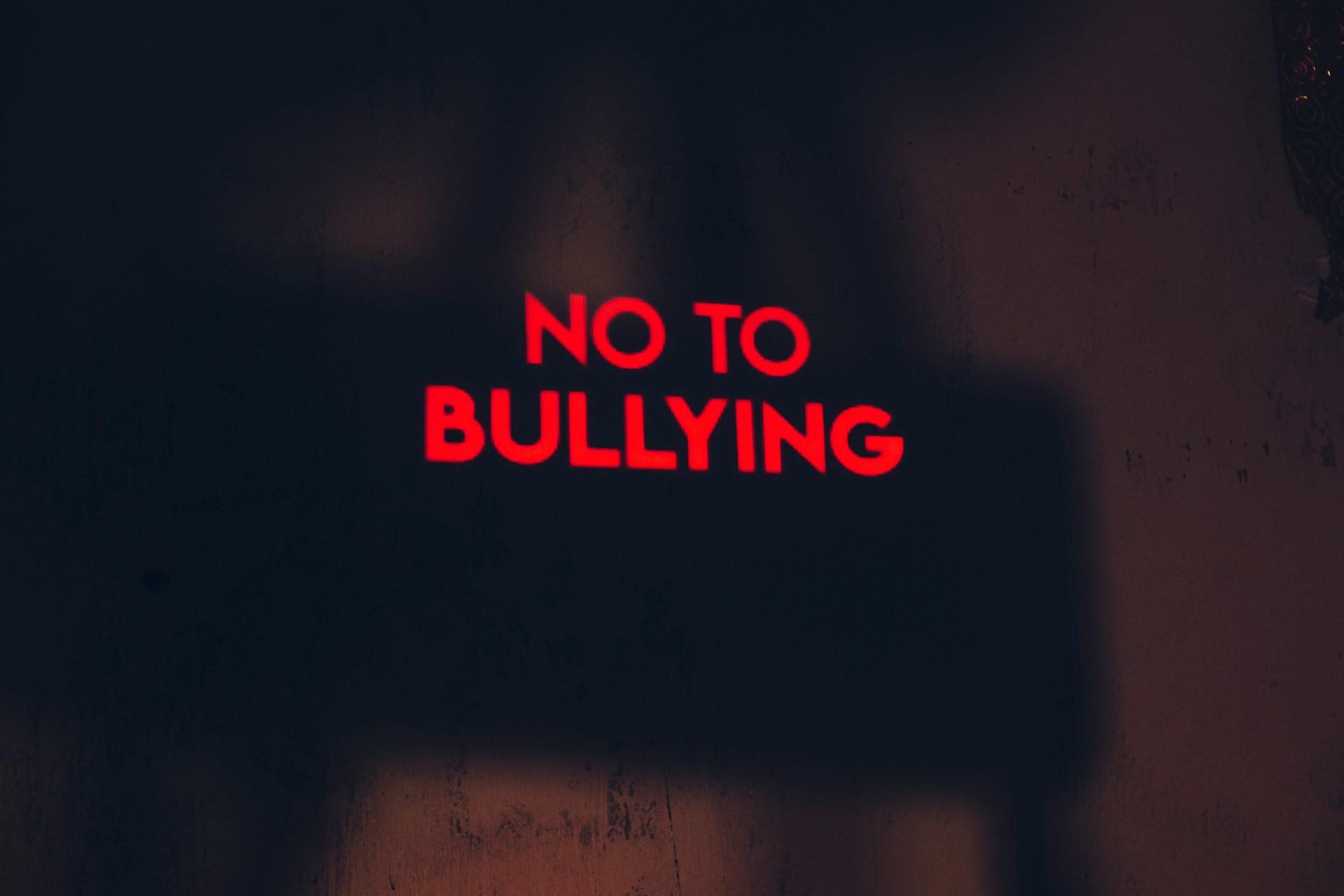
These events can provide structured opportunities to talk about both online and offline bullying that takes place in classrooms, encouraging students to think about how their behaviour affects others and what a safe classroom environment looks like. There are also a lot of great resources available on the organisation’s website, including a section for teachers.
Teaching Digital Citizenship
Digital citizenship is about teaching children to be responsible and safe online. Just like learning how to behave in the real world, students often need guidance on how to interact appropriately in the digital space.
Schools play a crucial role in this, as many children don’t naturally think about the long-term consequences of their online actions and how to stay safe online.
Here are some of the key principles of digital citizenship that you can incorporate into your lessons:
Respect For Other People Online
Encourage students to treat others with kindness and respect, just as they would in person. This includes avoiding name-calling, sharing hurtful content, or engaging in any form of online harassment.
Protecting Personal Information
Teach students to be cautious about sharing personal details like their full name, address, or phone number online. Even sharing seemingly harmless information, like where they go to school, can make them vulnerable.
Understanding Privacy Settings
Many students don’t realise the importance of privacy settings on social media and apps. Encourage them to regularly check their privacy settings to ensure only trusted friends can see their posts or messages.
Want to give private lessons?
Join the Superprof community and share your knowledge with interested and motivated students.
Tools for Monitoring Online Activity
While children should rightly be given the chance to explore the internet, it’s important to have measures in place to keep them safe.

As a teacher, you don’t have any control over what students do online at home, but you can encourage parents to use tools that monitor online activity to protect their children from inappropriate content or potential risks. Education is key here.
Here are some tools that can help both teachers and parents:
Content Filters
These are used to block inappropriate websites, such as those with adult content or violence. Schools typically use filters to ensure students don’t accidentally (or intentionally) access harmful material while using school computers. Tools like Smoothwall and NetSupport are popular in UK schools.
Monitoring Software
These tools track students’ online activity, flagging any potentially harmful behaviour such as visits to dangerous websites or inappropriate conversations in chat rooms. Programs like Securus and Impero can be used in schools to monitor online activity and alert teachers if there is cause for concern.
Parental Controls
Encourage parents to set up parental controls on home devices. Apps like Qustodio and Norton Family allow parents to monitor their child’s screen time, filter inappropriate content, and even see who their child is communicating with online.
Teachers don’t normally need to be technical with implementing any of this. The school’s IT department will be able to handle things like parental controls and monitoring software, but safe behaviour should be encouraged in the classroom and beyond, and young people need to be educated on how to behave online.
Cyber threats are constantly changing and it may help to keep abreast of the developments in the online world.
Teachers should dedicate some time to teaching children IT skills and how to behave online, as well as helping them to understand the role of software and parental controls. Anti-bullying week can be a good opportunity to direct some lesson time to this particular topic.
Reporting and Responding to Online Bullying
It’s inevitable that some students will encounter unpleasant or harmful behaviour online. Whether they are the victims of cyberbullying or witnesses to it, knowing how to report and respond to online bullying is essential. Teaching students to about cyberbullying and helping them understand its impact on others is crucial.

Encouraging students to report. One of the biggest challenges with online bullying is that students may feel too embarrassed or scared to speak up. They might worry that reporting the bullying will make things worse, or they may not even realise that what’s happening is considered bullying. Encourage students to report any incidents they experience or see to a trusted adult.
Within a school environment, some simple steps can ensure everybody knows how to respond.
- Make it clear that reporting bullying isn’t “snitching” or making the situation worse.
- Let students know that there are always safe ways to report issues anonymously.
- Create a culture in your classroom where students feel safe speaking up without fear of judgement or retaliation.
If a student is being bullied online, their parents should be informed. Work together with parents to find a solution that ensures the child feels safe and supported. This might involve talking to the parents of the bully or even involving the school’s safeguarding team.
Building a Positive Online Environment
While it’s essential to address the risks of the online world, it’s also important to promote the positive aspects. The internet offers children a fantastic platform for young people to follow their passions and to learn. By teaching children how to navigate it safely and responsibly, we give them the tools to make the most of the opportunities the digital world has to offer.

Promote kindness and respect online, just as you would in the classroom. Discuss the impact of “trolling” or mean comments on social media, and teach students to be supportive of one another in digital spaces.
Keeping parents informed about online safety is vital. Send regular updates on what’s being discussed in class and share resources for safe internet use at home. It can be hard to keep on top of this, but it is worthwhile when it comes to safeguarding others. Some books and other learning materials can be helpful for educating the class.
Help With Online Safety From Superprof
Teaching children about online safety is an ongoing process. As the internet continues to evolve, so too do the risks associated with it.
Teachers can also connect to other tutors and find out the best ways that they have built classroom environments that are safe as well as being effective. Our resources are aimed to help you with running your classroom effectively, but there are also many other teachers on our platform, as well as experts on matters like security. Reach out to a tutor today for help with creating a safe online environment.
Want to give private lessons?
Join the Superprof community and share your knowledge with interested and motivated students.
Summarise with AI:
Did you like this article? Leave a rating!

 Loading...
