





Physical geography, a branch of the discipline
How did physical geography —also known as physiography, emerge?
First, physical geography definition: physical geography is defined as the study of the processes that shape the Earth’s surface, such as the animals, the plants that inhabit it and the spatial patterns they exhibit. Since the mid-to-late 1800s, physical geographers and in particular geomorphologists dominated the discipline of geography until the late 1930s. The change in the discipline occurred after the emphasis on the description and classification of climates, biomes, landforms, and an excessive dose of environmental determinism brought physical geography to its lower point in the 1950s. A change in the discipline was much needed, and this happened between the 1950s and 1960s when physical geography and human geography as well underwent a radical quantification period. It is important to note that human and physical geography, are complementary but do not study the same phenomena.
During this time, physical geography was defined as the branch of geography that encompasses the natural sciences and deals with the processes and patterns in the natural environment. This was followed by a period of intense disciplinary specialization in the 1970s, resulting in the recognition of five broad divisions of physical factors in geography:
- Geomorphology
- Climatology
- Biogeography
- Soil science
- Quaternary environmental change
In addition, nowadays, we also count the following subdisciplines and specializations:
- Hydrology
- Glaciology
- Palaeogeography
- Coastal geography
- Oceanography
- Landscape ecology
- Geomatics
- Environmental geography
This might sound abstract and you might be wondering what are some physical geography examples?
The study of rivers, oceans, glaciers, coastal erosion, how are landscapes formed and how they change, or even mathematics applied to physical geography topics.
Why study physical geography?
Thus, if you have a passion for our planet, the environment and how human activity affects the landscapes, weather, and our oceans, studying physical geography will allow you to have a better grasp of the functioning of our planet.
Geography is a broad and diverse subject, it consists of understanding the earth's processes and systems and how humans interact, relate and affect it. Physical geography in particular is focused on physical features of geography, physical processes of geography and how this shapes and reshapes our geographical environment.
For example, how the use of resources in different countries affects our environment and provokes environmental phenomena like abrasion.
When studying physical geography or geography at large, students have to be keen to work in the field and be able to have a broad understanding of the earth's components at different scales in order to deliver a good analysis.
Studying geography can be very rewarding, particularly if you are committed to the environment and want to either make a significant contribution to academia or to the mechanisms of climate change.
What will you study for a Physical Geography degree?
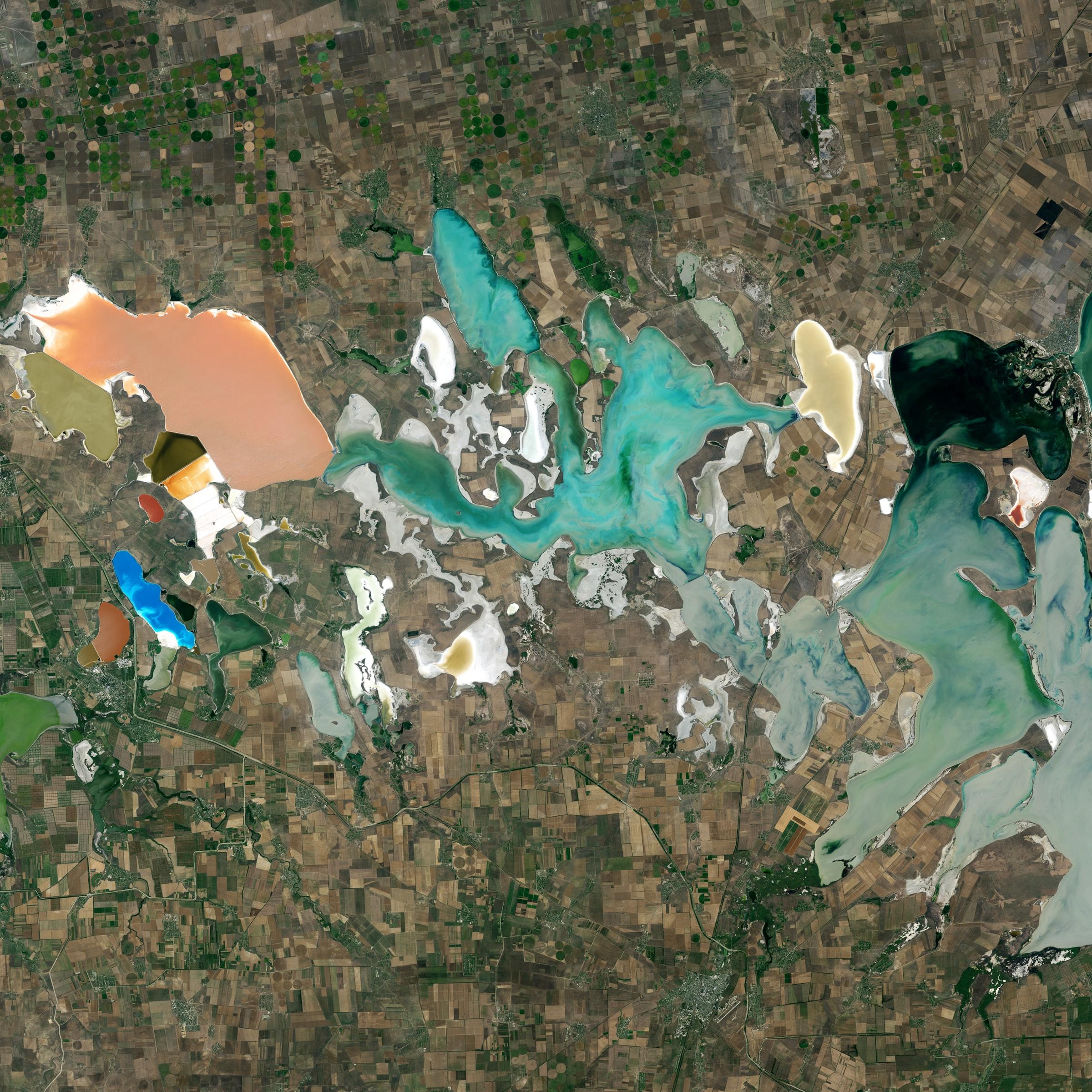
Physical geographer needs to study modelling and analytical techniques, like GIS —Geographic Information Systems and remote sensing are essential courses and modules. Supported by several physical geography pictures that look similar to the ones present in this article.

Therefore, physical geographers have to know relevant knowledge in physics, chemistry, biology and mathematics when necessary to gather and analyse different kinds of data that is collected on-site or remotely. Remote sensing, digital mapping and analysis are among the many exciting work and research physical geographers do. The massive database that has to be processed uses major geo computation expertise to address the main questions physical geographers seek to answer:
What is where? How much is there? What condition is it in?
In order to be prepared to study geography or physical geography, it is necessary to choose wisely your GSCE subjects and your A-Level examination accordingly.
Physical geography in the UK
GCSE geography
Among the 5 main subjects that students must choose for their GCSE qualification, students must choose between Geography or History.
If you are not sure what is the difference between those two subjects or what to expect, here is a first thought: Geography at GCSE tends to look at decision-making, and analytical skills, and it gets you to consider the world in a wider sense on a deep level. History helps you with essay-writing, critical skills and analytical skills. Plus Geography is considered a fairly easy subject, in 2018 the pass rate for students that took Geography was 64.7%.
Focusing on Geography at GCSE, it is the subject that lays the foundation of what geography is and the different disciplines and subdisciplines that exist, as well as the set of skills that every geographer must know, even more so if you are considering including geography in your A-Level examination.
The GCSE specifications in geography are very specific and include the following subject's contents: Locational Knowledge and developing competence in Maps, Fieldwork and Geographical Skills as they study the content of the following four areas of geography: Place: processes and relationships; Physical geography; People and environment; Human geography.
A-Level Geography
The A-Level geography subject has integral content that will prepare you for your university application. AQA A-Level geography defines the programme content for this discipline, it entails four main subjects or components divided into several modules, physical geography is one of them and is composed as follows:
- Physical geography, which includes the following modules and courses to give you a grasp of the subject content you will have to study
- Water and carbon cycles
- Hot desert systems and landscapes
- Coastal systems and landscapes
- Glacial systems and landscapes
- Hazards
- Ecosystems under stress
The A-Level Physical geography exams assessment
The exam will bring you an introduction to physical geography and the environment while preparing you for a physical geography degree.
Each of the subjects or components is assessed differently, physical geography for instance will be assessed as a written exam with different questions on the topics of the modules. This assessment lasts around 2 hours and 30 minutes and both count around 120 marks each and both together represent 80% of the exam total exam.
What do you need to study geography in the United Kingdom?
Universities in the UK are some of the most highly regarded in the world, and for good reasons. Some of the world's most highly regarded research takes place in British universities, which are regularly featured in international rankings.
The United Kingdom has a tied history with the progress in physical geography and its development in academia, many universities propose degrees and programmes related to geography. Other significant factors are specific dates or deadlines for the Universities and Colleges Admissions Service (UCAS), the tuition fees and the funding you will need for the international exchange or overseas fieldwork, the tuition fees vary from university to university, and it is best to look up thoroughly at their webpage information to know what you will need to apply. You can also apply for a funding scholarship to support you during your studies, this information is easily accessible through the universities' website.
Most Geography undergraduate (BSc) and graduate degrees (MSc) offer their student and international exchange or residential fieldwork overseas in another university, this allows the students to gather sufficient experience even before their future job.
During the second year of the undergraduate (BSc) programme, most universities offer different modules that will not only enable the development of practical skills but also allow you to specialize in the subject of your choice. The teaching consists of a mix of modules, tutorials, practical classes, workshops, field trips and project work; all these learning experiences require your full attention and commitment to become a physical geographer.
Prepare your revision for Physical Geography
The recent sanitary crisis had made studying at home seem very limiting, but remember that geography is all around us, from the natural and physical world to the human and society that surrounds us.
Physical and human geography level is very demanding regarding the skills and requirements you have to acquire through the years because this will prepare you to be a geographer or physical geographer!
Nowadays physical and human geography need researchers that can keep up with the challenges of our times. Meaningful progress in physical geography is needed to address the stressful effects of climate change on our planet, as we saw earlier in this article the physical geography examples are representative of the issues that need to be resolved to address climate change.
A good way to plan ahead is to create your study and revision timetable, this should include the time you dedicate to studying the core subjects, and modules, dedicate more time to acquire a specific skill or achieve a certain study goal; but it should also include the time in which you gather all the information you might need for your future application including the specific requirements for your A-Level and university exam and applications, tuition fees, specific dates or deadlines for the Universities and Colleges Admissions Service (UCAS).
If you feel comfortable with your study plan and just require a Superprof tutor to support you with a specific topic for physical geography, this is also possible! Remember that asking for help and support from your family, friends and tutors during your studies is essential for your general well-being and for avoiding stressful situations.
Summarise with AI:
Did you like this article? Leave a rating!

 Loading...