

Music is a fantastic subject to teach. Helping others unlock their creative expression and channel it through their instrument is an incredible feeling. However, unlike other subjects you can teach, music is somewhat of a grey area. If you want to learn chemistry, you will go to the most qualified teacher in that area, likewise with something like mathematics you would probably want to do the same. With music though, it isn’t so cut and dried. There aren’t a huge deal of courses which will set you out as a fantastic music tutor for example, and it’s very possible that students looking to learn music respect experience and the approach more than the most qualified tutor. With all this in mind, we’re going to investigate the question further, and assess whether or not it’d be worth your while getting qualifications before embarking on a career as a music tutor. Click here to learn about tutoring jobs.


Experience Matters

Experience playing in a band can help attract students.
Teaching experience
Playing an instrument well is only half the story though. Being a good teacher is the other half. While it’s easy to think that being good at a skill equates to being able to teach that skill, it isn’t always the case. You could be the best guitar player in the world, but if you don’t know how to put the art of playing well into words, in a coherent manner which your student understands and can put into practise, then you will struggle as a music tutor. Some people learn well by osmosis, meaning that if they simply watch someone do something they are able to imitate it, and improve in the process. However, many people need clear instruction and guidance to learn, and this is why it’s crucial that you are able to communicate well. Before jumping into the process of becoming a music tutor, realise that you will have to plan music lessons much as if you were a school teacher. This might not fit into some people’s ideas of what a music lesson is, but at the end of the day, the student is paying you to provide them with value and useful information. So while you may not necessarily need Conservatoire qualifications on the music side of the business, it’s worth considering your teaching ability, and whether you’d benefit from taking some teaching courses. You’ll also have to base how much you charge students based on your level of experience and qualifications, so bear in mind that it can be more profitable to get some courses under your belt. After all, one of the things prospective students will look for as they are looking over the online profiles of music tutors is how many years of teaching experience they have, or failing that, how qualified they are to give music lessons. On that note, if you are considering a career as a music tutor, then a good thing to try is giving test lessons to family members or close friends, and asking them for honest feedback. This way, you can start to evaluate your teaching ability, and get better at it with their feedback. You could also maybe ask for testimonials to get your business up and running in the beginning, provided that they’ve taken several classes with you and it isn’t fabricated.
Are qualifications necessary?
Now that we’ve discussed the importance of experience, and teaching ability, it’s time to answer the big question: are qualifications necessary to become a music tutor? Yes and no. As we touched upon earlier, it can be worth your time having a couple of teaching-based certificates or qualifications to your name in order to bolster your credibility as a tutor. Aside from teaching, there are two other areas in which qualifications could prove useful if you aspirations of becoming a music tutor: the instrument you play, and the type of student you want to teach.
Qualifications for your instrument
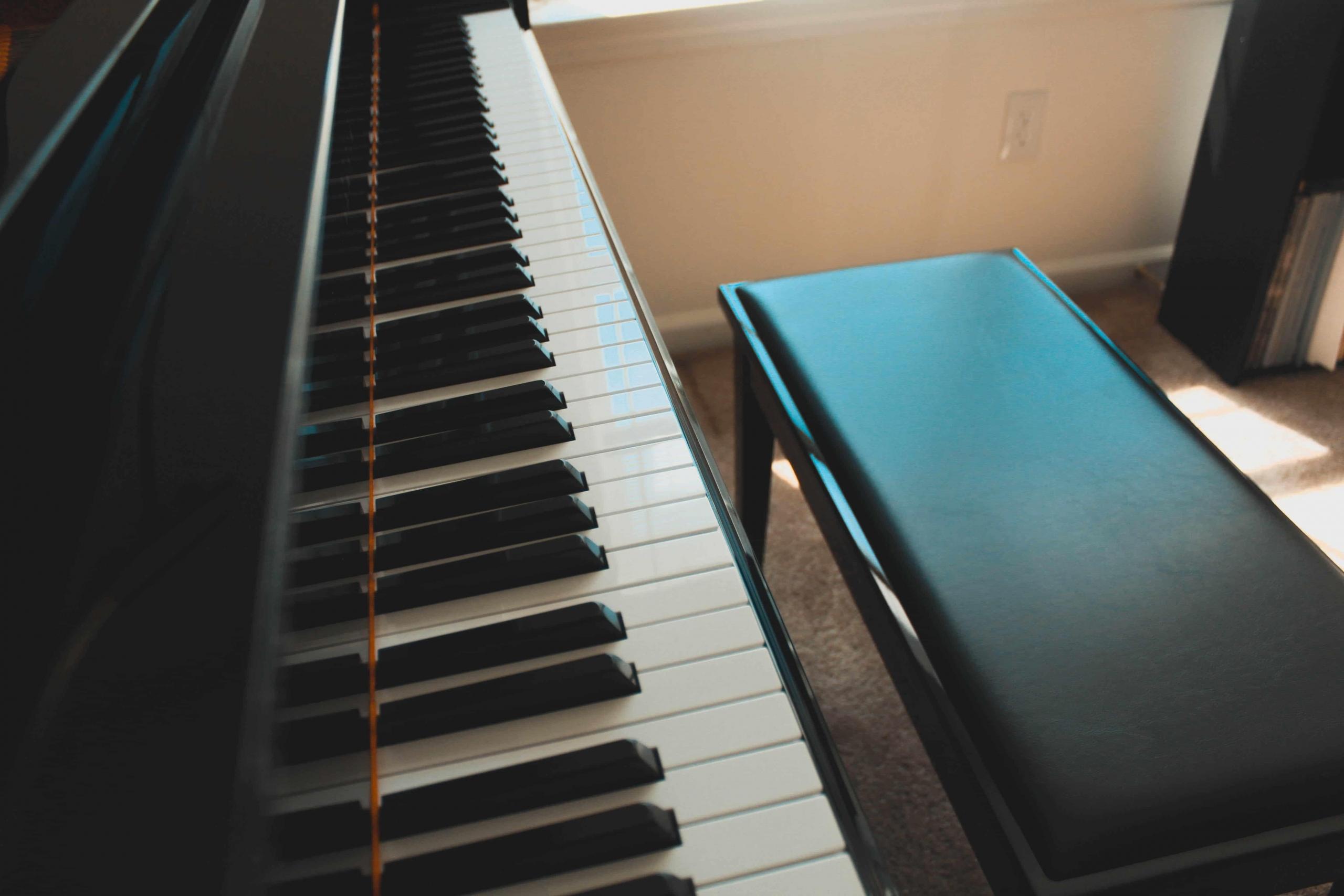
Knowing your instrument well is half the battle with tutoring.
Qualifications for the type of student

Different age groups require you to work towards different qualifications.
Children
There’s no denying that children can be testing students at times. Easily distracted or bored, it can seem like an impossible task to get them to sit still and for the duration of a class. But with the right teaching methods and techniques, you will be able to manage your lessons well and ensure everything goes smoothly. For these types of classes, you could argue that qualifications aren’t hugely important. Parents will want to know you have ability, and can teach children, but whether or not you have the highest qualifications probably won’t matter to them as much as fun lessons for their children. That being said, it might be of benefit to get a CME level 4 certificate under your belt if you’re considering teaching kids. This music certificate will get you up to speed on everything you need to know about music theory, and teaching it to younger learners.
Teenagers
At the age of teenagers, you might find that they are more motivated learners, and have made their own choice to pick up an instrument. This works in your favour, as working with a willing student is always preferable. Whether or not you’ll need qualifications can depend. If the student is looking for purely recreational lessons (which will be a lot of teenagers), then you will probably be fine with some experience and a grade in the instrument they want to learn. If they want to take it more seriously though, and work towards music exams for example, then you will want to brush up on your musical theory, and having a testimonial of helping someone pass their exam will be of use. Of course, starting out you won’t have that, so an option you have is to provide a sample class, so that the student can judge whether or not you are the right person for the job.
Adults
Lastly, we have adults. The most discerning group of the three. With adults the motivation to learn an instrument can vary wildly, so to have the best chance of getting adult students you’ll have to cast a wide net. That is to say, work on getting experience teaching, and see if any qualifications will help you sell yourself, since at the end of the day you will be your business. To this end, a degree certainly wouldn’t hurt, nor would a postgraduate certificate in a related field. That way you will set yourself out from the crowd. Though as we’ve already established, the qualifications themselves aren’t essential to your success as a music tutor, but rather, just a part of it.
Summarise with AI:
Did you like this article? Leave a rating!

 Loading...