Think you know all the flavours France has to offer? Our quiz on French cuisine challenges you to find out in just a few minutes what kind of foodie you are, which regional specialities appeal to you, and where your strengths (or weaknesses) lie. It's quick, fun, and perfect for sharing with your friends. Ready? Let's go!
Quiz
Quiz :Have you just finished our quiz on French cuisine and want to learn more? Great idea! Behind each question lies a piece of history, a region, a technique, or a ritual that forms the basis of traditional French cuisine.
In this article, designed to deepen your knowledge—and improve your score on your next quiz about French cuisine—we offer a clear overview in three sections: history, French specialities by region, and essential techniques.


Historical Milestones: Understanding the Evolution of French Cuisine 🥖
French gastronomy was not built in a day: it is the result of cultural, political, and social developments.
From the Middle Ages to the First Codifications 🏰
In the Middle Ages, aristocratic cuisine valued rare spices (cinnamon, ginger, saffron) and sweet-and-salty contrasts. Banquets were spectacular, and culinary presentation already played a central role.
In the 16th century, Italian influence marked a major turning point with the arrival of Catherine de Medici. With the refinement of sauces, the development of pastry-making, and the increased importance of the art of the table, gastronomy became a symbol of prestige.
17th–18th Centuries: The Birth of Technical Foundations 👨🍳
In the 17th century, François Pierre de La Varenne published Le Cuisinier françois, a seminal work that structured recipes and simplified medieval preparations.
In the 19th century, Auguste Escoffier modernised the organisation of professional kitchens, created the brigade system, and formalised the famous mother sauces:
- Béchamel sauce
- Velouté sauce
- Spanish sauce
- Hollandaise sauce
- Tomato sauce
These basics are still essential knowledge for anyone wanting to ace a quiz on French cuisine!
International recognition 🌍
In 2010, the French gastronomic meal was added to UNESCO's Intangible Cultural Heritage list. This recognition highlights a codified meal structure with:
Apéritif
Appetizer
Entree
Cheese
Dessert
It also highlights a range of cultural practices, such as food and wine pairings and the art of dining.
French Specialities by Region: A Gourmet Tour of France 🇫🇷
To ace a quiz on French cuisine, it is essential to know the major French specialities by region. Here is a concise and structured overview.
[table “us_101763” not found /]North and East: Generous Traditions and Rhineland Influences 🍺
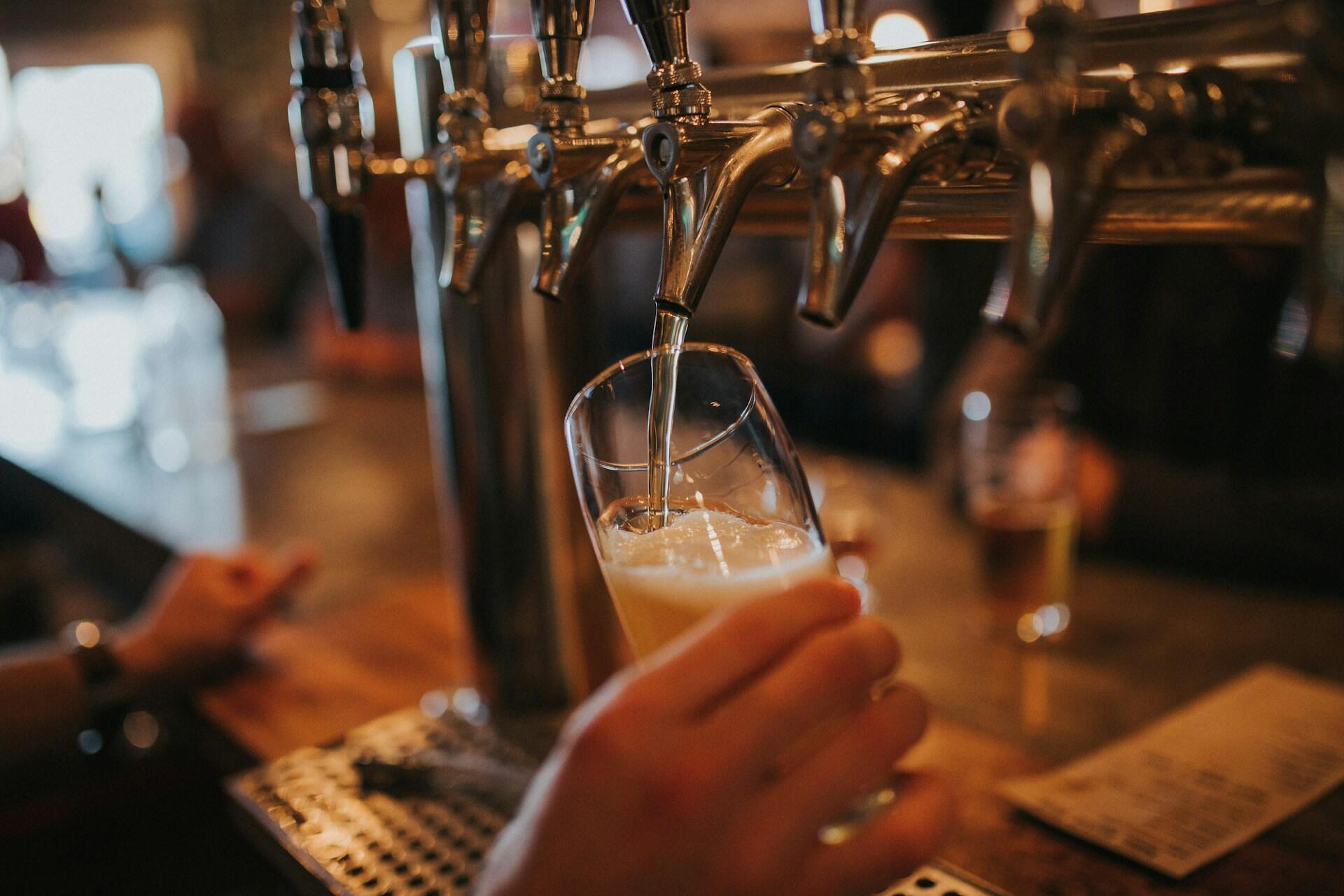
In northern and eastern France, the cuisine is characterised by beer, charcuterie, and slow cooking.
Hauts-de-France
Flemish beef stew, Welsh rarebit
Alsace
Sauerkraut with trimmings, baeckeoffe, kougelhopf
Lorraine
Quiche Lorraine
These iconic dishes often appear in French cuisine quiz-style questionnaires. Keep that in mind to boost your score!
West and Centre: Butter, Local Produce, and Seafood 🧈
Brittany
Buckwheat pancakes, kouign-amann, seafood
Normandy
Camembert, teurgoule, cream and cider dishes
Central Loire Valley
Tours rillettes, tarte Tatin
These regions are known for their expertise in butter and dairy products.
Southwest: Generosity and Rustic Cuisine 🍲
The Southwest embodies a convivial and rich cuisine.
Cassoulet
Duck confit and duck breast
Foie gras
Garbure
Black Périgord truffles and porcini mushrooms reinforce this gastronomic identity.
Southeast and Mediterranean: Sunshine and Olive Oil 🌿
Provence
Bouillabaisse, ratatouille, aioli
Savoie
Raclette, fondue
Lyon
Quenelles and the tradition of bouchons
Aromatic herbs and olive oil dominate in the southeast, while the Alps are known for their mountain cheeses.
Corsica and Overseas Territories: Unique Identities 🌶️
Corsica
Brocciu, fiadone, lonzu
Antilles
Colombo, Creole sausage
Réunion Island
Rougail
These cuisines illustrate the cultural diversity of French gastronomy.
Cooking Techniques: The Basics You Need to Master
Beyond regional specialities, success in a French cuisine quiz depends on understanding fundamental techniques.
The Mother Sauces 🥣
The five mother sauces form a technical foundation:
- Béchamel sauce
- Velouté sauce
- Espagnole sauce
- Hollandaise sauce
- Tomato sauce
They can be used to create dozens of derivative sauces (mornay, béarnaise, etc.).
Cooking Methods 🔥
The main cooking techniques include:
Poach
Cook gently in simmering liquid (ideal for fish or eggs)
Braise
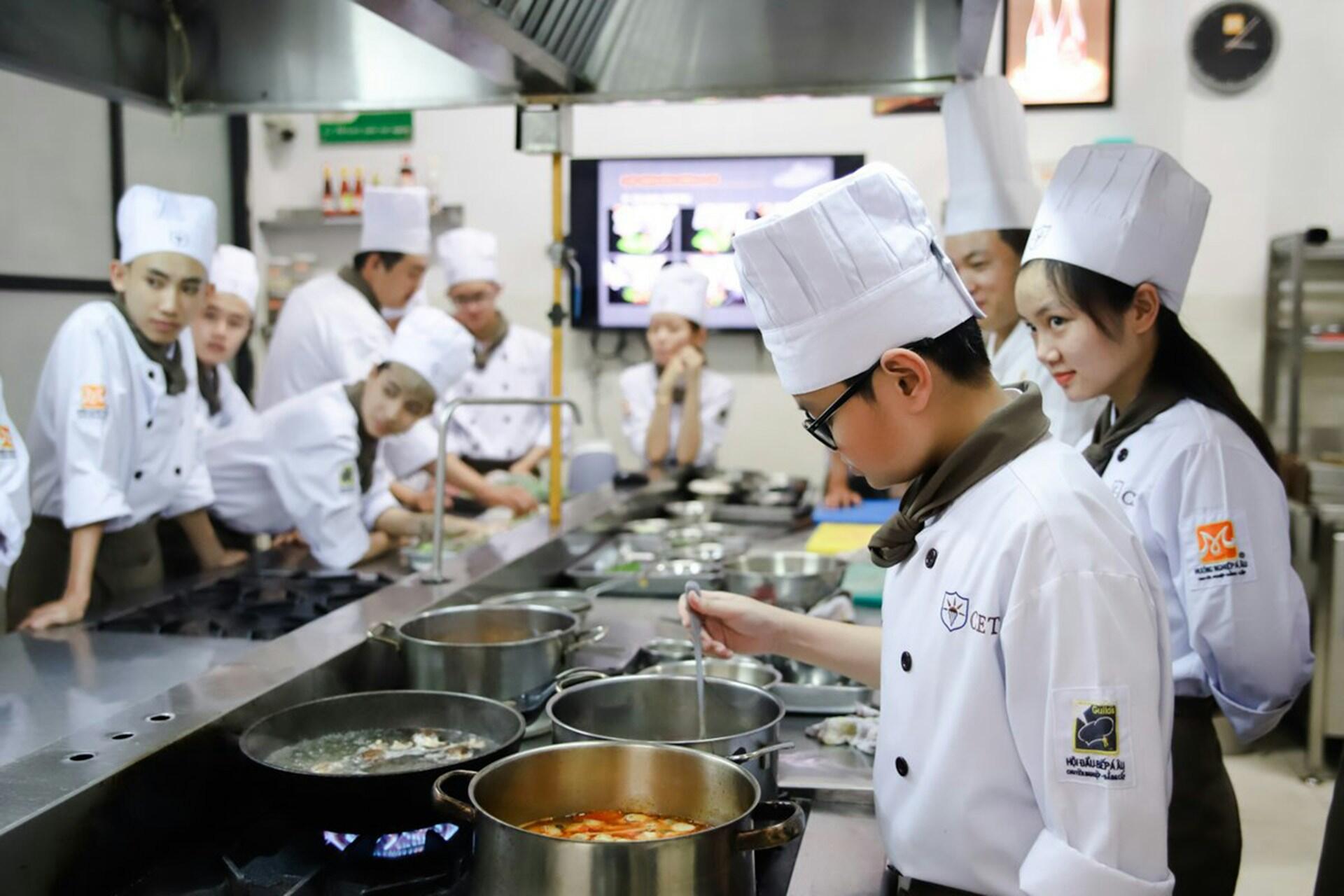
Cook slowly, covered, with an aromatic base, as for beef bourguignon.
Confire
Cook slowly at low temperature in fat, a technique emblematic of duck
Saisir
Cook briefly over high heat to form a caramelised crust, especially for red meats.
These concepts are frequently tested in quizzes on French gastronomy.
Pastry 🍰
French pastry requires precision and rigour: exact weighing, temperature control, and adherence to resting times. A well-made tarte Tatin or puff pastry is a testament to true expertise!
Rituals and Table Manners: French Elegance 🍽️
Traditional French cuisine is not limited to recipes. It includes a set of codes:
- Sequence of the meal (aperitif, appetiser, main course, cheese, dessert)
- Food and wine pairings
- Placement of cutlery
- Importance of bread
The baguette was added to UNESCO's Intangible Cultural Heritage list in 2022, proof of its cultural significance!
Whether your score was modest or excellent, delving deeper into traditional French cuisine will allow you to understand much more than just recipes: you will explore a culture, heritage, and way of life that are recognised worldwide!
Between history, terroirs, and techniques, French specialities by region will soon hold no secrets for you.
All that's left to do is cook, taste... and come back to test your knowledge with a new French cuisine quiz. 🍷
Summarise with AI:
Did you like this article? Leave a rating!

 Loading...