
French pop culture is far more than a playlist of catchy summer hits or a handful of famous film quotes. It’s a cultural framework that shapes how people in France recognise one another. A reference to Kaamelott creates instant camaraderie; quoting Brassens places you in a long musical tradition; knowing IAM signals your generational and regional roots.
From this side of the Channel, French pop culture can feel both familiar and delightfully foreign. This quiz explores the shared cultural touchpoints that define Frenchness—transcending regional, social or age differences.
Quiz
Quiz :


The Importance of French Culture 🇫🇷
French popular culture can sometimes feel like an intriguing mix of the familiar and the wonderfully specific: France watches Netflix and listens to global pop, yet also cherishes references that only make true sense within the country. Who else instantly recognises lines from Les Bronzés? Or feels a wave of nostalgia hearing the theme from Hélène et les Garçons?
Researchers at Sciences Po describe popular culture as “the space where the greatest number of systems of meaning overlap.” In France, this means a blend of globally shared influences and uniquely French traditions—producing a cultural landscape unlike any other in Europe.
French Music: from Brassens to PNL 🎶
French popular music perfectly illustrates this cycle of circulation → exchange → innovation. French rap borrows from American hip-hop but injects the tradition of socially conscious songwriting. PNL samples Atlanta cloud rap, adding a melancholic touch reminiscent of the northern districts of Paris. Orelsan creates rapped storytelling that owes as much to NTM as it does to Brassens.
70% of the Spotify France top 200 are in English, unlike most European countries, where English reigns supreme. Is this a sign of cultural resistance or exceptional local creativity? Probably both.
It's never a simple copy. Each wave of French music digests its influences and creates something specifically French. The French Touch of the 90s and 2000s (Daft Punk, Air, Justice) took American disco and Chicago house to create a sound immediately identifiable as French. How? It's hard to say precisely—and that's what's so fascinating.
French Cinema: Between Auteurs and Blockbusters 🎬
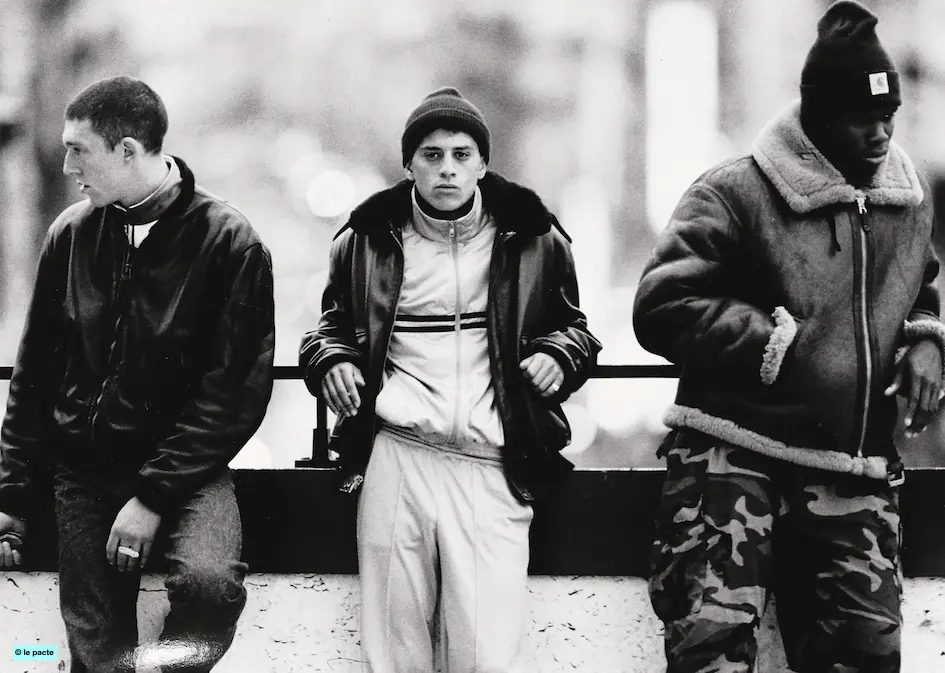
French cinema has a schizophrenic relationship with popular culture. On the one hand, there's the auteur tradition (Truffaut, Godard, now Sciamma or Dupieux) that rejects "mere entertainment." On the other hand, there are popular comedies that are box-office smashes: Welcome to the Sticks, The Intouchables, the films of Boon or Nakache.
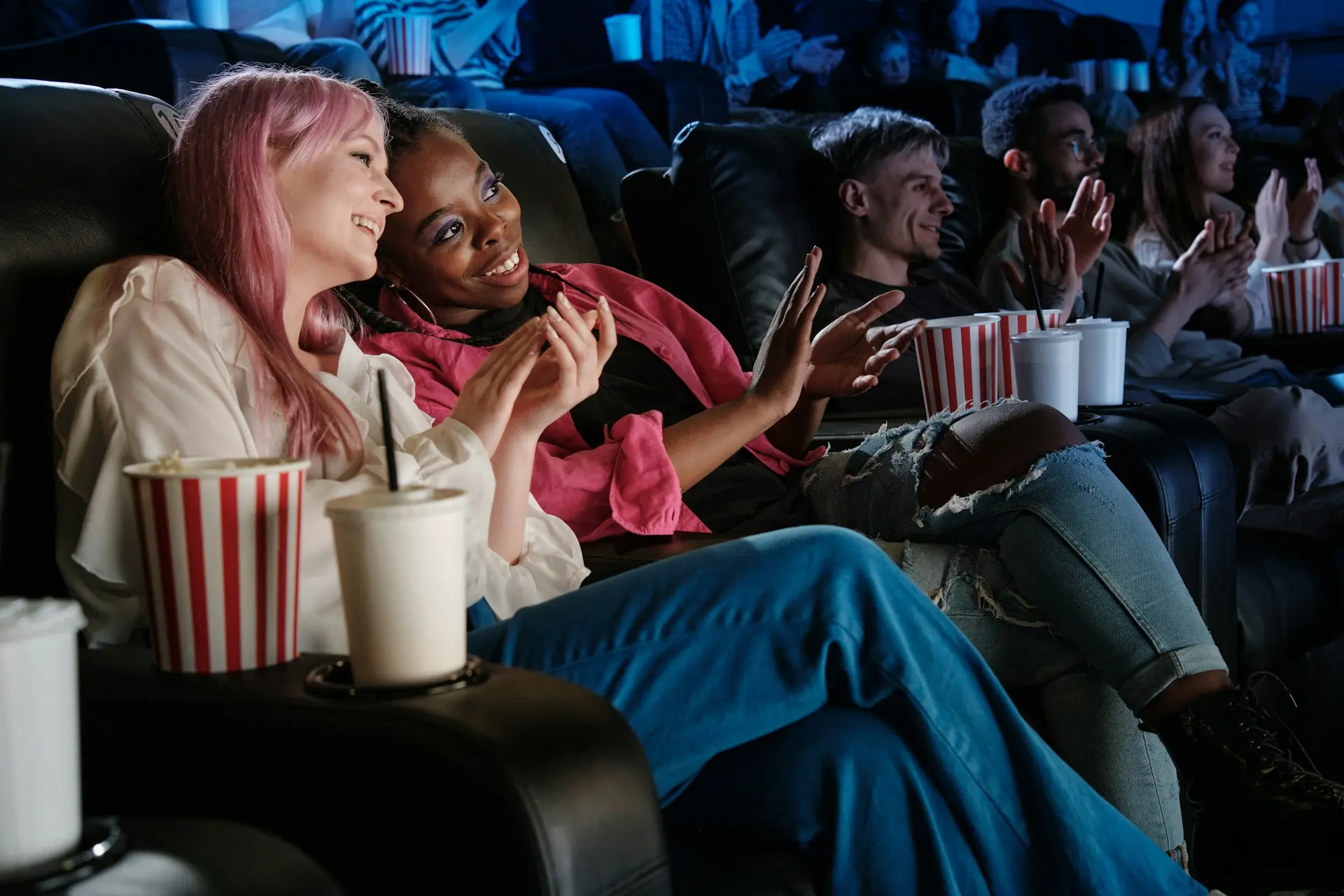
This tension creates a unique situation where the French "general public" can simultaneously adore unabashedly bad films and fiercely defend the Palme d'Or. They mock the César Awards while watching them religiously. They say that French cinema "no longer inspires dreams" while filling theatres for the latest Dujardin film.
Cult French directors – from Besson to Jeunet to Ozon – navigate between these two poles, creating works that are both popular AND ambitious. It is this ability not to choose that perhaps best defines contemporary French cinema.
French Television: A Quiet Revolution 📺
For decades, French television was the poor relation of French pop culture. French series? Plus belle la vie and... that was it. Then Netflix and Canal+ changed everything. Lupin became a global phenomenon. Le Bureau des Légendes rivalled the best American series. Dix pour cent sold in 100 countries.
This French television revolution illustrates how popular culture transforms through interaction with the outside world. Faced with Netflix's standards, French productions have had to raise their game. The result? A golden age for French television series, finally creating generational touchstones comparable to those produced by music or film.
French Literature: From The Classics to Graphic Novels 📚
French popular literature spans two strong traditions: the classic novel (Hugo, Dumas, Verne, who were the blockbusters of their time) and Franco-Belgian comics (Tintin, Asterix, Lucky Luke). These two traditions create a unique literary landscape where the graphic novel is considered a legitimate art form, not a subgenre for children.
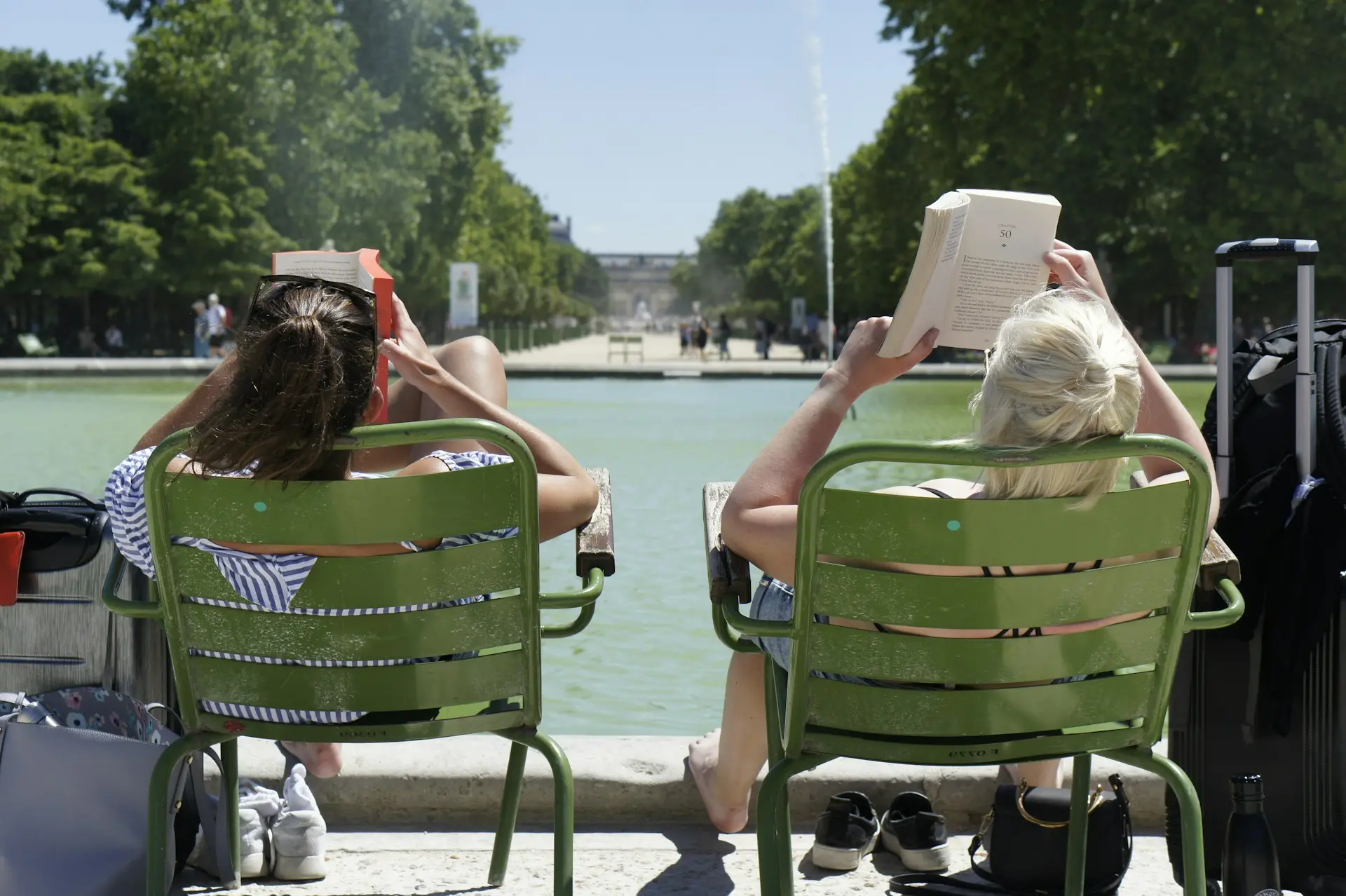
Recent phenomena – the success of Virginie Despentes, the emergence of French Young Adult literature (Bottero, Moka), the resurgence of French crime fiction – demonstrate a vitality that belies the common misconception of the "death of reading." The French do read, just not necessarily what literary institutions would like them to read.
France’s Gaming Powerhouse 🎮
Did you know that Assassin's Creed is French? That Rayman was born in Montreuil? That France is the third largest producer of video games in Europe? The French video game industry is a blind spot in French pop culture: economically massive but almost invisible in cultural debate.
Ubisoft, Quantic Dream, and Dontnod create games that sell millions of copies worldwide. Yet, unlike film or music, these successes don't really fit into the national narrative of "French culture." Perhaps because they're in English? Because video games are still associated with "children"?
French Internet Culture: Memes, YouTubers and Twitter 🌐
French pop culture version 2025 is also French Twitter, and its private jokes are incomprehensible outside the bubble (the famous "who is talking there?"), YouTubers who surpass TF1 in audience (Squeezie, McFly & Carlito), memes from reality TV shows (Les Marseillais, Koh-Lanta).
If you understand "Wesh alors", "C'est qui qui parle là" and "Tu connais la ref", you were born after 1995. If these phrases mean nothing to you, welcome to the club of digital outcasts.
This French internet culture accelerates the circulation-innovation cycle described by researchers: a quote from Hanouna becomes a meme, becomes a reference, and becomes obsolete in a matter of weeks. French pop culture has never evolved so quickly, creating an unprecedented generational divide between those who follow these latest developments and those who don't understand them at all.
What Your Score Reveals 🧠
Your performance on this quiz does not measure your "cultural level". It reveals your position in the contemporary French cultural landscape: your generation, your socialisation networks, your access to different cultural forms.
A high score means you easily navigate between the different layers of French pop culture: heritage (Brassens, Gabin), recent classics (Taxi, Kaamelott), and current references (PNL, Lupin). You are probably Parisian, urban, connected, and between 25 and 40 years old.
An average score suggests a specialisation: you excel in one or two categories (music and film, for example) but ignore the others (the Internet). This is the norm: no one can keep up with all developments simultaneously.
A low score does not indicate ignorance or disinterest. It may reflect a geographical distance (expatriate), a generational difference (too young/too old for these references), or a social distance (different cultural backgrounds). French pop culture is not a monolith equally accessible to everyone.
French Pop Culture As An Identity Marker 🥖
This quiz ultimately explores a question that is both simple and complex: what makes us identify as culturally French in 2025? It's no longer Hugo or Molière (even if they remain important). It's this ability to navigate between Booba and Brassens, between Godard and OSS 117, between new literary releases and Twitter threads.
French popular culture is a battleground of subtle conflicts: between generations (TikTok vs TF1), between territories (Paris vs the regions), between cultural authorities (Canal+ vs M6). But it is also a unique space of connection where shared references instantly create social bonds.
So yes, it's "just" a quiz. But it implicitly maps the contours of contemporary French cultural identity. And that's rather fascinating, isn't it?
References
- Alatele.fr. “La Haine. France Ô.” Flickr , 09 Mar. 2025, www.flickr.com/photos/130163120@N03/16130439403/in/photostream/ , accessed on 12 Nov. 2025.
- “2012 Cesar Award.” Wikimedia Commons , 24 Feb. 2012, commons.wikimedia.org/wiki/Category:2012_C%C3%A9sar_Awards , accessed Nov. 12, 2025.
- AgenceYdB. “Dix Pour Cent.” Wikimedia Foundation , 11 Jan. 2022, fr.wikipedia.org/wiki/Dix_pour_cent , accessed 12 Nov. 2025.
- “Creative Commons.” Deed - Attribution-ShareAlike 2.0 Generic - Creative Commons , creativecommons.org/licenses/by-sa/2.0/ , accessed Nov. 12, 2025.
- Jules-Rosette, Bennetta, and Denis-Constant Martin. “Popular Cultures, Identities and Politics.” Sciences Po Portal , Sciences Po, 12 Nov. 1997, www.sciencespo.fr/ceri/fr/content/cultures-populaires-identites-et-politique , accessed 12 Nov. 2025.
Summarise with AI:
Did you like this article? Leave a rating!

 Loading...