


“Let us read, and let us dance; these two amusements will never do any harm to the world.” - Voltaire
Would you like to take up a sport but are unsure which one?
Why not get dance tutorials and learn about dance from the comfort of your own home?
Thanks to dance being both an art form and a sporting activity, many people are interested in learning to dance. Everyone has probably done a few impromptu dance moves at some point in their lives.
Did you know that dance lessons can change our daily habits and how we live our lives?
Even absolute beginners can learn to do some new dance steps and start improving their lives. Find out all the great reasons to contact a dance teacher who teaches the style you want to learn and attend dance classes today!


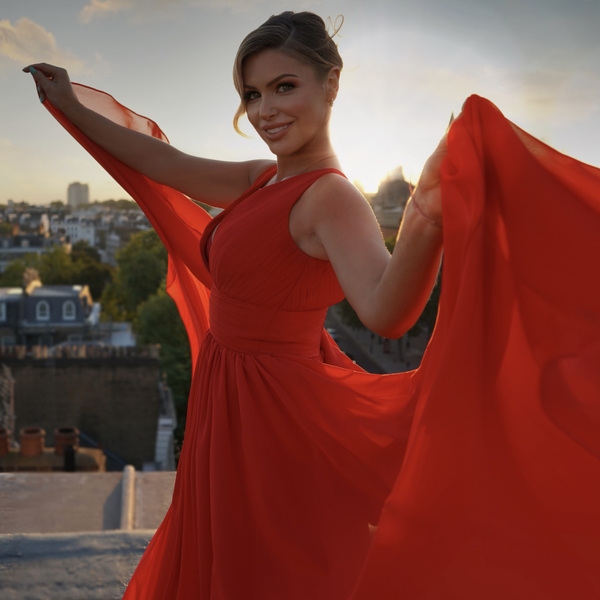




Tone Your Body by Dancing
Whether you're a beginner, intermediate, or expert, working with a dance instructor is one of the best ways to get that dream body you've always wanted.
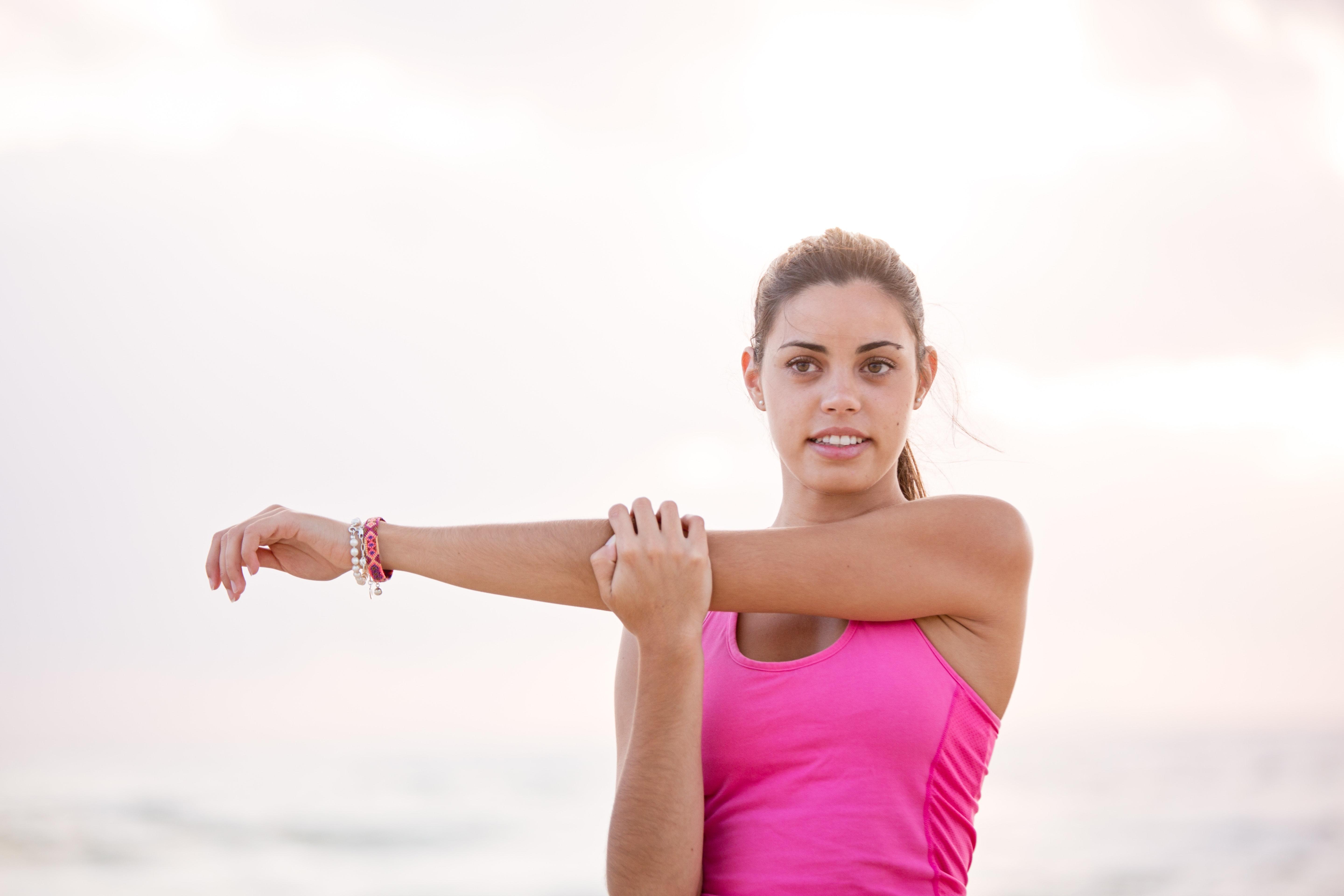
Most professional dancers are slim and toned and a lot of people would love to have a dancer’s body. However, very few of them realise that you can get similar results by taking weekly classes with an experienced dance tutor.
You'll need to do more than just traditional dancing to get quicker results. Men wanting to build muscle must complement their dance tutorials with workout sessions; women looking to tone up without building muscle might be interested in dance fitness. Disciplines like Zumba, Pilates, etc., can also help you improve your breathing and tone your muscles.
Dancing is excellent for the following muscles:
- Calves
- Hamstrings
- Quads
- Abs
- Buttocks, etc.
Our Advice
Doing at least 30 minutes of cardio daily is helpful for your dancing and health. Cardio is excellent for your heart and can help you dance longer during your lessons (an hour and a half instead of an hour, for example). Even if you've got two left feet and have no rhythm, dancing along to dance videos on YouTube or getting private dance lessons are great ways to stay in shape.
Professional dancers follow a strict training regime, so forget about fast food! You should consider eating a variety of fresh produce and speed up your metabolism.
Get fit, thanks to dance tutorials! Your instructor should be able to advise you on what to eat and how to stay healthy.
Meet New People by Dancing
Dancing has always been a great way to meet new people!
If you take group dance classes in London in a dance studio or leisure centre, you'll dance with new people. Alongside traditional dance classes, dance associations also offer trips and excursions. A lot of friendships are born thanks to dancing.
Students can communicate with one another through dancing and chatting. Trust, respect and communication are all promoted through dancing. A social dance lesson can be just what the doctor ordered if you want to make new friends.
Don't forget that dancing can be quite a sensual activity. It's, therefore, quite likely that you might have to get quite close to your dance partner. Certain dance styles, like salsa, were designed for finding love on the dance floor. If you're looking for love, you must be a dedicated dancer; nobody likes a dancer just going through the motions.
How many couples do you know who met each other on a night out?
Finally, some dance styles (like pole dancing or disco dancing) can help meet people on a night out at a nightclub or dance party. Your dancing could impress everyone in the club, and you won't feel embarrassed about everyone watching you do it.
If you've already met someone, don't forget you can get wedding dance lessons for your first dance. In addition to pulling out some choreographed dance moves when all eyes are on you (which they will be all day), this is also a great thing to do with your partner before the big day.
Learn to Dance for a Career in the Arts
Why not make your passion your job?
More and more people are interested in learning how to dance for fun or professionally. Whether you want to teach ballroom dance lessons, Latin dancing, or Cuban salsa, dance tutors can earn a living doing what they love.
Start taking online belly dance classes today.
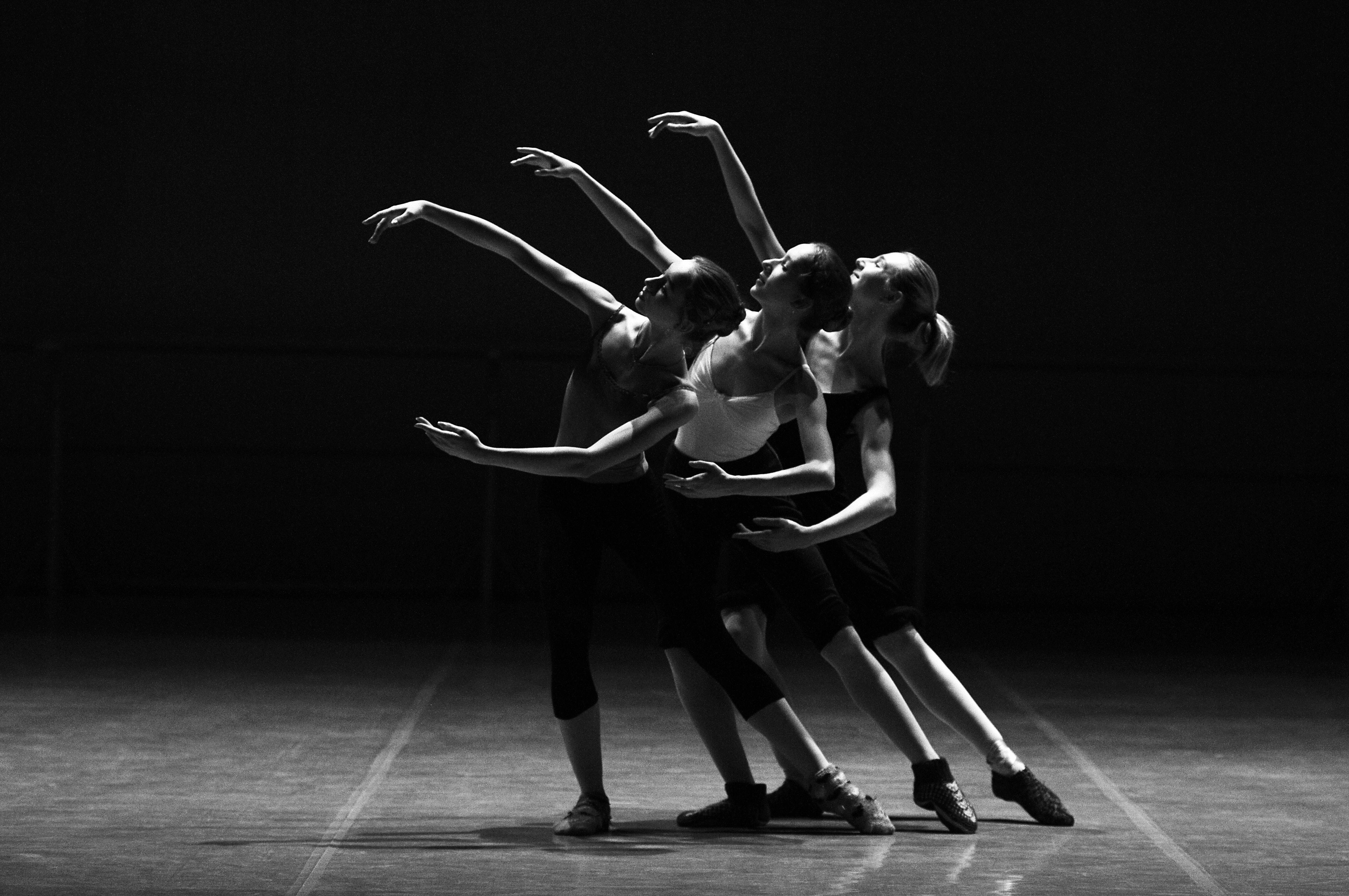
While you can teach people how to dance without any qualifications thanks to private dance tutorials, it’s recommended that you go down the professional route by studying at a dance academy or a conservatoire.
Here are the qualifications you should be looking at getting:
- A level 3 qualification
- A degree
- A postgraduate degree
- A PhD
While some dancers prefer to focus on technique, others prefer to study the theory of the art form at school. There are some great jobs available in the arts. Here's a non-exhaustive list of the different jobs you could do with a degree in the performing arts:
- Arts researcher
- Choreographer
- Costume designer
- Critic
- Dance lecturer at a conservatoire or university.
- Dance teacher in a school
- Fitness instructor
- Graphic designer
- Managing a dance troupe
- Personal coach
- Talent scout
- Yoga or pilates instructor
When you make your passion your job, you'll never technically work a single day!
Dance lessons don't have to cost the Earth! Click here to read about learning to dance for free.
Learn about New Cultures through Dancing
Every continent has its unique styles of dancing and specialised dancing lessons.
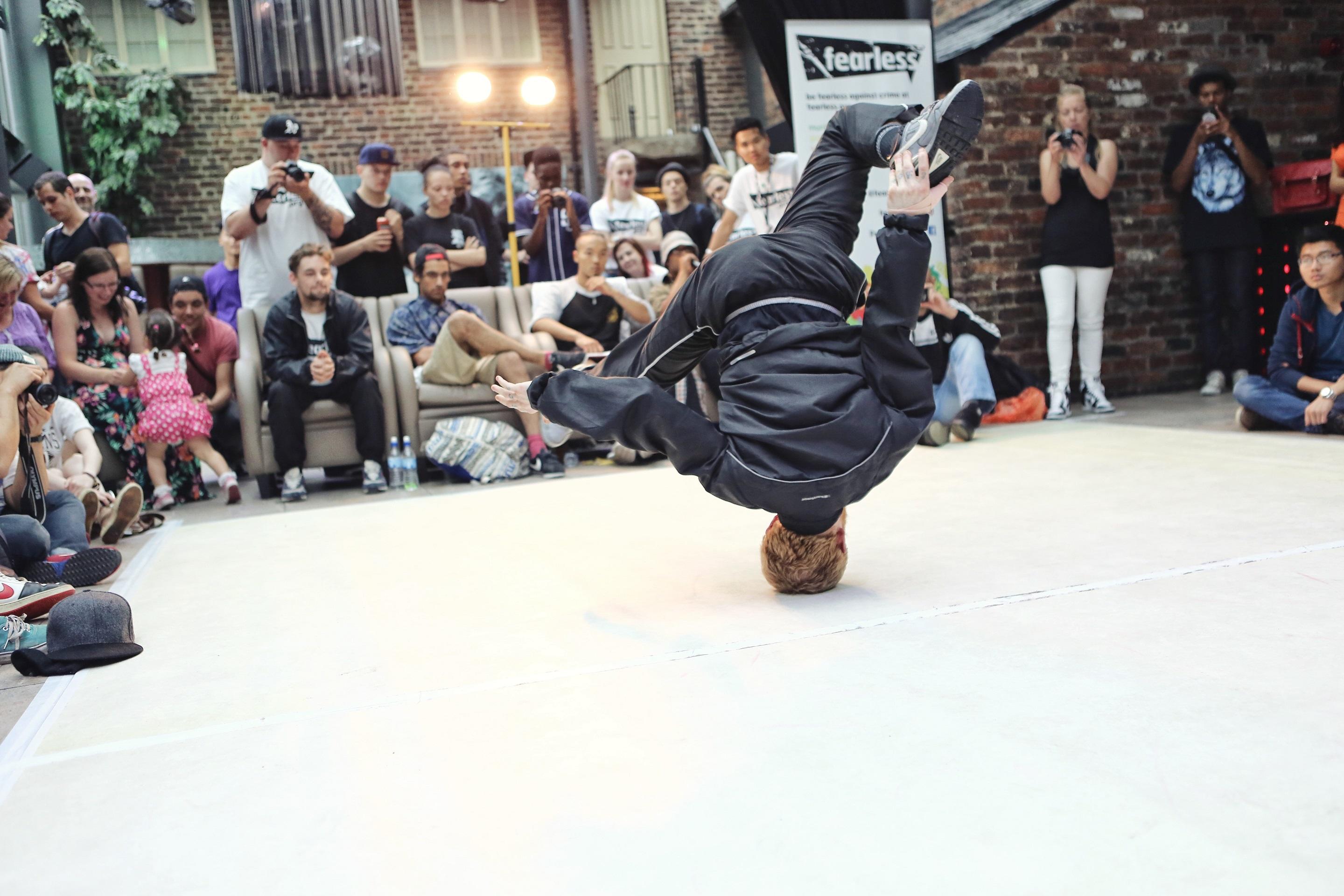
In many countries, dancing is an integral part of the culture. Traditional dance instruction is part of the national curriculum in some countries. When you meet new people in dance schools and academies, you should ask them about the different dance styles.
Of course, you don't necessarily have to learn a style from your own country.
Here are some of the different styles you could look into studying:
- Argentine tango
- Bachata
- Ballet
- Ballroom dancing
- Belly dancing
- Cha cha
- Contemporary dance or modern dance
- Cuban salsa or Puerto Rican salsa
- Dance Fitness
- Flamenco
- Hip Hop Dance
- Jazz
- Latin dance
- Merengue
- Oriental dance
- Ragga Dancehall
- Rumba
- Samba
- Swing Dance
- Tap
- The foxtrot
- Waltz
- West coast swing
Learning a traditional dance style could also help you enter foreign schools and academies. For example, if you master an American style of dance like rock 'n' roll, Lindy Hop, or the Twist could help you get into a prestigious American dance school like Julliard.
Learn to Dance and Improve Your Well-Being
If you learn to dance, it can make you happier!
According to a Polish study in 2014, dancing affects your happiness. After an hour of dancing, beginners felt less stressed, had more energy, and were more creative. A Greek study in 2011 also showed that people living with female breast cancer felt happier after an hour of dancing.
It's also been proven that those with Parkinson's disease are less agitated, relaxed, and tired after dancing.
Dancing is a great way to unwind and awaken your artistic side. Families can get dance classes or attend workshops and improve their well-being together.
The psychoanalyst France Schott-Billman had this to say in 2012:
“Dancing tango or salsa is more than just having fun. It’s a way of expressing yourself. [...] They gain a new way of communicating with their body.”
After their first lesson, a beginner will have a vastly different understanding of themselves. Dance lessons can help you improve your movements, get to know your muscles better, and empty your mind. Unwind after a tough week with a weekly dance class.
Additionally, dancing will improve your confidence, and as you learn new moves and techniques and add them to your routine, you'll be desperate to get on the dance floor and show off your footwork.
Unlike when you learn to dance at a university or conservatoire, you'll not have to worry about the class schedule with private tutoring. You can enjoy the flexibility of getting dance lessons when and where you want.
Learn About the Different Disciplines Related to Dance
Like all art forms, dancing has different disciplines and styles.
You can learn to dance with private lessons from an experienced and gifted dancer, regardless of your level. Studying at universities or conservatoires is arguably the best way to learn how to dance.

Once you start studying how to dance, you'll get technical lessons and lessons on the theory and history of dancing. These are good for helping you better understand the art form and the origins of dancing.
Here are some of the subjects you could study alongside learning how to dance:
- Aesthetics
- Analysing body movements
- Choreography
- Choreography and musical composition
- Didactic methods for dancing
- History of arts
- Music
- Performance techniques
- Philosophy
- The history of dancing and dance culture
In addition to helping you become a better dancer, mastering other subjects can also help you when studying a dance or performing arts degree. Knowing dance theory could help you become a dance historian or a lecturer in several dance-related subjects.
Why not become an advanced private dance tutor with all this knowledge?
Learn more about the cost of dance tuition.
Summarise with AI:
Did you like this article? Leave a rating!

 Loading...
