

GP is an acronym which stands for general practitioner… but what exactly does that entail? In the UK, a GP is responsible for treating patients for their more common ailments and problems. They are the colloquial ‘doctor’ that you go to when you wake up with a very bad cold or sore throat.
The NHS encourages patients to visit their GPs about anything they are unsure about or concerned with prior to seeking out specialist help or trying to self diagnose.
The other main responsibility of a GP is to provide referrals for more complicated or uncommon conditions.
Since the local clinic is not always home to the relevant specialist, it is the role of the GP to identify which expert is needed and to give a referral to their patient so that they can find their way to the person who can best help them in a larger medical establishment, generally a hospital or if the patient decides to avoid waiting times, a private clinic.
The term ‘General Practitioner’ might mislead some people into believing that this position is an average, low paying, or easy job, but this couldn’t be further from the truth.
GPs go through rigorous training for difficult qualifications and are some of the most important and well respected workers in the NHS.
Think of the job less as an unspecialised jack of all trades and like more of a pillar/cornerstone of the medical practice itself.
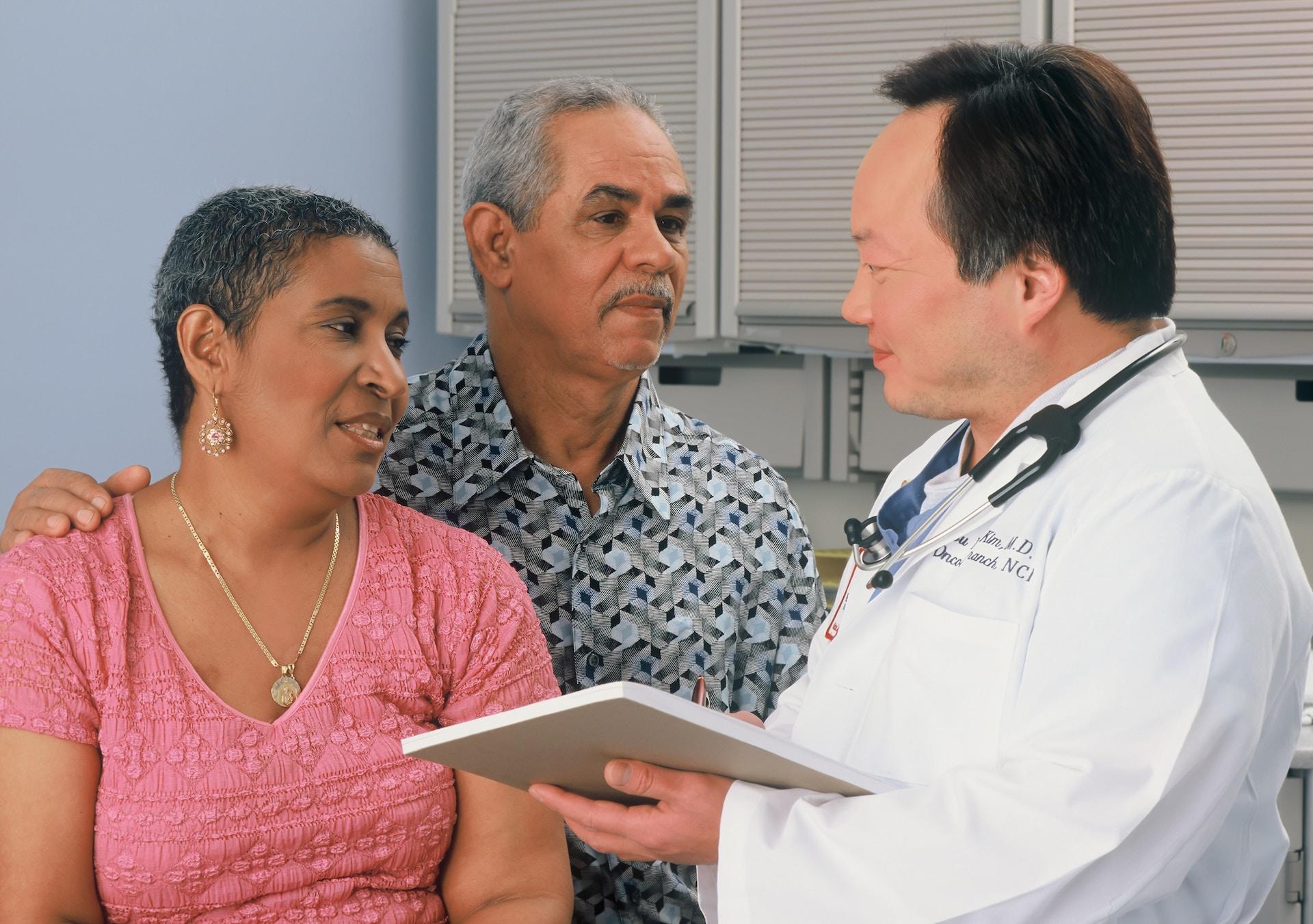


The difference between GPs and other medical practitioners:
To better understand what the role of GP is in the NHS, it helps to examine the different positions and titles within the UK healthcare system and compare the differences between them.
Unfortunately, we cannot list all of the different positions at the NHS since the list extends to include an enormous 350 unique careers. Instead, we will have a look at some main subdivisions that staff fall into and how their jobs differ in terms of role, pay, and responsibility.
- General Practitioners
- Specialists
- Surgeons
- Nurses
- Emergency Services
- Scientists and Researchers
General Practitioners
- Role:
The role of a GP is to look after the general health of their locality
- Responsibilities:
It is the responsibility of GPs to provide solutions and/or pharmacy prescriptions for common, simple, or minor medical problems. They are also responsible for performing visits to patients who are immobile or without transport from their homes.
Additionally, it is the duty of General Practitioners to provide referrals to specialist doctors for unique or complicated conditions that require the attention of an expert.
- Median Pay: £90,000
Specialist Doctors
- Role:
The role of a specialist doctor is to provide accurate diagnosis and treatment for medical problems affecting specific areas of the body, such as an ENT specialist, who focuses on the ear, nose, and throat exclusively.
- Responsibilities:
Specialist doctors receive extensive training to become experts in their particular field.
This is because their responsibility includes being exceptionally familiar with a particular area of medicine, in order to make accurate judgements and diagnoses of complex symptoms. In many cases, specialist doctors are also equipped and trained to perform procedures in their offices.
Curiously, although we are drawing a distinction in this article between specialist and GP, the two are technically the same, with GPs being experts in general practice and therefore specialists in their own way.
This explains the similar average pay for both roles.
- Median Pay: £90,000
Surgeons
- Role:
A surgeon's role in the NHS is in the name. They are tasked with performing the medical interventions and procedures that are not possible in the doctor's office and instead must be carried out in operating rooms.
- Responsibilities:
Though there are many kinds of surgeons of varying degrees of expertise, it is generally expected of them to have an expert understanding of anatomy, medical theory and the grace and steady hand to see the theory through into practice.
Surgeons must be familiar with many complicated procedures, and as such are often subdivided into specialities in order to reduce the chance for medical errors to occur.
Operating in life or death situations for patients means that emergency surgeons are expected to have nerves of steel and the strength of character required to deal with the consequences in the event of loss of life, which is an inevitability in the career.
- Median Pay: £80,000
Nurses

- Role:
Nurses are the designated caregivers in hospitals and medical practices. They are the one who tend to patients at all hours of the day and night and act as the foundation of the patient's experience in a hospital environment.
- Responsibilities:
Nurses have a varying degree of responsibility depending on their seniority, but it is usually their main job to care for patients directly, maintaining all their needs and performing administrative duties.
They collect information and monitor the condition of patients, and are capable of making judgements and calls for changes to a patient's situation.
It is the nurses' responsibility to act as a communicator between patient and doctor, ensuring that help and treatment is readily available to them when they need it, hence why nurses are often considered the patient’s advocate.
- Median Pay: £35,000
Emergency Services (EMTs and Paramedics)
- Role:
Emergency medical responders have the daunting role of being the first to arrive on the scene of an accident and providing extremely fast but necessarily quick judgement calls in order to deliver lifesaving treatment to patients on the scene, while also quickly getting them to a hospital in one piece.
- Responsibilities:
There are many different emergency responder positions, but to generalise, it is the responsibility of an EMT to quickly navigate urban or rural environments to arrive at the scene of an emergency in the shortest time possible.
Upon arrival, it is then their job (often of another team member) to provide an accurate assessment of the medical status of the patient. This is based on visual observations and testimony from present witnesses or the patient themselves if they are communicative.
EMTs might have to then perform on site procedures to stabilise the patient's condition, and bring them back to the hospital in time for a life-saving intervention from the surgeons on hand.
- Median Pay: £30,000+
Scientists and Researchers
- Role:
Scientists, although not directly practising medicine, provide an important service in the medical industry, by developing and testing new medicines and comparable solutions to a dynamic and ever-changing front of challenges to human health.
- Responsibilities:
As more academic and theoretical participants in the medical sector, scientists, and researchers are required to strictly follow the rules of good research, which any student will tell you is not as easy as it sounds.
Good researchers are naturally excellent communicators, due to the necessity to cross-reference with each other and corroborate information.
As members of a team, they must also be masters of time management, keeping up with strict deadlines and managing budgets for individual research tasks.
Last but not least, researchers must maintain an up-to-date expertise of their research area, since the information surrounding the forefront of medical development is dynamic and constantly evolving.
These responsibilities culminate in the conduction of experiments and application of the results to develop and test new drugs.
- Median Pay: £45,000
Is there a shortage of GPs in the UK?
The UK is most certainly suffering from a lacking NHS, which due to recent economic strains and pressures is failing to provide for the population's medical needs, at least in a timely manner, the result being long waiting lists and stressed out staff who are thinly spread.
According to the government's established metrics, 1 in 4 General Practitioners posts will be empty, which is bad news when coupled with a diminishing recruitment rate and a similarly suffering education system (the source of aspiring doctors).
This shortfall is projected to be nearly 10,000 less GPs than will be needed by 2030. This number might not seem the biggest for a population of millions, but it is important to consider with the current quantity of GPs, each GP is equivalent to 2500 patients.
Just imagine if a school teacher had to teach classes of hundreds, let alone thousands of pupils.
This is without a doubt an alarming situation, and we haven’t even decided to touch on the shortfalls in other NHS positions.
The problems with the NHS have and will continue to increase the UK's reliance on the private sector to provide for its shortcomings.
Afterword
Thank you very much for reading and making it to the end of this article. If you enjoyed the read and/or learned something, be sure to check back again soon and take a browse through our other articles right here on the Superprof blog. There are plenty of articles on a broad range of different subjects, so we’re sure you’ll find some good food for your mind.
Until then, we’ll be waiting and cooking up more articles for you to enjoy.
Summarise with AI:
Did you like this article? Leave a rating!

 Loading...