
There’s no denying the internet is an excellent resource. A go-to source for entertainment, education, socialising amongst many other things. In fact, it’s actually easier to list the things you can’t find on the internet! However, as the late great Stan Lee once wrote for a Spiderman comic ‘with great power comes great responsibility’. With all the power at your fingertips to surf the internet as if it were a never ending wave, it’s important to understand the potential risks associated with it. While common sense will keep you safe for the majority of the time you spend on the internet, there are some things that you might not be aware of that could put you at risk. Having your personal address compromised, your bank details stolen, or being hacked are just some of the unfortunate things that can happen if you don’t follow some basic rules for the internet. In this guide we will address the most important things to consider to stay safe online, what internet safety is, and touch upon some of the smaller things that you may not have even thought of yet.


Safeguard Personal Information
Think carefully the next time you create a password.
- Use Strong Passwords
If there was one thing you could do right now to feel more comfortable about your online security, it would be to create new, strong passwords. A strong password is deemed to be one which contains a mix of letters, numbers, and symbols - as I’m sure you’ll have seen on countless websites sign-up screen - and is considered to be the most secure as a result. Creating strong passwords, especially for important accounts like your personal e-mail is incredibly important since hackers love an easy target. You’d be surprised how quickly hackers can figure out a basic password, so your best bet is to create one so long and complex they don’t stand a chance of getting their hands on your personal data.
- Don’t Overshare
Another, perhaps obvious, but certainly important step: don’t overshare on social media. Social media safety is also a very important thing to consider in this digital age we live in. One of the best and worst aspects of the internet is the permanence of anything you post on it. Text, photos, and videos aren’t just deleted from the internet after a while, they could be there your whole lifetime. With that in mind, take a moment before posting that controversial tweet, or that risqué photo, if you don’t want it to come back to haunt you a few years down the line! Especially if you have aspirations of seeking future employment, it’s best to keep your cards close to your chest and only post what you would be happy with a potential employer or family member to see.
- Encrypt Personal Data
This last step to having more secure personal data is an interesting one. Perhaps something not a lot of people consider doing, you can encrypt your data to significantly reduce the risk of it being compromised by hackers. But what exactly is data encryption? Maybe you’ve heard the term but never really understood what it meant (like me!), or you think that it’s something that only the highly technologically literate can pull off. Data encryption is actually accessible to everyone, and simply refers to the process of translating data into a code or another form, meaning the only way to access it is through the use of a decryption key. This useful article from Lifehacker will get you up to speed with data encryption, and how you can use it to protect your personal information.
Privacy Settings and Precautions
You ever know who might be watching.
Geo-tagging
A fancy way of saying location sharing, geo-tagging is a feature you might consider switching off. Geo-tagging will find the source of your photos, videos, and social media posts, and link them to that location. While this is a fun feature, and a nice way to organise your holiday photos, it can also give away your location when you take a snap of your pet while relaxing at home.
Always log out
It goes without saying, but a great way to ensure nobody gets a hold of sensitive data is to log out every time you are done using a website. This applies mostly to those using a computer in a shared space, but it shouldn’t surprise you to know that hackers will have a much easier time breaking into your account if you left the door unlocked.
Cyber Bullying
Cyber bullying has unfortunately become far more prevalent in this increasingly digital age, where you can reach anyone at anytime. If you know someone who is being cyber bullied, find out here the steps you can take to help them out. A concerning statistic from Do Something reveals that around 37% of young people between 12 and 17 have suffered from this online form of bullying. As a result, it’s important to consider cyber safety, and how you can avoid being on the receiving end of online bullying, or make it so that your child doesn’t have to go through it. Cyber bullying is largely a result of the ease with which we can contact anyone, and the anonymity we can retain while we do so. Essentially there are no consequences if you can conceal your identity through the internet, making it a very dangerous platform if used to this end.
Dangers of the Digital Age
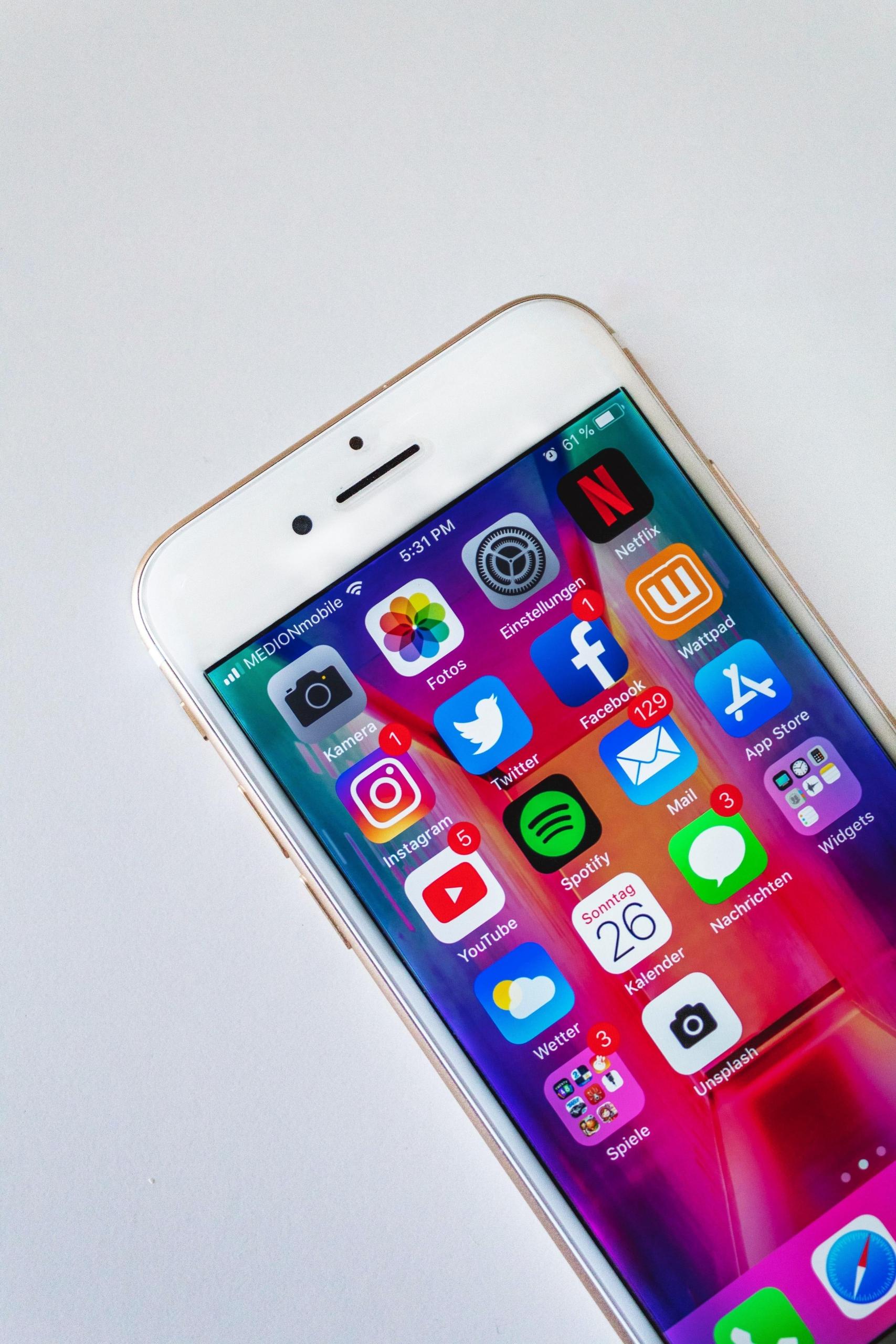
Smartphones can take over our lives if we’re not careful.
Digital Lives
While it perhaps isn’t the biggest threat to your online safety, social media can have some very detrimental effects on your wellbeing. In this day and age, it’s more common to see mobile phones on the table than newspapers, and that says a lot about how as a society we look to screens and the internet for much of our entertainment. Living such a digital life certainly has its perks, but if we consistently choose the phone or computer over activity such as reading or doing exercise, then how rich is the life we are leading? This is especially true of children. Often once they are introduced to the internet - be it the tablet or mobile phone - they are instantly sucked into it. If we don’t set limits, kids could suffer academically and developmentally, so it’s important to stay on top of their internet use. Not to mention the dangers of giving kids free rein to roam the internet and its dark corners.
Social Media Jealousy
Social media is one of those things that most of us these days couldn’t imagine living without. It has become so much a part of our daily lives that we can develop unhealthy routines such as scrolling through feeds first thing in the morning due to its addictive nature. The instant feedback of social media is something which really plays on our human nature, and is designed to get us hooked. I’ve definitely found myself scrolling through my Instagram feed before without even paying attention to the photos, which is a scary thought. One of the biggest problems social media presence is that of social media jealousy. The notion that reading about other people’s lives and seeing their ‘perfect’ lives through photos and videos can create a strong sense of jealousy in us and a feeling that our lives pale in comparison. To avoid this harmful phenomenon we should try our best to limit ourselves when it comes to social media, and try not to put too much stock into our friends’ amazing holiday photos. At the end of the day, the reality is that most people have quite ordinary lives, yet portray the best moments or highlights through social media.
Summarise with AI:
Did you like this article? Leave a rating!


 Loading...