

As a beginner saxophone player, the only thing you need to start your lessons is a saxophone and a pack of reeds. In fact, you might rent your instrument for a while to decide whether to go all in, in which case, you will absolutely need saxophone accessories. These are the essential and nice-to-have options (starred) to put on your shopping list.
| 🎷Accessory | 🕵️♀️What it does | 📝Notes |
|---|---|---|
| Reeds | Produce the sound | Materials: synthetic or cane. Hardness range: 1 to 5, with 1 being thinnest and 5 being hardest. |
| Mouthpiece | Impacts sound quality | Different mouthpiece shapes and materials |
| Neck strap | Helps support your instrument. Helps develop proper playing posture. | A poor quality neck strap can irritate your neck. |
| Saxophone case | Protects your instrument. Keeps accessories together. | Choice of hard- and soft-shell cases. |
| Cleaning kit | Keeps your instrument in optimal condition. | Buy a kit or build your own. |
| Cork grease | Protects the neck's cork seal. | Looks like a chapstick tube. |
| Metronome* | Helps you keep time while you play. | You can download a metronome app or buy a physical device. |
| Ligature* | Secures the reed to the mouthpiece. | Ligatures impact your sax's sound. |
| Music stand* | Holds sheet music | Three types: floor stand, wall-mounted, or peg |
| Mute* | Dampens the sound while playing. | Several types available. |





Saxophone Reeds
The look of a saxophone of every type — soprano, alto, tenor or baritone — gives off a steampunk vibe.
A combination of Victorian industrial and futuristic elements.
These instruments feature manually operated leather-padded keys, a curved neck, a U-shaped bend, and the bell, from which the sound emerges.
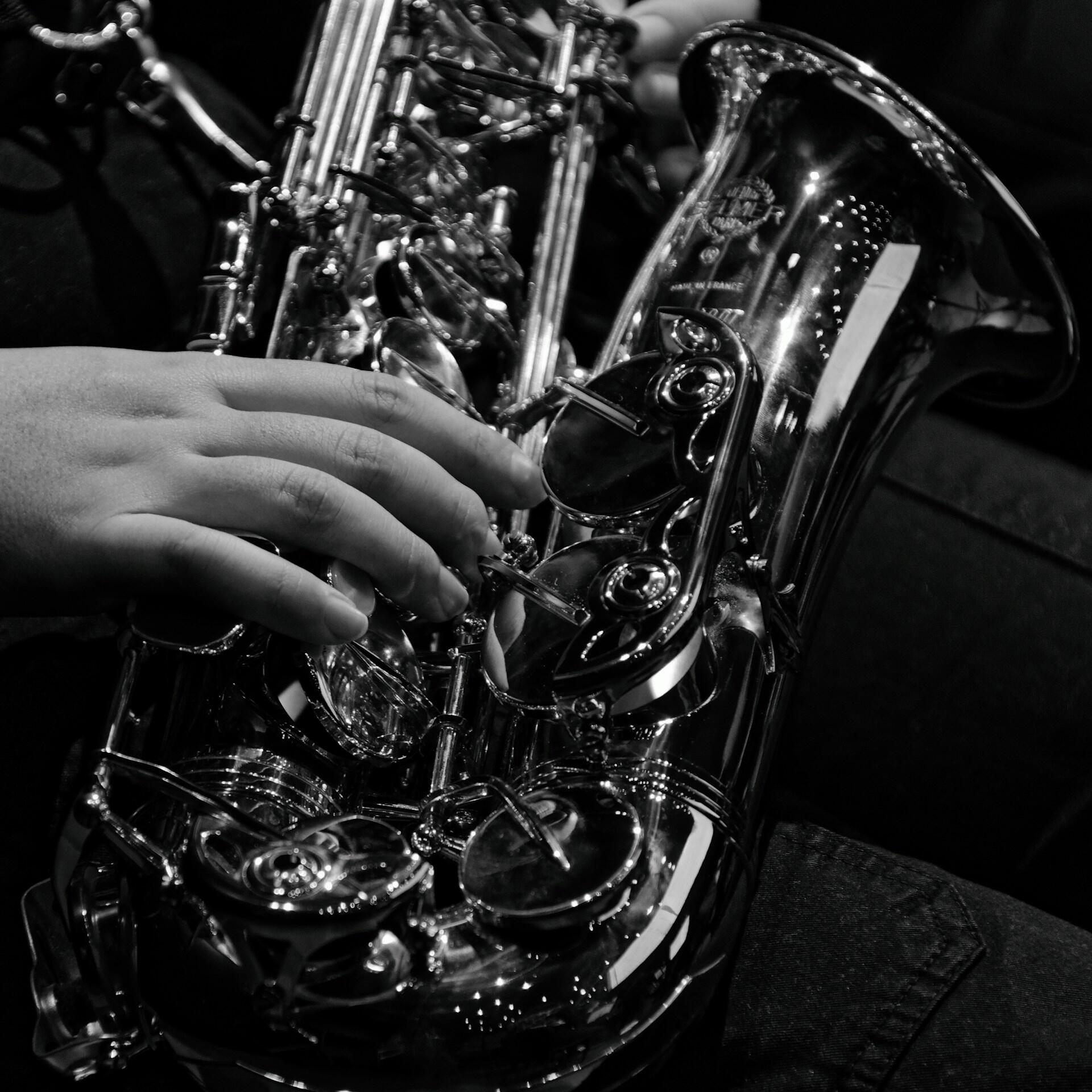
All that is external to the body, to which you add a mouthpiece and a neck.
Still, no matter how industrial-futuristic it seems, how polished an instrument it is and how cool it looks, it won't make a single sound unless you have a reed installed.
The type of reed you need depends as much on the type of sax you have as the style of music you play. For instance, jazz saxophonists typically play an alto or tenor sax.
They prefer thinner reeds with a French-style cut for crisper, sharper sounds2.
Most beginner sax players think they will work up to harder reeds.
Reed strength usually relates to the reeds' density. Harder reeds are usually best when paired with a narrow saxophone mouthpiece opening, while softer reeds work best with wide mouthpieces. Reed strength runs from 1 to 5; the higher the number, the harder the reed.
Finally, the reeds' material impacts your instrument's sound.
Synthetic reeds
- more resilient; last longer
- cost more
- lose a bit of sound quality
Cane reeds
- sensitive to temperature and moisture
- a bit cheaper but need replaced more often
- deliver the truest sound
Saxophone Reeds: Top Brands
Like everything else, saxophone players develop a loyalty to their favourite brand of reed1. Two brand names emerge as top selections:
D’Addario Reserve Natural cane reeds.
Vandoren SR21 traditional series alto reeds
But that doesn't mean they have to be your favourite reeds. Once you start developing your playing style, experiment with different reeds to find the ones that best suit you.
Saxophone Mouthpieces
OOF! What a long chapter about reeds! But then, you need to know all that because reeds are arguably the most important of all accessories for saxophone.
With their features and uses made clear, we can move onto the saxophone part where you apply embouchure. In other words, where you apply your lips: the saxophone mouthpiece.
As noted above, your instrument's mouthpiece is separate from its body. That's because mouthpieces come in different shapes meant for different sounds and playing styles. For example, a wider tip opening makes for a brighter, bigger sound. By contrast, narrow tip openings require less air, making them easier to play. What the mouthpiece is made of matters, too.
As an absolute beginner, you only need the saxophone mouthpiece that came with your instrument. Later, as you begin experimenting with different sounds and music genres, consider investing in a few different mouthpieces.
Neck Straps for Saxophone
Some sax players consider these essential saxophone accessories and others don't. The naysayers contend it restricts their movements; they want to groove while they play! Others say the instrument is too heavy to play over long sessions without the extra support.
Typically, when you buy or rent your instrument, you'll find a neck strap in the case. As a beginner, using this strap will help you develop proper playing posture and focus on your fingering.
With that said, the free neck strap might not be high-quality. It might chafe or even cut into your neck, especially if you move around as you play.
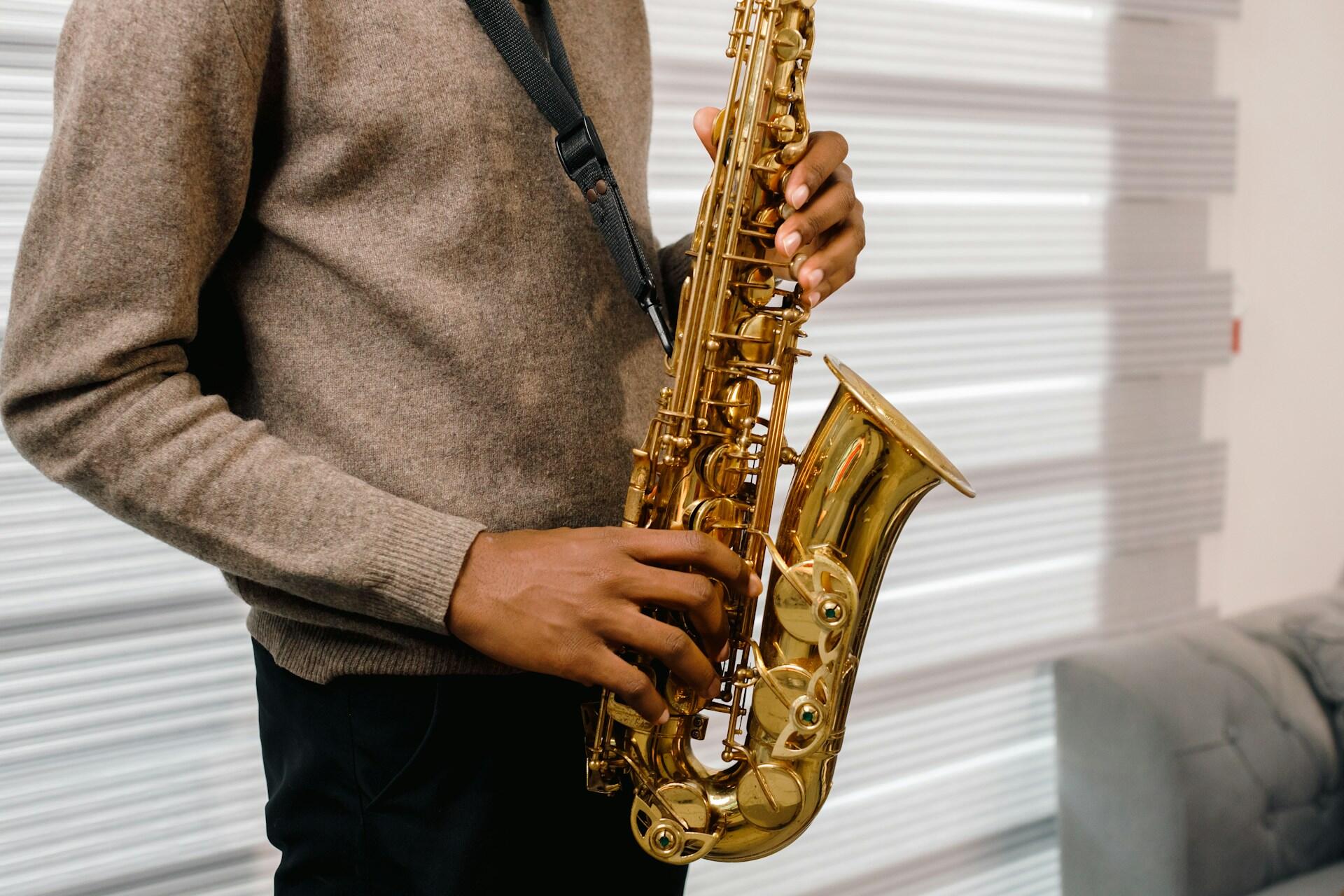
If you decide to stick with the sax, consider buying a padded neck strap. If you can, visit a music store and try several straps before settling on the one that's right for you.
Saxophone Cases
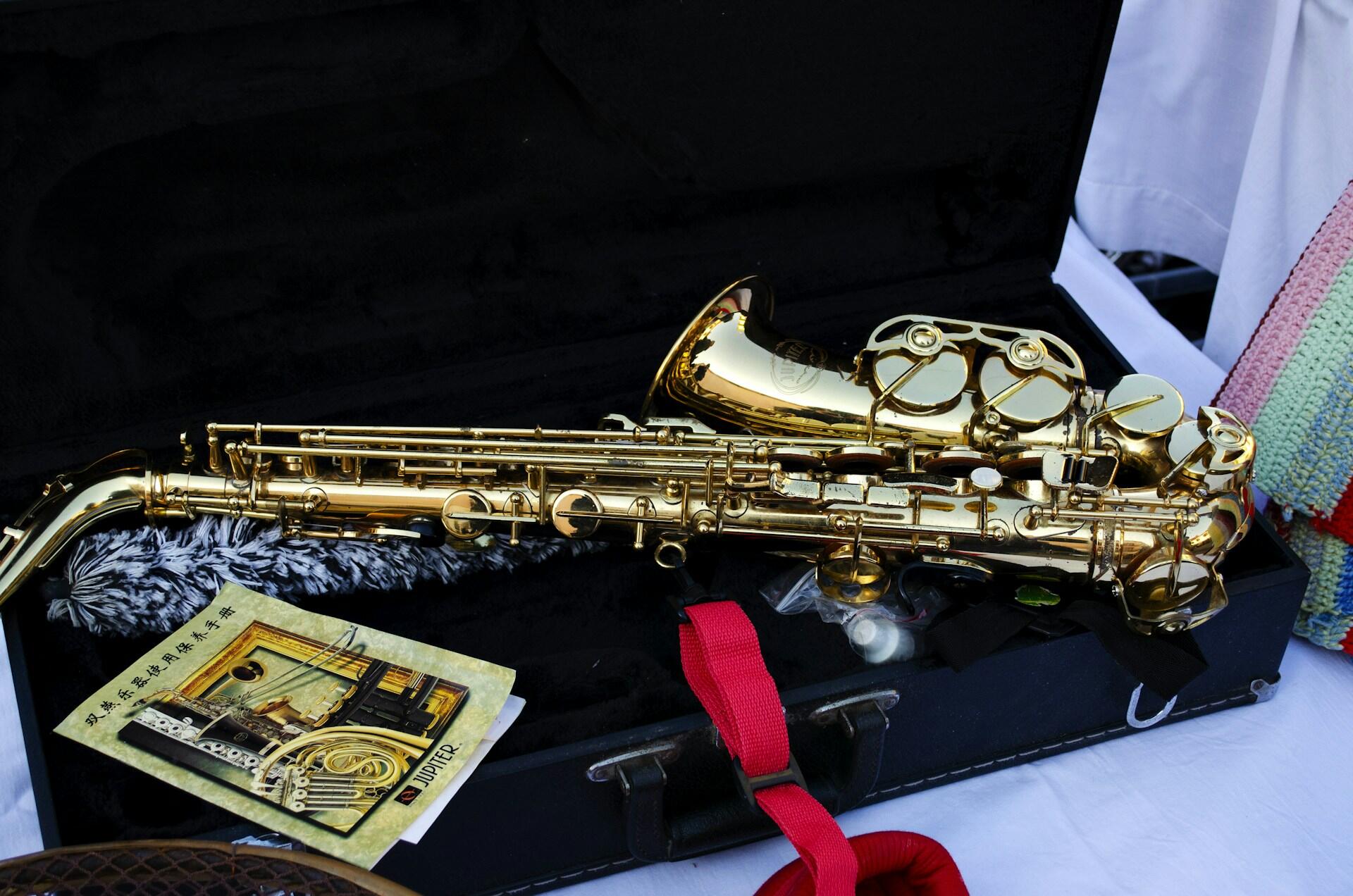
By any measure, these are not cheap instruments, even when bought second-hand. If you're going to lay out £300 to £1 000 for such an instrument, you'll naturally want to protect your investment. For that, you have two main options.
Hardshell case
- more durable
- best for travelling
- features a soft, padded interior
- typically offers more storage space
- a bit pricey, depending on case materials
- offers the best protection
Gig bag
- lightweight, easy to carry
- typically feature backpack straps
- room for accessories
- come in many colours
- usually less expensive
- offer less protection overall
Your instrument's leather pads and brass body (and reeds!) are particularly sensitive to temperature and moisture. A hardshell case does more to protect your saxophone and accessories from the elements.
And from accidental drops! Imagine running for the bus and your sax case gets knocked out of your hand. You won't be able to play even easy sax songs for beginners on a dented instrument. I don't envy you paying for those repairs!
Saxophone Cleaning Kit
Whether you've rented a sax or invested in an instrument of your own, you will have to keep it clean3. A less-than-maintained instrument will sound progressively worse over time. And let's not give any thought to what might live on that mouthpiece if it's not regularly cleaned!
Your alto saxophone accessories list must include cleaning supplies; as a beginner player, you might consider a cleaning kit. That way, you can be sure you'll have everything you need. Or can you? Check any cleaning kit for these crucial components:
- neck brush
- mouthpiece brush
- chamois swab
- polishing cloth
- pad saver
If you are going for a cleaning kit rather than individual supplies, shop for kits that have a proven record of delivering good results.
Experienced sax players swear by these top brands:
Yamaha YAC SAX-MKIT - £22
Saxophone Cleaning Kit Axiom Saxophone Cleaning Kit - £23
BetterSax Ultimate Sax Swab Kit - £29
Cork Grease
Every decent saxophone maintenance kit will include a tube of cork grease (if you're building your own kit, be sure to include some!). It looks like a chapstick tube but it doesn't taste good and it probably isn't good to eat. Be sure to apply it carefully to avoid getting grease on your mouthpiece.
You'll note, as you inspect your disassembled instrument, that the part of the neck that slides into the sax body is wrapped in cork. Unless it's properly greased, you risk damaging it as you insert and remove the neck. It's not a bad idea to apply a light coating as you inspect your instrument's neck before inserting it.
'Nice to Have' Saxophone Accessories
So far, we've covered all the must-have saxophone accessories you need to care for your instrument and practise on it. They're the same items that every saxophone guide for beginners lists.
As an absolute beginner, you won't need much more than those essentials. However, as your competency grows and you decide to stick with the sax, consider these investments.
A Metronome
You'll need this device sooner rather than later in your playing journey. Metronomes help you build your sense of musical timing so your playing keeps the tempo set on the sheet music.
The good news is you can download a metronome app, either for free or for just a few quid.
Saxophone Ligatures
Saxophone ligatures secure the reed to the mouthpiece. It looks a bit like a serviette ring but with a tightening screw or two.
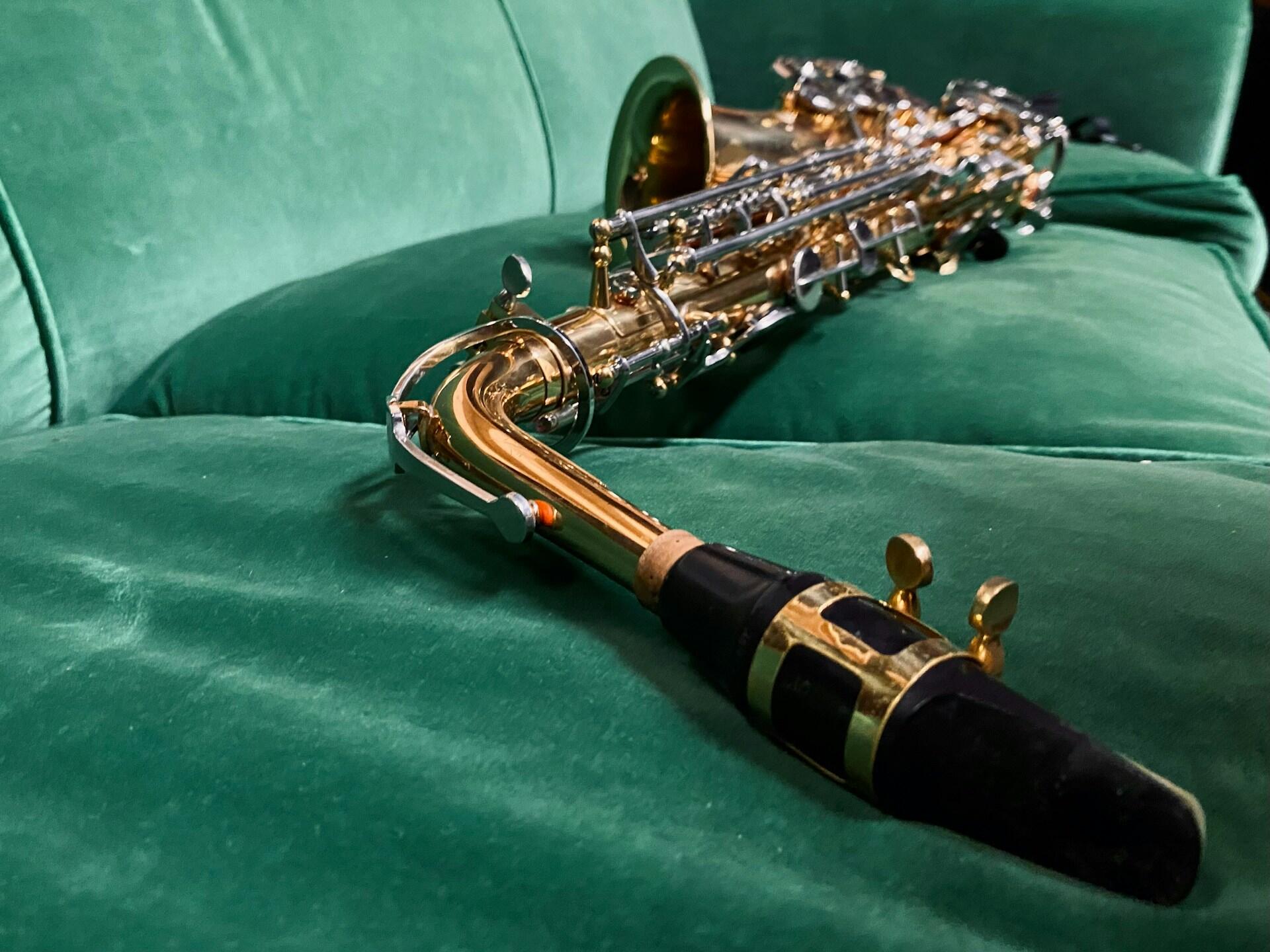
When you change reeds, you'll loosen the ligature, clean your mouthpiece, insert a fresh reed, and then tighten the thumbscrew(s).
As a beginner, you only need the ligature that came with your instrument's mouthpiece. Later, you'll get more adventurous in your playing.
As you experiment with different reeds and ligature placements, consider adding a few more ligatures to your accessories inventory.
Music Stands
Beginner saxophone players typically learn how to read music as they learn to play their instrument. So, at the start of your journey, you might not have much use for a stand to hold your sheet music. However, you will need one or more, eventually. These are the types to consider.
Floor stands great for practice when standing in one place Wall mounted great for smaller spaces can be mounted at eye level Peg stands holds mounted on the sax great for marching band
Saxophone Mutes
Let's face it: the sax is not a quiet instrument. Your neighbours might not take kindly to you getting familiar with saxophone music notes while they're watching the telly. These sound-absorbing devices drop into your sax's bell, filtering out roughly half the sound.
Nobody around you would mind too much if you played with an effective mute. But you'll only need one once you can string more than a few notes together, so save the mutes for later.
Sax Accessories Further Reading
- “The 10 Essential Accessories for Saxophones.” Syos, 30 June 2022, syos.co/en/blogs/news/the-10-essential-accessories-for-saxophones. Accessed 1 Dec. 2025.
- Metcalf, Jay. “The 3 Best Saxophone Accessories in My Case - Bettersax.com.” Bettersax.com, 19 July 2022, bettersax.com/best-saxophone-accessories-reed-case-reedgeek-swab/. Accessed 1 Dec. 2025.
- Fripp, Matt. “Saxophone Accessories - Your Essential Sax Toolkit.” Jazzfuel, 27 Aug. 2020, jazzfuel.com/saxophone-accessories/. Accessed 1 Dec. 2025.
Summarise with AI:
Did you like this article? Leave a rating!

 Loading...