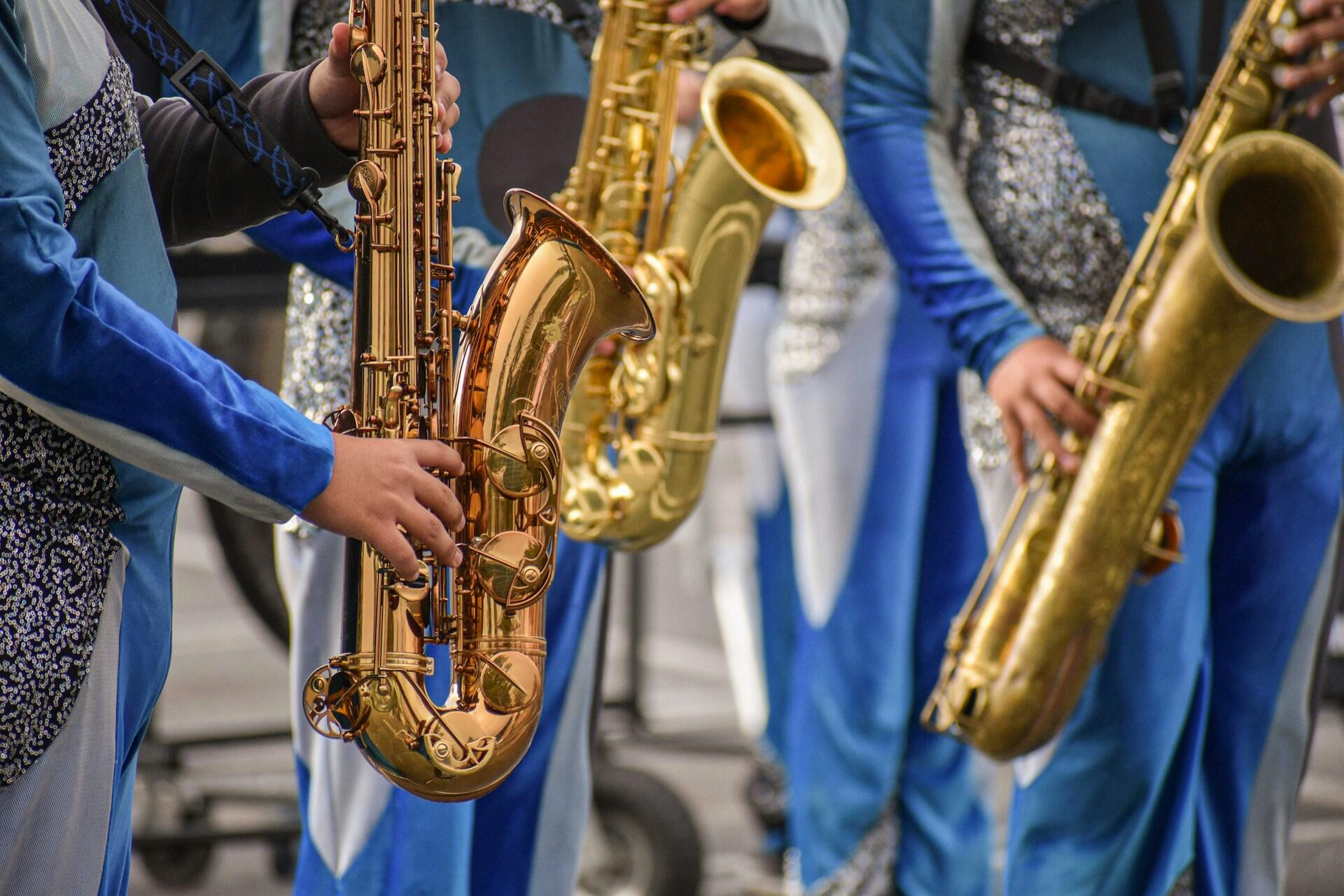

Despite its complicated appearance, the saxophone is one of the most beginner-friendly instruments. Each type of sax spans only two octaves; playing them involves a mere push of a key, not learning a whole new fingering system. Still, if you're going to throw yourself headlong into your passion for the saxophone, you should know all there is to know about it. Only then can your sax journey begin.
Saxophone for Beginners: Essential Knowledge
- The saxophone lineup comprises eight instruments; the alto sax is the best for beginners.
- The sax plays well across all music genres, including pop, jazz, classical, and rock.
- Saxophone sheet music is unlike sheet music for other instruments, and each type of sax has its own notation.
- Beginner sax players must develop proper playing technique, including embouchure and fingering.
- Sax players need an array of accessories to play and care for their instruments.




Beginning Sax: Discovering the Saxophone
Compared to other popular instruments like drums, the guitar, and the piano, the saxophone is a fairly young instrument.
When Was the Saxophone Invented?
A Belgian musician and inventor built the first saxophone in the 1840s.
By the time he built his first saxophone, Alphonse Sax had already made improvements on the bass clarinet. He had been repairing wind instruments for years before the inspiration hit him to create a new instrument.
He envisioned one that had the tone and warmth of wind instruments with the projection of a brass instrument. The saxophone is the outcome of his inventive pursuits.
Alphonse Sax didn't create one instrument that others modified and improved on.
Patent records show he designed no fewer than 14 versions of the sax, each with a different tonal range.
The Different Types of Saxophone
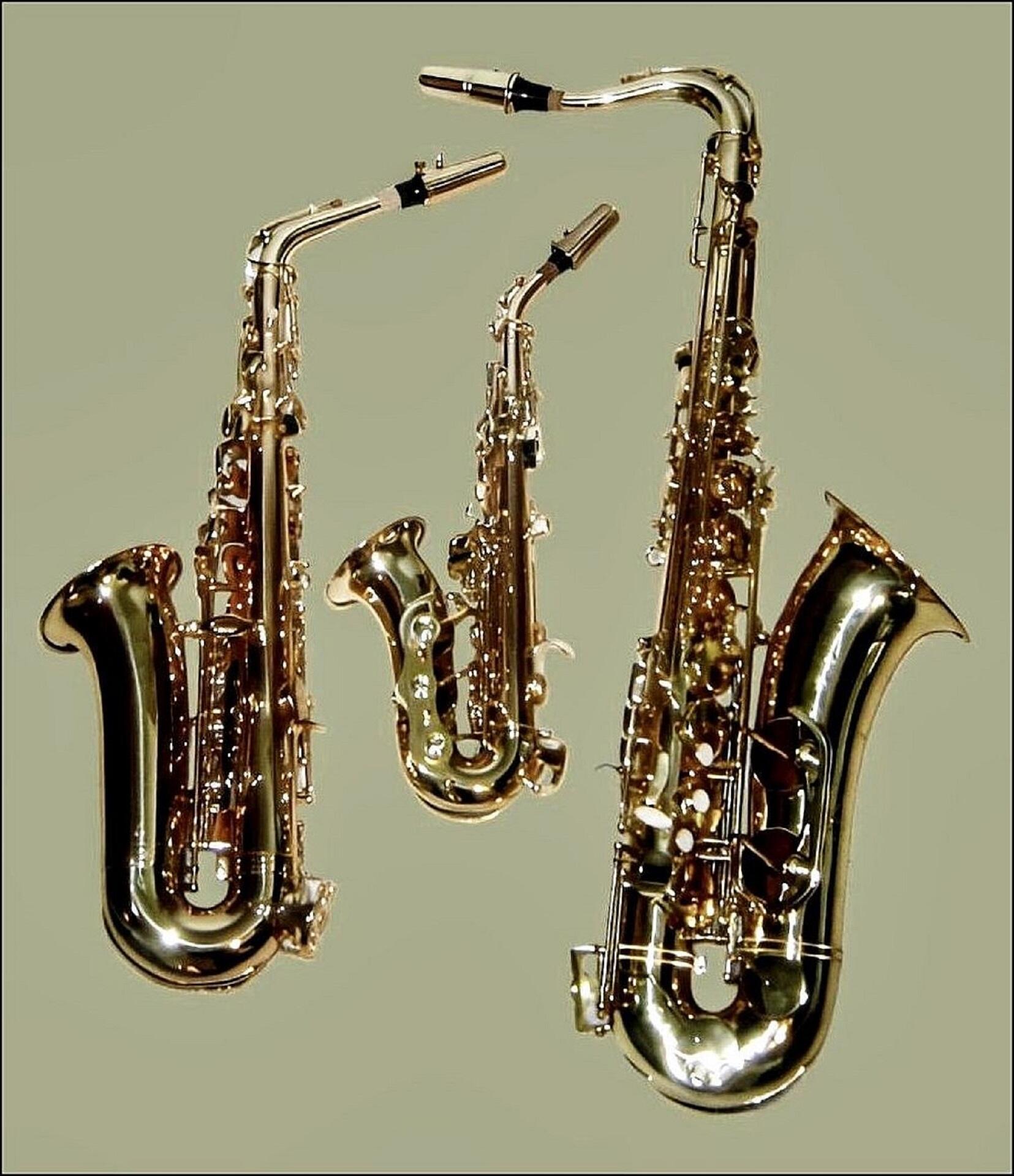
From the tiny to the massive, these eight1 remain in relatively common usage (the dominant ones in bold):
- Soprillo
- Sopranino
- Soprano sax
- Alto sax
- Tenor sax
- Bass sax
- Baritone sax
- Contrabass sax
Of the four highlighted, the alto sax is the overwhelming favourite saxophone for beginners. It's a versatile instrument that offers a rich sound; it plays well across music genres from rock and pop to jazz and classical.
Saxophone Components
Regardless of the type of saxophone, they all have the same fundamental parts.
Mouthpiece
neck
body/bow*
bell
The three smaller saxes typically do not have a bow (the U-shaped portion), nor do they all have a detachable neck. However, players of those instruments can remove the mouthpieces. That's essential for proper care and maintenance (more on that later).
What to Think About When Shopping for a Saxophone
You have three options to get your hands on a saxophone5. Each presents advantages and disadvantages.
Saxophone rentals
- assurance of function
- establishes relationship
- maintenance/repair guarantees
- can be pricey
New saxophone
- assurance of function
- includes accessories
- establishes relationship
- major upfront cost
Used saxophone*
- questionable quality
- may need repairs
- perhaps lacking accessories
- flexible price
(*The used saxes described here are from private sellers and secondhand stores. Used instruments from a music shop are generally as good as a new instrument.)
Establishing a relationship with music professionals is invaluable to you keeping your sax in good functioning order. On this point, renting a sax can't be beat. As with any rental, if something goes wrong with it, it's up to the owner to fix it.
Renting a sax is a great idea when you're not ready to fully commit to playing.
You always have time later to invest in an instrument of your own.
Once you settle on owning your sax, you can and should establish a relationship with your local music store. Those shops typically have qualified professionals on hand to work on your instrument, a huge advantage over the other two choices.
Saxophone Accessories
We're not talking about all the cool things you could have to pull off the 'sax vibe'. The video above describes necessary saxophone accessories help you care for your instrument, protect it from damage, and help you play it. Some are absolutely vital2, but you could get by without a few of them, at least as an absolute beginner.
Essential Accessories
- reeds
- cleaning supplies and cork grease
- neck strap
- carrying/storage case
- metronome
Nice-To-Have Saxophone Tools
- extra mouthpieces
- additional ligatures
- music stand
- mutes
- padded neck strap
You absolutely cannot play the saxophone without reeds, and you will have to buy reeds over and over. Still, they are an accessory, as different reeds produce different sounds and affect your performance.
Learn to Play Saxophone: Basic Techniques
When you learn to play the saxophone, you'll spend your first few months mastering and practising the techniques essential for playing.
What Is Embouchure?
This fancy word means 'how you seat the mouthpiece and wrap your lips around it'. The idea is to use your lips to create a seal around the mouthpiece, so that your wind goes into the instrument.
Hold that seal firm while playing the notes.
Pull the corners of your mouth back to take in air during the rests.
It takes quite a bit of work to master this skill. It also entails having conditioned facial muscles so your seal will hold firm. So, you'll spend a lot of time learning and practising embouchure.
Saxophone Fingering
Sax fingering means where you place your fingers and how you work them to make music.
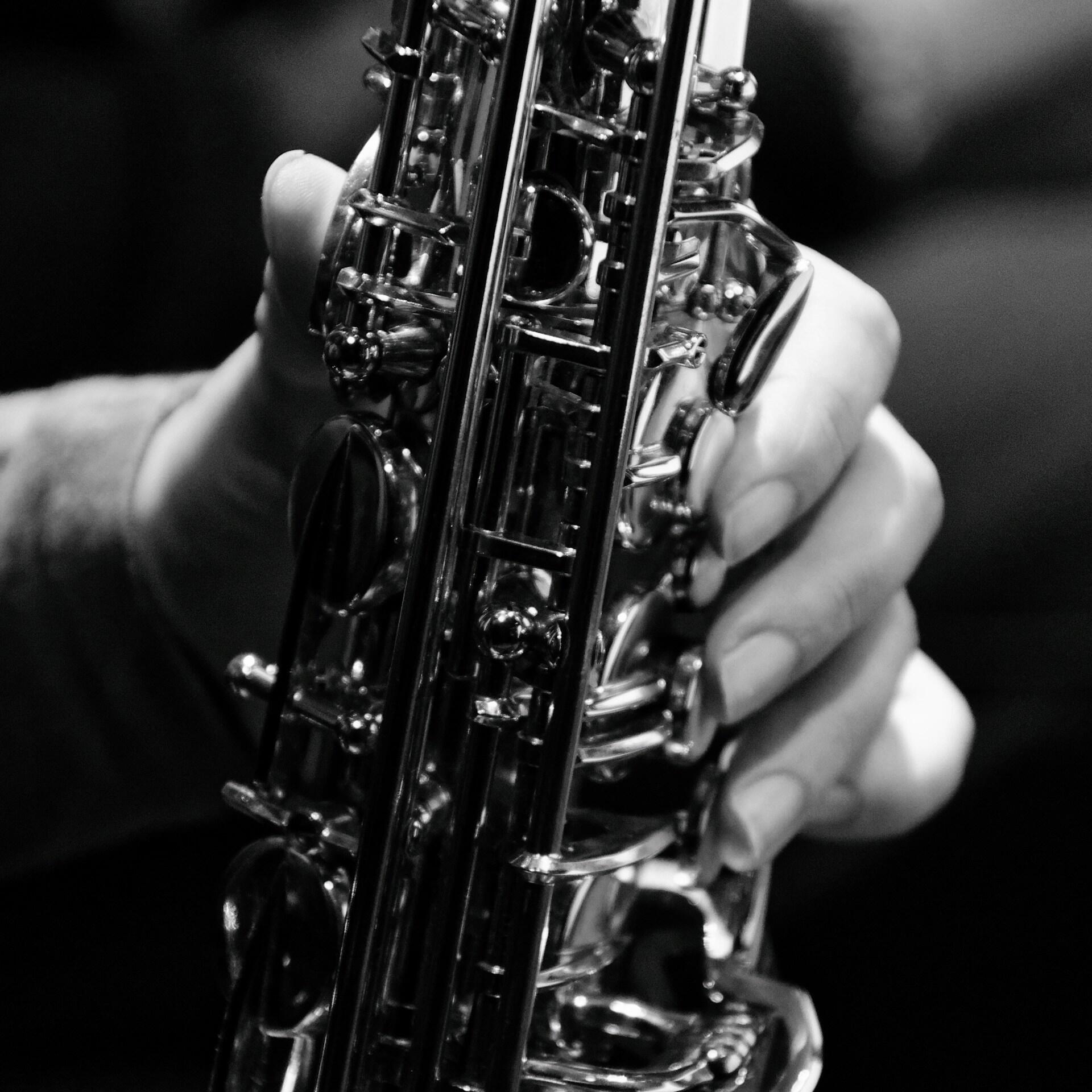
To play the bigger saxes, from the alto sax up, you'll also use your palms to press keys. That calls for players to place their hands correctly on their instrument.
Fortunately, the alto sax is very forgiving and pretty easy to master. Furthermore, fingering charts3 show you which keys to press to make the sound you want. Below, you'll find outlets for fingering charts, among all the other resources for beginning sax.
Develop Proper Posture
As the saxophone is a wind instrument, keeping proper posture is crucial to playing. Slouching is a great way to limit your lung expansion and, thereby, how much breath and breath power you have.
Back straight, shoulders back, head high.
To develop and keep this posture, a bit of physical training might be in order. These exercises will help you get in top shape to play the saxophone.
Exploring Saxophone Notation
You can count on your first saxophone lessons being spent on getting familiar with your instrument and developing proper posture. It will be a few months before you can play your first beginner saxophone song. On the way there, you'll learn the necessary music theory to get the most out of your sax.
Reading Saxophone Sheet Music
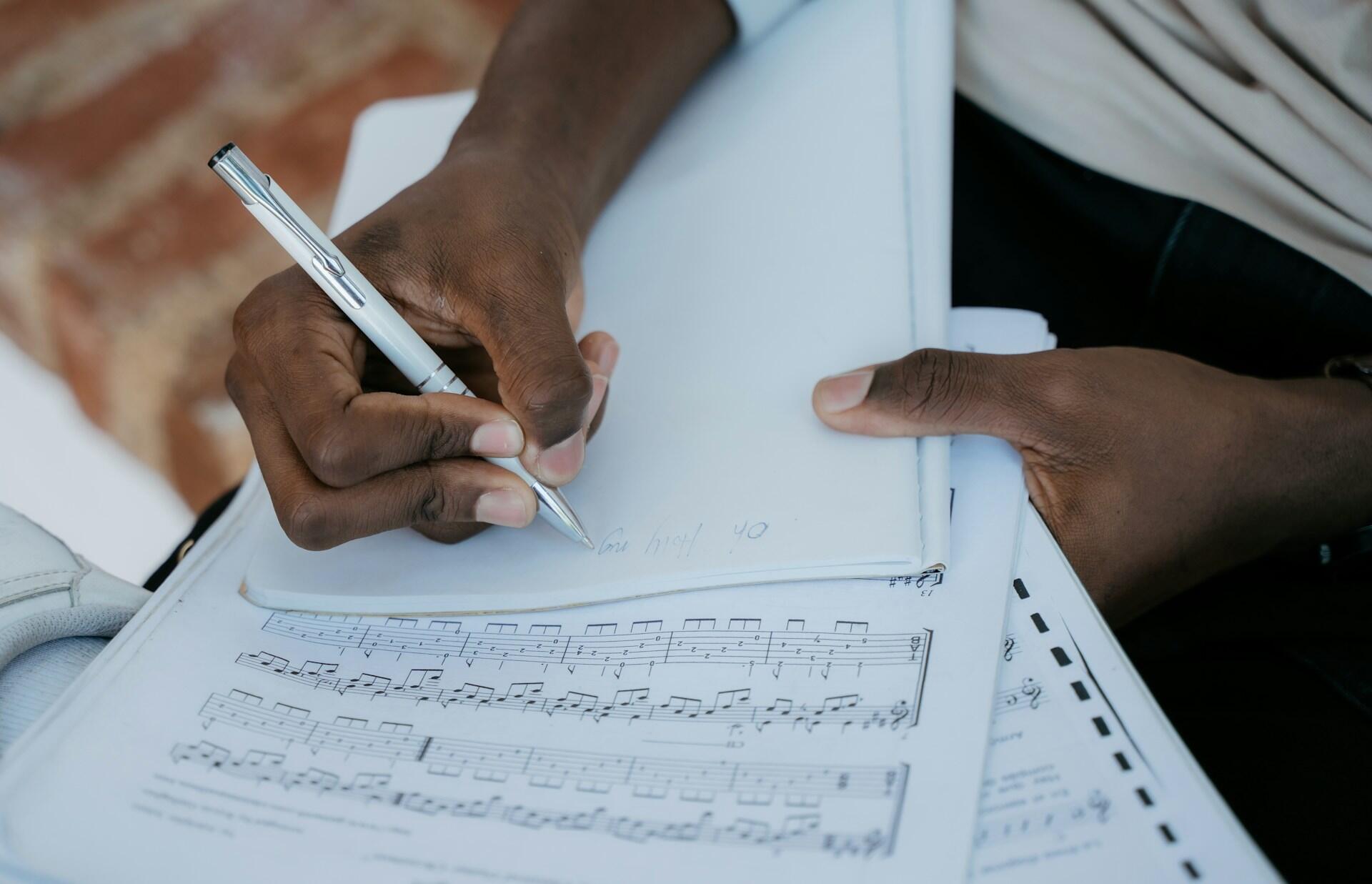
The first thing to know is that saxophone music notes are not the same as sheet music for other instruments. Indeed, notation for tenor saxes is not the same as alto sax notation4. Assuming you will embrace the popular alto as your beginner instrument, this is what you need to know.
With that foundational information understood, you're ready to learn all about saxophone notation.
Applying Notation Knowledge During Practice Sessions
Repetition builds memory, so you will typically start each lesson and practice session playing scales. Then, you'll consult your sheet music to revise and play already-mastered notes. This exercise reinforces your visual-manual coordination: your eyes read; your fingers do.
As your ability to interpret notation grows in tandem with instrument familiarity, you'll start to make intuitive leaps. You'll begin anticipating the logical sequence of notes and play them instinctively.
That doesn't mean your reliance on sheet music will eventually wane. In fact, your reading skills will become automatic, leaving you room to improvise while still playing the written notes. When you can do that, you'll know you're well on your way to becoming a saxophone player.
Caring For Your Saxophone
Whether you rent or buy your instrument, think of it as an investment; something that grows in value over time. Of course, that value lies mainly in the skills and pleasure you get from playing the saxophone. Still, like any investment, you must take care of it to get the most out of it.
The first and most obvious care instruction is to not treat it like a cricket bat. Swinging your sax around, propping it up in the corner, and leaving it exposed to the elements are definite no-nos. Beyond that, one rule will ensure your sax's long life and playing quality.
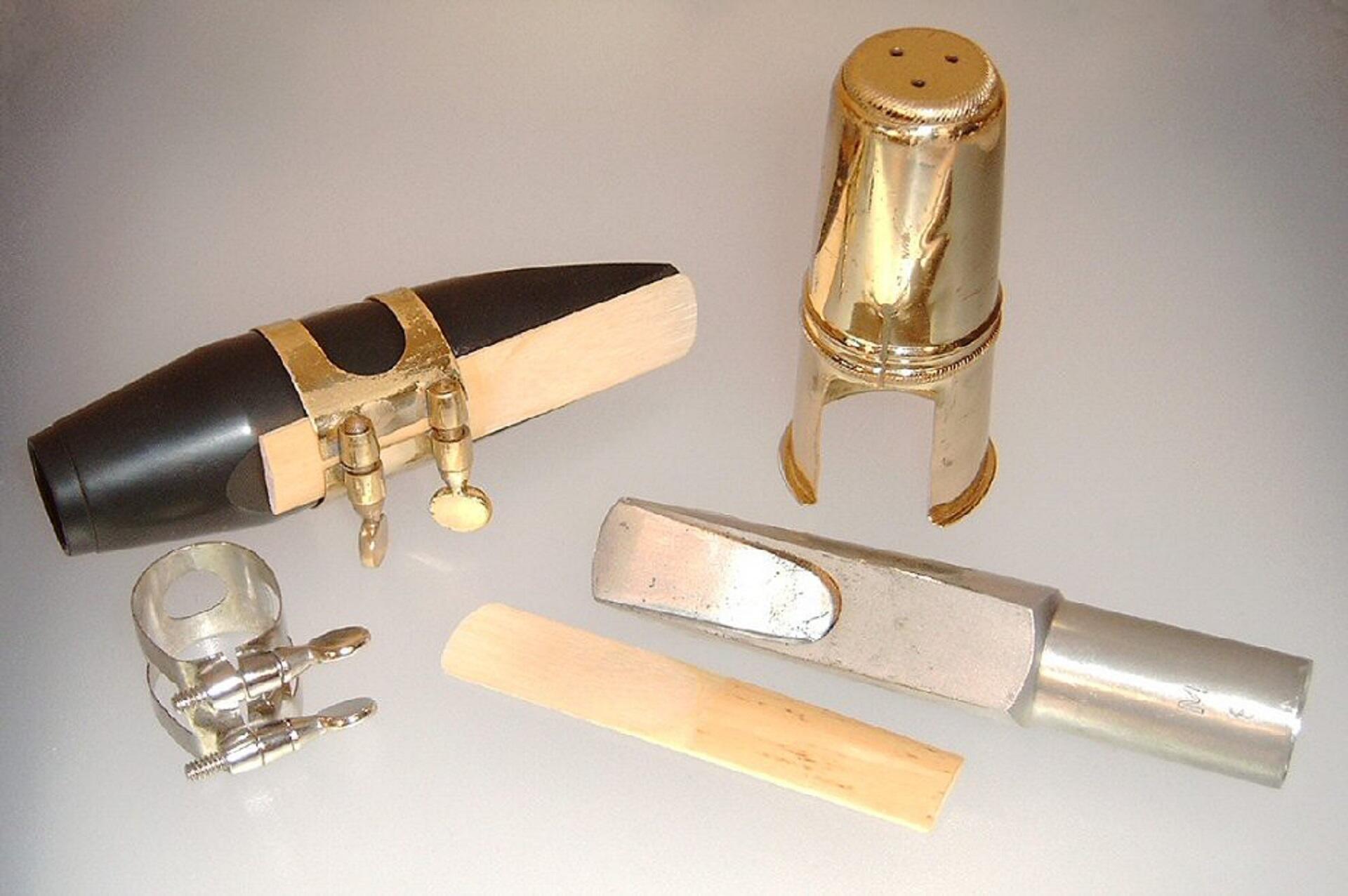
1. Remove the reed, wipe it dry, and store it in a reed container.
2. Remove the mouthpiece, clean it with a mouthpiece brush and/or swab.
3. Remove the neck, clean it with a swab.
4. Dry the body with your cleaning kit's bigger swab.
5. Do not close your saxophone case immediately!
The worst thing you can do is allow moisture to remain in your instrument. That creates a fertile breeding ground for bacteria, which risks damaging your instrument and worse, making you sick.
Saxophone For Beginners: Resources
Admittedly, this saxophone for beginners guide gives you a lot to digest. In closing, we leave you with this chart that points you to resources that will help guide your journey.
| 🎷Resource | 🕵️♀️What you'll find | 📍Where to find it |
|---|---|---|
| Sheet music | ||
| Tomplay | Interactive sheet music with backing tracks for various saxophone types and music genres. | tomplay.com |
| MuseScore | An extensive collection of user-generated and official music scores for alto saxophone and more. | https://musescore.com/ |
| Musicnotes | A comprehensive library of saxophone sheet music across multiple music genres. | https://www.musicnotes.com/ |
| 8notes | A vast selection of saxophone sheet music arranged by genre and sorted by difficulty level and instrument type. | https://www.8notes.com/saxophone/ |
| IMSLP | A searchable library of music scores | https://imslp.org/wiki/IMSLP:View_Genres |
| Fingering charts | ||
| The Woodwind Fingering guide | Interactive fingering charts for all saxophone notation. | https://www.wfg.woodwind.org/sax/ |
| Amro | Downloadable saxophone fingering charts | https://www.amromusic.com/saxophone-fingering-chart |
| Taming the Saxophone | Downloadable basic fingering charts; no sharps or flats included. | https://tamingthesaxophone.com/lessons/beginners/fingering-chart |
| How To Play Saxophone | Simplified fingering charts for beginners | https://www.howtoplaysaxophone.org/saxophone-fingering-chart/ |
| Tutorials | ||
| Sax School Online | Comprehensive sax tutorials for beginners, including video instructions for each segment. | https://saxschoolonline.com/articles/first-notes-on-alto-saxophone/ |
| Learn Saxophone | Comprehensive instruction for beginners, fingering charts, and course offers. | https://learnsaxophone.com/how-to-play-alto-saxophone-notes-for-beginners/ |
| Better Sax | Detailed instructions for fingering, embouchure, and more; courses available. | https://bettersax.com/altissimo-fingerings-alto-sax-tenor-sax/ |
| Saxsplained | Video tutorials for songs that show fingering and notation for alto and tenor sax. | https://www.youtube.com/@Saxplained |
| Sax School Online | Technical tutorials, explainer videos, and more | https://www.youtube.com/@McGillMusicSaxSchool |
| Your local music teacher | Personalised instruction from qualified teachers with loads of experience. | Search for listings online. Ask you local music shop to recommend a teacher. |
| Superprof | Personalised instruction from experienced, qualified teachers in your home, their studio, or online. | Search the Superprof platform. |
Beginner Saxophone: Further Reading
- “Types of Saxophones.” SAX, saxshop.com/blogs/news/saxophone-types. Accessed 1 Dec. 2025.
- “The 10 Essential Accessories for Saxophones.” Syos, 30 June 2022, syos.co/en/blogs/news/the-10-essential-accessories-for-saxophones. Accessed 1 Dec. 2025.
- saxschool. “Alto Sax Fingering Chart: A Beginner’s Guide | Sax School.” McGill Music Sax School Online, 27 Mar. 2023, saxschoolonline.com/articles/saxophone-finger-chart/. Accessed 1 Dec. 2025.
- Arts, Music . “How to Read Saxophone Music.” The Vault at Music & Arts, 13 July 2019, thevault.musicarts.com/how-to-read-saxophone-music-tips-for-kids-and-adults/. Accessed 3 Dec. 2025.
- Metcalf, Jay. “Saxophone Buying Advice for Beginners and Parents - Bettersax.com.” Bettersax.com, 20 Dec. 2017, bettersax.com/saxophone-buying-advice/. Accessed 3 Dec. 2025.
Summarise with AI:
Did you like this article? Leave a rating!

 Loading...