

'Shall' and 'should' are commonly used in the English language, whether in verbal or written communication. However, they have different meanings and intentions.
In this article, we will explore the key differences between these two modal verbs to use them correctly for clear and accurate communication.
When to use shall or should
- Shall: Used to express formal future actions or obligations, often in legal or official contexts.
- Should: Used to give advice, make recommendations, or express expectations in everyday language.


🤔 Definitions and Uses of 'Shall' and 'Should'
Both 'shall' and 'should' are modal verbs, also known as modal auxiliary verbs (helping verbs), that are applied before a verb in its base form (without to) to express a wide range of conditions, such as:
- Possibility
- Ability
- Permission
- Necessity
- Advice
- Expectation
Common modal verbs include can, could, may, might, must, shall, should, will, and would.
For instance, you can add these modal verbs before the verb 'go', and they can mean different things. 1
👉You can go (possibility)
👉You may go (permission)
👉You should go (necessity/advice)
📜Definition and Usage of 'Shall'
'Shall' is a modal verb used to express the following purposes:
Future action or intention
- I shall attend the concert tomorrow.
- I shall be there by 3 p.m.
Direct invitation or suggestion during a conversation
- Shall we dance later?
- Shall I get more strawberries while I'm at the supermarket?
Instruction or obligation
- The tenant shall pay rent on the first week of each month.
- Members shall wear a badge before entering the hall.
👍 Definition and Usage of 'Should'
On the other hand, 'Should' is a modal verb that is used to express these purposes:
Giving advice or a recommendation
- He should not buy that car before graduating
- You should watch the movie adaptation after reading the book
Responsibility or
obligations
- She should pay the rent every month
- The nurse should check on the patient before lunch
Expectations or probability
- The letter should arrive in London tomorrow
- He should be getting a promotion from the company soon
🔍 Key Differences Between 'Shall' and 'Should'
At a glance, it's easy to get confused between these two modal verbs. However, there are some key indicators to differentiate between them.

Shall
- Expresses a stronger obligation
- Sounds like a command or a rule (mandatory)
- More traditionally used in legal contracts, policies, and official documents rather than in everyday use
- Special usage: Used in questions to sound polite when suggesting something

Should
- Expresses a softer obligation
- Sounds like advice or a choice (optional)
- More commonly used in everyday conversations, in school, or at home, but it can also be used in written communication
- Special usage: Express assumptions or expectations (something that might or might not happen)
To sound polite
→ “I shall get that for you.”
To sound formal
→ "We shall overcome these challenges together" (speeches, writing, even sermons)
To be dramatic or humorous
→ “I shall return!” (banter between friends or a theatre dialogue)
Meanwhile, explore the differences between 'will' and 'would'.
💡Formal vs Informal Contexts: Choosing the Right Word
Context and nuance can help you choose the right word between 'Shall' and 'Should'. 2 Beyond the meanings of modal verbs, it's important to identify which words sound natural in different contexts.
🏛️ Formal Contexts
'Shall' is used in formal situations to show clear rules or requirements. It helps make the meaning strong and precise, especially in official writing. Here are some examples:
- Official rules and regulations (major or minor competitions)
- Any legal contracts
- Terms and conditions between a service provider and a client
- Company policies (which every employee must follow)
Shall is often used to give a strong instruction or promise in the future.
👉I shall meet you at the airport tomorrow (formal promise)
👉All employees shall wear their new uniforms for next week's general meeting. (instruction to be fulfilled in the future)
💬 Informal Context
'Should,' on the other hand, is used in informal situations where it is recommended rather than required. Common examples include:
- Conversations with family and friends
- Workplace or school discussions
- General writing (via emails, messages, letters)
“You shall relax this weekend.” ❌ (too strict, sounds strange as it's not 100% required )
“You should relax this weekend.” ✅ (natural recommendation and advice)
🌍 Real-World Examples to Clarify "Shall" and "Should" Usage
Now, let’s review more examples of 'shall' and 'should' that we use in daily life.
🧾Examples in Legal and Official Documents
The first example that we can see is through various UK legislation. 3
In preparing a draft of any code under section 53, the Secretary of State shall consult such organisations representing the interests of employers or of disabled persons in, or seeking, employment as he considers appropriate.
Further provision about codes issued under section 53, Disability Discrimination Act 1995
This example is a real law that was passed by the UK parliament. Hence, 'shall consult' implies a legal obligation whereby the Secretary of State MUST consult the relevant organisations.
Another example of the usage of shall is in academic regulations and official guidelines.4
1.2 The Regulations shall apply to all taught provision leading to credit or qualification of the University of Leeds, irrespective of the site of delivery.
Academic Regulations for Taught Programmes, University of Leeds
This example is from an official UK university regulation. Hence, 'shall apply' indicates a binding rule for all the taught programmes of the university, meaning the rules are compulsory and apply to all students without exception.
Our final example of the real-life usage of 'shall' is health and safety regulations. 5
An employer shall ensure that each new crew member employed by him is at all times during the course of that employment provided with adequate health and safety protection and prevention services or facilities appropriate to the nature of his employment.
Civil Aviation (Working Time) Regulations 2004 (CAWTR)
This example is part of the UK aviation regulations. Hence, 'shall ensure' is used to express mandatory safety requirements, under which the operator MUST provide adequate health and safety protection for every crew member. This is the total opposite of 'may' and 'might', which imply uncertainties.

😊 Examples in Everyday Communication
Now, let's switch gears to see how 'should' is used in real-life everyday communication. It's mostly used to express advice, suggestion, responsibility, or, in certain cases, past regret.
👉 Example Dialogue: Advice about emotional state.
A: "I've been feeling really stressed all week due to this project."
B: "You should go on a staycation to rest your body and mind."
Here, 'should' is used as a recommended course of action rather than a mandatory obligation.
👉 Example Dialogue: Talking about the responsibility of a specific group of people
"Parents should support their children emotionally, not just financially."
"Employers should provide a safe working environment for their employees."
Here, 'should' is used to express a moral or social expectation, be it in a discussion or an important statement.
👉Example Dialogue: Expressing regret about something
" I should have checked the weather before deciding to take the children to the beach."
" I should have apologised right away after knocking down his favourite toy."
Here, 'should have' is used to express the speaker's past regret where he or she ought to have done something.

🆚 Overview Comparison Usage of ' Shall and Should
| Aspect | Shall | Should |
|---|---|---|
| Primary Contexts | - Legal/formal documents (obligations) - Future tense (1st person: I/we) - Offers/suggestions (questions) - Rarely in modern spoken English | - Advice/recommendations - Moral duty/expectation - Probability/light obligation - Everyday spoken/written English |
| Core Meanings | Strong obligation or certainty; "must" or "will" (formal/future intent) | Mild obligation, advice, or expectation; "ought to" or "it's advisable" |
| Examples | - Legal: "The tenant shall pay rent monthly." - Future: "We shall overcome." - Offer: "Shall we dance?" - Obligation: "You shall not steal." | - Advice: "You should see a doctor." - Expectation: "He should arrive soon." - Duty: "We should help the needy." - Probability: "It should rain today." |
⚠️ Common Misconceptions and Pitfalls
Many learners may sometimes find it difficult to differentiate the usage of 'shall' and 'should' because they can be used to express obligation and responsibility among English modal verbs.
🔄Interchangeability Myth
A common myth when using 'Shall' and 'Should' is that they can always be swapped freely because they are both modal verbs. However, both of them carry different meanings and weights.
'Shall' is always used for statements that carry legal obligations and a stronger obligation in legal and official texts. If it is replaced with 'should', the statement would sound weaker, in the form of suggestions.
✅The tenant shall pay rent on the first of each month.
👉 Binding requirement for anyone who signs the contract
❌The tenant should pay rent on the first of each month.
👉Sounds like advice rather than a contract term
'Should' is always used in everyday English expressions for advice, recommendations, or expectations. If it is replaced with 'shall', the statement would sound stronger, in the form of a command.
✅You should call your parents to take you home.
👉 It's a suggestion and natural advice
❌You shall call your parents to take you home.
👉Sounds like an order or a very strict rule
Don't forget to learn more about the distinctions between 'must' and 'have to' while learning modal verbs.
🗣️Regional Variations
Another point to take note of is how the usage of 'shall' and 'should' varies between British and American English.
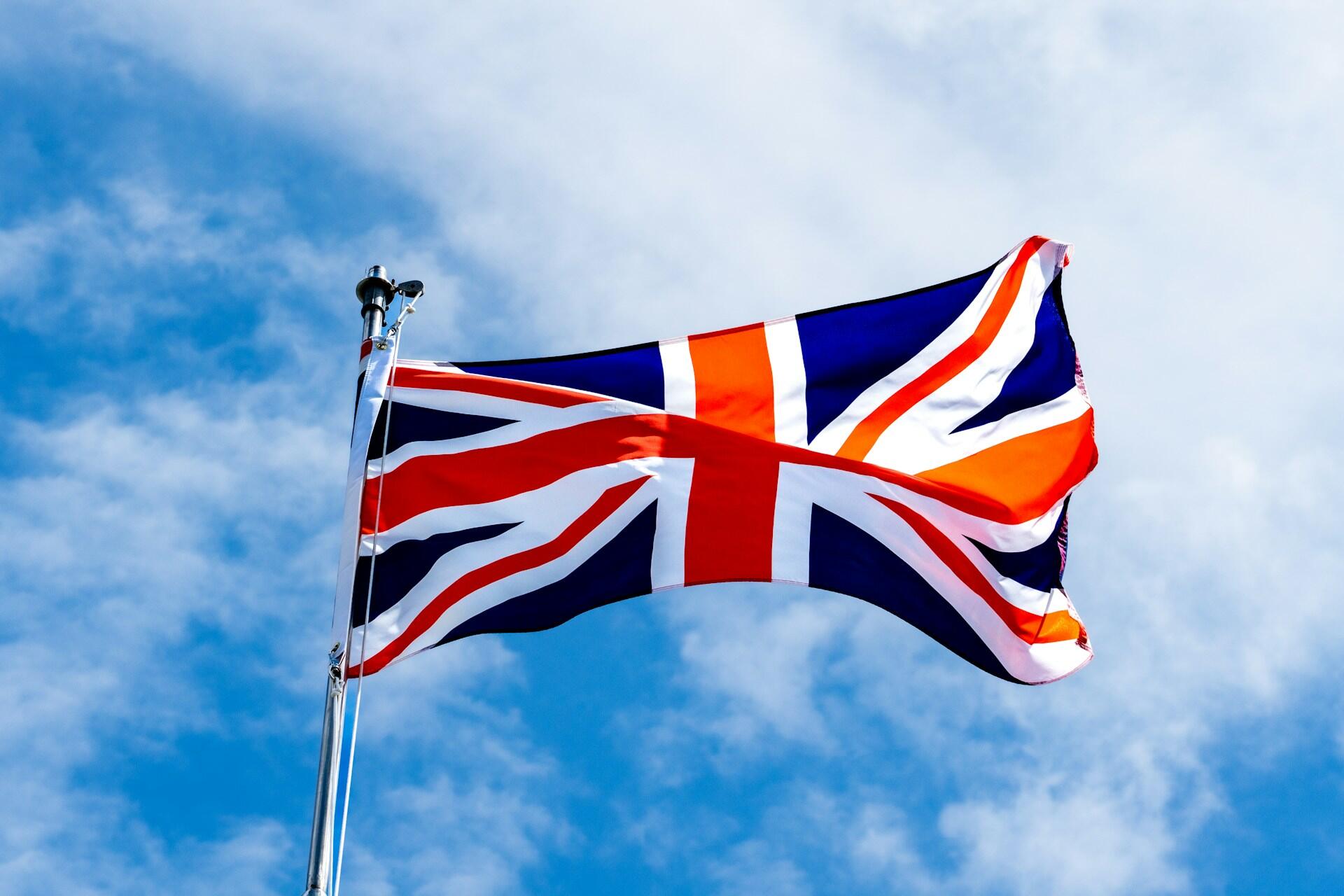
British English

American English
There is no major difference in how 'should' is used in British English and American English, as they're very commonly used in advice and polite speech.
We hope you have found this article helpful in terms of knowing the differences between 'shall' and 'should' and the right way to use them in real-life.
References
- “Shall” vs. “Should” in the English grammar | LanGeek. (2020). Langeek; LanGeek. https://langeek.co/en/grammar/course/692/shall-vs-should
- Learning English | BBC World Service. (2026). Bbc.co.uk. https://www.bbc.co.uk/worldservice/learningenglish/youmeus/learnit/learnitv43.shtml
- Disability Discrimination Act 1995. (2019). UK Legislation. https://uk-legislation.com/disability-discrimination-act-1995
- Academic Regulations for Taught Programmes | Governance and Compliance. (2022). Leeds.ac.uk. https://secretariat.leeds.ac.uk/home/academic-regulations-and-taught-student-policies-and-procedures/academic-regulations/
- Regulation and enforcement | UK Civil Aviation Authority. (2026, February 9). Caa.co.uk. https://www.caa.co.uk/about-us/the-caa/enforcement/health-safety-and-working-time-regulation/regulation-and-enforcement/
Summarise with AI:
Did you like this article? Leave a rating!


 Loading...