
Why do we love singing competitions so much? Not just 'we' as in 'the United Kingdom (UK) population', of course. Throughout history and around the world today, song contests are perennial top-draws.
Facts abound to back that claim. School talent competitions, local festivals, and massive song competition franchises all prove our point. And where franchise contests are concerned, singing competitions UK take the lead. But perhaps not as great a lead as the longest-running international singing contest.
In this article, Superprof explores various outlets for aspiring singers to test their talents. Read on to discover:
- the biggest singing competitions UK
- the world' most prestigious song contest
- the 'blind audition' singing programme
- the biggest winners of singing competitions UK


Overview of Major UK Singing Competitions
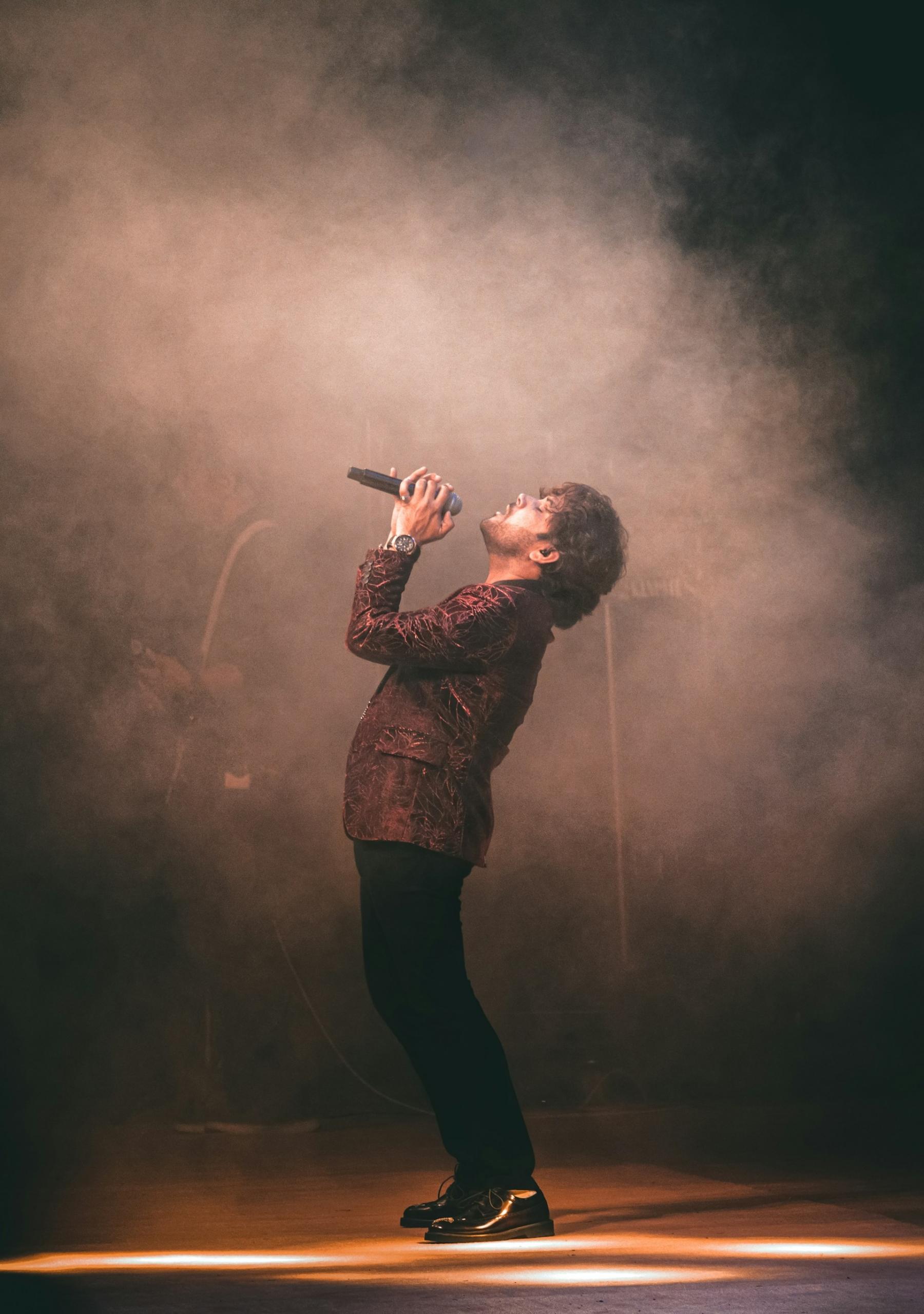
For centuries, local singing competitions and talent shows were the best way to discover new vocal talent. Aspiring performers could also audition for a place on a festival stage. Open call auditions for radio and, later, television programs gave singing hopefuls yet another avenue to fame. Many aspiring singers supplement their preparation with singing lessons.
All of those pathways pale in comparison with today's roads to popularity. Singing competitions UK went mainstream in 2001, when Pop Idol debuted on ITV.
Televised song 'battles' forever changed the singing competition format. To be sure, Pop Idol was not the first such contest. Talent shows like New Face (1970s-80s) claim that crown. However, it was among the first 'reality' shows, with the viewing audience having control over its outcome.
The show became a seminal reality/entertainment format once on air that autumn.
Maggie Brown, the Guardian, 2001
Pop Idol featured then-unknown Simon Cowell as a judge. At that point, his entire career revolved around music - as a producer, agent, and consultant. When Pop Idol went on permanent hiatus, he wasted no time launching more singing competitions UK.
The X-Factor (2004)
Simon based this competition on the Pop Idol format. Singing hopefuls would first audition before a judging panel. Those who made the cut trained with an assigned mentor to develop vocal and presentation skills. Aspiring singers looking to further enhance their technique can benefit from singing lessons brighton.
As each series progressed, contestants would undergo elimination rounds. The last competitor from each 'house' would perform in the final round. The judging panel would decide the winner, with audience input.
This singing competition generated several spin-offs, including The Xtra Factor (2004-2016) and Xtra Bites (2017-2019). Competition enthusiasts enjoyed a few celebrity editions, as well. Those included: The X-Factor: Battle of the Stars (2006) and The X-Factor: Celebrity (2009).
Britain's Got Talent UK (2007)
This show capitalises on other singing competition successes. Unlike X-Factor contestants, Got Talent competitors receive no mentoring or guidance. Contest hopefuls audition before the judging panel for a chance at a live show performance.
Note that Got Talent isn't just a stage for singers, though it features many. Performers of all types, from dancers to magicians, seek their fortunes on this show. Each series' winner claims a cash prize and a slot in the Royal Variety Performance line-up.
By no means are these two the only major singing competitions UK. However, they pull in the most viewers, and they generate the greatest talent show legacy. This table lists other major UK singing contests.
| Contest name | Who qualifies? | How to apply |
|---|---|---|
| Open Mic UK Competition | Anyone | www.openmicuk.co.uk/ |
| TeenStar Competition | Pre-teens to 19-year-olds | www.teenstarcompetition.co.uk |
| Channel 4’s BATTLEFRONT | 18-24-year-old Londoners | https://battlefront.co.uk/competitions |
| Gravesend Talent Search | Serious musicians who want to build performance skills | www.starnow.com/casting/gravesend-talent-search-uk-1519663/ |
Eurovision: The International Stage
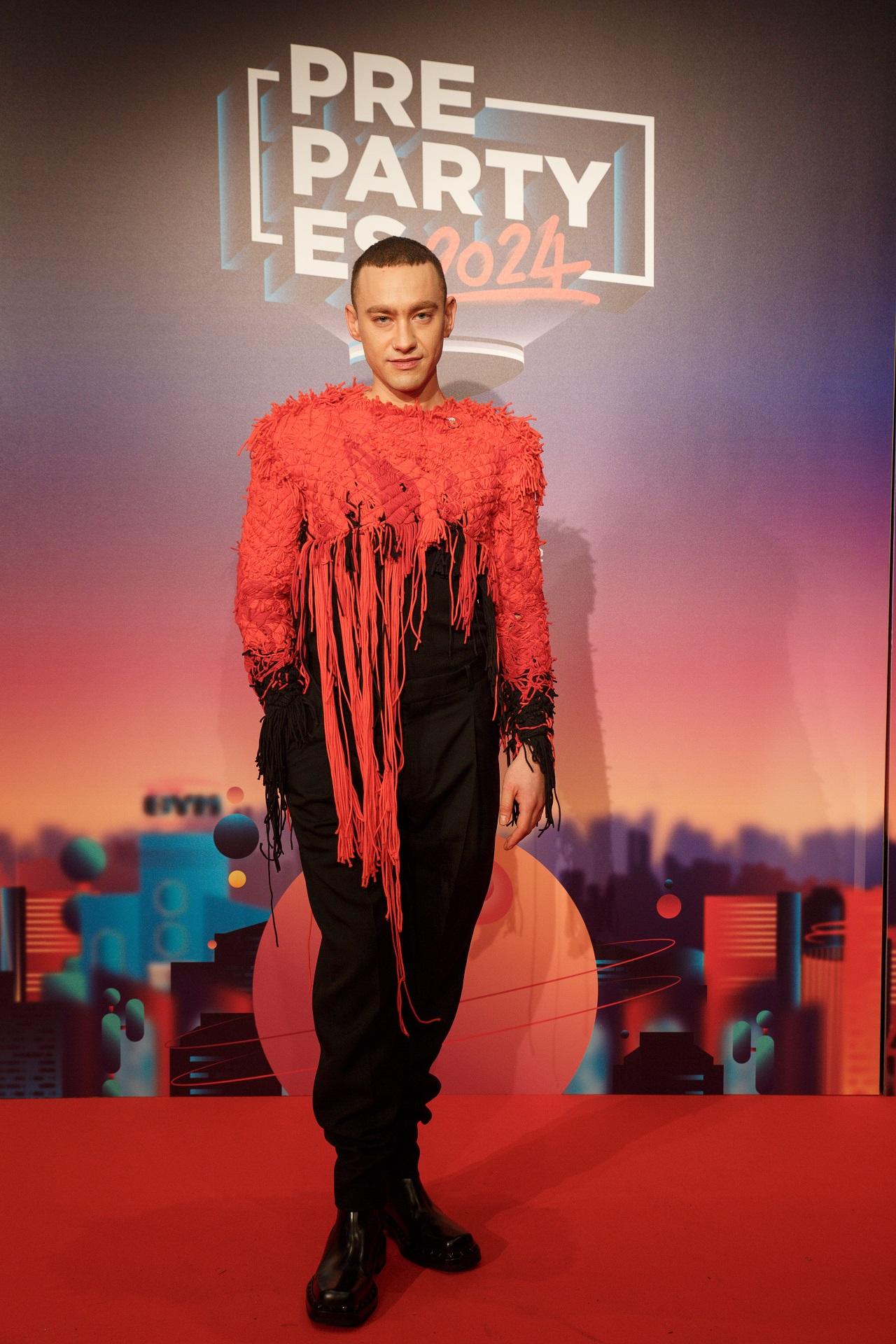
Every British Eurovision fan knows that Olly Alexander is our 2024 envoy to that stage. But you don't have to be a Eurovision fan to know who Olly is. He's been making waves on the British music scene since around 2012.
Still, representing one's country at the Eurovision Song Contest is every singer's dream. For 64 years, this international singing competition has produced some of the biggest names in music. Some of the world's most popular tunes debuted at Eurovision, too.
The songs Eres Tú and Nel Blu, Dipinto Di Blu are two of the most covered tunes in recent music history. Italian artist Domenico Modugno performed the latter, better known as Volare, at the 1958 Eurovision spectacle. David Bowie sang it (in Italian!) in 1986, for a film soundtrack he was recording.
Mocedades won the 1973 Eurovision edition with their Spanish-language hit. Since then, more than 100 artists have recorded this ballad, either in Spanish or in their native language. It's featured in adverts, films and television series.
Mocedades and Domenico were already popular in their home countries when they appeared at Eurovision. By contrast, a certain Swedish quartet was struggling to gain a foothold in the music scene. Despite failing to qualify for a televised singing contest in 1973, the show's producers invited back the next year.
Their peppy tune, Waterloo, stole that show and several others - including Eurovision 1974. ABBA rocketed from obscurity to international renown. They are the most successful vocal group in Eurovision history, and one of the most successful acts in pop music history.
We could continue citing Eurovision success stories, such as Celine Dion, Conchita Wurst and others. We probably don't need to, though. This small selection of Eurovision stories is enough to make our point.
Eurovision's international stage isn't just a harbour of dreams or a source of inspiration. It's where music enthusiasts meet the next big name and hear the latest sound.
Eurovision contestants may have any measure of renown in their home country. However, after their three minutes on that stage, viewers around the world know their names. That's the fun, the joy, and the beauty of the Eurovision Song Contest.
The Voice UK
Are you reading this while you wait for Eurovision's next broadcast? Or will you wait to tune in for the finals, seeing as Olly featured in the first semi-final? Either way, you must have a minute to talk about one of today's most popular vocal contests.
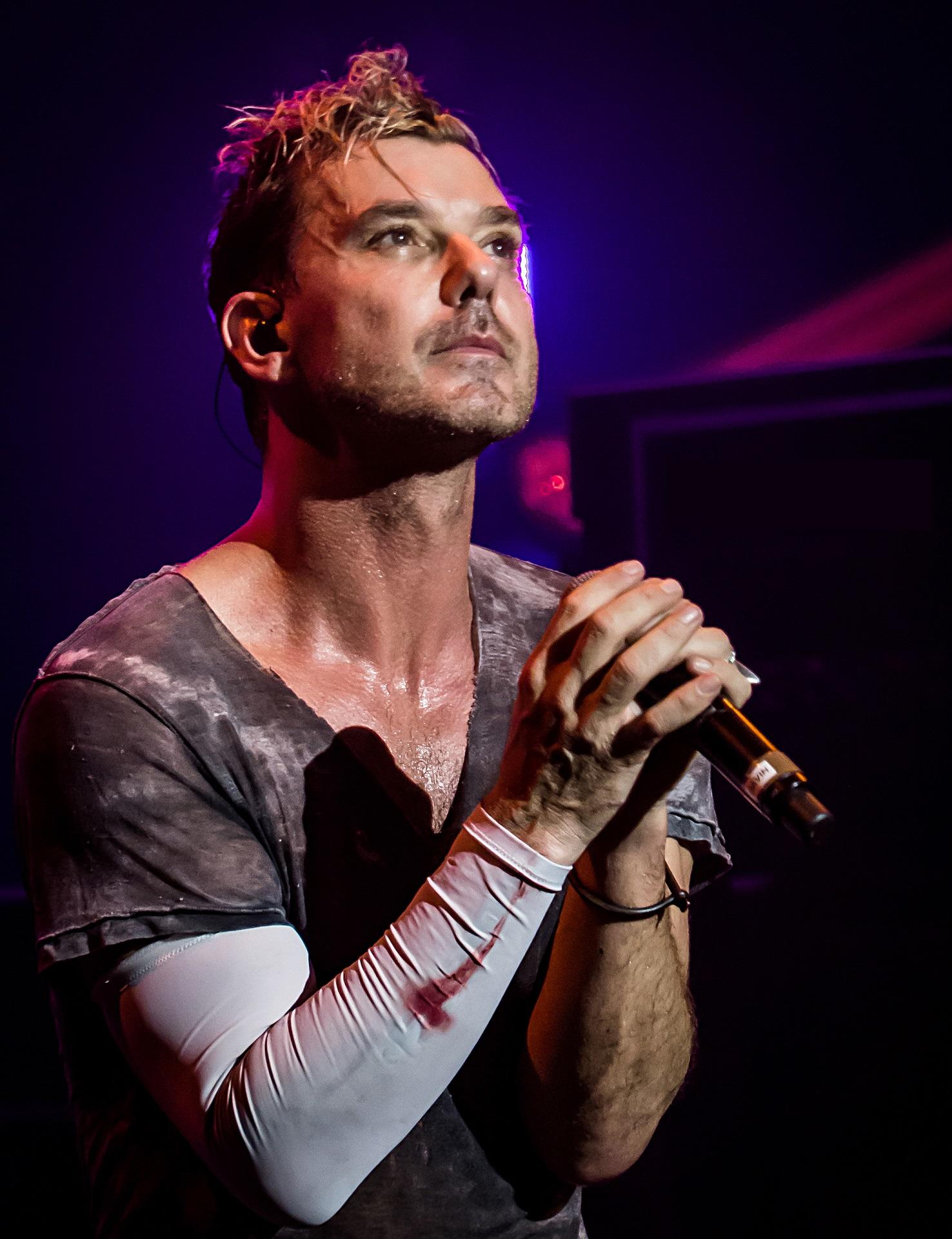
If you watch musical reality shows, you might already know that Gavin Rossdale is a Voice judge. He and other legendary songsters coach contestants to victory. From the outset, The Voice offered something no similar contest did.
The Voice creators looked at The X-Factor and Idol franchises and decided to take them further. John de Mol (producer) and Roel van Velzen (singer/songwriter) studied those productions to brainstorm what they could add. Roel hit upon one major change.
Typically, when contestants audition, the judges take their full measure. The panel assesses everything from clothing to stature, as well as how they carry themselves. All that before the contestant sings the first note.
As it's a voice competition, shouldn't the candidates' vocal abilities be the only judgment criteria? Once our two creators hit upon the Blind Audition formula, it was simply a matter of putting the show together. Audience participation was the coup de grâce. The Voice was the first reality music show to incorporate social media.
The show was an instant hit in the Netherlands. Its creators-producers wasted no time licensing it worldwide.
I thought it was really good. Every so often the BBC occasionally buys something from abroad that is peerlessly good ...
Danny Cohen, BBC1 Controller
The Voice UK debuted on BBC 1 in March 2012. Mindful of the cost - and the possible backlash of failure, all eyes were on the premiere's ratings. The show's producers needn't have worried. Like the original edition, The Voice UK was an instant hit.
Over its 12-year run, this show aimed to discover, polish and present British singing sensations. Coaches welcomed unsigned singing talent and mentored them into possible music stars. It's a winning formula that has spawned several spin-offs, including a Kids' Voice edition. Many participants also enhance their vocal performance through singing lessons.
X Factor Success Stories: Past Winners of UK Singing Competitions
The boy band One Direction is arguably the most renowned X-Factor success story. They competed - and won, in 2010. Almost immediately after their elimination in the final round, the group inked a £2 million deal with Simon Cowell's record label.
However, their origin story isn't all it seems. These five vocalists registered for the singing auditions as solo acts. They all failed to make the cut. The bit of strife over which judge/coach organised them into a group notwithstanding, they were, indeed, better together.

This show's first-ever winner is noteworthy for another reason besides being the first. Like One Direction, he inked a recording contract shortly after his win. Unlike them, his label dropped him eight months later.
It seems Steve Brookstein had a penchant for biting the hand that fed him. He publicly attacked the show and his mentor, and did his utmost to ruin its reputation. At most, he ruined his own career. The X-Factor removed any mention of him from their website.
Rak-Su won in 2017, the first male group to do so. They continue to delight audiences across the UK, and they are masters of social media engagement. Their Tiktoks are just the thing to brighten spirits when you've had a hard day.
We don't hear much from the show's 2007 winner, Leon Jackson. Through the year after his win, he basked in the spotlight. And then, he realised he preferred writing songs to performing them. He plans to return to music but, right now, his charity work claims all his time.
Summarise with AI:
Did you like this article? Leave a rating!


 Loading...