

"As practice makes perfect; each drawing one makes, each study one paints, is a step forward." -Vincent Van Gogh
Whenever we start a new hobby or pastime, we feel insecure and unsure how to carry things out. Although creating something new is never easy yet if you push through, you can truly enjoy the feeling of seeing your progress in motion, and that is enough to encourage you to move forward.
The same can be said about learning how to draw or sketch; practice makes perfect. Amateur illustrators are not born with talent, and they need to hone their abilities. However, since drawing is a visual exercise, there is proof of improvement. After a few years of sketching, a person's drawings can dictate how they went from a beginner to an advanced drawer.
Regardless of the subdiscipline of drawing, improvement and advancement can be perceived.
So, without further delay, in today's article, we shall discuss still-life drawing and how persons can master its fundamentals.



What are Still-Life Drawings?
Before mentioning the different styles and techniques of still-life drawing, it's worth noting that you might not be familiar with the term still-life if you are new to the "art world" and have just started drawing lessons. So, what is still-life sketching?
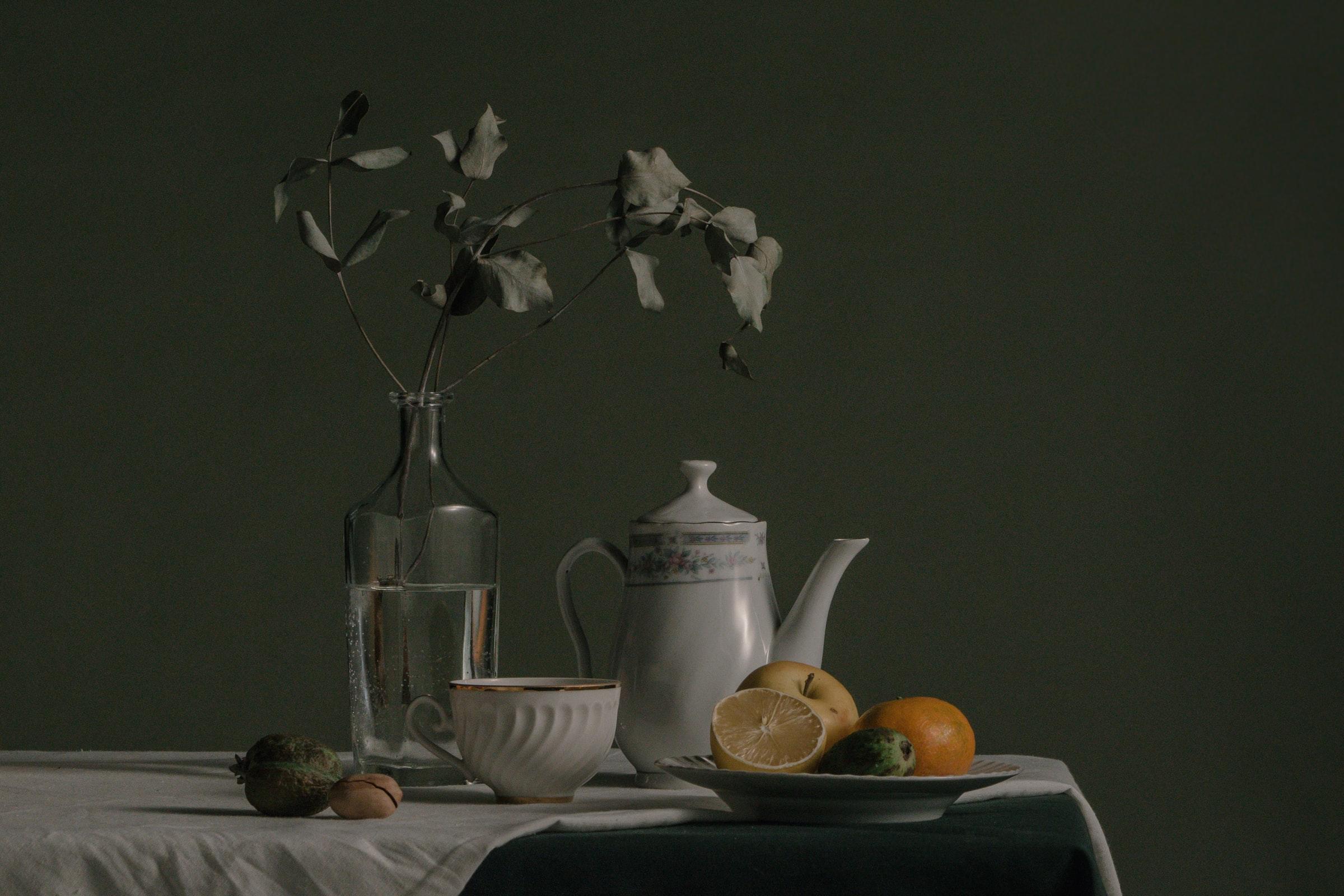
In simplest terms, still-life drawing can be defined as the sketching of artificial or inanimate objects that are not moving. Therefore, the most commonplace items are usually used as subjects for still-life drawings.
It's important to state that still-life drawing and painting have the same principles. Still-life drawing is usually the sketching taught by beginners during art class or at art academies across the UK. An object is placed in front of the student or students, and they must do their best to recreate the image on a canvas or sketchpad.
Still-life has also been called "natura morta" which means "dead nature."
To get a better idea of still-life drawings, check out the works of Giorgio Morandi, Paul Cezanne, and Georges Braque.
Different Types of Still-Life Illustrations
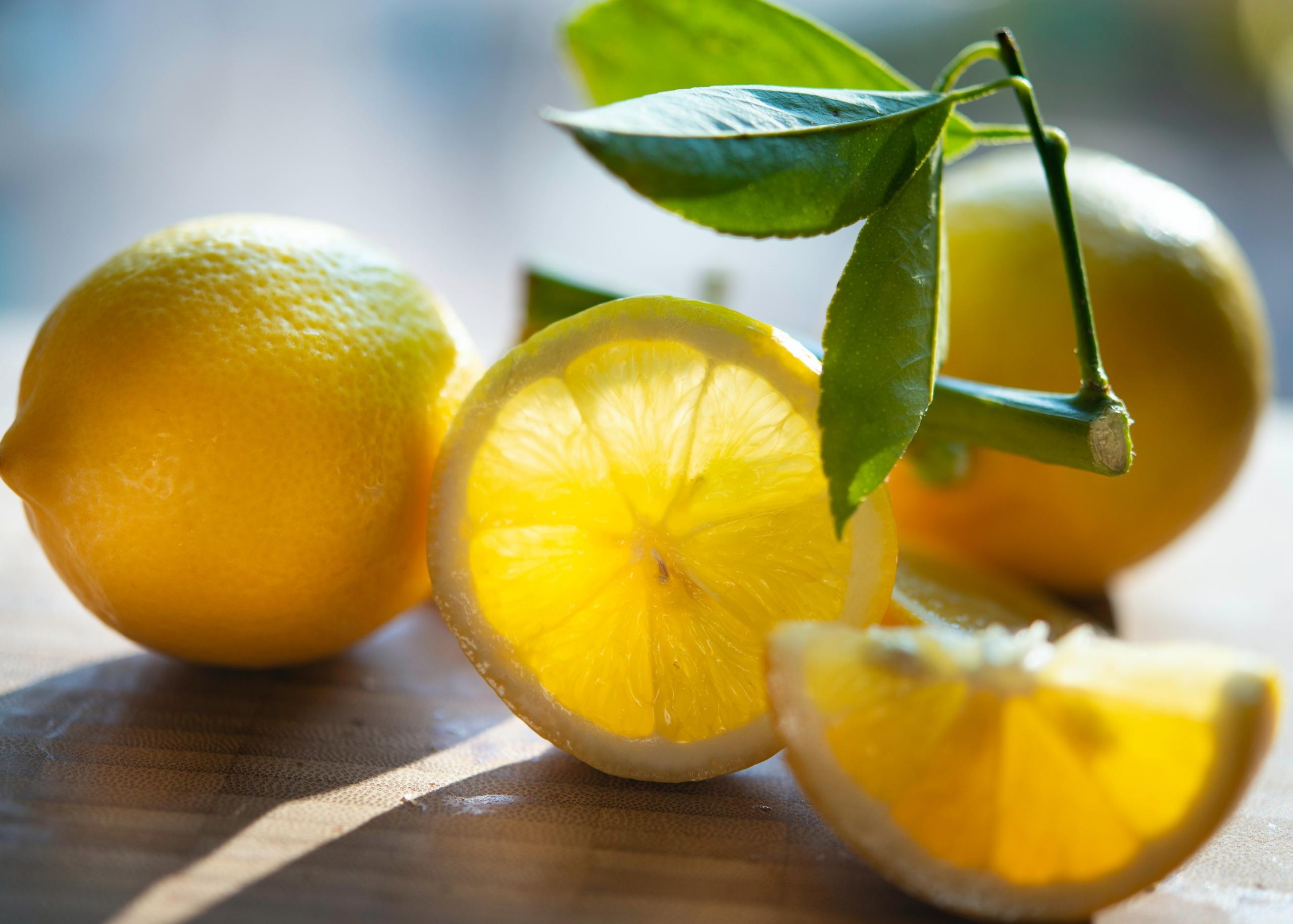
Since there are so many different objects that are inanimate and artificial, it's worth mentioning that various still-life drawings can be completed. Such as?
Without further delay, the list below takes a look at four different types of still-life drawings:
- Flower Pieces: known as the first group of still-life drawings, flower pieces are any sketches that incorporate flowers or plants. Flower pieces are easy to identify, and they are usually in a bouquet, in a pot, or lying on the table or floor. Flower pieces require a lot of detail and colour.
- Breakfast or Banquet Pieces: have you ever noticed paintings of food and drink on tablecloths? If so, you've observed breakfast or banquet still-life pieces. Sometimes, these breakfast pieces solely boast apples or a bowl of oranges. However, many famous artists have tried their hand at still-life banquet drawings.
- Animal Pieces: while this type of still-life category goes against the rules of drawing only inanimate objects, animal pieces may be on pets, stuffed toys, or wild animals that are sketched from memory.
- Symbolic Life Stills: accomplished artists with a more complex vision tend to draw symbolic life stills with a broader category. Symbolic life stills tend to be more religious, and they use symbolism to depict something more intense and real.
When learning how to draw still-life illustrations, we recommend trying all of the previously mentioned options since they will drastically expand your skills.
Techniques to Implement When Sketching Still-Life Drawings
As is the case for nearly all artistic endeavours, some specific techniques and methods need to be employed to make things successful. Professionals from the field of still-life drawing know the tricks for beginners. Such as? Without further delay, the following are some essential things to keep in mind when sketching a still-life object:
- Measure the object: first and foremost, amateur illustrators need to measure the inanimate object they are about to draw; it can be anything you want. Then, with the help of a ruler or your drawing pencil, you can measure what you will sketch. Take measurements from distinct angles to get a better idea of how things will look on the page.
- Start with the shapes: after you've mastered the measurements and know whereabouts everything should be on the page, you can start sketching the contours of your still-life drawing. Again, try to keep track and ensure that the proportions are on the way.
- Don't forget to shadow: after the object's shape has been determined, you can dim the still-life and add some basic tones.
- Model the appropriate form: this step probably takes the longest since it is the refining process, and it includes modelling the object's structure. You can create smooth transitions and even tones in your drawing. Use an eraser to establish the colours and shadings that you desire.
- Add the last details: the final step involves making your still-life drawing look as realistic as possible by refining the tones and adding specific details.
The previously mentioned things to keep in mind are courtesy of Pencil Perceptions. If you follow the basic techniques, your drawings will look professional.
Now, let's look at the following subheading to see how a few still-life drawings may be sketched.
Sketching Guides of Still-Life Drawing Examples
With so many objects to draw and sketch using still-life methods, it may seem that the possibilities are endless. Nonetheless, we're going to take our readers through the step-by-step process of preparing to draw a still-life sketch. Let's get started!
How to Draw Still-Life Flowers
One of the most significant and widely recognised types of still-life drawings are pictures of flowers. It's important to state that there are a few things to keep in mind about the setup before sketching the flowers or plants. Such as? The following are a few tips for staging before drawing a flower still-life:
- Focus on the Background: staging is the perfect time to determine whether your background is too busy or too much contrast. Ultimately, you should seek to have a set that lets you focus on the subject of your drawing, which is the flowers.
- Placing the Flowers: think about the flowers and their colours when placing them on the table. Also, you might want to consider the colour of the vase before sketching starts.
- Adding Supplementary Elements: while flowers are the focal part of the drawing, many still-life sketches that feature plants or flowers have additional elements such as fruits, leaves, or chinaware. Try adding new elements to the picture to see what works best for you.
- Finding the Perfect Viewpoint: before you start the drawing process, the artist must decide upon the correct viewpoint for the picture. For example, do you want the sketch to be straight on or from above? Check out samples to determine what's best for you.
- Lighting: to get the best still-life drawing and have the subject stand out, it's essential to give some attention to the lighting in the room. Natural light is significant.
While it's true that we only discussed one type of still-life drawing, the previously mentioned steps that are used for preparing the scene for flowers can be used when drawing other still-life drawings that have animals or inanimate objects as the subject.
Hiring a Personal Drawing Coach in the UK
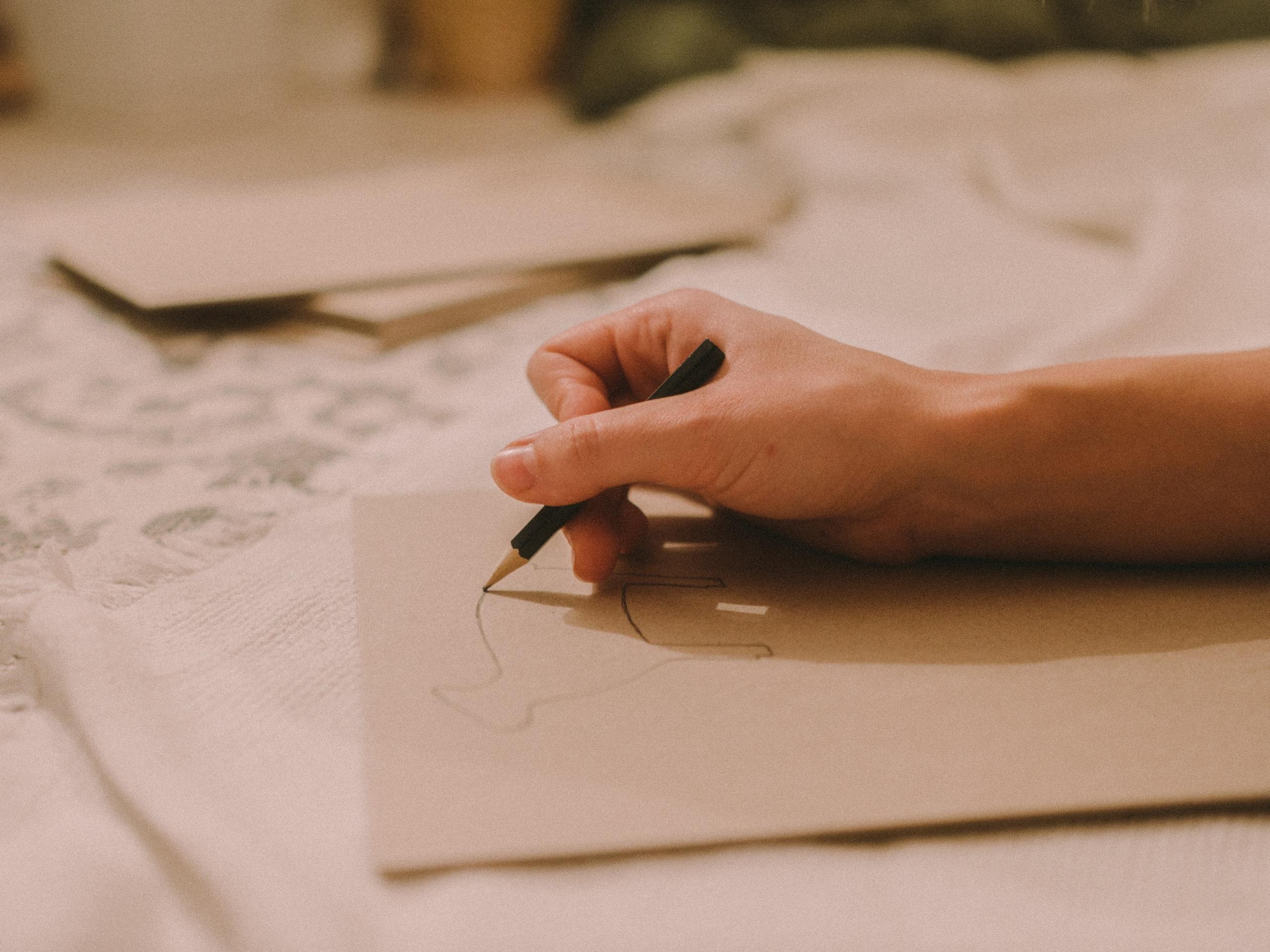
Have you wondered how you could drastically improve your sketching skills? While plenty of online tutorials provide comprehensive instructions to enhance still-life drawings abilities, it's worth stating that the advice and guidance from private tutors are indispensable.
Accredited and experienced drawing instructors are talented professionals who know how to successfully direct amateur sketchers through tips and tricks to reach their artistic goals.
But, where can a person living in the UK find a drawing instructor specialising in still-life sketching and ready to conduct lessons in a town or city nearby? The answer is simple: Superprof.
With over 17 million tutors on the Superprof site conducting lessons in 1000+ topics of interest and academic disciplines, Superprof has become a mainstay in the e-learning and tutoring industry. Superprof is a brilliant site to consider for the following reasons:
- Easy to use lesson booking software,
- A wealth of professional, talented, and accredited drawing instructors,
- The option to learn with an instructor either in-person or online,
- Affordable prices that are perfect for all types of learners.
Also, it's important to state that most drawing instructors in the UK will usually conduct the first session of classes for free. So, whether you want to move from an intermediate to an advanced learner or you are just beginning to understand the principles of still-life sketching, consulting with a Superprof tutor is a brilliant idea that you won't soon regret!
In conclusion, now that you've learned a bit more about still-life drawings and how intriguing the process of completing them can be, we are confident that you'll be happy you took the time to become skilled in this new hobby.
Summarise with AI:
Did you like this article? Leave a rating!

 Loading...
