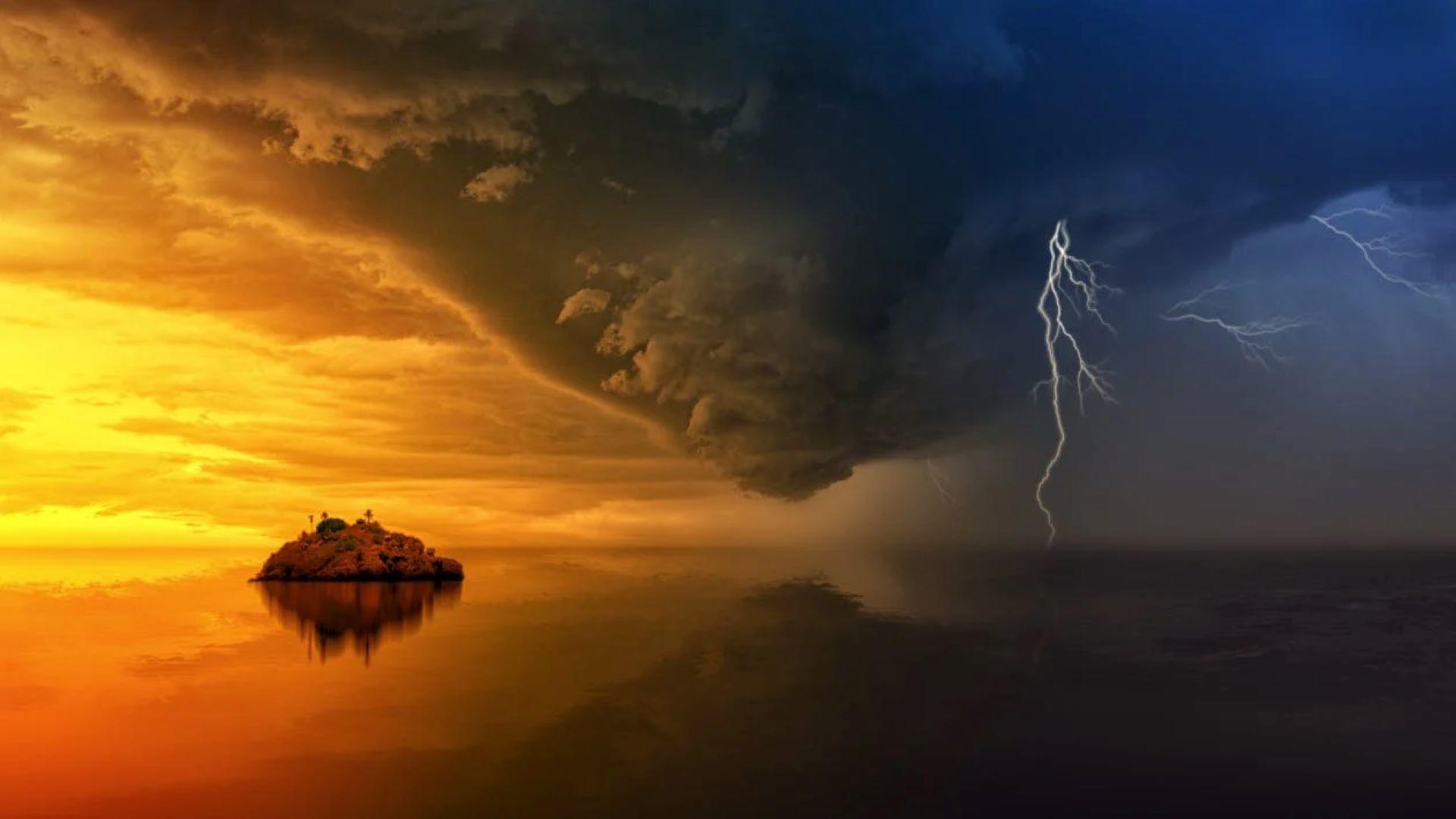

It’s not always the strongest trees that survive the storm. Sometimes it’s the trees that bend with the wind. And you, my treasure, find yourself right in a hurricane.
Kelly Rimmer
Nature has always been one of the most written-about subjects and themes in poetry and English literature. Storm on the Island by Seamus Heaney is no exception, as it explores the intricate relationships between storm, trees, wind, and humans.
In this article, you'll find a concise overview of the poem’s meaning, themes, and key techniques to help you understand and analyse it — perfect for GCSE English Literature revision.


⚡ Storm on the Island – Summary
Mastering the summary and key events of a poem is not only a great way to understand the literal message of the poet, but also the underlying themes and messages between the lines.
📝 Overview of the Poem
Storm on the Island by Seamus Heaney is a dramatic monologue that describes a coastal community’s experience of preparing for and enduring a violent storm. The poem explores a series of actions and an emotional progression through its descriptions of nature and observations of the surroundings.
🔎 Key Events & Narrative Flow
Let's break down the key events and narrative flow of the important stanzas of this poem based on the shift in tone and subjects mentioned progressively.
Line 1 to 5
Sink walls in rock and roof them with good slate. This wizened earth has never troubled us
With hay, so, as you see, there are no stacks
Or stooks that can be lost. - ”
Key events
As there is no plantation, everything is kept light, so nothing will be lost.
Narrative: The poem starts with Heaney setting the scene of this community that is both confident and determined in the face of the approaching storm. The land that they're in is not a fertile one, and the community thinks it's a blessing in disguise, as they will not experience any loss of plantation — they're unaware of the potential danger.
Line 5 to 11
Which might prove company when it blows full
Blast: you know what I mean - leaves and branches
Can raise a tragic chorus in a gale
So that you can listen to the thing you fear
Forgetting that it pummels your house too.
But there are no trees, no natural shelter.”
Key events
But Heaney makes clear that without them, nothing shields the people from the impending danger — their exposure is fatal.
Narrative: Heaney foreshadowed in a matter-of-fact manner that the preparation might not be effective because of the lack of trees or plantations, in every sense. Physically, there would be no shelter or natural protection when the storm happens, as the trees act as a natural barrier. The community is not actually protected, but they are extremely vulnerable.
Lines 12-19
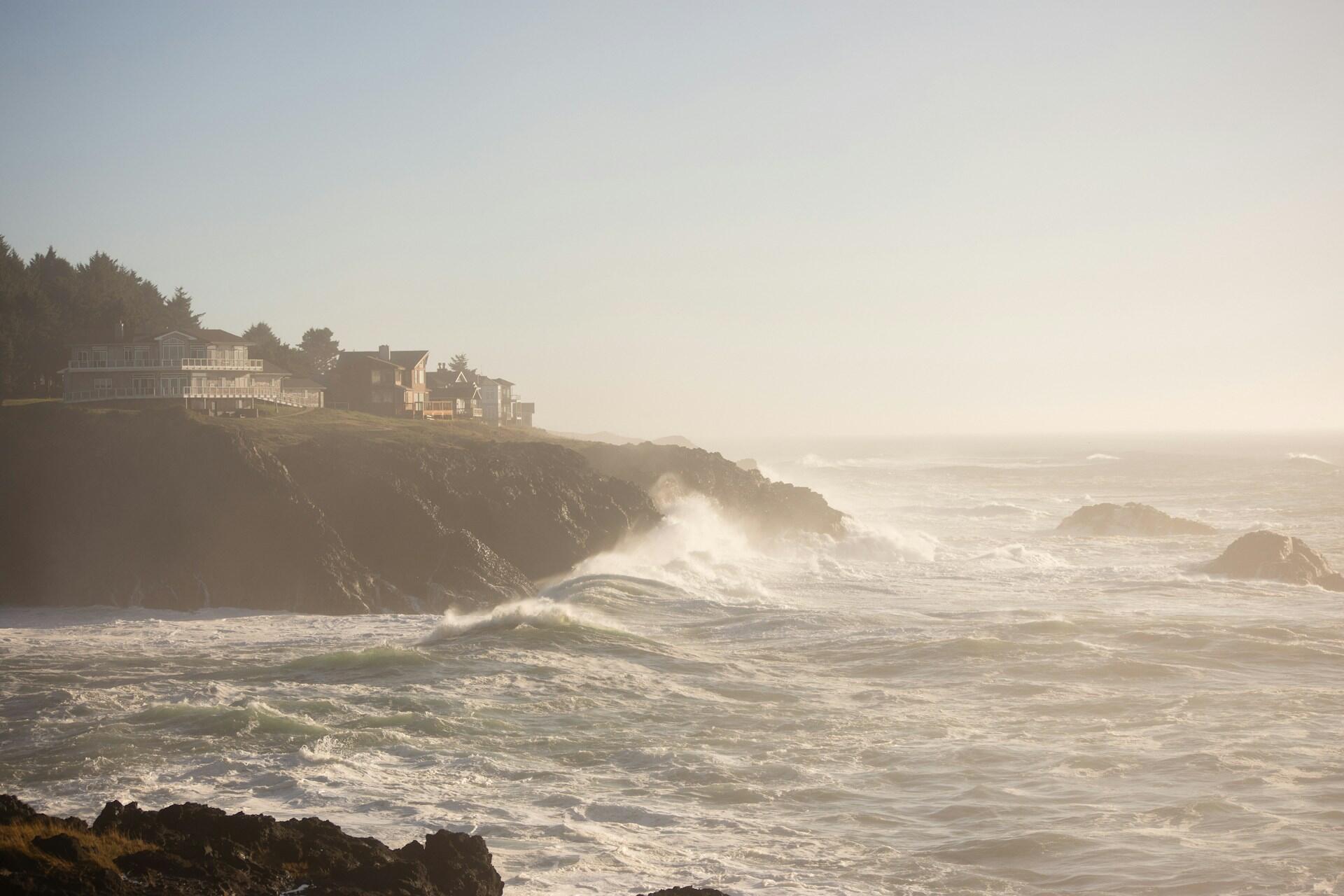
Exploding comfortably down on the cliffs
But no: when it begins, the flung spray hits
The very windows, spits like a tame cat
Turned savage. We just sit tight while wind dives
And strafes invisibly. Space is a salvo,
We are bombarded by the empty air.
Strange, it is a huge nothing we fear.”
Key events
Even the house windows are attacked when the wind blows violently. Throughout the whole process, the wind inhibits the entire space even though we cannot actually see it.
But yet, we are fearful of what is invisible.
Narrative: Using other examples like waves and wind, Heaney once again emphasises the power of nature to be destructive, even though its impact is not always visible until it actually happens. The presence of a storm, together with waves and wind, can create great turbulence and fear. Yet before a storm directly “attacks” the physical space we inhabit, there is nothing visible — and yet we are still afraid of it.
🕰️ Storm on the Island Context
This poem can be found in Seamus Heaney’s collection of poems titled "Death of a Naturalist" from 1966. Understanding the poet and the poem's context is essential for students like yourself studying GCSE English. Your grasp of the poem's context will be reflected in the essays that you hand up in June, whether you realise it or not.
🇮🇪☘️ Who Wrote Storm On The Island?
Born in April 1939, Seamus Heaney was one of the most influential Irish poets of the 20th century. He was the eldest of nine siblings and grew up in a traditional rural family in Northern Ireland, where his father was a cattle dealer and farmer.
Additionally, he was raised in a Catholic household, despite the country being predominantly Protestant at the time.
During the 60s, he was also exposed to the violent sectarian conflict (known as The Troubles) that happened in Northern Ireland.
After graduating from Queen's University Belfast, he began publishing poetry that centres on themes of nature, identity, and the past.
He received the Nobel Prize in Literature in 1995 and passed away in 2013.
I always believed that whatever had to be written would somehow get itself written.
Seamus Heaney
📅 Storm on the Island Historical and Cultural Context
From his background, you can tell that Heaney’s sharp observations of nature and his political insights were anything but accidental. In The Storm on the Island, he skillfully uses a metaphor of nature —specifically the storm to depict the political and religious unrest that impacted Northern Ireland during the Troubles. The poem likens a storm battering an island community to the turmoil and power struggles prevalent in the region.
The Troubles in Northern Ireland was a period of conflict from the late 1960s to 1998. The poem's vivid imagery of a violent storm battering an isolated island can be seen as a metaphor for the turbulent political and sectarian violence that plagued Northern Ireland.
During the Troubles, there were intense clashes between unionists (mainly Protestant) who wanted Northern Ireland to remain part of the United Kingdom, and nationalists (mainly Catholic) who sought reunification with the Republic of Ireland. The conflict led to widespread violence, social division, and a significant loss of life.
Throughout his work, Heaney employs imagery and language of warfare and discord. Expressions such as "salvo " and "exploding comfortlessly" vividly portray the chaos and turbulence of that era. This intentional use of conflict-related terms reinforces the poem's underlying message, mirroring the upheaval that engulfed Northern Ireland.
Your study of the poem's background will show that the choice of setting is not random. It reflects the rooted tensions and challenges the Irish have faced, intricately woven into Heaney's work.
🎭 Main Themes in Storm on the Island
Now, let's unpack the key themes of this poem and their significance through different angles.
🌊Nature and Human Vulnerability
Nature is the most prevalent theme that students should discuss when it comes to studying Strom on The Island. The storm is shown as a power continuously attacking the island and its residents with a strength that leaves them powerless.
| Charateristics of nature | Context in the poem and beyond the poem | Key Quotes |
|---|---|---|
| Strong force and power | Growing up in Northern Ireland, Heaney is familiar with the strong Irish storms and its impact towards the rural farming community. | "So that you can listen to the thing you fear Forgetting that it pummels your house too." |
| Unpredictable | There's no telling when the storm or wind will come. In between the lines, the storm is a reflection of the how nature and political tensions can shift sudenly — like The Troubles. | "But no: when it begins, the flung spray hits The very windows, spits like a tame cat Turned savage" |
| Destructive | Heaney described the storm as an attack, even using millitary terms and imagery to make his point — the community is left defenceless | "Space is a salvo, We are bombarded by the empty air." |
Human vulnerability is another key theme that you can bring up to help strengthen your argument. This is a theme that Heaney jumps into throughout the poem, particularly in showcasing how delicate human life can be when confronted with the might of nature.
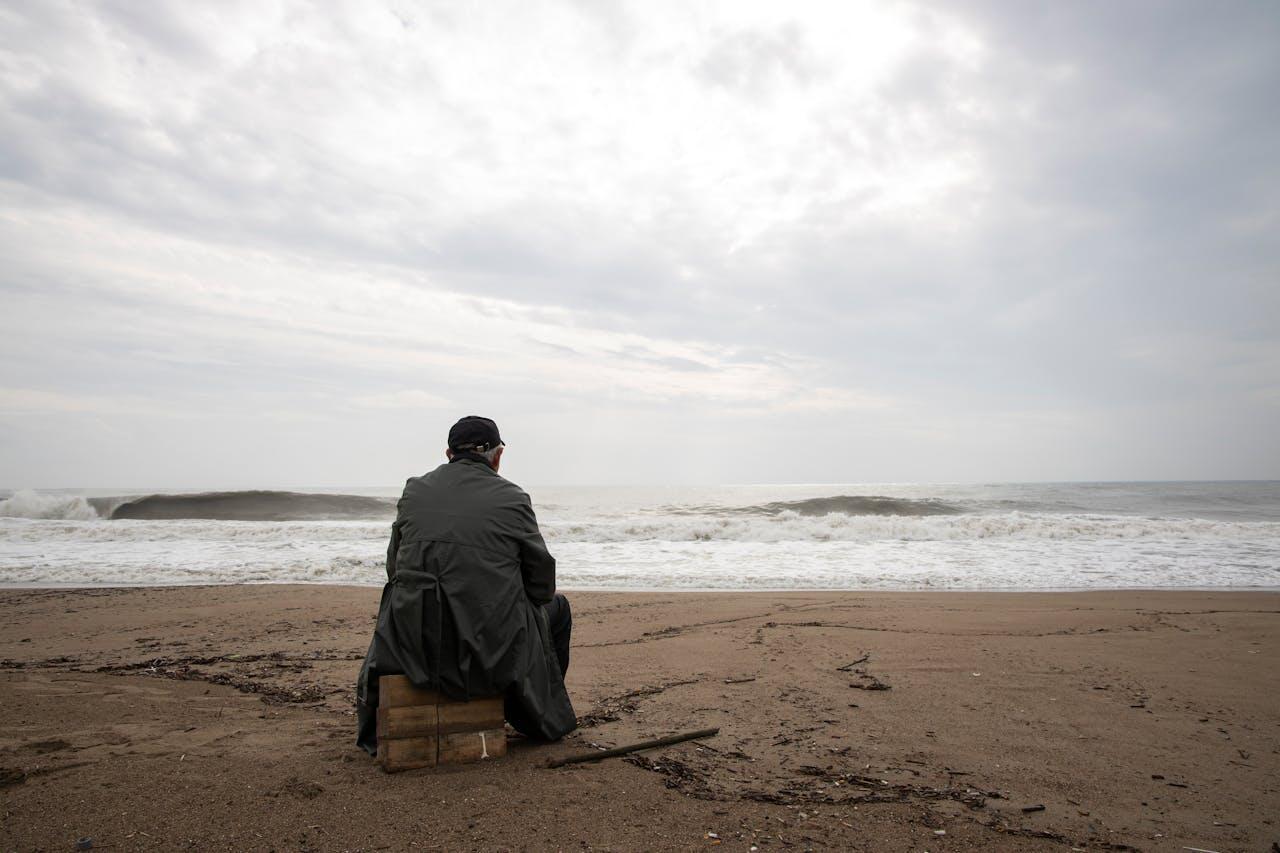
Despite their strength and solidarity, the island inhabitants find themselves powerless against the storm's ferocity, and their efforts to defend themselves prove futile in the face of its power.
| Evidence of human vulnerability | Context in the poem and beyond the poem | Key Quotes |
|---|---|---|
| The community's preparation cannot stop the destruction of the storm | The community took practical measures together to keep their homes safe but their preparation is still not enough to brace the storm. Sometimes human's overconfidence is the first step to downfall. | “We are prepared: we build our houses squat” “Roof them with good slate” |
| The community didn't realised they were exposed to danger | The lack of trees and plantations led the community into a false belief that nothing will be lost. But actually, no trees meant no protection from the storm due to lack of shelter and natural barrier. | "Nor are there trees Which might prove company when it blows full Blast: you know what I mean - leaves and branches Can raise a tragic chorus in a gale" |
| The community fears of something that they cannot see | While the community did all the preparation work to brace the storm, the real motivation behind that is actually fear. The far makes them passive and it's something they cannot see with their physical eyes but feel psychologically. | We just sit tight while wind dives And strafes invisibly. Space is a salvo, We are bombarded by the empty air. Strange, it is a huge nothing we fear.” |
😨 Conflict and Isolation
This theme of conflict and isolation doesn't just describe the physical state that the community was facing due to the storm or forces of nature. It also symbolises the unrest and sectarian disputes that afflicted Northern Ireland during the Troubles. The Islanders, symbolising communities caught in the middle, face nature's fury just like civilians endured through troubled times.
Conflict
- Represented through violent imagery and war metaphors when describing the storm
- In alignment with the symbolic tie to the political unrest in Northern Ireland during that period
- Key quotes: "Blast: you know what I mean”, “Bombarded by the empty air”
“Exploding comfortably”
Isolation
- Represented through geographical and physical isolation — far from shelter, and safety when the storm comes, alongside the waves and wind
- A reflection of how ongoing political conflict can cause human isolation and fear in the long run
- Key quotes: “Nor are there trees which might prove company”, “There is no shelter”, “It is a huge nothing that we fear”
🧠 How to Use This Summary in Exams
Let's look at how we can use this analysis of the poem summary and themes to answer the questions accurately during the actual exams.
📌Linking Themes to Essay Questions
Given the prevalence of questions that require students to analyse the various themes and symbols across the GCSE English exam papers, it's best to have a comprehensive understanding of the poem through consistent revision and also a good answering strategy.
One way to have a thorough analysis of the summary and themes of a poem is to match them accordingly, stanza by stanza, or line by line.
Example 1: The community's preparation for the storm in the beginning is linked to the theme of human vulnerability.
Example 2: The description of how the storm caused waves and wind to have an "attacking" mode during the poem ending is linked to the theme of nature — it can be potentially destructive.
Base your writing on the following assessment objectives (AO) for a clear structure:
AO1: Use textual references and quotations to support your arguments.
AO2: Form an inclusive summary and theme analysis based on the poem's language, form, and structure.
A03: Demonstrate the relationship between the texts and contexts (historical background, poet, etc).
A04: Apply the right range of vocabulary, spelling and punctuation.
Here's a sample question that can be asked for your GCSE paper since poetry comparison questions are quite popular:
Compare the ways poets present the power of the natural world in ‘Storm on the Island’ and in one other poem from ‘Power and Conflict’.
Suggested answering technique based on these steps while following the four AOs:
Step 1
Begin the introduction by stating the other poem that you want to compare with Storm on the Island
Step 2
The idea is to compare the two poems, in terms of their similarities and differences, with points, context and key quotes
Step 3
It's best to start with the similarities and then the differences in different paragraphs
Step 4
Conclude your answers by highlighting the major similarities and differences
💡Quick Revision Tips
Now that you have mastered some techniques to relate the summary themes to the questions, it's also important to have a few revision tips to help you memorise them more easily. Here's a quick summary of exam revision that you can try to follow:
Make flashcards
The key is to practice until you get them all right without having to turn them around.
Compare different poems
Test and
time yourself
📖 Ace Your GCSE Paper With Superprof
Exploring the layers of Seamus Heaney's work can seem challenging for GCSE students, particularly since it’s likely the first time you will have analysed poetry at any length. Suppose you have an experienced tutor from Superprof by your side. In that case, you will understand a poem's underlying messages and also its language and form more easily.
Your tutor will also help illuminate the significance of the island setting representing heritage and culture while interpreting how the storm symbolises political and social disruptions in that area.

By immersing yourself in discussions about this poem's background with a Superprof tutor, your grasp of its meaning will deepen, and your analytical skills will also sharpen for your GCSE exams and beyond.
Summarise with AI:
Did you like this article? Leave a rating!

 Loading...