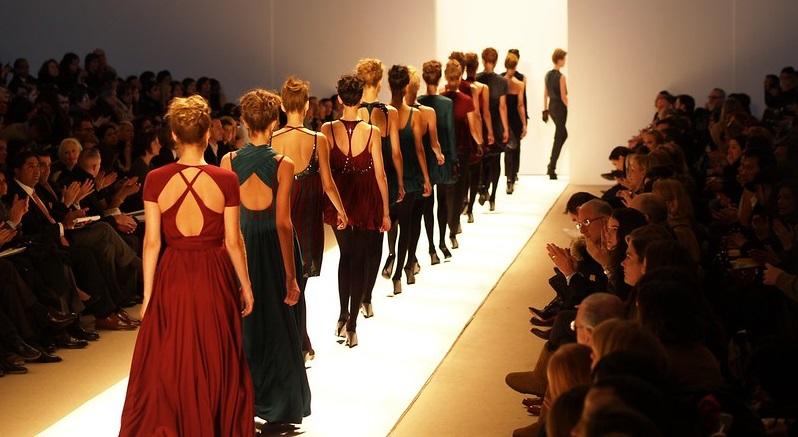

Judging by the number of social media influencers hawking makeup brands and styling tips, and the musicians and actors promoting their own fashion brands, clearly, fashion and style is a favoured topic for many.
They're not the only ones profoundly interested in fashion. Whether know it or not, we've all been studying fashion design from our earliest days, back in the times when our parents would laugh because we insisted on wearing this jumper but not those trousers, and nobody could explain why - us, least of all.
And we've never stopped doing that! Even now, we clothe ourselves based on likes and dislikes that we would be hard-pressed to explain.
The thing is, for most of us, the love of fashion remains fringe. We choose our clothes with varying degrees of care, mostly unaware of the statement we make when wearing them. Nevertheless, whether deliberate or instinctive, our sartorial choices telegraph our moods and mindsets to all who care to pick up on them.
Only a select few, like you, want to move beyond the illusion and possibilities of fashion to learn how to create collections anyone would want to wear.
How do you get started studying fashion - beyond your ingrained preferences for what works for you and what doesn't?
| Steps to learn fashion design |
|---|
| 1. Learn about the fashion industry |
| 2. Master the basics of sewing, sketching and pattern-making. |
| 3. Build your portfolio with the designs you sketch. |
| 4. Take fashion design courses. |
| 5. Get practical experience through apprenticeships in fashion houses. |
Passion and style aren't nearly enough to make a name for yourself in the fashion world. Whether you want to someday headline London's Fashion Week or would rather work behind the scenes to put such a show together, the sooner you get started with your studies in fashion, the better.
Let Superprof show you how.




Study the Fashion Industry
These days, all over the world, it's quite common for students to pursue an undergraduate degree in a particular subject, say, food production or accounting, only to later discover, once they're in the thick of their studies, that the subject isn't as interesting or engaging as they thought it might be.
From that perspective, you might say that our 'study the industry' advice applies to every course of study one might possibly choose but it is particularly relevant to the fashion industry because of its purported glamour and prestige.
There's no denying that fashion is, by definition, glamourous. And we can further aver that those who've made a name for themselves in the fashion world do indeed command substantial prestige. Unfortunately, many fashion industry hopefuls seem to overlook the fact that working in fashion is about three per cent glamour and 97% pressure, terror, anxiety and hard work.
And not glamorous at all.
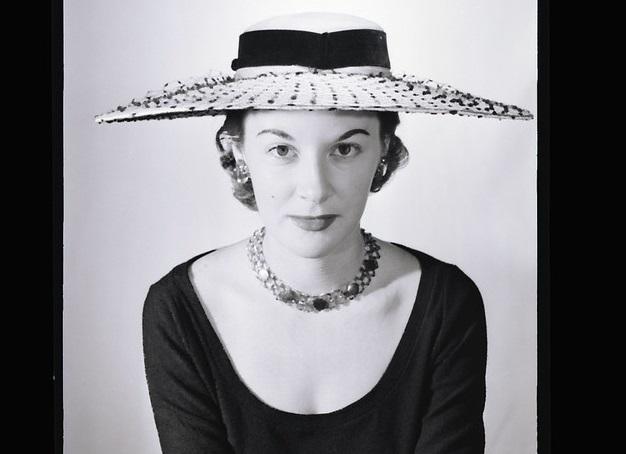
Once you've taken a long, realistic look at what it's like to work in fashion and you still want to claim your place in it, you should expand your perspective - first by studying fashion history, and then, looking at fashion today.
Let's examine them separately.
Perhaps one of the most notable historical fashion facts is the genesis of the high heeled shoe. Initially designed to help cavalrymen stay astride their mounts as they stood to fire, this notch-soled shoe style soon became a symbol of status, wealth and power; Pope Leo IX was known for wearing red, heeled shoes.
Though heeled shoes were designed for men, both males and females wore them - there was once an edict in Colonial US that a woman could be punished as a witch for luring a man into marriage with her high heels.
Today, if a man wore high heels, he would be the subject of much jeering despite their provenance as a man's shoe. By contrast, ladies who don't wear heels are generally seen as less feminine and desirable.
We can chalk that reversal up to a slow evolution of fashion standards. Faster ones, such as the Dryrobe being worn while out shopping or yoga pants being the apparel of choice for travel happened almost instantly.
Catching on to fast-moving fashion trends and anticipating fashion's next evolution should be an integral part of your fashion design home study programme.
Master the Trade's Basic Skills
Even if you set your sights on working in a fashion house's art department rather than launching your own brand, you still need to know how to pick fabrics and sew, how garments are constructed and how to make patterns.
Take stitches, for example. Anyone working in fashion knows how to sew a basting stitch, a backstitch and a running stitch but you should also be able to sew using:
- a cat stitch
- a blanket stitch
- a cross stitch
- a slip stitch
- a zig-zag stitch
- a blind stitch
- a whipstitch
Much as a future surgeon practises stitching long before they sew their first suture, anyone intended to work in fashion should build their dexterity to manage the various types of stitches needed to put their pieces together. They should also know which stitches are suitable for which fabrics. That, in turn, calls for extensive knowledge of fabrics.
Not only do you have to know how the various types of fabrics drape and flow, and how easy they are to care for, but you also have to be aware of where they come from and how they're sourced.
The fashion industry has long been in the spotlight for unethical practices; major brands contracting with sweatshops to produce collections and the environmental impact of their industry as a whole, among them.
As a future fashion creator, raising your awareness of such issues is part and parcel of your basic education in fashion. Any worthwhile fashion designer course would include these critical topics.
Find sewing classes near me here on Superprof.
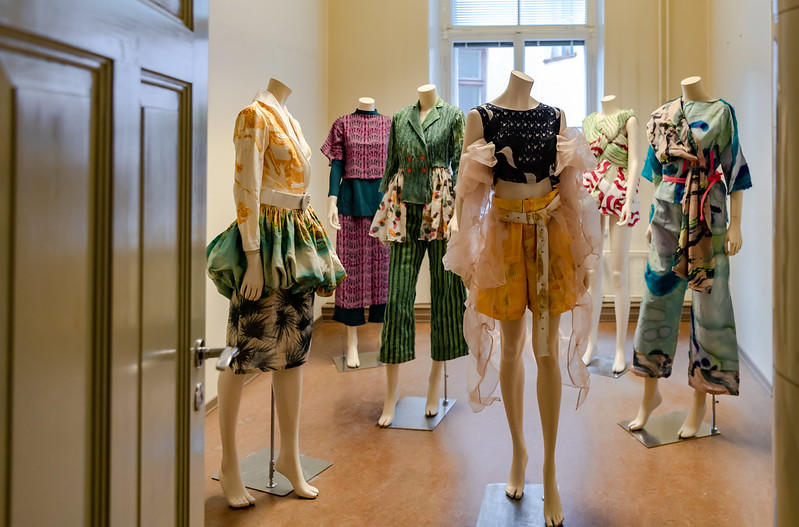
Refine Your Drawing Skills
Drawing skills count among the basic skills needed for fashion design but they are so important that they merit their own segment.
You may have been sketching designs while sitting in school - just doodling, mind you, but one of your friends caught a glimpse of what you were drawing and liked it. Whether that spurred you to continue creating designs or you would have done it anyway is your secret, but you need to know that that hand-drawn sketches are no longer enough.
To get your foot in the door of any fashion house - or, for that matter, snag a spot in reputable a fashion design school, you will have to have a decent portfolio. Ideally, it should contain both sketches drawn by hand and computer-generated ones.
If, indeed, you were your classroom's perennial sketcher, you may not need much improvement on your sketching skills. However, drawing software is constantly evolving and improving, providing graphic artists with ever more tools and colour palettes to experiment with.
Starting out with Adobe Drawing Suite or the basic Wacom tablet may be enough to develop your graphic drawing skills but, soon, you should graduate to more advanced digital drawing tools that offer a full range of artistic possibilities.
Take a Fashion Design Course
The debate over whether academic learning stifles creativity has been raging for centuries. Some believe that learning the whys and wherefores of any creative endeavour removes the passion and spontaneity of the creative instinct. Could that be true?
Three of the biggest names in fashion, Louboutin, Lagerfeld and Chanel barely attended any school at all and yet, they are rightly revered as fashion legends.
Nevertheless, there is no proof to back up the assertion that creativity dies once formal knowledge is introduced. And, while painters may still practise their art without knowing a filbert from an angle brush, these days, fashion designers cannot afford any gaps in their knowledge of the industry.
Find sewing classes here on Superprof.
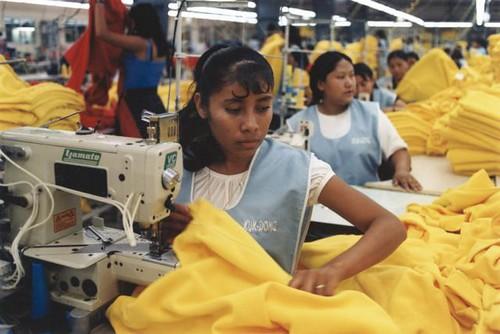
You may not need any direction on the creative aspects of fashion design but you must know about the business aspects of the industry, along with how to market your collections. Earlier, we mentioned sourcing textiles and clothes production; these issues too are best learned in the classroom.
The best fashion design courses often invite fashion industry professionals to guest lecture or, better yet, teach a whole course. For that reason alone, it would be worth taking design courses. Who better to teach you about the fashion industry than an insider?
Furthermore, many such schools have apprenticeship arrangements and/or internship programmes with fashion houses and clothes manufacturers; this would be an excellent path to gaining practical experience before you strike out on your own.
To find the schools with the most potential to help you reach your fashion career goals, make sure they offer courses in the areas you need the most help in, from learning how to work with different fabrics to pattern placement and the judicious use of accessories and trim.
Also, check each institute's alumni list. If you find that more than a handful of their past students went on to make a name for themselves in fashion, that may signal that you've found your future alma mater.
Starting your fashion design studies should begin long before you reach the age of enrolment in fashion design school. It starts with you discovering what skills fashion designers need and working towards mastering them before you take your first design course.
Summarise with AI:
Did you like this article? Leave a rating!


 Loading...