Whether at a lake, an outdoor pool, or at the coast, water has a magical attraction for people of all ages. Swimming, splashing, or simply dipping your feet into the water are among the most enjoyable summer activities. But as refreshing and soothing as water is, it also carries risks. Every year, numerous swimming accidents occur, many of them with serious consequences. The causes are often the same – a lack of knowledge of swimming rules, carelessness, or misjudgments.
Precisely because water seems so natural in everyday life, its dangers are often underestimated. Knowledge of swimming rules and safe behaviour on and in water is therefore relevant not only for children, but for people of all ages.
Take our quiz and test your knowledge of water safety and, if necessary, refresh your knowledge before your next dip in your local pool.
Quiz
Quiz :


What Are Swimming Safety Rules – And Who Sets Them in the UK?
Swimming safety rules are guidelines designed to prevent accidents and help everyone enjoy the water safely. In the UK, these rules are informed by organisations such as the Royal Life Saving Society UK (RLSS UK), the RNLI (Royal National Lifeboat Institution), Swim England, and local councils. They work to promote water safety both at swimming pools and in open water, such as lakes, rivers, and the sea.
These safety guidelines cover three main areas:
- Before swimming: Check your health, avoid swimming on a full stomach or after drinking alcohol.
- While swimming: Be respectful of others, stay alert to your surroundings, and follow any posted safety signs.
- In emergencies: Know how to call for help safely, and what to do if someone is in danger.
These rules aren’t just formalities — they’re based on decades of experience and lifesaving knowledge. Learning and following them can save lives.
- 🏊♀️ Only swim if you feel well
Avoid swimming if you're feeling unwell, overheated, exhausted or very cold. - 🍽️ Don’t swim on a full or empty stomach
Eating a large meal or going too long without food can both affect your energy and circulation, increasing the risk of accidents. - 🍺 Avoid alcohol before swimming
Alcohol slows down your reaction time and affects your judgment – it’s a major cause of drowning incidents, especially in open water. - 🧍♂️ Don’t swim alone – always let someone know
If you're swimming outdoors, always have someone with you or inform someone where you’re going and when you'll be back. - 🛟 Non-swimmers should stay in shallow water
Stick to waist-deep water and use flotation aids carefully – armbands or floats can provide support ,but are not a guarantee of safety. - 📍 Only swim in safe, supervised areas
Always follow signage and stay within designated swimming zones. Avoid unfamiliar or unsupervised waters. - 🌬️ Watch out for currents, winds and deep water
Rivers, lakes and coastal waters can be unpredictable. Cold water, drop-offs, and hidden currents can quickly turn dangerous. - ⚡ Leave the water during a thunderstorm or heavy rain
Water is an excellent conductor of electricity – even lightning in the distance can be fatal. - 🆘 In an emergency: call for help, wave, don’t jump in recklessly
Get help immediately. If someone is in trouble, raise the alarm and throw a buoyancy aid or rope. Only enter the water to help if you're trained and it’s safe to do so. - 🤝 Respect others – no rough play or risky dares
Games like pushing, dunking or dangerous dives can lead to injuries or panic in the water.
Why Swimming Rules Matter – For Everyone
Swimming safety isn’t just something you learn in school – it's vital for everyday life, especially during warm weather or holidays by the coast. These rules are simple but powerful. For children, learning water safety from an early age fosters responsibility and awareness. But adults should also take time to review and reflect on their own behaviour around water.
Those who understand water safety not only protect themselves but are also better equipped to help others.
Risks and Hazards: What to Be Aware Of Around Water
Water offers fun, exercise, and relaxation — but it also has risks. The danger isn’t always obvious, and many people are caught off guard by conditions they didn't expect. Here are some important things to know:
Who Is Most at Risk?
Statistics in the UK show that:
- Children and teenagers are particularly vulnerable, often due to inexperience or overconfidence.
- Adult men, especially those between 30 and 50, are also at higher risk – often linked to alcohol use or risk-taking behaviour.
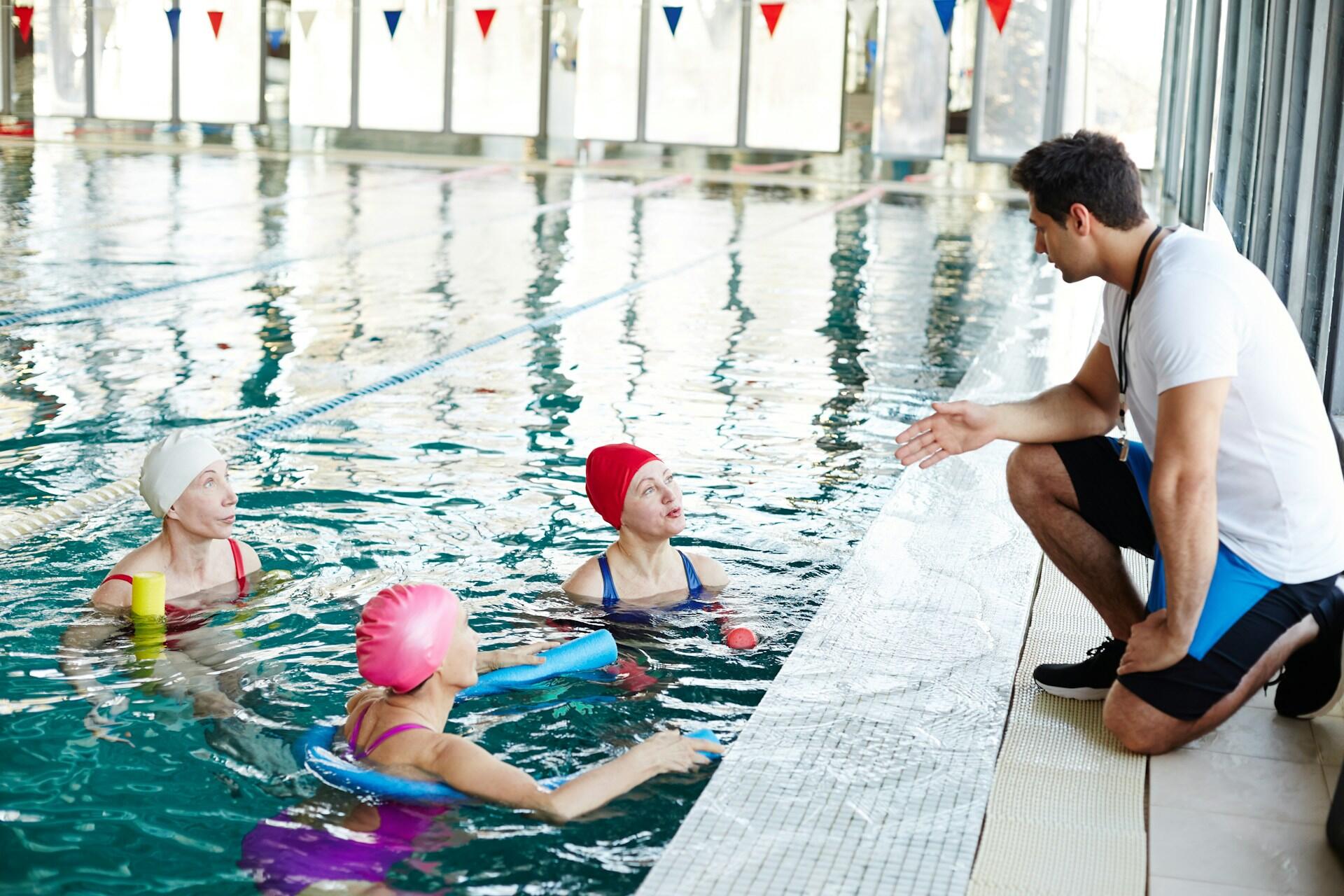
Elderly people, non-swimmers, and those with medical conditions can be more vulnerable in the water.
Open water – such as rivers, lakes, reservoirs, or the sea – is particularly hazardous. It's very different from a swimming pool, with added risks like strong currents, underwater obstacles, cold temperatures, and murky water.
Common Dangers to Watch Out For
These risks are dangerous precisely because they’re often invisible or unexpected. Staying safe begins with knowledge, realistic expectations, and caution.

- Underestimated currents: Rivers and tidal areas can have strong undercurrents, even when the surface appears calm.
- Cold water shock: Jumping into cold water without acclimatising can cause your body to go into shock, leading to breathing difficulties or cardiac arrest.
- Overestimating your ability: Fatigue, muscle cramps, or panic can affect even confident swimmers.
- Drinking alcohol: Impairs coordination and judgment – in water, this can be fatal.
- Lack of supervision: Children need constant, close supervision – even in shallow water.
Prevention Starts With Awareness
Swimming rules are there to make water activities safe and enjoyable for everyone. They encourage respect for the water, for other people, and for your own limits. Something as simple as avoiding a swim after a big meal or not diving into an unknown depth can make a life-saving difference.
Water safety also includes:
- Knowing basic first aid
- Understanding how to use rescue equipment
- Staying calm and acting smart in an emergency
Join us in making UK waters safer for everyone. Water safety begins with awareness, continues with caution, and thrives on community responsibility.
Summarise with AI:
Did you like this article? Leave a rating!

 Loading...