

Did you know that 62,070 students in the UK received admission to a local university via UCAS Clearing in 2025 after receiving their A-Level results? 1
UCAS Clearing is an alternative university admissions pathway for students where they can apply for university courses that still have spaces for that particular entry year. It's ideal for applicants who:
- Did not receive any university offers
- Applied after the main UCAS deadline
- Changed their mind about their original course or university.
- Achieved better or different results than expected and want to explore alternatives
Opens: 2nd July 2026 (Thursday)
A-Level Results Day: 13 August 2026 (Thursday)
Deadline: 19 October 2026 (Monday)
Purpose: Finding university places with vacancies
Apply through: UCAS Hub
Best for: Students without a confirmed place or changing plans


UCAS Clearing 2026 Dates and Deadlines
If you're about to receive your A-Level results in 2026, it's worth paying attention to how UCAS Clearing in 2026 works, especially in terms of the application timeline and operations.
Key UCAS Clearing 2026 Timeline
Here's an overview of the UCAS Clearing 2026 application timeline. Make sure to note them down in your calendar and set a reminder.
| Date / Period | Stage | What students should do |
|---|---|---|
| 2 July 2026 | Clearing opens | 📍 Start searching available courses and preparing options |
| July–August 2026 | Early Clearing period | 📍Research universities, compare courses, contact admissions teams |
| 13 August 2026 | A-level Results Day | 📍Check UCAS Hub, confirm status, contact universities quickly |
| August–September 2026 | Peak Clearing activity | 📍Accept offers and complete Clearing choices |
| 19 October 2026 | Clearing closes | 📍Final deadline for adding Clearing choices |
What to Do Before Results Day
Here are three aspects to focus on as you research for your UCAS Clearing courses before your results are out:
Research potential courses
- Review alternative universities offering similar courses
- Eg: English Literature course in different universities
Verify entry requirements
- Double-check A-Level requirements and specific subject requirements
- Non-STEM subjects have more flexibility than STEM subjects
Organise university contact details
- List and compile desired universities' details
- University name, admission contacts, course name, and accommodation information

What to Do on Results Day
As soon as your A-Level results are announced, you can log into your UCAS hub to check whether you have received an offer.
👉For a standard UCAS undergraduate application, you can apply up to five course choices.
👉Once universities have responded to your application, you will usually select one Firm choice (your preferred university and course) and one Insurance choice (your backup option).
👉On Results Day, if neither choice confirms your place, you will usually become eligible for UCAS Clearing to search for courses with available vacancies
Once you access UCAS Clearing, you can search for courses and universities with vacancies. After you find a suitable course, you should contact the university directly and discuss your results, qualifications, and interest in the course.
If the university is willing to offer you a place, they may give you an informal or verbal offer, and then you can add that course as your Clearing choice in UCAS Hub.
How Does Clearing Work on UCAS?
But first, let's go through the steps to have a smooth UCAS 2026 Clearing application. 2
Adding a Clearing choice is only possible after Clearing opens (from 2 July 2026) and you are eligible for Clearing. A university's verbal or written offer does not guarantee your place—it is only officially confirmed after you add the Clearing choice in UCAS Hub and the university accepts it.
Step-by-Step UCAS Clearing Process
Step 1
Search for UCAS Clearing courses
Keep checking for updates as you review different universities, as some might get vacancies later on.
Step 2
Contact the universities directly
Give them your Clearing number and Personal ID to check your details. Ask them if they need a personal statement and reference.
Step 3
Get a verbal or written offer
Be clear about your results and desire to enrol in the specific course at the university.
Step 4
Add the Clearing choice in UCAS Hub
This is only after the university gives you permission and the offer. You can only add one choice at a time.
Step 5
Wait for the university to confirm
Once the university has confirmed in the UCAS Hub, you are now officially accepted!
Discover more about A-Level retakes.
Can You Use Clearing if You Already Have An Offer?
If you already have a university offer, you may need to take different steps depending on whether your place has been confirmed.
- Students who have not accepted an offer can decline it through UCAS
- Those with a confirmed place may need to request release from their university before using Clearing
That being said, being released is not the same as declining an offer. It's best to talk to alternative universities first and understand their Clearing options before giving up a confirmed place.
| Situation | Timing | What it means | Example |
|---|---|---|---|
| Declining an offer | ⏳Usually before results day, or on results day if you already hold a firm unconditional place and decide not to take it. ⏳UCAS says you can use “Decline my place” from early July. | You choose not to accept a university offer. | You receive an offer but decide you do not want that course or university. |
| Being released into Clearing | ⏳Usually after you already hold a confirmed place, so it is a post-offer or post-confirmation step. ⏳UCAS says you may need to use “Decline my place” if you want to move into Clearing. | You ask to give up an existing place so you can look for another one through Clearing. | You accepted University A but later want to apply to University B through Clearing. |
Here are some of the common reasons why students choose to decline or request to be released:
Eg: In the same city or county
Eg: From business to IT
For example, they prefer a university that's closer to nature, with beautiful architecture and scenery
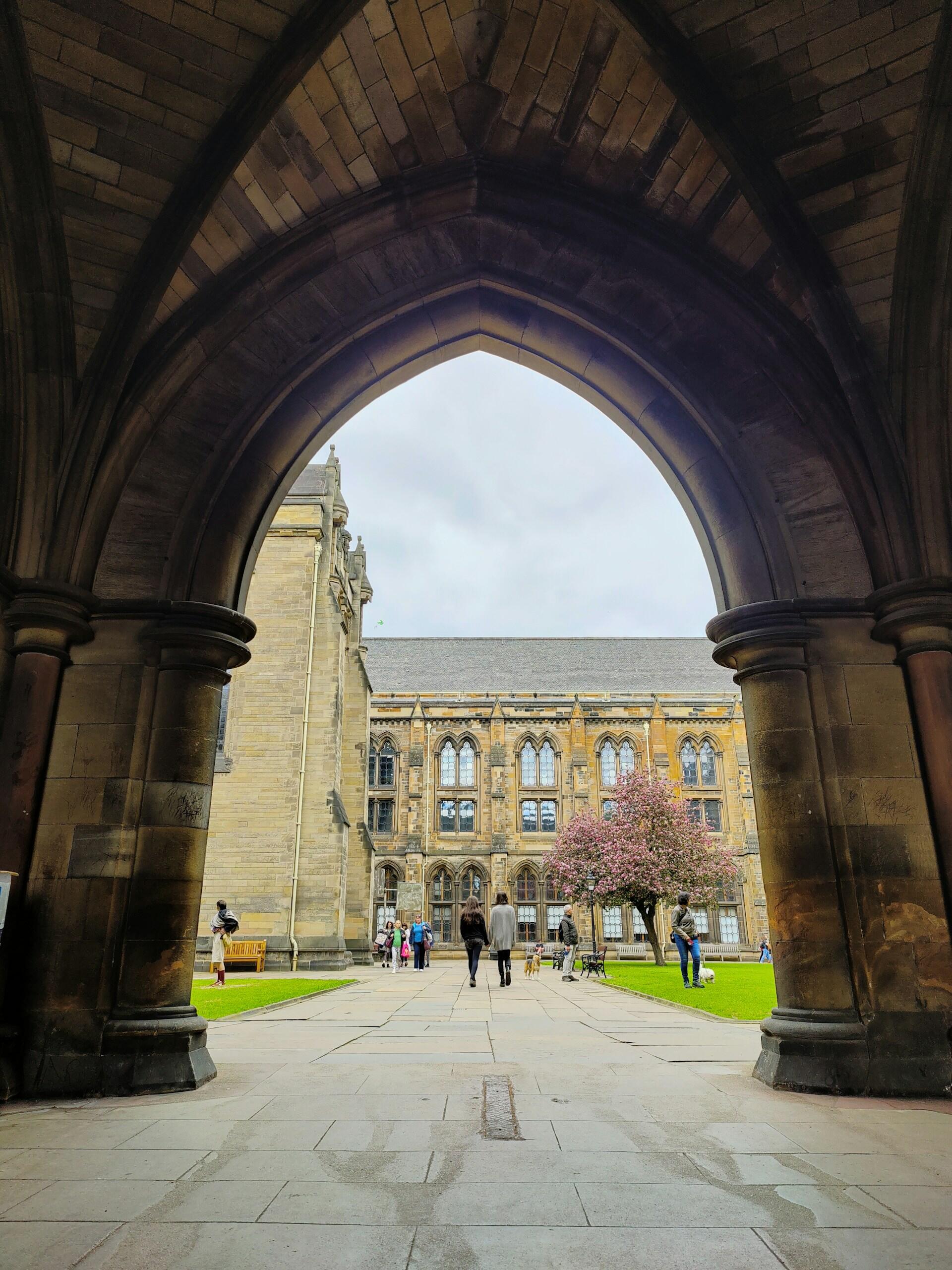
Important note: Students must never add a Clearing choice until the new university has agreed to consider them.
Eligibility and Misconceptions about UCAS Clearing
Before we dive into the range of UCAS Clearing courses, let’s clarify the eligibility criteria and common misconceptions about UCAS Clearing.
Let's review the different scenarios of why students can apply for UCAS Clearing.
| You may be eligible for UCAS Clearing if... | Scenario Example |
|---|---|
| You did not receive any university offers | All of your UCAS choices were unsuccessful. |
| You did not meet your offer conditions | Your results were not enough for your Firm or Insurance choice. |
| Your university place was not confirmed | Neither your Firm nor Insurance choice accepted you after Results Day. |
| You declined your offers or changed your plans | You decided you no longer want to study your original course or university. |
| You missed the UCAS application deadline | You decided to apply to university later and are looking for courses with available places. |
| You want to change your course or university | You have a confirmed place but want to explore another option through Clearing; you may need to be released from your current place first. |
We understand that students and parents may feel stressed or uncertain if UCAS Clearing was not part of their original university application plan.
You may also have some misconceptions about Clearing as an admissions process. However, we want to reassure you that UCAS Clearing is a flexible and valuable alternative route to securing a university place.
❌Common Misconception 1
- Is Clearing only for students who did not achieve their expected grades?
✅Reality
- Clearing is also used by students who changed their mind, applied late, received no offers, or want to explore different courses and universities.
❌Common Misconception 2
- Are Clearing courses only available at universities with fewer applicants?
✅Reality
- Clearing vacancies appear at a wide range of universities, including established institutions.
- Availability depends on course demand and the number of places remaining.
❌Common Misconception 3
- I have to accept the first Clearing offer I receive.
✅Reality
- Students should compare the course content, location, costs, accommodation, and career opportunities before making a decision.
Don't forget to explore this A-Level guide to have the best exam preparation.
How to Find UCAS Clearing Courses and Subjects
There are several ways to narrow down your UCAS Clearing courses and subjects efficiently.
Where to Search for UCAS Clearing Courses
One of the most popular ways is to use the UCAS Searching Tool to have an official live list of Clearing vacancies. You'll get to know these details:
- Course availability in Clearing
- Entry requirements for different courses
- Comparison of universities (especially if it's the same course)
Another way to search for UCAS Clearing courses is through different university websites. Many universities offer their latest vacancies, accommodation, and course details. So, you'll get a glimpse of what the universities are really looking for (latest academic requirements) and what it's like to actually study there.
You can also watch and read testimonials of students who have applied to their desired university successfully via UCAS Clearing. 3
I originally applied to a different university but on A-level results day I realised that's not where I wanted to be and asked them to release me into Clearing. My instincts pointed me to Reading and I've had the best four years here. So much so that I am returning in September to begin my Master's in Applied Linguistics.
Alfie, BA Modern Languages at University of Reading
As you search for the UCAS Clearing courses via the university websites, you'll also get to access the University Clearing hotlines. This is super important on Results Day (August 13, 2026) when you want to speak directly to admissions to speed up answers on whether a place is available.

Finally, you can access these various course comparison platforms to search vacancies, compare courses, and review university information for UCAS Clearing 2026.
Important tip: Since Clearing vacancies change quickly, it's best to double-check the latest vacancy details on UCAS and the university’s own website.
Popular Courses You May Find in UCAS Clearing 2026
Based on The Complete University Guide, here are some examples of subject fields and popular courses offered for UCAS Clearing 2026. 4
- Computer Science:
Data Analytics, Cybersecurity - Law:
Law with Criminology, European Legal Studies - Economics:
Economics and Geography, Accounting and Economics - Psychology:
Psychology and Counselling, Cognitive and Clinical Neuroscience
- Biomedical Sciences:
Biomedical and Healthcare Engineering, Biomedicine with AI - Medicine:
Radiotherapy and Oncology, Paramedic Practice - Pharmacy:
Pharmaceutical and Cosmetic Science, Pharmaceutical Chemistry - Physiotherapy:
Physiotherapy with Foundation Year, Veterinary Physiotherapy
Meanwhile, explore more about A-Level 2026 grading.
How to Compare Clearing Courses Quickly
Here's a quick comparison guide to search for Clearing courses and compare the options in one place with ease.
| Factor | Why it matters |
|---|---|
| Course content | Ensures the syllabus, modules, and teaching methods match your career goals and interests. |
| Entry requirements | Confirms eligibility and lets you decide if you need foundation courses, resits, or alternative routes. |
| Location | Affects daily commute, lifestyle, living costs, and access to placements or industry hubs. |
| Accommodation | Important if moving away; influences cost, commute time, and wellbeing. |
| Placement opportunities | Provides real-world experience, industry contacts, and improves employability. |
| Graduate outcomes | Shows employment rates, typical careers, and long-term return on investment for the course. |
| Student support | Covers academic, mental health, disability, and career services that affect wellbeing and success. |
What You Need Before Applying Through Clearing
Before contacting the universities on Results Day, we encourage you to prepare your documents and questions ahead.
Documents and Details to Have Ready
Browse through these A-Level revision strategies to ace your exams.
Questions to Ask Universities During Clearing
Now, it's time to review the list of questions that you'll ask when you contact the universities directly.
| Category | Questions to ask |
|---|---|
| Entry requirements | Do my grades meet your requirements? Are alternative qualifications accepted? |
| Course content | What modules will I study? How is the course taught and assessed? |
| Placements | Are there placement, internship, or work experience opportunities? |
| Scholarships | Are there any bursaries, scholarships, or fee support options? |
| Accommodation | Is accommodation still available? What are the costs and how close is it to campus? |
| Clearing deadline | When do I need to add my Clearing choice by? |
| Course flexibility | Is there a foundation year option? Is there a related joint honours route? |
Note: Depending on the university and course you're taking, they might ask straightforward questions based on your grades to give you a verbal offer on your first call.
Once you have added the university as a Clearing choice, the university might contact you again once they have verified your particulars in the system.
Clearing Plus and Other UCAS Options
In addition to the standard UCAS Clearing procedure for searching universities, students can use Clearing Plus and direct university applications to explore placement options.
What is Clearing Plus
Clearing Plus is a special feature offered by UCAS to match students with personalised course recommendations based on their preferences and grades.
Once students begin a new application, they will see a “My matches” button that leads to their top course matches. From there, students can discover new courses they may not have found themselves. 5
Based on the matches, students can mark themselves as interested in a course, and universities may contact them if they meet the entry requirements and there are still places available.
Clearing Plus does not guarantee a place; it just helps students to review suggested opportunities.
💡Clearing Plus suggests a course.
📞 Contact the university.
✅ The university agrees to offer you a place.
➕ Add the university as your Clearing choice in UCAS Hub.
🎉 The university confirms your place.
UCAS Clearing and University Clearing Pages
Whether you are using UCAS Clearing or the university's specialised clearing page to secure a desired course, the outcome is the same. The confirmation is always finalised through the UCAS Hub.
Once you receive a verbal or written offer from a university, log in to UCAS Hub and go to the 'Your Choices' page. Select 'Add Choice' and enter the course details provided by the university. Review the information carefully before submitting your Clearing choice.
You can only add one Clearing choice at a time. If the university does not confirm your place or takes longer than expected, contact another university and submit a different Clearing choice instead.
As course vacancies can fill quickly during Clearing, it's best to act promptly while still taking enough time to make an informed decision.
Always remember: A university's verbal or written offer does not automatically guarantee your place. Your admission is only officially confirmed after you have added the Clearing choice in UCAS Hub and the university has accepted it through UCAS.
We hope you have learnt a great deal about UCAS Clearing 2026 and how to make the best of it to have a seamless application. Wishing you all the best in getting an admission for your desired course and university!
References
- Reidy, T. (2025). University clearing 2026: could you get a better place? Here’s what to think about. In the Guardian. The Guardian. https://www.theguardian.com/education/2025/sep/13/university-clearing-2026-could-you-get-a-better-place-heres-what-to-think-about
- UCAS. (2026). Ucas.Com. https://www.ucas.com/applying/after-you-apply/clearing-and-results-day/applying-directly-to-clearing
- Clearing 2026 at the University of Reading. (2026). Reading.Ac.Uk. https://www.reading.ac.uk/clearing/
- Clearing 2026, UCAS Clearing Courses & Universities | The Complete University Guide. (2026). Thecompleteuniversityguide.Co.Uk. https://www.thecompleteuniversityguide.co.uk/clearing
- Uni Compare | University Degree Course Search: UK Rankings. (2026). Uni_Compare; UniCompare. https://universitycompare.com/advice/clearing/what-is-clearing-plus
Summarise with AI:
Did you like this article? Leave a rating!

 Loading...