

Yoga has evolved significantly throughout its history. What began in ancient India as a set of spiritual and meditative practices has been altered again and again after being exposed to different time periods, cultures, and ways of life. If you could step back in time, much of what we now recognise as yoga would feel unfamiliar.
Yoga is at least 4,000–5,000 years old. The earliest ideas linked to yoga appear in ancient India around 3000 BCE, with evidence found in early civilisations and later spiritual texts. Rather than emerging all at once, yoga developed gradually over many centuries.
The structured classes and famous postures common today actually come as a result of centuries of adaptation, especially as yoga reached the Western world. In this article, part of a two-part series on yoga history, we’ll place those changes in historical context and look at how they unfolded over time. Love yoga? Make sure you stay tuned to find out more.


The Early Roots of Yoga (Indus–Sarasvati & Vedic Period)
Contrary to belief, yoga didn't start off as a formal system. Instead, its earliest foundations gradually developed within ancient Indian societies, where things like discipline, ritual, and concentration were a massive part of everyday spiritual life. This early stage forms the starting point of any accurate yoga history timeline.
Yoga was not invented at a single moment. Its earliest roots can be traced to ancient India around 3000 BCE, with ideas developing through the Vedic period (c. 1500–500 BCE) and later becoming more structured in texts such as the Upanishads (c. 800–300 BCE) and Patañjali’s Yoga Sūtras (c. 200 BCE–400 CE).
Proto-Yoga in Prehistoric India
In prehistoric India, particularly during the Indus–Sarasvati period1, practices that later fed into yoga were closely tied to ritual life. Discipline of the body and sustained attention of the mind were essential skills, supporting spiritual authority and correct ritual behaviour within early religious traditions.
Basically, when scholars talk about proto yoga, they mean early practices that share similarities with later yoga.
Early Indian cultures appear to have valued stillness over movement. Balanced, controlled postures feature more prominently than displays of strength, pointing toward an early link between bodily restraint and mental focus - an idea that later sat at the heart of yoga.
The Vedas and Early Ritual Foundations
As Indian spiritual traditions continued to develop, some of the practices previously passed down through ritual and custom began to be written down. This happened during what’s known as the Vedic period (around 1500 BCE to 500 BCE).
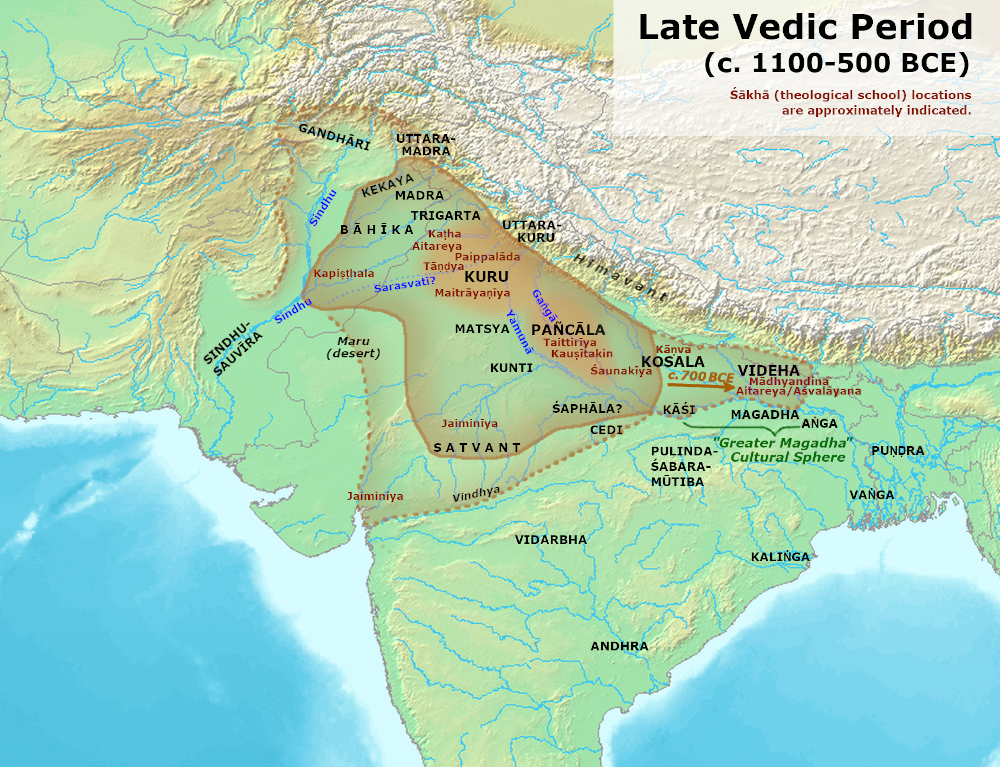
The Vedic period is known for preserving religious knowledge through hymns, chants, ritual instructions, and other forms of content2.
During the Vedic period, spiritual practice focused on carrying out religious rituals correctly. These rituals likely involved long ceremonies with repeated chants and carefully ordered actions. In order to do this, there's reason to believe people needed to be able to stay physically steady and breathe in a controlled way, all while keeping their attention fixed for long periods. But what evidence is there for this conclusion?
Classical & Post-Classical Yoga (500 BC – 15th century)
The Upanishads and Rationalising Yoga
As Indian spiritual thought continued to grow, attention slowly moved away from rituals and towards inner understanding. This change is easiest to see within the Upanishads - a collection of texts composed roughly between 800 and 300 BCE.
The Upanishads are written as conversations and reflections, often between teachers and students working through ideas together. They explore what sits beneath everyday thoughts and habits, and how paying attention to that inner layer might change the way someone understands themselves and the world around them. Much of the text focuses on awareness itself.
The Yoga Sūtras of Patañjali
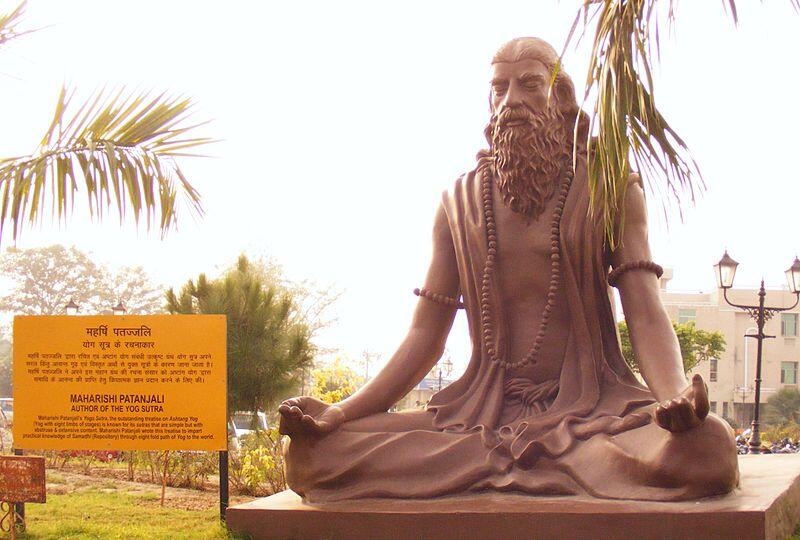
By the time the Yoga Sūtras appeared between 200 BCE and 400 CE, yogic ideas had been around for centuries. However, they were scattered far and wide across multiple texts and traditions. Fortunately, Patañjali set out to address this problem by organising it all into an easy-to-understand system.
• Attributed to: Patañjali
• Date: c. 200 BCE–400 CE
• Format: 195 short aphorisms
Unlike earlier writings, the Yoga Sūtras are not a history of yoga or ritual instructions. Each line is deliberately brief and designed to be studied and reflected upon. Together, the sutras explain how discipline, attention, and clarity of mind develop over time, giving yoga a shared structure that could successfully be taught and passed on.
The Rise of Hatha Yoga
Several centuries after the Yoga Sūtras were written, another noticeable shift began to take hold in Indian yogic practice. Physical methods that had once played a supporting role to meditation and breath work started to move into the foreground.
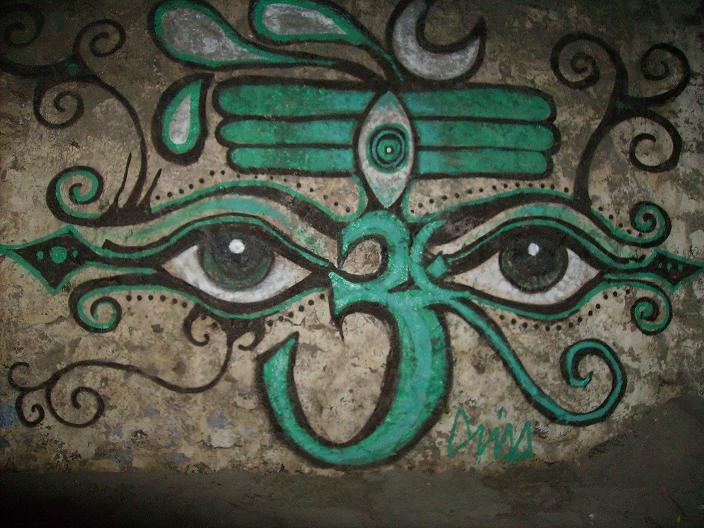
Between roughly the 9th and 15th centuries CE, these new practices evolved into Hatha Yoga - a type of yoga largely focused on balance and cultivating peace in the body and mind.
• Period: c. 9th–15th century CE
• Focus: Body, breath, and energetic control
• Key text: Hatha Yoga Pradīpikā
Their ideas were gathered and written down in famous texts like the Hatha Yoga Pradīpikā in the 15th century. From here, works like this went a long way in helping record and standardise physical practices that had previously been spread only by word of mouth. Over countless years, these methods would eventually become the foundation for many forms of yoga that spread beyond India's borders.
What Sort of Changes Did Hatha Yoga Introduce?
Modern Global Yoga: 19th to 21st Century
In this section, we'll take a look at how yoga became the worldwide phenomenon it currently is today, explaining its adoption by the West and more.
The Late 19th-Century Transmission to the West
By the late 19th century, yoga was no longer confined to India and had begun to attract attention elsewhere. Colonial rule, increased travel, and growing Western interest in Indian philosophy all played their own part in its expansion.
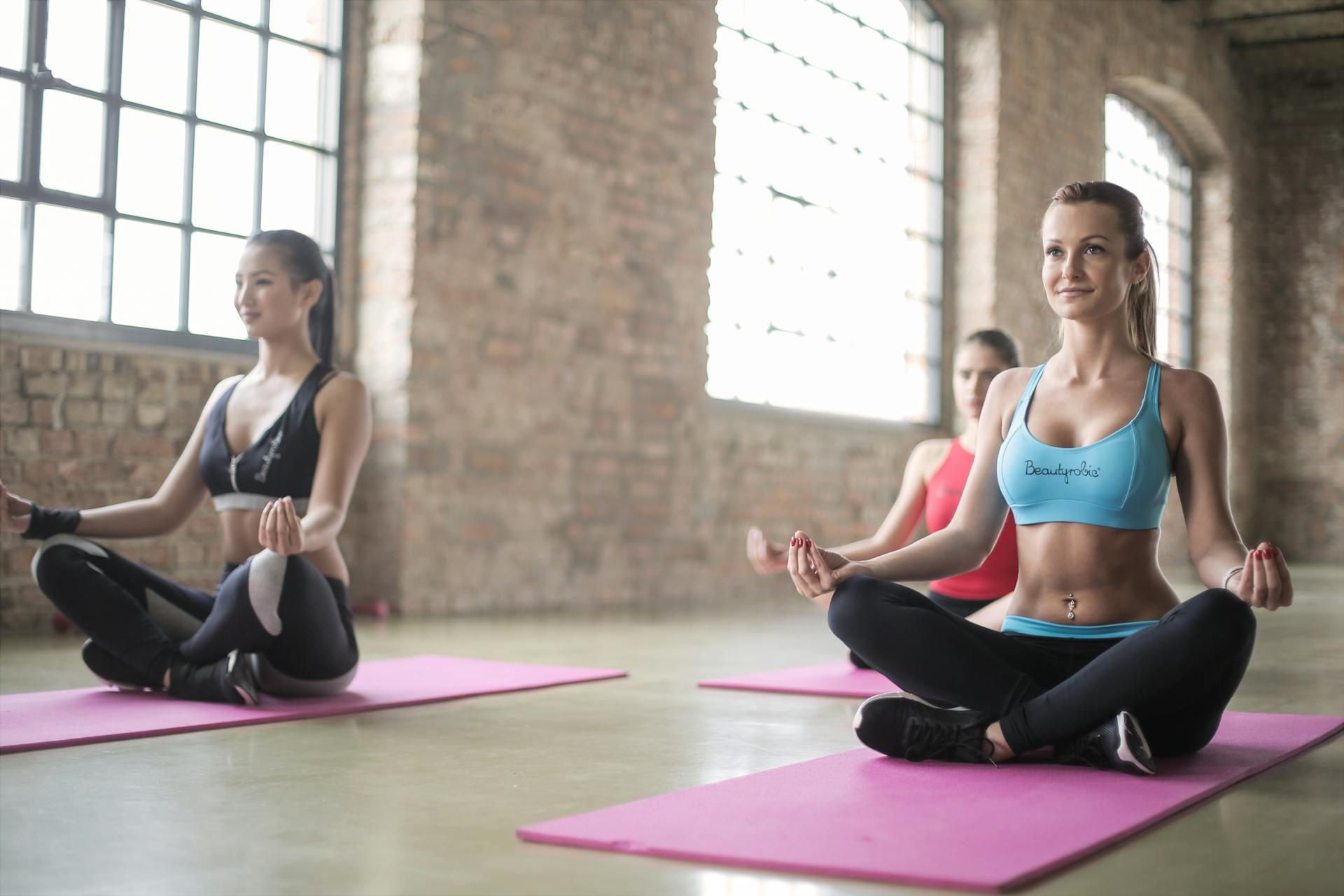
As Indian teachers began rapidly travelling abroad, yoga was slowly but surely introduced to other countries through a number of methods, including:
Hoping to sway audiences, these early demonstrations often focused on popular topics like self-discipline, meditation, mental clarity, and other enticing benefits that the everyday Western person could relate to.
Yoga really began to take hold in the UK and across Europe in the middle of the 20th century, especially from the 1960s onwards. It didn’t arrive through temples or formal religious spaces but through things like adult education courses, classes in community halls and leisure centres, and eventually purpose-built yoga studios. Over time, this practical and down-to-earth style approach to yoga helped it settle into everyday life as part of a wider health and wellbeing culture.
Key Figures in Modern Yoga
While yoga itself has ancient roots, many of the styles and teaching methods familiar today were shaped relatively recently. From the late 19th century through the 20th century, a small number of influential teachers played a key role in redefining how yoga was practised, taught, and shared beyond India.
These figures did not invent yoga. Instead, they interpreted older yogic traditions in ways that suited modern bodies, classrooms, and international audiences. In doing so, they helped transform yoga from a largely philosophical and meditative discipline into a structured, teachable practice with a stronger physical focus.
The teachers below were central to the rise of modern postural yoga. Through their students, writings, and schools, their influence continues to shape yoga classes around the world today.
Tirumalai Krishnamacharya
Krishnamacharya’s influence extended far beyond his own teaching. What made his legacy especially powerful was the diversity of his students, each of whom went on to interpret his ideas in different ways. Rather than producing a single fixed style, his teaching gave rise to multiple approaches that emphasised different aspects of practice.
Pattabhi Jois
One of the most physically demanding expressions of this lineage emerged through Pattabhi Jois. His approach reflected a growing interest in strength, discipline, and continuous movement, especially among younger and international students during the mid-20th century.
As this more athletic style of yoga gained popularity, other teachers focused on a slower, more precise approach. These methods appealed to students seeking clarity, safety, and a deeper understanding of how postures affect the body.
B. K. S. Iyengar
B. K. S. Iyengar’s work addressed these needs directly. His emphasis on alignment and careful observation helped make yoga accessible to people of different ages, abilities, and physical conditions, particularly in Western classrooms.
Yoga Today: What Has Changed?
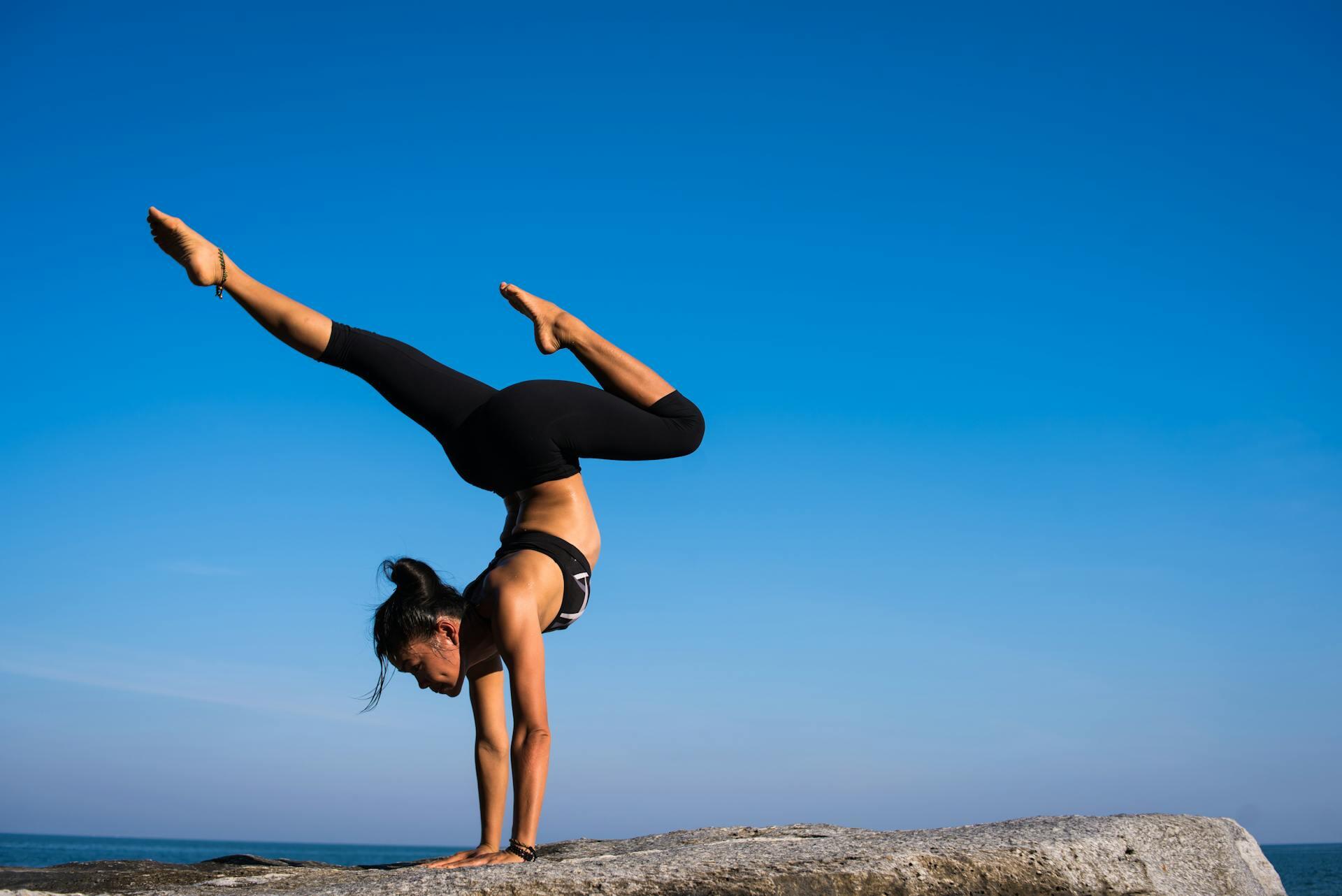
Yoga in the 21st century is a very different beast compared with the practices that originated in Ancient India. While a fair amount of the ideas of discipline and awareness are still present, the way yoga is taught and experienced by everyday people has obviously changed fundamentally.
Across most of the world, yoga is now framed as a tool for health and stress management instead of a lifelong spiritual path to embark on3.
| Aspect | Ancient Yoga | Modern Yoga |
|---|---|---|
| Primary purpose | Liberation, self-knowledge, spiritual discipline | Physical health, mental wellbeing, stress relief |
| Main focus | Meditation, breath control, ethical discipline | Postures, movement, flexibility, relaxation |
| Setting | Ashrams, forests, teacher–student lineages | Studios, gyms, community centres, online classes |
| Who practised | Ascetics, scholars, dedicated students | General public, all ages and abilities |
| Teaching style | Personal transmission, long-term guidance | Group classes, short sessions, drop-in learning |
| Cultural context | Indian philosophical and religious traditions | Global wellness and fitness culture |
References
- Yogitim. (2025, October 10). History of Yoga • Yoga Basics • Yoga Basics. Yoga Basics. https://www.yogabasics.com/learn/history-of-yoga/
- Health and Fitness Education. (2022, August 16). A brief history of yoga | HFE. HFE. https://www.hfe.co.uk/yoga/articles/a-brief-history-of-yoga/?srsltid=AfmBOooDCwV3zkL9ZCHSTr8OuDoOr4foO_hkv8titlD9M4H8XjmiEK7A
- the yoga institute. (2022, July 4). Traditional Yoga vs Modern Yoga | 16 differences. The Yoga Institute. https://theyogainstitute.org/traditional-yoga-vs-modern-yoga
Summarise with AI:
Did you like this article? Leave a rating!

 Loading...
Thank you. A really thorough and well simplified article.