Inflation is a word most of us have heard countless times on the news, but what does it really mean for you and your family? Why do prices keep going up, and how does that affect everybody's daily lives?
In this article, part of a series focused on economics, we’ll break down the concepts of inflation, price stability, and income distribution in a way you can easily understand and remember.


What Exactly is Inflation?
Simply put, inflation is essentially the rate at which prices for items and services rise - meaning after inflation strikes, you need more money to buy the same things you probably once bought for cheaper.

For example, say you went into your local corner store and bought your favourite chocolate bar for £1.00 last year but this year it costs £1.05, the price would have gone up by 5% - that’s a clear example of inflation at play.
However, it’s important to note that inflation usually affects more than just one or two products at a time, usually the overall price of almost all goods and services in an economy is affected.
What Are the Consequences of Inflation?
Firstly, if inflation gets out of control it can make the standard of living worse, especially for low income households. If wages don’t increase at the same rate as prices go up, many families can quickly struggle to afford essential things like their weekly food shop.
Additionally, inflation can also hit people with large amounts of savings too. For example, if you’ve got £1000 in your bank, that amount won’t rise with inflation, meaning you’re effectively losing money because you can no longer buy as much.
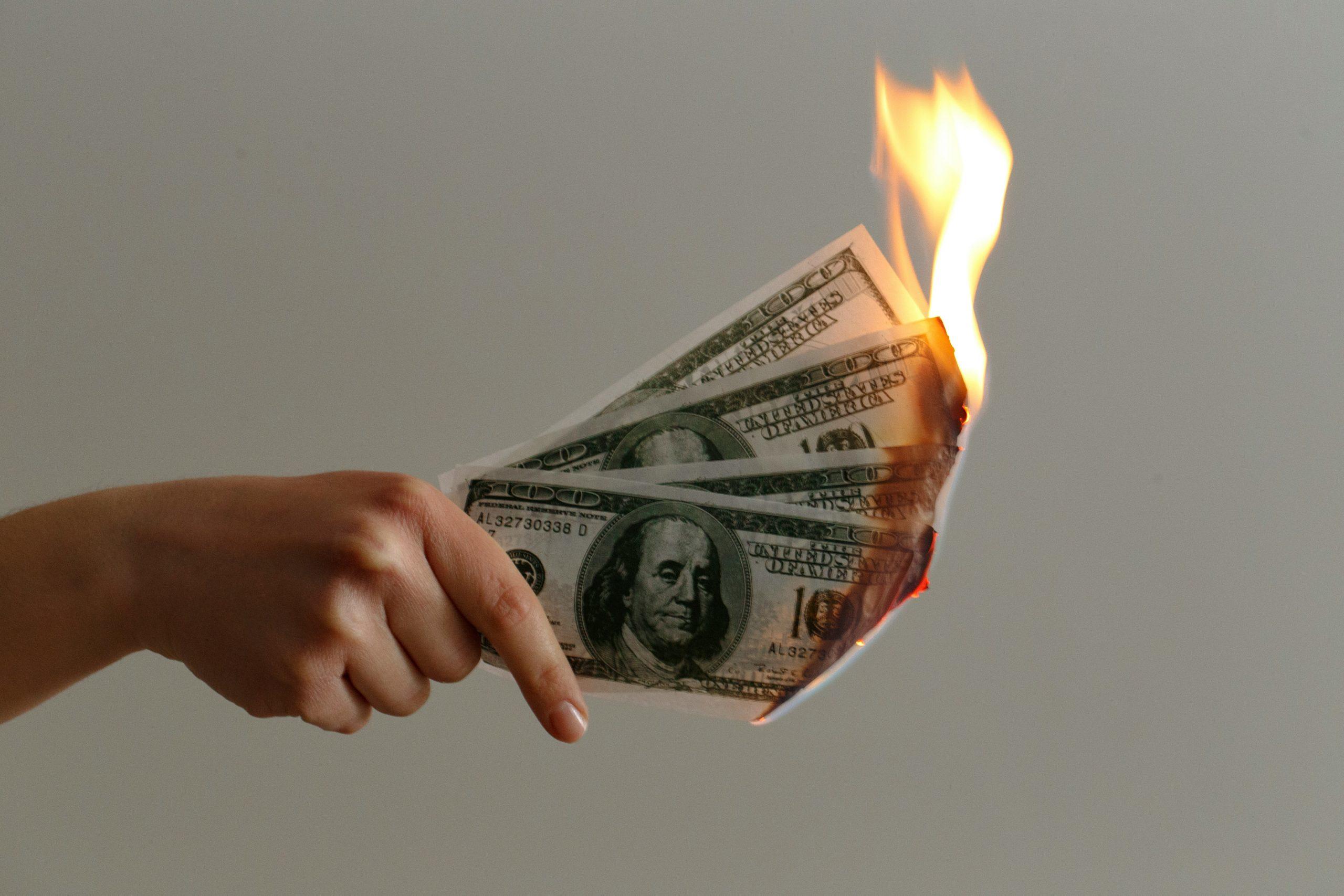
However, there’s also a silver lining to inflation. If you’ve taken out a loan, inflation can reduce the value of your debt by quite a bit. For example, if you owe £1000 and there’s 5% inflation, the real value of that debt decreases because the £1000 is worth less in terms of purchasing power.
How Do We Measure Inflation?
Inflation is measured using something called the Consumer Price Index (CPI).
Basically, the CPI is a statistical estimate that tracks the prices of a selection of common goods and services that most households tend to purchase. Here’s a simple breakdown of how it works:
- 1. Choosing a basket of goods and services: Imagine a shopping basket that is filled with items including everything from food and clothing to transport and medical care. This basket is meant to represent what an average household buys regularly.
- 2. Collecting Price Data: Every month, data collectors check the prices of these items in various places, such as shops, markets, and online - recording how much each item costs as they do so.
- 3. Calculating the CPI: The prices of all items in the basket are combined to create the CPI. Each item is given a weight based on its importance or share of the average consumer’s spending. For example, if people spend more on housing than on entertainment, housing will have a greater weight in the index.
- 4. Comparing over time: In order to measure inflation, you then compare the CPI of the current period with the CPI of a previous period. That’s all there is to it!
What Causes inflation?
While inflation can be caused by many different things, it’s quite commonly categorised into two main types:
Cost Push Inflation: This occurs when the costs of production (think wages and raw materials) have increased.From here, businesses often have no other choice but to raise the prices of the goods they sell in order to keep their profits in the green.For example, imagine a factory that makes shoes. If the price of leather goes up, the factory’s costs will increase. In order to cover these higher costs, the factory raises the price of shoes, leading to cost-push inflation.
Demand Pull Inflation: On the other hand, demand pull inflation happens when the demand for goods and services actually exceeds the supply that is currently available. For instance, during summer everybody wants to go on holiday, right? Well, if airlines can’t provide enough flights for everyone, the high demand for limited seats could cause prices to soar.
Governments use various policies to control inflation. For example, by raising interest rates they can make borrowing more expensive and saving more attractive - reducing spending and slowing down inflation.
What Does Balance of Payments Mean?
Think of the balance of payments (BoP) like a bank statement. Essentially, its job is to keep track of all the money flowing into and out of a country. This includes everything from trading goods and services, moving money for investments, and even sending foreign aid to struggling or war torn countries.
What's more, the BoP is split into two main parts: the current account and the capital and financial account. How do these differ, you ask?
Well, the current account deals with the trade of goods and services, income from investments, and transfers. In comparison to this, the capital and financial account mainly tracks the flow of money for investments, loans, and banking. Still following?
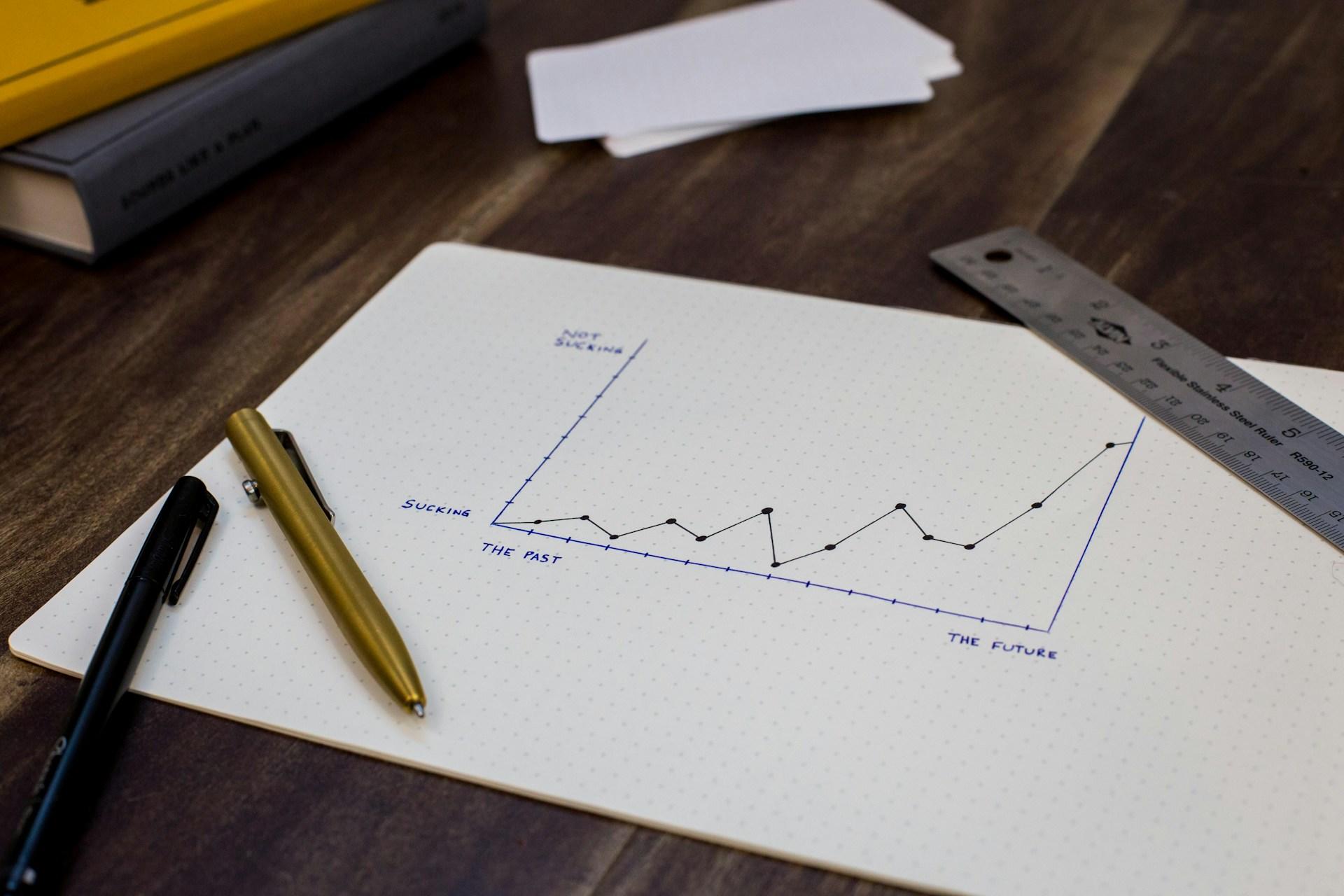
What Are Balance of Payments Surpluses and Deficits?
The current account is sort of like a scoreboard for a country's trade whose job it is to track all the goods and services a country sells to other countries (exports) and buys from other countries (imports).
When a country exports more than it imports, it eventually leads to a surplus. Simply put, this means that the country is bringing in more money from its exports than it’s spending on imports.
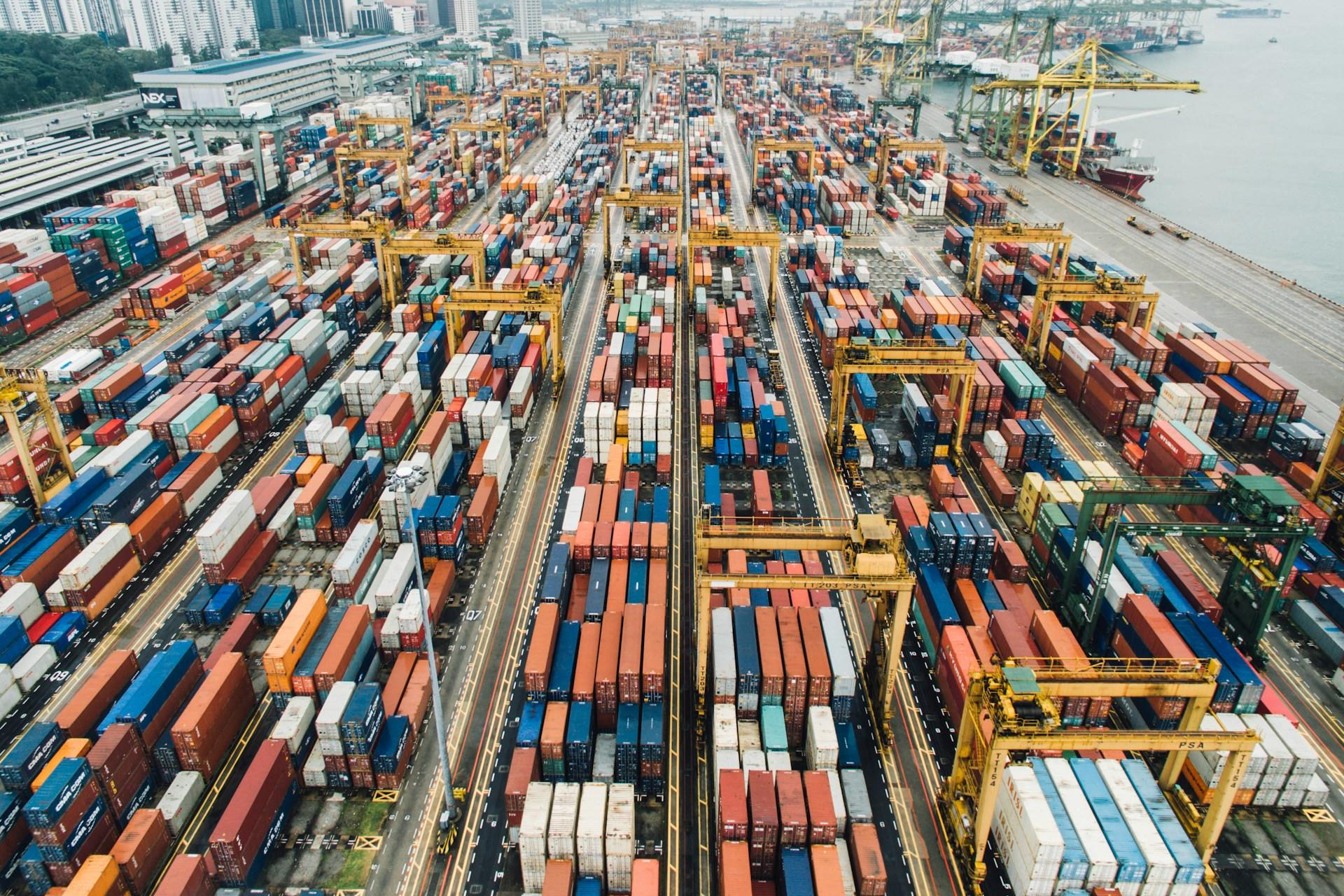
The exact opposite to this is called a deficit - meaning the country is spending more on imports than it’s earning from exports, similar to borrowing money from the rest of the world.
But why does this all matter? Well, it's this balance of trade that impacts the country’s currency value and overall economic health. Without keeping a close eye on the balance of payments, the country could quickly slide into financial turmoil.
For example, a consistent deficit can weaken the currency, making imports more expensive and potentially driving up inflation considerably. Likewise, a consistent surplus can have its own issues, such as making a country's exports too expensive for other countries to afford.
Luckily, governments have several different tactics for keeping the balance of payment under control. This can include adjusting trade policies, tweaking currency values, changing interest rates, and providing export incentives to local businesses to boost their competitiveness.
How Does Distribution of Income Work?
The distribution of income refers to how evenly or unevenly income is spread across a population. In the UK, this distribution is often measured using something called the Gini coefficient, which ranges from 0 (perfect equality) to 1 (maximum inequality).
What’s the Deal With Income and Wealth Inequality?
Unfortunately, the gap between the rich and the poor is a major issue present not only in the UK, but across Europe and the rest of the world. But why does this divide exist in the first place and is there anything that can be done about it?
Obviously, differences in wages are one of the most obvious reasons the gap exists. It goes without saying that those with better qualifications or specialised skills will likely land a better job than those who are unable or can’t afford to get them.

There’s also inheritance to consider too. Many people earn their fortune through being left it by family members or friends, giving them a strong financial head start over other less fortunate people.
However, in a bid to try and bridge this gap, governments commonly use a tactic called progressive taxation to make higher earners pay more. From here, the money collected from these taxes gets funnelled towards public services like education, healthcare, and social security, helping to level the playing field a little. By redistributing income like this, governments essentially aim to reduce inequality and create a fairer society, although this doesn’t always work out as planned.
Conclusion
In summary, understanding inflation, price stability, and income distribution can help us better grasp how they shape our everyday lives. For instance, inflation affects the prices we pay for our favourite goods, as well as the value of our savings over time. Additionally, the balance of payments shows how our country trades with others and the economic health of the nation. Lastly, income distribution highlights the differences in wealth among the many different groups in society.
Summarise with AI:
Did you like this article? Rate it!

 Loading...