
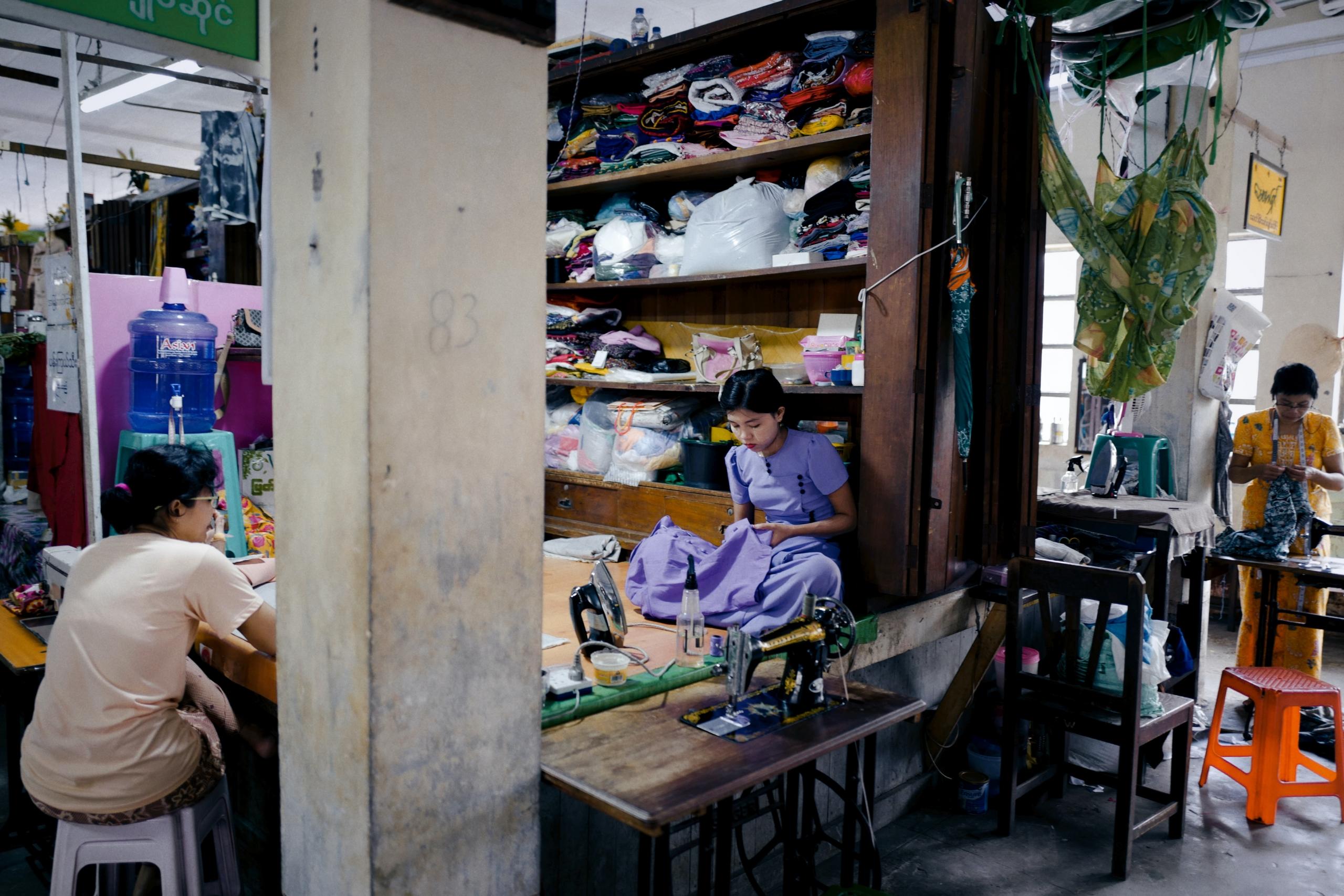

"The world is what you make of it, friend. If it doesn't fit, you make alterations." -Linda Hunt
Due to the many posts of my friend's stories on Instagram about what they were doing in January 2020 before the COVID-19 pandemic hit, I started thinking about the regular activities that we did pre-lockdown. Many of us had vivid dreams of trips planned to exotic destinations. Others wanted to attend further education courses to acquire more knowledge. Whatever our plans and goals for 2020 were at the start of the year, they probably didn't include a full year of loafing on the couch watching Netflix!
Nonetheless, we made adjustments or alterations in our lives to make things as exciting and dynamic as they could be. For example, many of us took up hobbies that we could learn from our homes, such as chess, gardening, or sewing. In addition, we watched YouTube tutorials and took online lessons to become skilled at something new that was useful and helped the time pass more quickly.
Although we sincerely hope that this pandemic is shortly behind us, one positive thing we could say is that we became more interested in learning new things online. For example, part of learning new practical hobbies came from reading blog posts such as this one.
So, without further delay, in today's article, since we slightly mentioned it above, we shall consider what persons around the world can learn about alterations in sewing.
Find sewing classes London here on Superprof.




What Do Alterations in Sewing Involve?
Though you may have heard the term before, you may not be familiar with the phrase alteration. So, in the field of sewing, what are alterations? The standard definition of alternation is a noun that signifies changing or altering something from its original state to something new.
When it comes to sewing, alterations mean slight changes or fixings in clothing pieces. Alterations are inexpensive changes to garments that modify the fit or overall clothing item's style. It's worth stating that although everyone can complete alterations to their clothing, more experienced sewists make their items look more haute-couture.
Alterations may involve taking apart stitches to make a shirt longer or larger, hemming the pants to give them a more stylish look, or adding buttons to plain-looking blouses that need a minor adjustment.
We'll learn more about sewing alterations and their different types by analysing the following subheadings.
Why Learn Sewing Alterations?

Now that we understand what sewing alterations are and how they generally affect clothing items, some people might still ask themselves, what's the point of learning more about sewing alterations? Aren't there sewists and seamstresses who make it their job to alter clothing?
Without further delay, to answer the questions mentioned above, the following are three brilliant reasons why every woman and child should know how to complete sewing alterations:
- A Chance to Let Your Personality Shine: by adjusting your pieces of clothing and making your alterations, you allow your unique personality to shine through. So, after you've learned the basics of a few sewing techniques, you'll always have the clothes you've dreamed of.
- The Ability to Save Money on Alterations: if you're a father or mother of a big family, you know that accidents happen and children grow very quickly; therefore, it's effortless to spend a lot of money on sewing alterations at the seamstress. You'll save money and won't break the budget by learning to alter clothing!
- Make Your Clothes Last Longer: parents are well aware that kids and teens go through clothing quickly; so, learning to alter clothes means that you can adjust clothing items to make them last a little bit longer. Also, even adults sometimes gain or lose weight, so knowing how to make alterations signifies that you can keep your favourite shirt or jeans longer!
But, what are some basic sewing alterations that beginner sewists could quickly learn? Let's take a look at the following paragraphs to find out more!
What are Basic Sewing Alterations?
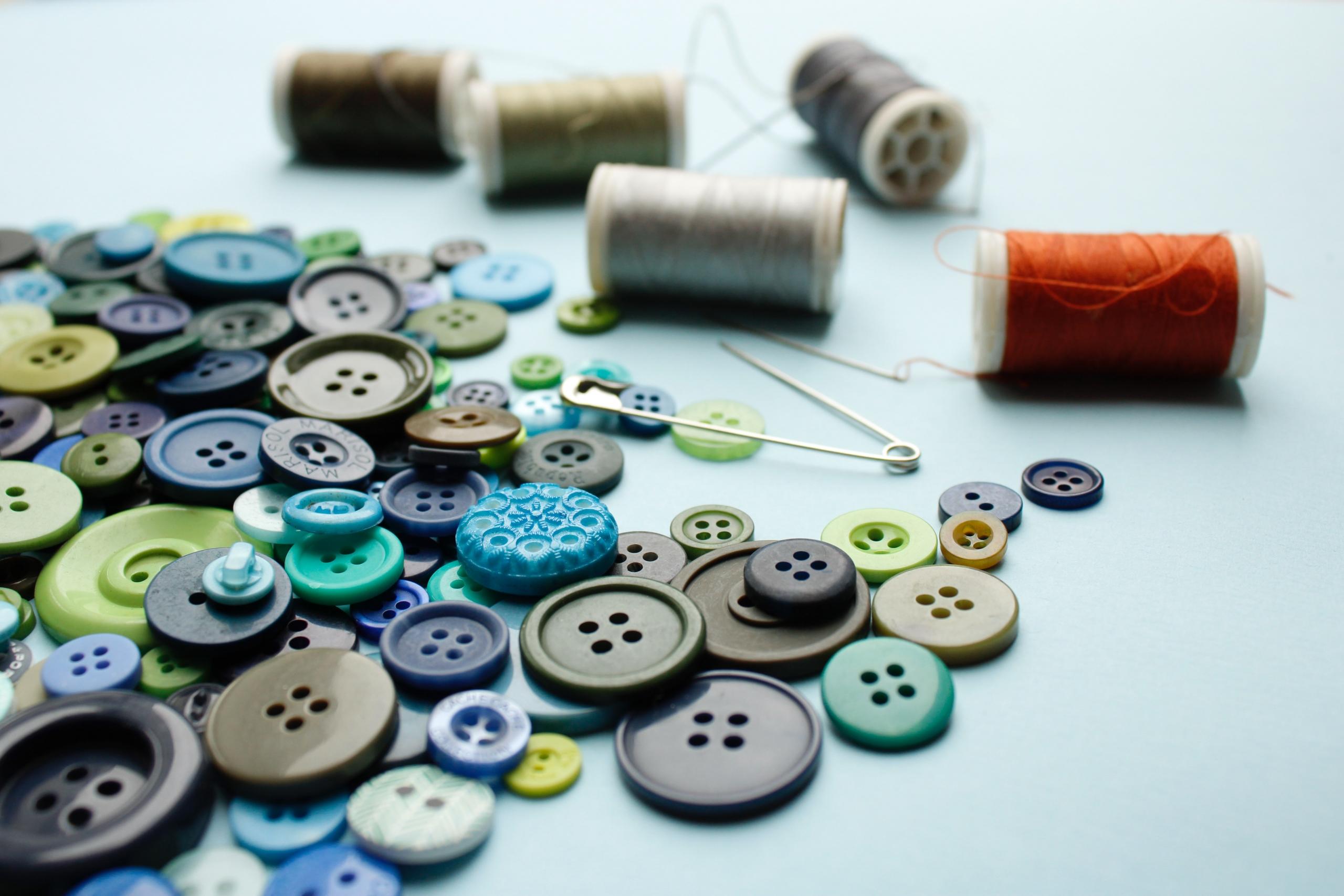
Do you think you have what it takes to learn a few basic alterations? Do you want to start adjusting your clothes while at the same time practising your sewing abilities? Altering clothing items may involve pinching, lengthening, or shortening, all of which are extremely simple to execute.
Take a look at the following list to learn about a few basic alterations:
- Taking up hems or skirts or slacks,
- Letting out a waistband,
- Repairing seams,
- Shortening sleeves,
- Placing small snaps between blouse buttons,
- Placing lingerie loops in the shoulders of a blouse,
- Changing out buttons on a dress, coat, or jacket to give it an updated look,
- Replacing a zipper.
It's worth highlighting that all of the previously mentioned alterations can be learned more about by seeking the assistance of a private tutor or by watching YouTube videos that are step-by-step tutorials.
What is the Difference Between Tailoring and Alterations?
As you've been reading this article, you've probably been curious as to know what are the primary differences between tailoring and alterations.
First and foremost, tailoring refers to a clothing item custom-fitted to the wearer, created or altered with the person's specific measurements in mind. Of course, a tailor-fitted garment comes at a high price, but it is worth the effort since it's shapely and builds the self-confidence of the outfit.
Secondly, alterations are less-expensive changes to clothing that also alter the look and fit in a particular area. For example, alterations include making a sleeve longer or hemming the pants. Alterations may also involve fixing clothes that have been damaged.
So, what's the primary difference between tailoring and alterations? First, tailoring is more expensive and deals with the overall appearance of clothing, whereas alterations are budget-friendly and involve fixing damaged fabric.
Find sewing classes here on Superprof.
Practical Tips to Learn How to Complete Alterations at Home
To ensure that you're doing a good job completing alterations and preventing yourself from making any serious mistakes that could derail your progress and leave you discouraged, it's a brilliant idea to consider following the tips of more experienced sewists.
So, without further ado, the following are four fantastic suggestions for completing sewing alterations at home:
- Get the Tools of the Trade: before you start attempting to adjust and change clothing at home, it's essential to invest in a sewing kit with the right equipment such as a sewing machine, sewing needles, some pins, lots of fabrics sharp scissors, and fabric pencils.
- Understand Your Fabric: it's a good idea to become familiar with the fabric of the clothes you are altering so that you can choose the right thread, etc.
- Know Your Limitations: don't attempt to complete extravagant projects from the beginning because you will most likely fail and feel discouraged to try again in the future. Therefore, start with baby steps and work yourself up to larger sewing alteration projects.
- Practice Makes Perfect: by working on your skills a little bit every day, you will become more accomplished at alterations and feel more confident with your abilities.
While the previously mentioned skills are fantastic tips to live by, we highly recommend hiring a private tutor to learn more about sewing alterations; know more about that in the following subheading.
Hiring a Sewing Tutor to Learn More About Alterations
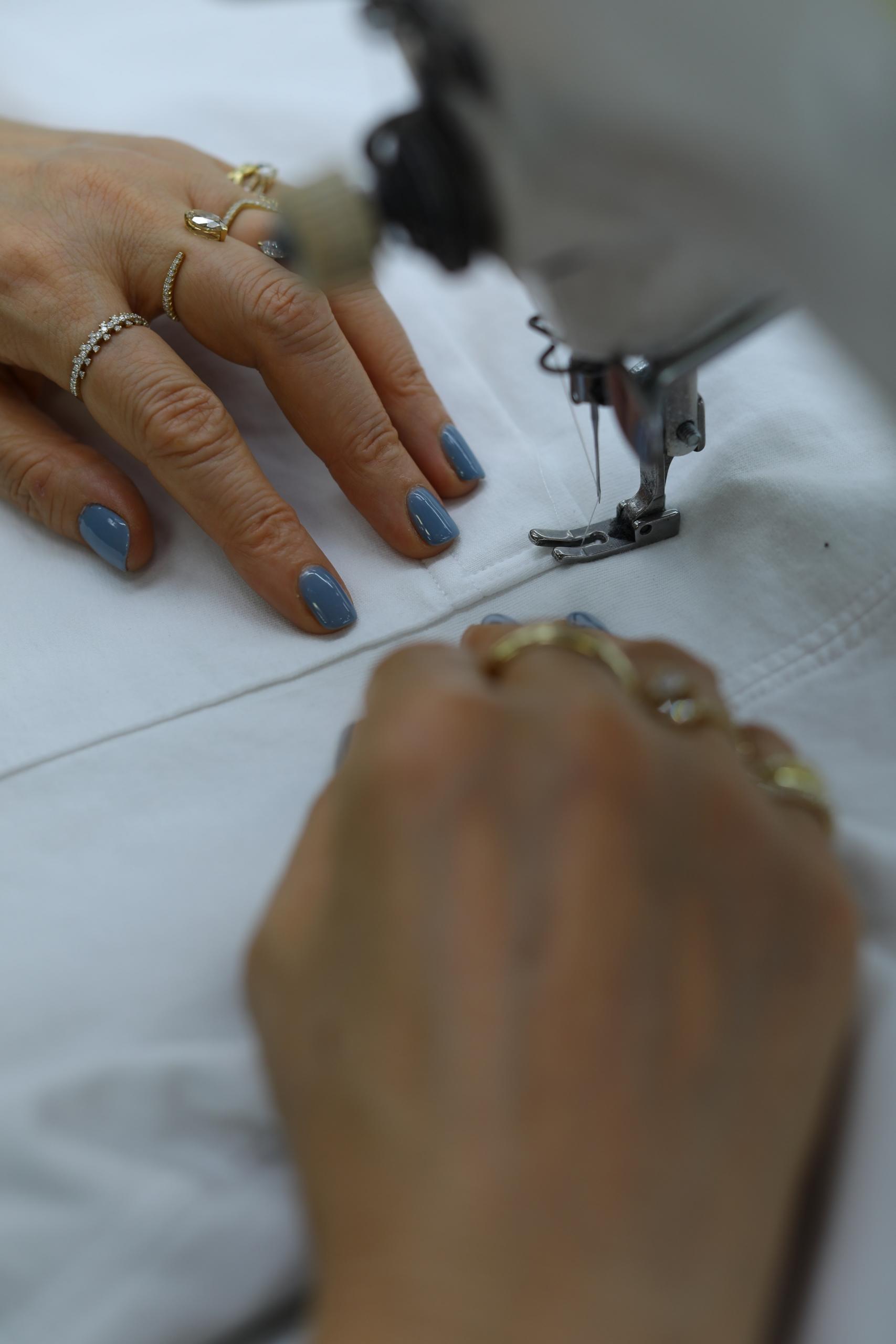
Are you still feeling a little rusty about your sewing alteration skills? Do you need additional techniques to complement your newly acquired ability to alter clothes? If so, you might think about hiring a personal tutor.
Hiring a personal sewing tutor near me is a fantastic idea because you will be assured of the following three things:
- Personalised learning sessions,
- Fantastic tips and tricks from your tutor that will significantly improve your sewing abilities,
- The ability to correct any bad habits you may develop as a sewistwillo see a rapid improvement in your sewing style.
Nonetheless, since there are so many distinct tutoring communities online that are available for learners in the United Kingdom, some alteration amateurs might not know where to look to find a sewing instructor. But, it's worth stating that there is only one tutoring site worth your time, and it goes by the name of Superprof.
Superprof currently has over 17 million professional and qualified tutors worldwide, specialising in more than 1000 topics and academic disciplines such as sewing and alterations. For instance, according to the Superprof site, there are currently 119 sewing tutors offering in-person and virtual learning sessions across villages and cities in the UK.
The sewing lessons you take with a Superprof are bound to be a smashing success based on the following reasons:
- Affordable tuition,
- A variety of professional and educated sewing tutors,
- An easy-to-use lesson booking system,
- A brilliant teacher/student support staff.
Also, it's worth stating that the first lesson with the grand majority of sewing tutors is 100% free of charge!
In conclusion, learning more about sewing alterations is a valuable ability to possess that could quickly turn into a job and career designing or fixing clothes.
Summarise with AI:
Did you like this article? Leave a rating!

 Loading...
