
As you probably already know, the animal world is incredibly diverse. From tiny insects that survive practically everywhere to enormous species that dominate the oceans, there are animals of every kind. The diversity is so great that we don’t even know a significant portion of the species that currently exist on the planet.
species on the planet, according to the Smithsonian. However, only a fraction of them have been identified and catalogued.
Given all this diversity, it's impossible to know absolutely every species that exists on the planet — not even the most experienced biologist or the most passionate animal lover could answer every question about animals that might be asked. However, there are some species in the animal kingdom that really stand out. Want to prove you know some of them? Then test your knowledge now with our animal quiz!
Quiz
Quiz :


Mammals, Birds, Reptiles, Amphibians... What Are Animals?
There are few places on the planet where animals do not exist. They can be found in almost every environment on Earth: forests, deserts, rivers, oceans, mountains, polar regions, and even urban areas.
Humans aren't the only ones capable of adapting to their habitat: many animals do so just as well — or even better — than we do. Many animals have developed countless adaptations over the course of their evolution. But what exactly are animals?
Animals are one of the major groups of living organisms on the planet. In general, they are multicellular organisms that must obtain energy from other organisms or from organic matter.
But we can take this definition a step further: an "animal" is also described in various dictionaries as a eukaryotic, macro-consumer, heterotrophic living being that obtains its nutrients through ingestion, endowed with sensitivity, the ability to move, and the ability to respond to stimuli; these last characteristics are particularly important.1
Types of Animals
The animal kingdom includes many species that are very different from one another and boasts incredible genetic diversity. For example, although both are part of the animal kingdom, it is impossible to think of a whale and an ant without recognising the stark differences between them.
One of the most common ways to learn about the animal world is to look at some of the main groups:
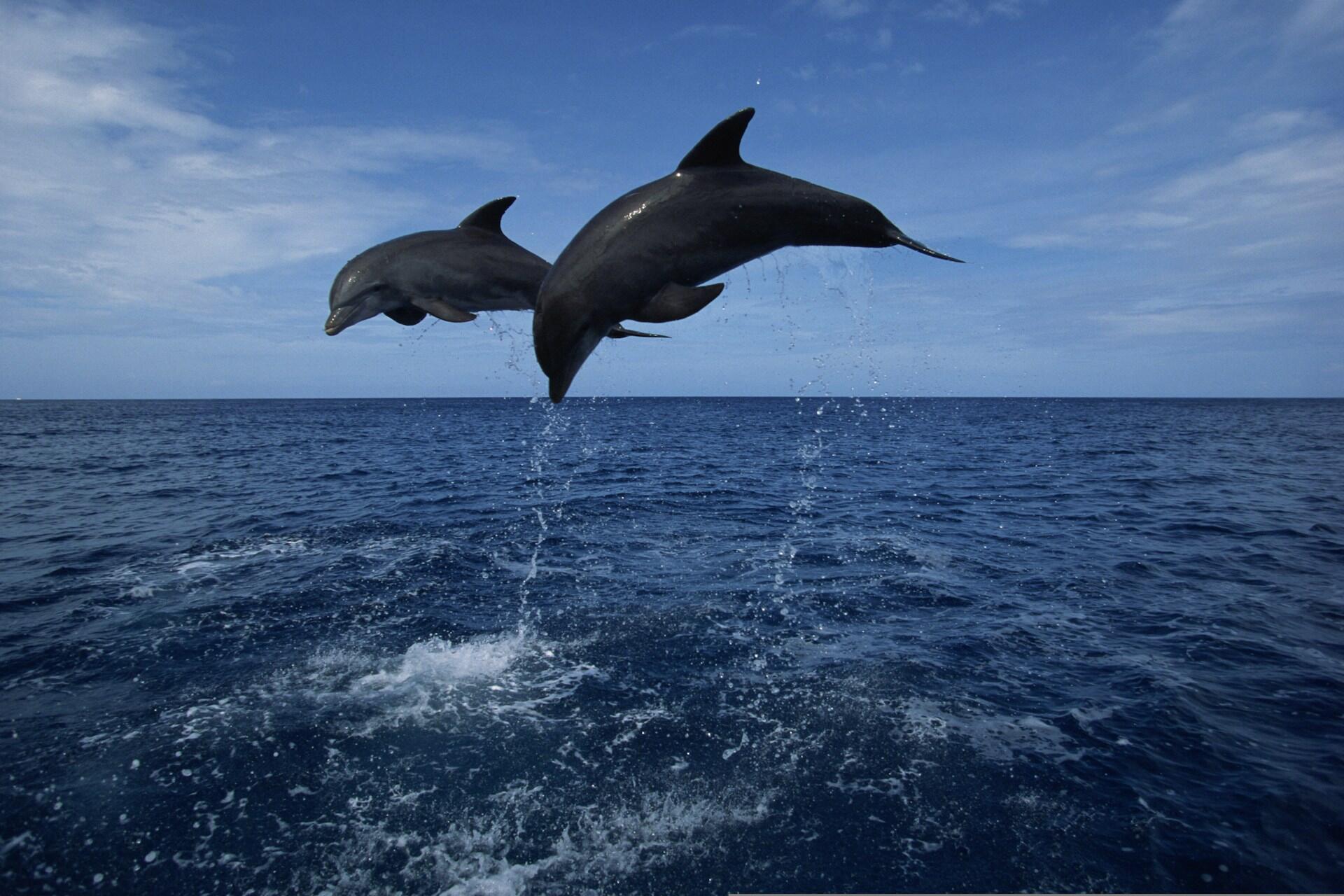
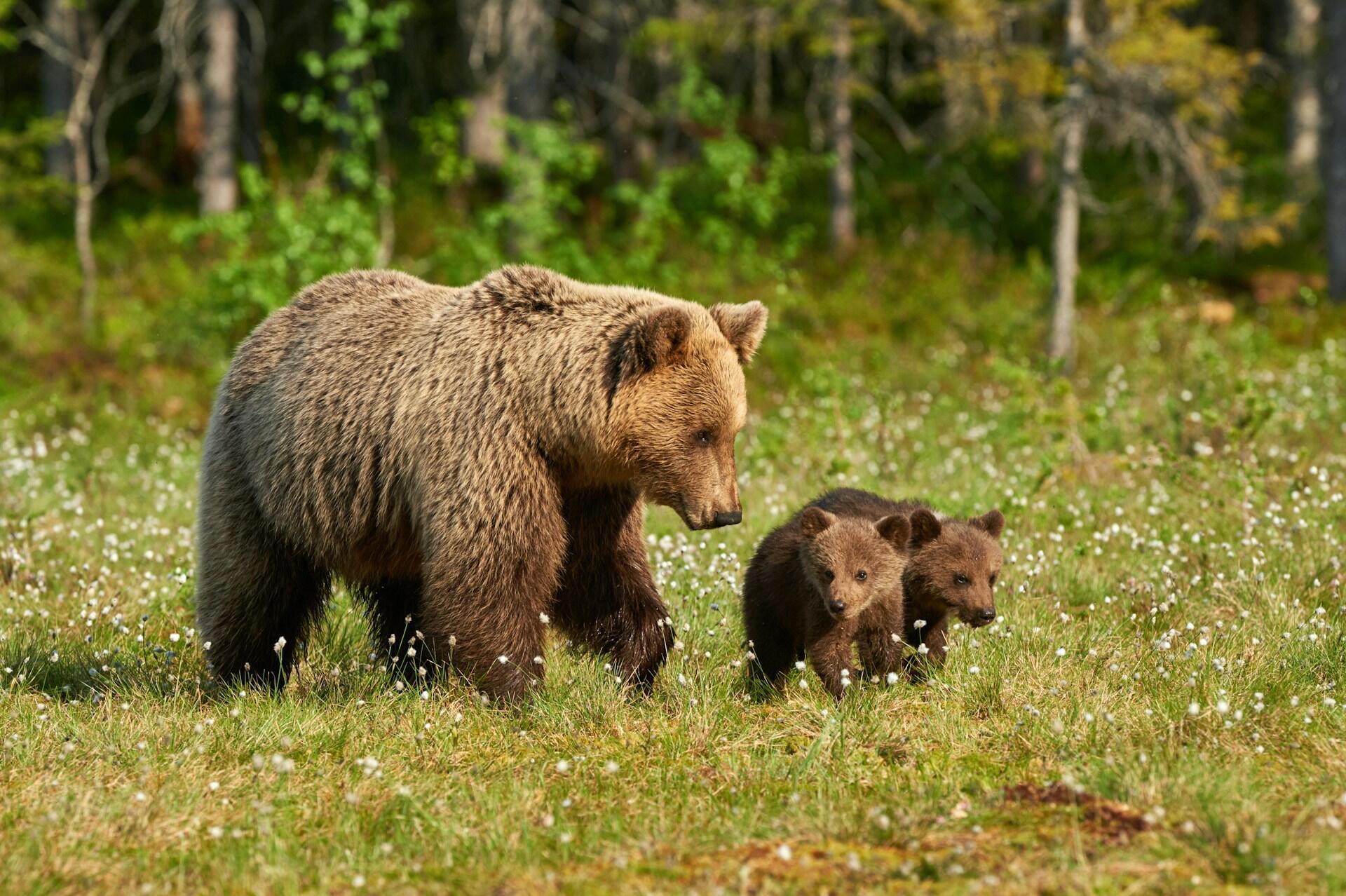
Mammals include some of the animals we all know best, such as elephants, dogs, cats, dolphins, bats, or even... humans!
Among the most notable characteristics of this group are the presence of body hair (at some point in their life cycle) and milk production (in females, to feed their young).
The ancestors of whales lived on land millions of years ago, before adapting to an aquatic environment.
Birds are a very special group of animals: many of them have very different lifestyles and a unique way of getting around—soaring through the skies.
But although flight is a characteristic associated with birds, not all of them can fly. Ostriches, penguins, and cassowaries are just a few examples of birds that have lost the ability to fly over the course of their evolution.
From an evolutionary perspective, birds are descendants of theropod dinosaurs, the same major group that included animals such as the T. rex.
Snakes, crocodiles, lizards, or turtles: they all belong to the class of reptiles, a group known for its defence strategies (such as camouflage).
Many reptiles are distinguished by their scales and other adaptations that allow them to live in a variety of terrestrial and aquatic environments.
Some reptiles, such as crocodiles, can swallow stones, known as gastroliths. These stones can remain in the stomach and aid in the mechanical processing of food.
Toads and frogs are two of the best-known members of the amphibian group. Generally, these species depend on humid environments and have life cycles that involve significant physical changes.
Because changes in environmental conditions greatly affect amphibians, they often serve as indicators for scientists.
The word “amphibian” comes from the Greek word amphibios, which roughly means “(to live) two lives.” In the case of amphibians, this refers to life in water and on land.
Fish are one of the most diverse groups of vertebrates: they range from small reef fish to enormous oceanic species.
The largest fish in existence today is the whale shark: the largest confirmed specimen was 65 feet long!
Some fish have developed adaptations that allow them to use oxygen from the air and breathe out of water.
Spiders, molluscs, crustaceans, and many others: a huge portion of animal diversity is found among invertebrates.
Insects, in particular, are extraordinarily numerous and diverse. According to the Smithsonian, at least about four out of every five animals on Earth are insects!
Many starfish can regenerate different parts of their bodies, such as lost arms.
One of the most fascinating facts about the animal world is the ability of some species to survive in conditions that seem — at least to us humans — unfavourable to life.
Whether in extremely arid environments like deserts, polar regions with temperatures well below freezing, high-altitude mountains, or the depths of the ocean, there are organisms capable of adapting to any conditions. And, as we've seen before, many of these organisms are still unknown to humans!
The Animal Kingdom Holds Many Mysteries
Even after several centuries of scientific research, our understanding of life on Earth is far from complete. Every year, new species continue to be described and catalogued, and scientists continue to discover behaviours, adaptations, and ecological relationships.
The advancement of scientific research is also essential for the conservation of all this biodiversity. Over the years, habitat destruction, climate change, the illegal wildlife trade, and other factors have increased the risk of extinction for many species
If you'd like to deepen your knowledge of the animal kingdom, don't hesitate to find a tutor on the Superprof platform. Let us know how you did on this animal kingdom quiz in the comments below!
References
- “UXL Encyclopedia of Science. Encyclopedia.Com. 29 Sep. 2026 .” Encyclopedia.Com, Encyclopedia.com, 1 Oct. 2026, www.encyclopedia.com/plants-and-animals/zoology-and-veterinary-medicine/zoology-general/animal/.
Summarise with AI:
Did you like this article? Leave a rating!

 Loading...