
Nowadays, the media and social media platforms have enabled different ways for us to absorb information but also to express ourselves in the digital world. Social media particularly has become a realm for brands, and organizations, but also for artists and individuals, opening many opportunities to express yourself.



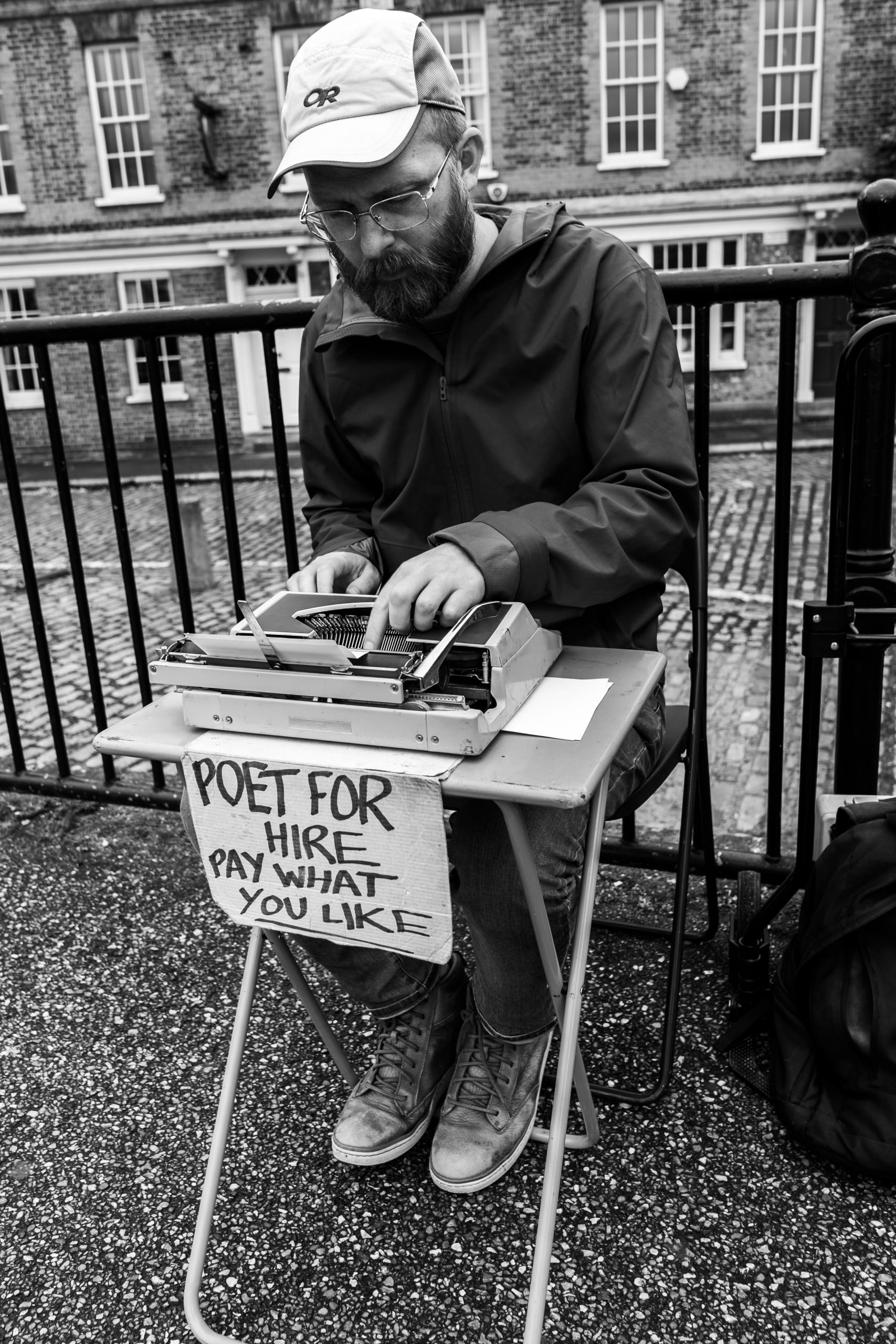
Poets and poetry
First, a poet is defined as a person that creates, whether it's a thinker, songwriter, or writer; they may create poems, or they may also perform their art to an audience.
The main work of a poet is to communicate emotions or express different ideas, either in a literal sense or metaphorically. Poets have existed since the beginning of human civilization, in every language, and have produced works that vary greatly in different cultures and periods. This is because literature and poetry have adapted to the social, cultural and artistic changes that have happened over time, resulting in different styles and support to express poetry.
Poetry aims at a certain aesthetic application of words while being melodious and rhythmic, the creative effect has to transmit an emotion or idea that captivates the reader or audience.
The role of Social Media platforms
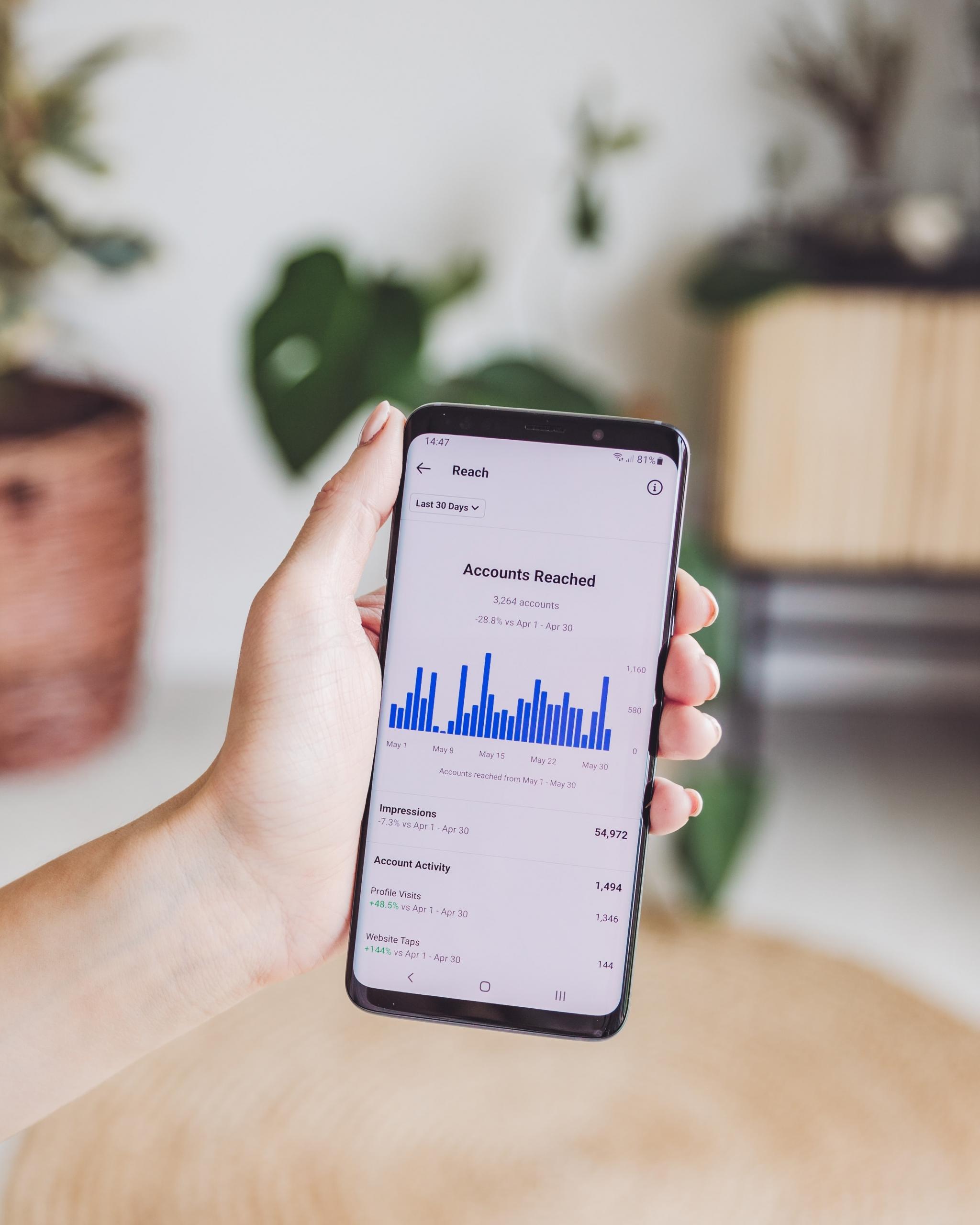
Instagram is an American photo and video sharing social media platform, where users can browse a different kind of content by tag, location, account, or trends. This platform was launched in April 2012 and has grown exponentially since then, where personal accounts, organizations but also different kinds of brands use it to promote and commercialize their products and services. Instagram has roughly one billion monthly active users in 2022.
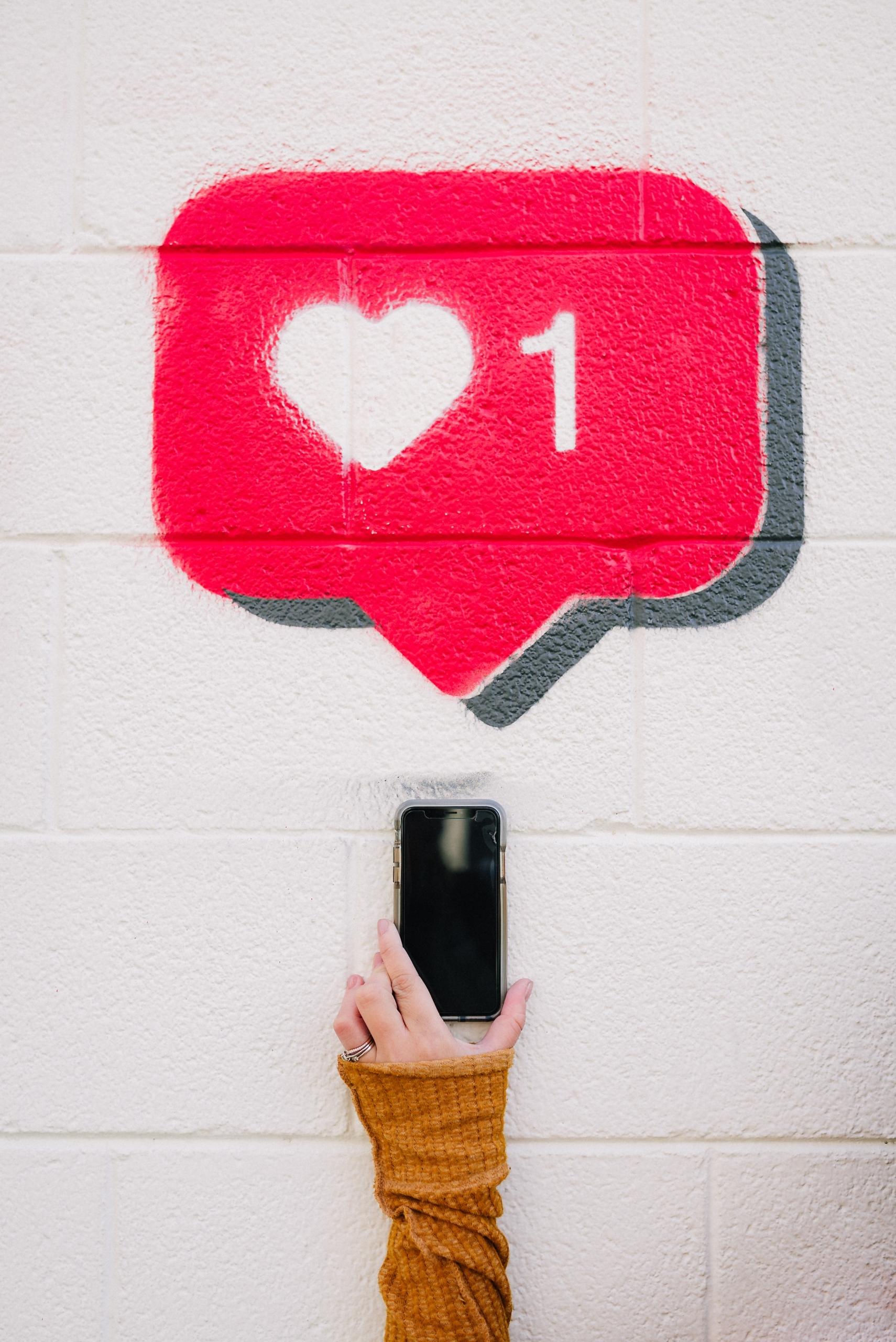
Twitter is an American microblogging and social media platform, where users can post, like, and retweet tweets. This platform was launched in 2006 and has since then gathered 330 million monthly users.
TikTok
TikTok is a Chinese social media platform, known as Douyin, is a video-focused social media platform that was launched in 2016. Because it is mainly video based, user's videos mostly focus on pranks, stunts, tricks, jokes, dance, or entertainment. While the content of the platform constantly evolves, so do its subscribers, which gather 1 billion from 150 countries today.
Writing and media
Instapoetry is considered to be the most accessible type of poetry there is, and even if it is mostly shared on Instagram, many are also shared through Twitter, Tumblr, and TikTok. Most of the time, the post consist of short, direct lines in aesthetically pleasing fonts that are sometimes accompanied by an image or drawing
Instapoet is the term used to define poets or artists that decided to share their work prominently on Instagram in order to expand their readership, rather than using traditional publishing methods.
Most poems or instapoems are short verses and the themes are mostly focused on social justice topics, such as immigration, domestic violence, love, self-love, culture, feminism, war, racism, and even mental health. These poems are made to fit social media feeds and be easily accessible through smartphone applications.
While Instapoetry has been criticized by academia for not respecting or following certain canons of literature, Instapoetry provides a modern take on traditional poetic principles. Nevertheless, Instapoets have opened a door and democratized the access to poetry like never before, stimulating a broader audience in getting interested in poetry is a major step for poetry.
Poetry has long been dominated by the literary gatekeepers from the academic world or the press, editors, magazines, and other journals that often decide whose voice has the privilege to be heard. While many journals feature minority voices and cover important topics such as feminism or writers of colour, social media platforms get rid of many barriers that exist for poets when they want to distribute or publish their work to the world.
Another feature that has been used by Instapoet is the caption feature, which allows Instapoets to explain or add insight into their piece's meaning and derivation. In addition, this is a space to employ hashtags related to their poem, topic, or category they want to be in, this also allows them to reach a higher and more targeted readership.
Instapoets like Rupi Kaur, Yung Pueblo, Atticus, Amanda Lovelace and Knott Gregson have taken the opportunity to write differently and employ new forms of expressing and creating poetry. This has been possible to their major amount of followers, which has been so significant that magazines such as The New York Times or the Rolling Stones and even The Poetry Foundation had to mention this new kind of 'insta poets'.
Known Instapoets
Rupi Kaur
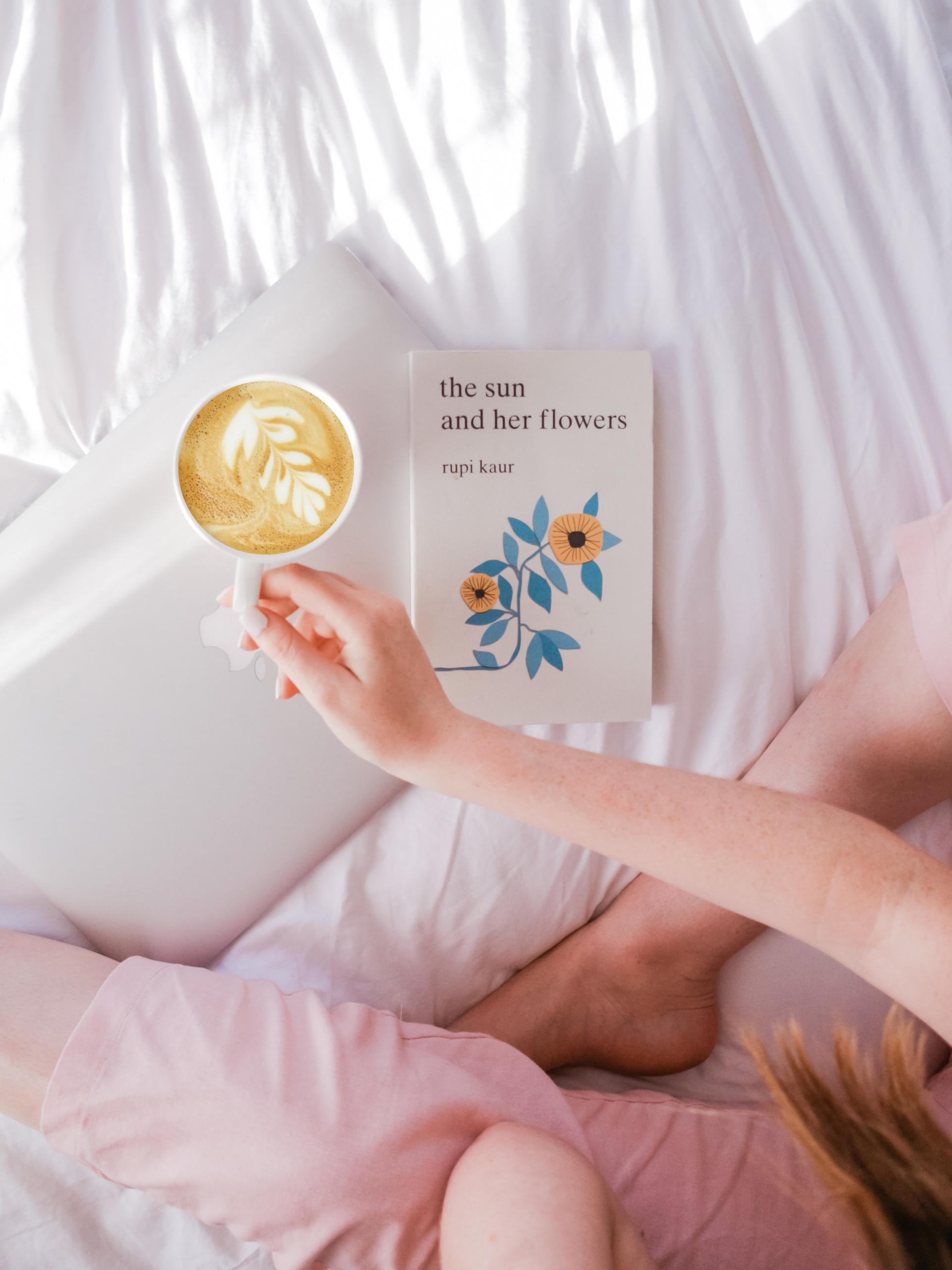
She became the most popular and bestselling author of modern poetry, selling millions of books and touring across countries. She is known for her books Milk and Honey and The Sun and her flowers.
Here is one of her poems from Milk and Honey
love will come
and when love comes
love will hold you
love will call your name
and you will melt
sometimes though
love will hurt you but
love will never mean to
love will play no games
cause love knows life
has been hard enough already
(Milk and Honey, page 60)
Amanda Lovelace
She is the author of several bestselling poetry titles, including her celebrated “women are some kind of magic” series as well as her “you are your own fairy tale” trilogy.
I'm
pretty sure
you have
s t a r d u s trunning
through
those
v e i n s.—women are some kind of magic.
Yung Pueblo
Diego Perez is the writer behind the pen name Yung Pueblo. The name Yung Pueblo means “young people.” it serves to remind him of his Ecuadorian roots, his experiences in activism, and that the collective of humanity is in the midst of important growth. His favourite word, liberation, took on a deeper meaning once he started meditating vipassana, as taught by s.n. goenka. Through writing and speaking, he aims to support the healing of the individual, realizing that when we release our personal burdens, we contribute to a sense of global peace.
self-love is a sincere
acceptance of the pastan agreement to make
the most of the presentand a willingness to allow
the best to occur in the future(wholehearted)
Criticism
Literary critics think that Instapoet should be considered online celebrities rather than poets, this is because they do not undergo the same critical evaluation that academic poetry has to go through in the publishing industry.
Poets like Vinu Caspar or Thom Young believe that Instapoets are diminishing the quality and years of work that is put into poetry and its craft, just as poets like William Shakespeare used to do. They consider that Instapoetry has little to no meaning and its only aim is to attack followers under a capitalist structure, just like the social media platforms.
Another critic is how the different Instapoems reach their audiences, blaming the algorithm that puts forward content that has been promoted or paid for to appear in your feed. This favours the spread of repeated, bland or inauthentic content, thus preventing artists and Instapoets to share their genuine creative thinking.
Become and Instapoet
Regardless of the critics, we have to consider the times that we live in, we might not live and create in the same ways as some famous British poets. This does not mean that poetry is less valuable or undeserving of being read.
If you are considering expressing and create yourself through poetry, becoming an Instapoet has several benefits:
- Self-publishing: Submitting your work to a magazine or a publishing process can be very long and oftentimes you might find yourself having your work turned down because it is not possible to publish every poet at the same time. This is a great advantage of social media platforms, even if they have their own limitations: poems have to be short. You will be able to put your creativity out there and share it with the world.
- It's economical: having a social media platform is free for most of its features.
- You can practice. This allows you to write as much as you want and create at a pace that is convenient for you.
- It allows you to grow your audience and get to know your readership or followers.
Summarise with AI:
Enjoyed this article? Leave a rating!


 Loading...