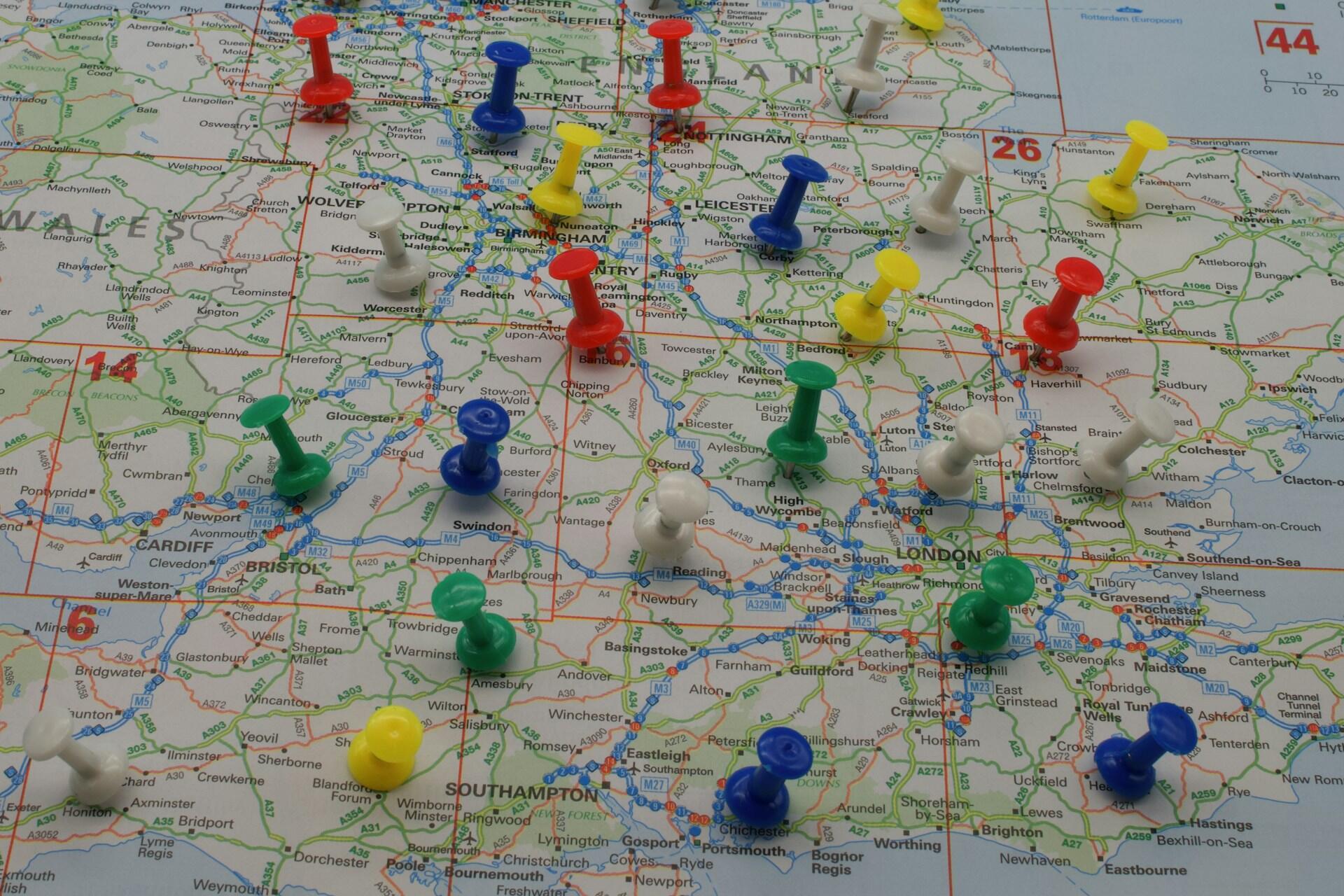

Local elections 2026 are set for May 7, across Wales, Scotland, and 136 local authorities in England. If your political map is current, you know that number represents just under half of all local authorities (317 in total). This article lays out where and what type of elections are taking place on that day. You'll also find election predictions and discover how local elections impact national politics.
What to Know About 2026 United Kingdom Local Election Polls
- On May 7, 2026, voters in 136 local authorities will head to the polls.
- 32 London boroughs and 16 metropolitan boroughs are also holding elections.
- Six unitary authorities and six district councils are also preparing their polling stations.
- Wales and Scotland will hold parliamentary elections on that day as well.


When Are the UK Local Elections 2026?
The Representation of the People Act of 1983 mandates that all local elections in England and Wales take place on the first Thursday in May of every election year.
A combination of law, history, and tradition dictates when Britons head to the polls. Our May 7, 2026 election date doesn't just signal the coming end to a political cycle and the start of a new one. It represents our tradition of British political engagement.
In fact, Thursday was selected as election day as a matter of practicality. Way back when, Friday was inconvenient because most voters would receive their pay packets and be too 'otherwise engaged' to care about voting. Likewise, Sundays were out because church sermons might influence voting.
Thursdays were just right because they were market days. Most people would come into town to trade anyway; they could cast their ballots before or after their shopping was done.
Previously, the Fixed-Term Parliamentary Act of 2011 mandated all general elections to be held on the first Thursday in May. That act was repealed in 2022 with the Dissolution and Calling of Parliament Act.
And yet, we still cast our general election ballots on Thursday, without fail. As it turns out, British voters seem to be creatures of habit. No law forces us to vote on that day, but the habit (tradition?) is too strong to break1.
Where Are the Local Elections Happening in 2026?
The breadth of this election is so vast that you would be reading for hours were we to summarise each point, district, and potential. This chart presents the same information much more efficiently.
| 📍Where | 🪑Number of seats contested | 💒 | 📝Notes |
|---|---|---|---|
| London | 1,817 | See notes | All of London's 32 borough seats are up for election. |
| Metropolitan boroughs full election | 1,064 | Barnsley, Birmingham Bradford, Calderdale Coventry, Gateshead, Kirklees Newcastle-Upon-Tyne Sandwell, Sefton Solihull, South Tyneside St Helens, Sunderland Wakefield, Walsall | All seats are up for election across 16 councils |
| Metropolitan boroughs 1/3 councillors | 355 | Bolton, Bury, Dudley Knowsley, Leeds, Manchester North Tyneside, Oldham Rochedale, Salford Sheffield, Stockport Tameside, Trafford, Wigan Wolverhampton | 355 of 1,065 seats up for election. |
| Unitary authorities all councillors 6 councils | 367 | Isle of Wight Milton Keynes East Surrey Swindon Thurrock West Surrey | Includes 2 newly formed councils. |
| Unitary authorities 1/3 councillors 12 councils | 201 | Blackburn with Darwen Halten, Hartlepool, Hull North East Lincolnshire Peterborough, Portsmouth Plymouth, Reading Southampton, Wokingham Southend-on-Sea | 201 out of 603 seats are up for election. |
| County councils | 430 | East Sussex, Essex Hampshire, Norfolk Suffolk, West Sussex | These election were delayed in 2025. |
| Mayoral races | 6 | Croyden, Hackney Lewisham, Newham Tower Hamlets, Watford | --- |
| District councils all councillors | 141 | Huntingdonshire Newcastle-under-Lyme South Cambridgeshire | --- |
| District councils half of councillors | 123 | Adur, Cheltenham Fareham, Gosport Hastings, Oxford Nuneaton and Bedworth | 123 of 247 seats up for election. |
| District councils 1/3 of councillors | 516 | A total of 38 councils | 516 of 1545 seats are up for elections. |
Which Seats Are Being Contested?
In all, 4,850 seats are up for elections across 134 councils scattered throughout the country2. Some administrative areas will be more heavily impacted than others, as this seat count demonstrates.
In all, the total seats in contest break into:
- In London: 1,817 seats
- metropolitan boroughs: 1,064 seats
- metropolitan boroughs (1/3 seats): 355
- unitary authorities: 367 seats
- county councils: 430 seats
- 12 councils (1/3 seats): 201
- district councils (total seats): 780
In short, all the seats in contest could make for a political revolution across the country. To make your voice heard, make sure you're eligible and registered to vote in your local elections.
UK Local Elections 2026 Predictions
You might think it quite painstaking to research, count and write all the information in the previous chapter (it was!). But the breakdown of seats up for grabs and which party currently holds them is vitally important information.
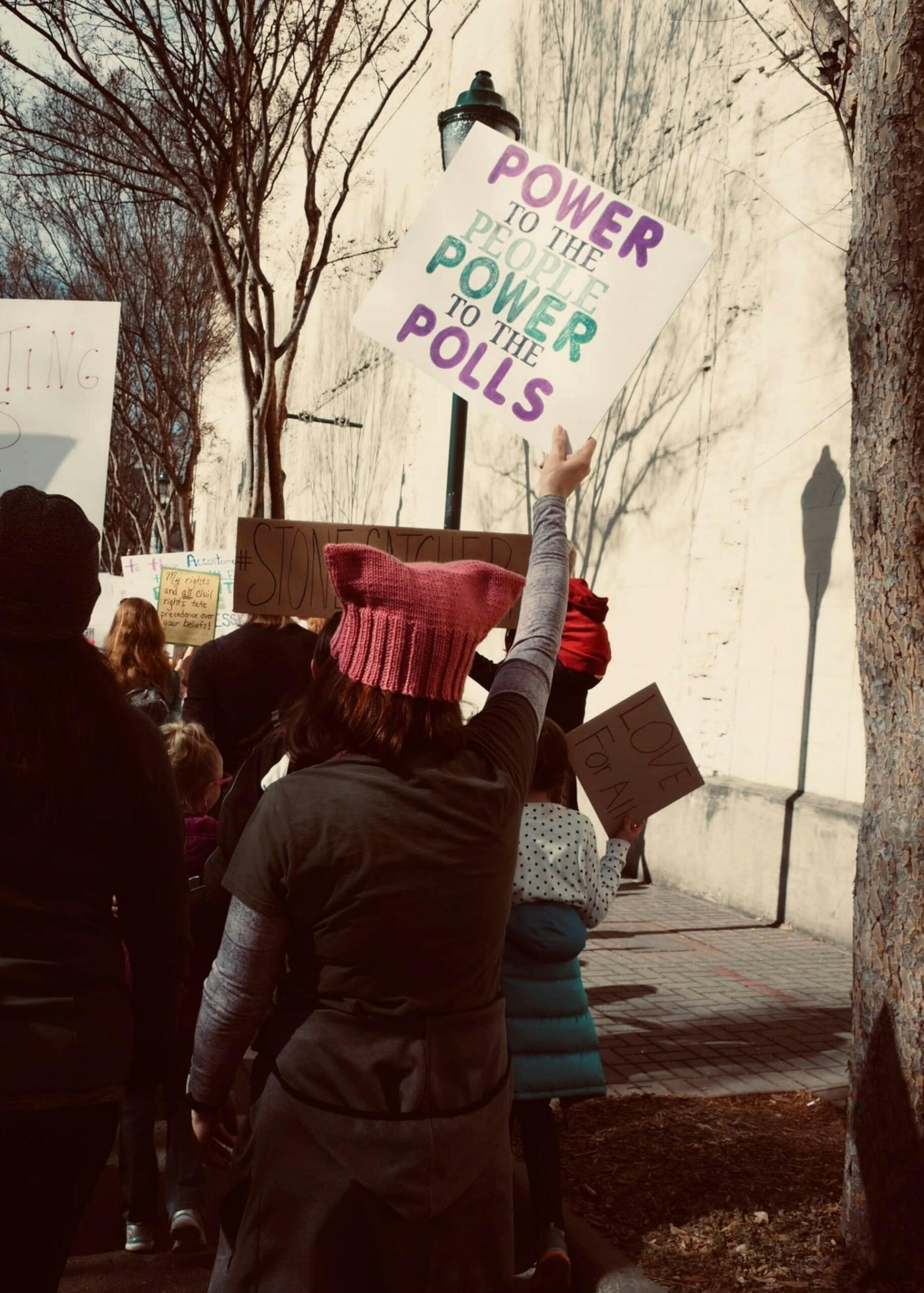
As the clip above proves, public sentiment towards the Labour party is several degrees below lukewarm. In that aspect, the Tories aren't faring much better.
Public sentiment threatens to end Britain's political duopoly - the Labour-Tory institution - that has governed our country for nearly a century. This election might be the tide of change to break the duopoly's stranglehold on British politics.
As of March 2026, the polls predict that Labour is set for massive losses, particularly across the northern districts3. The party won those seats in the 2022 election with a 35% support rating. Currently, Labour is polling around 20%.
The Conservative party is polling poorly, too. The trends indicate potential losses in rural counties and southern districts. In metropolitan areas, predictions run towards Labour taking over Tory seats, which might help Labour losses elsewhere. So which parties are pulling ahead in the polls?
Reform UK has surged in popularity, polling at 25-30% across the nation. In 2022, its percentages hovered near zero.
It would shock nobody if Reform took over the conservative heartland, particularly in dominant councils such as Essex and Suffolk. Reform also stands to make inroads into southern councils and a few London boroughs.
The Liberal Democrats should emerge from this election with majorities across southern England, particularly the wealthier districts. The Greens are also poised to encroach on districts Labour currently holds, especially in coastal towns and university cities.
Let's return, for a moment, to that breakdown of seats in the chapter above. It features three parties, Labour, Tories, and Liberal Democrats, and a lot of 'no majority'. We weren't stinting on information sharing; that is the current breakdown of seats in those areas2.
Now, lay the current polling predictions atop that map: Labour and Conservatives losing; 'no majority' growing. If these predictions hold, this election stands to be a political tsunami. The legacy parties' significance and power will wane, and new political attitudes will seize the day.
Will that change how often we vote in council elections? Will we gain referendum power so we can vote out damaging politicians and elect new ones? If these predictions come to pass - if we end the twin parties' power, anything is possible.
How the 2026 United Kingdom Local Elections Help Shape National Politics
... deriving their just powers from the consent of the governed.
US Declaration of Independence
In theory, every government derives its powers from the consent of the governed. Citizens give their consent implicitly when they vote for winning candidates. Securing that vote gives the elected officials a mandate to ensure citizens' welfare and safety.
That's a fact, whether we're talking general or local elections. At the local level, our representatives are more in tune with the issues that impact us directly. Such issues may be matters in our local environment, such as water services or waste disposal. Or they may be nationally impactful issues, like trunk roads and motorways. In all cases, it's up to local governments to spur the national government into action.
Local councils petition the national government for funds to maintain nationally vital local infrastructure such as schools and roads.
Local Impacts on National Elections
As recent elections have demonstrated, the preferred pathway into national politics winds through local councils4.
This is significant, as the UK has no law that states any member of parliament (MP) must have local council experience5. Citizens beg to differ. How can a national representative know the challenges local governments face without first serving in their local council?
More and more, voters prefer their national representatives to have local political backgrounds.
Public Sentiment Influences National Politics
Finally, we come to the most profound ways that local elections shape national politics: public sentiment and political strategy.
Public sentiment
votes on local issues inform national trends and priorities.
Political strategy
- candidates test new strategies on smaller populations
- successful strategies are deployed on the national stage.
Who can forget the massive upset the February 2026 by-elections in Gorton and Denton brought? Those councils, historically Labour strongholds, saw that party rejected out of hand. Furthermore, the other stalwart of British elections, the Tories, gained no ground, either.
Not only did these by-elections reverse decades of political assurance, but they also show an outright rejection of our country's ruling duopoly.
What this means for the future of British politics and for the upcoming election, no one can accurately predict. All of the election guides, the one that describe how elections work in the UK, hedge their bets, at best. At the least, we can count on fewer Labour (and Tory!) seats in Parliament. If so, that would be a political earthquake strong enough to change our political landscape.
When Are the Local Elections? Crucial Information
- Whitehead, Joanna, and Benjamin Butterworth. “Why Are General Elections Always on a Thursday? UK Voting Tradition Explained.” The I Paper, 3 July 2024, inews.co.uk/news/general-elections-why-thursday-always-voting-tradition-356999. Accessed 21 Mar. 2026.
- “Election Timetable in England.” GOV.UK, www.gov.uk/government/publications/election-timetable-in-england/election-timetable-in-england. Accessed 22 Mar. 2026.
- PollCheck. “The 2026 Local Elections: What to Expect.” PollCheck, Mar. 2026, www.pollcheck.co.uk/locals-2026-context. Accessed 22 Mar. 2026.
- Weakley, Kirsty. “Updated: Over 100 New MPs with Council Backgrounds.” Local Government Chronicle (LGC), 8 July 2024, www.lgcplus.com/politics/governance-and-structure/revealed-over-70-new-mps-with-council-backgrounds-08-07-2024/. Accessed 21 Mar. 2026.
- “MP | Explore Careers | National Careers Service.” Nationalcareers.service.gov.uk, nationalcareers.service.gov.uk/job-profiles/mp. Accessed 21 Mar. 2026.
Summarise with AI:
Did you like this article? Leave a rating!

 Loading...