
Already this year, UK politics has suffered a few quakes. The Gorton and Denton by-election results rippled around the world; they signalled a departure from the political duopoly that has governed the UK for nearly 100 years. UK local councils are at the forefront of this sea change. On May 7, 2026, local councils will roll out their ballot boxes; before then, we outline how local elections work and the impact of local councils.
What Do Local Councils Do?
- Councils manage services ranging from education and social care to waste management and transport.
- Local councils have the power to steer funds to needed projects and services, as well as community functions (arts, tourism, cultural events, etc.).
- The Electoral Commission sets the standards and oversees council elections.
- Local councillors are elected through impartial elections, generally held every four years.


What Are Local Elections UK?
A local election is the process of choosing representatives to sit on the local council. On election day, citizens who are eligible to vote head to the polls to cast their ballots to seat those councillors.
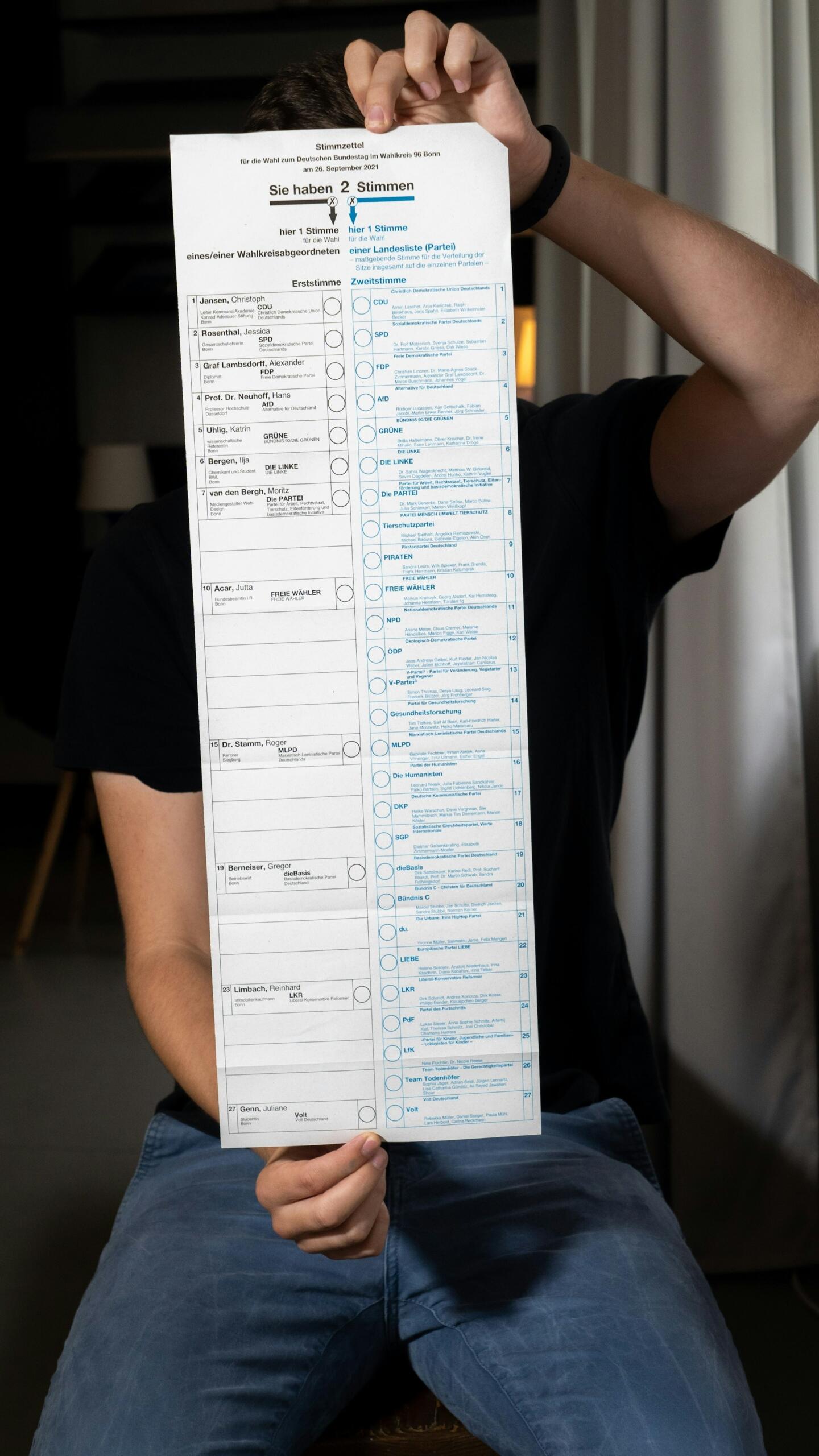
All of the candidates who are standing for election in the local area are listed on the ballot.
Once the voter has shown their ID and the election official verifies their voting eligibility, they step into the voting 'booth' to mark their ballot.
Though common elsewhere in the world, voters in the UK may not write anyone else's name on their ballot. Candidate write-ins will cause a ballot to be rejected. If none of the listed candidates appeal to you, you may leave your ballot blank.
Doing so doesn't mean you're wasting your vote. In fact, you're making an important statement, not the least of which is signalling your dissatisfaction with the current state of politics.
Data collectors and statisticians will note your preferences, using that information to shape future contests.
Are All Local Authorities the Same?
They are in the sense that their governing duties and responsibilities remain the same. However, England boasts four different types of local authorities1.
London borough councils are a page apart from all these. London's 32 borough councils provide services within Greater London, while the Greater London Authority manages housing, transport, and policing matters.
Major cities like Manchester allow several councils to pool their resources and powers for greater economic development and strategic planning. England has 17 such authorities.
Which Positions Are Elected During Council Elections?
Typically, council members are elected when citizens head to the local election polls. Each councillor represents a specific ward or division within their local authority area.
Six local areas also vote for their mayor.
This directly elected mayor holds executive power; they lead the council.
Five London boroughs and Watford are the six localities that follow this practice2.
Besides council members and local authority mayors, voters may also select Police and Crime Commissioners. This position isn't on every local area ballot, nor does it feature in every election.
Are Local Elections the Same Across the UK?
In many ways, they are the same, particularly in the sense that citizens have the right (and duty!) to choose their representatives. The votes get tallied in much the same way, no matter where they're counted, and the election commission certifies the results of every election. Beyond those similarities lie substantial differences.
The process for tallying votes remains the same, regardless of where in the UK the voting takes place. However, voting systems differ across the country.
A voting system is the set of rules and processes that determine an election's outcome. Across the UK, two voting systems dominate.
First Past the Post (FPTP)
- the candidate with the most votes wins
- discounts all the non-majority votes ballots
- used in general elections and local elections in England and Wales
Single Transferable Vote (STV)
- voters choose candidates by order of preference
- every ballot counts
- used in Scotland and Northern Ireland.
The STV voting system has garnered a lot of interest because, unlike FPTP voting, it accounts for every citizen's vote. As noted above, voters choose a number of candidates listed on their ballot. They rank them by order of preference: the number 1 candidate is the most preferred; #5 the least, for example.
Let's suppose my #1 candidate receives the lowest number of votes so, clearly, they won't win. Election officials then transfer my vote for that low-preference candidate to my #2, the next preferred candidate. They're not winning either, so my ballot advances to my #3 choice, who does win a majority of the vote.
Admittedly, FPTP is the more efficient voting system in larger elections, despite its flaws. However, STV voting accounts for every citizen's political preferences, even if their first choice of candidates doesn't win.
Starting with the May 2026 election cycle, the Welsh Parliament (Senedd Cymru) will use a closed list proportional voting system3. This system entails voters selecting a party, rather than individual candidates.
How Often Are Local Elections?
As noted in this article's introduction, local elections are generally held every four years. By law and by tradition, they take place on the first Thursday in May. However, elections' exact timing depends on several factors.
Besides this election schedule, councils may hold by-elections as the need arises. Those happen when a seat happens to vacate before the next scheduled election. The seat in question may be on the local council or at the national level, in Parliament.
With this information, we can pinpoint this year's local elections schedule. Mark your calendar for May 7, 2026, and be sure to check if your voter registration is current before heading to the polls!
What Does the Local Council Do?
Government should be invisible unless a real problem needs solving.
Dick Lyles, journalist
Lots of people ask, "What does the local council do?", even those living within councils. That's a sign that their local government operation is working as designed. Unfortunately, councils' mandate is so broad4 that something - or several things - are bound to go awry in any of these fields.
Funding for all this and other council responsibilities comes in part from your tax monies5. The UK government grants councils an allotment, as well. Any fees you pay for parking or using leisure facilities go towards funding council operations, too.
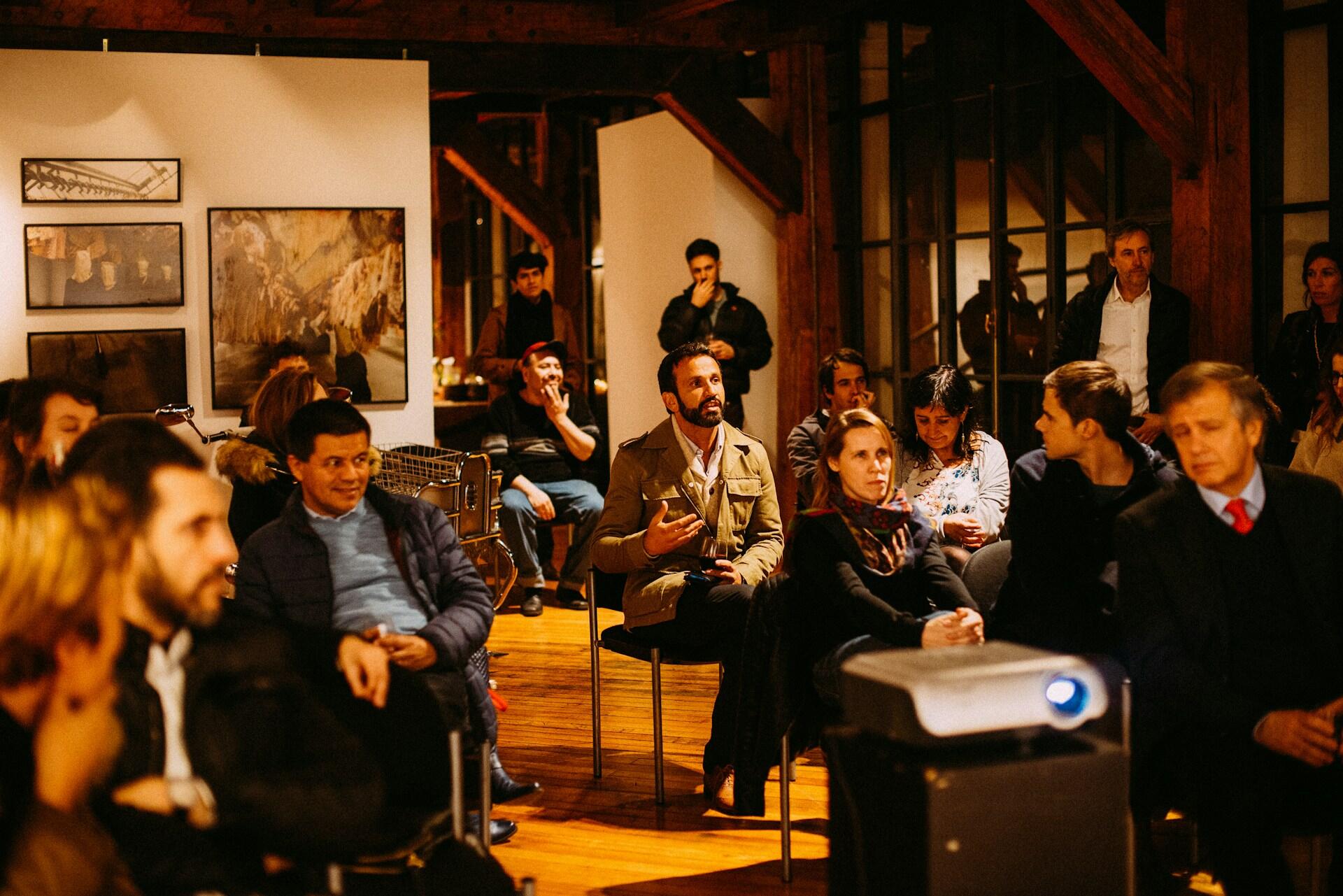
What Powers Do Local Councils Have?
With all that councillors have to take care of, you might think that their powers must be broad. In fact, what councils may do is defined by two legal standards.
The Localism Act 2011
- a parliamentary act that devolves central government powers to local authorities
- it empowers local councils to act in their citizens' best interests6.
General Power of Competence (2012)
Grants eligible councils and parishes authority to act, provided said action does not break any laws.
In essence, those two pieces of legislation represent the retreat of 'big government'. And rightly so! Who knows better what a local area needs than its citizens and the governments they elect? So, councils have broad powers to decide what's best for the local community, regardless of more far-reaching plans Parliament may have for the country.
In light of that, it seems that local council elections should perhaps take place more often. But then, it may well take a new councillor four years to get into the rhythm of local governance and understand the job. This is precisely why local elections are vital; we need local-level representatives making the decisions that affect our lives7.
Learn More About UK Local Councils
- “UK Local Government Structure - All You Need to Know.” Politics.co.uk, www.politics.co.uk/reference/local-government-structure/. Accessed 22 Mar. 2026.
- “Local Government Elections | Local Government Association.” Www.local.gov.uk, www.local.gov.uk/about/our-meetings-and-leadership/political-composition/local-government-elections. Accessed 22 Mar. 2026.
- Shuttleworth, Kelly. “Electoral Systems across the UK.” Institute for Government, 27 Feb. 2020, www.instituteforgovernment.org.uk/explainer/electoral-systems-across-uk. Accessed 23 Mar. 2026.
- Local Government Association. “An Introduction to Local Government | Local Government Association.” Www.local.gov.uk, 2025, www.local.gov.uk/our-support/councillor-and-officer-development/councillor-hub/introduction-local-government. Accessed 23 Mar. 2026.
- Studdert, Jessica. “Local Government Explained Part 3: How Are Councils Funded?” New Local, 23 July 2021, www.newlocal.org.uk/articles/council-finance-explained/. Accessed 23 Mar. 2026.
- Garbett, Ben. “Localism Act 2011.” Keystone, 2025, keystonelaw.com/keynotes/localism-act-2011/. Accessed 23 Mar. 2026.
- Watkins, Heather. “Local Elections Are about the Most Important Issues Affecting Our Daily Lives – so Why Do They Always Become a Referendum on the Prime Minister?” The Conversation, 6 May 2022, theconversation.com/local-elections-are-about-the-most-important-issues-affecting-our-daily-lives-so-why-do-they-always-become-a-referendum-on-the-prime-minister-182552. Accessed 23 Mar. 2026.
Summarise with AI:
Did you like this article? Leave a rating!

 Loading...