
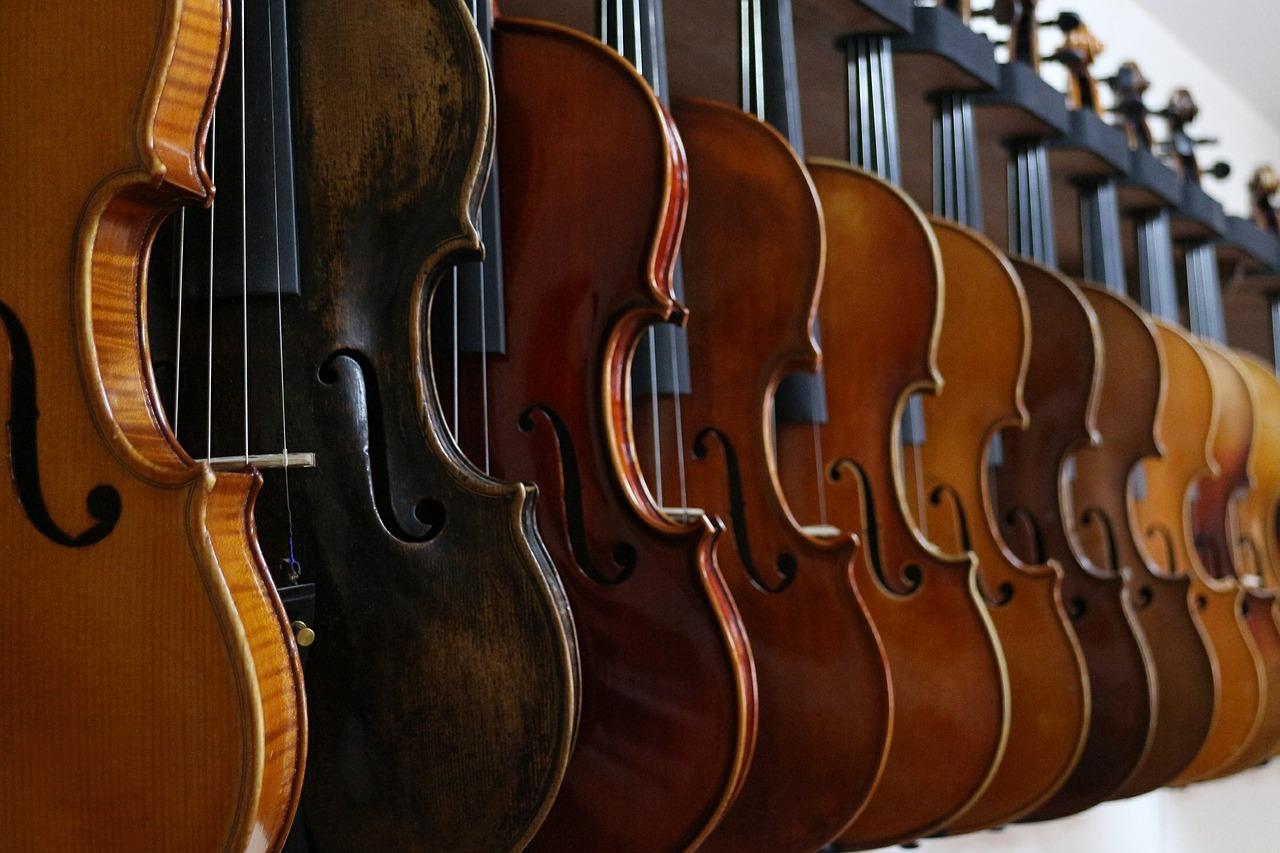

Violins have played a major role in musical culture for countless centuries, travelling from candlelit courts and packed folk halls to today's modern concert stages and massive world arenas. However, what most people don't know is that there is more than one type of violin on the market - each designed for a particular sound, style, or playing situation. Since the violin's inception, violin makers the world over have experimented with its materials and features, giving rise to a surprisingly diverse family of violin variants. Trying to decide which type of violin is right for you? This article will help you understand the main types and which one will suit your goals as a player best. If you'd like hands-on guidance as you explore these instruments, you can also consider violin lessons.
| Violin Type 🎻 | Defining Features 🔧 | Typical Uses / Genres 🎶 | Notable Points ⭐ |
|---|---|---|---|
| Modern Acoustic Violin | Spruce top, maple back/sides, ebony fingerboard; four strings (G–E) | Classical, orchestral, chamber, film, contemporary styles | Standard instrument; responsive tone; Stradivarius-inspired models |
| Baroque Violin | Lighter build, shorter fingerboard, gut strings, low-tension setup | Historically informed performance, early music ensembles, film | Played without chin rest; gentler voice; suited for ornamented style |
| Electric Violin | Solid or partially hollow body; uses pickups + amplifier | Pop, rock, jazz, fusion, amplified live settings | Effects-friendly; silent practice with headphones |
| Five-String Violin | Standard violin with added C string; slightly wider neck | Folk, jazz, bluegrass, crossover, touring ensembles | Extended range into viola territory; improvisation-friendly |
| Hardanger Fiddle | Norwegian folk violin with additional sympathetic strings | Scandinavian folk, dance music, traditional ceremonies | Decorative designs; scordatura tunings; shimmering sound |
| Stroh Violin | Metal resonator + horn instead of wooden body | Early recording, vintage/period performance | Designed for projection before microphones |
| Kit (Pochette) Violin | Very small, narrow 'pocket' violin | Historical dance instruction, theatre musicians | Ultra-portable; used by travelling performers |
| Semi-Acoustic Violin | Acoustic body with built-in electronics | Gigging, hybrid acoustic–electric settings | Can be played unplugged or amplified |


The Modern Violin
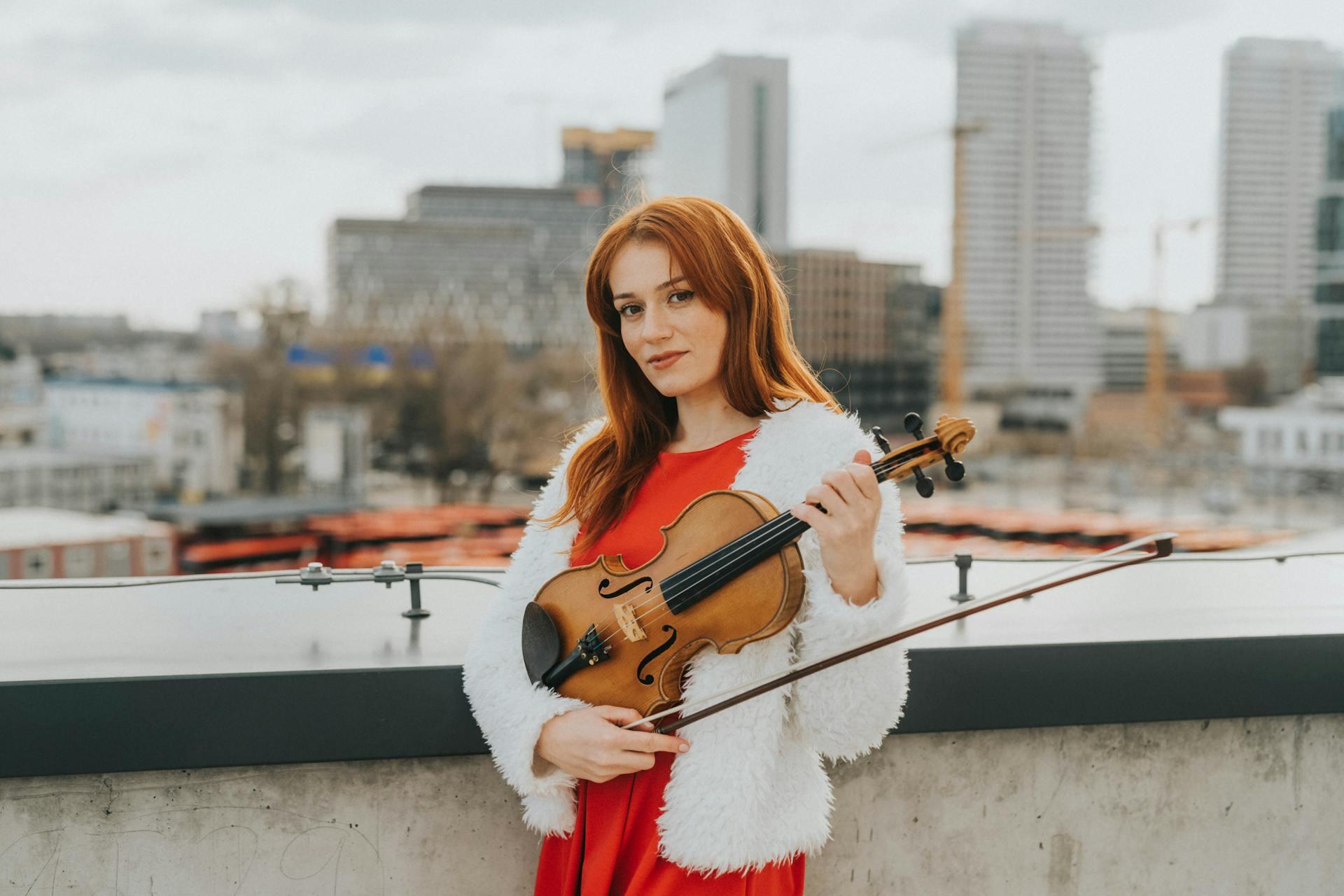
The modern violin is the version most people recognise today, commonly being heard in everything from symphony orchestras, chamber groups, film scores, and countless contemporary styles.
The modern violin's design has remained largely unchanged since the eighteenth century, and for good reason - the combination of a spruce top, maple back and sides, and an ebony fingerboard creates a tone that feels responsive under the bow and carries well in almost any musical setting. Violins also require a lot of care to stay in tip-top shape.
Stradivarius violin copies are popular when it comes to professional violin music. These violins are modelled on the famous instruments crafted by Antonio Stradivari and his family centuries ago, with the aim of recreating the timbre and resonance of the original instruments.
The Baroque Violin
The Baroque Violin is essentially an earlier version of the instrument. Used by famous composers throughout history, like Bach, Vivaldi, Corelli, and Handel, this version of the violin features a lighter build, a shorter fingerboard, and gut strings instead of the synthetic or steel ones found in the modern version.1
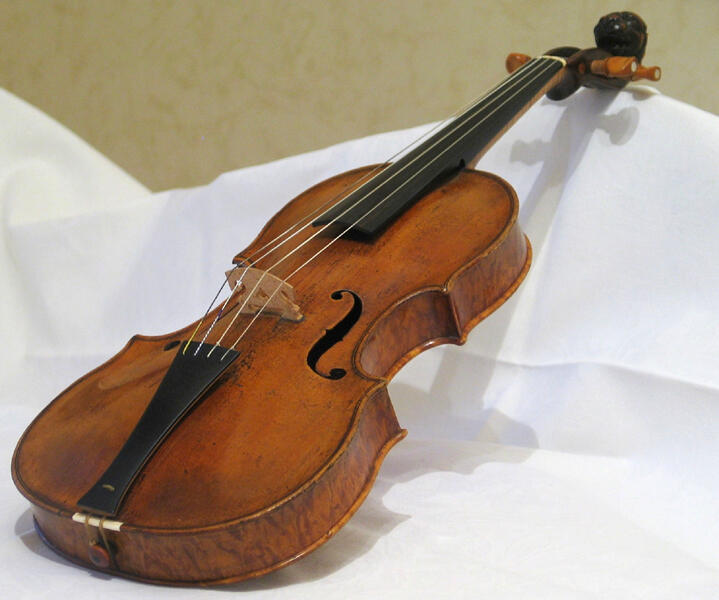
In music history, the term baroque refers to a period roughly spanning the 1600s to the mid-1700s, when many famous composers were active. Instruments from this era were made to suit the style of the time - using lower tension, a flatter bridge, and an older style of bow. Combined, these features give the baroque violin a much gentler/flexible voice in comparison to its modern cousin
The Electric Violin
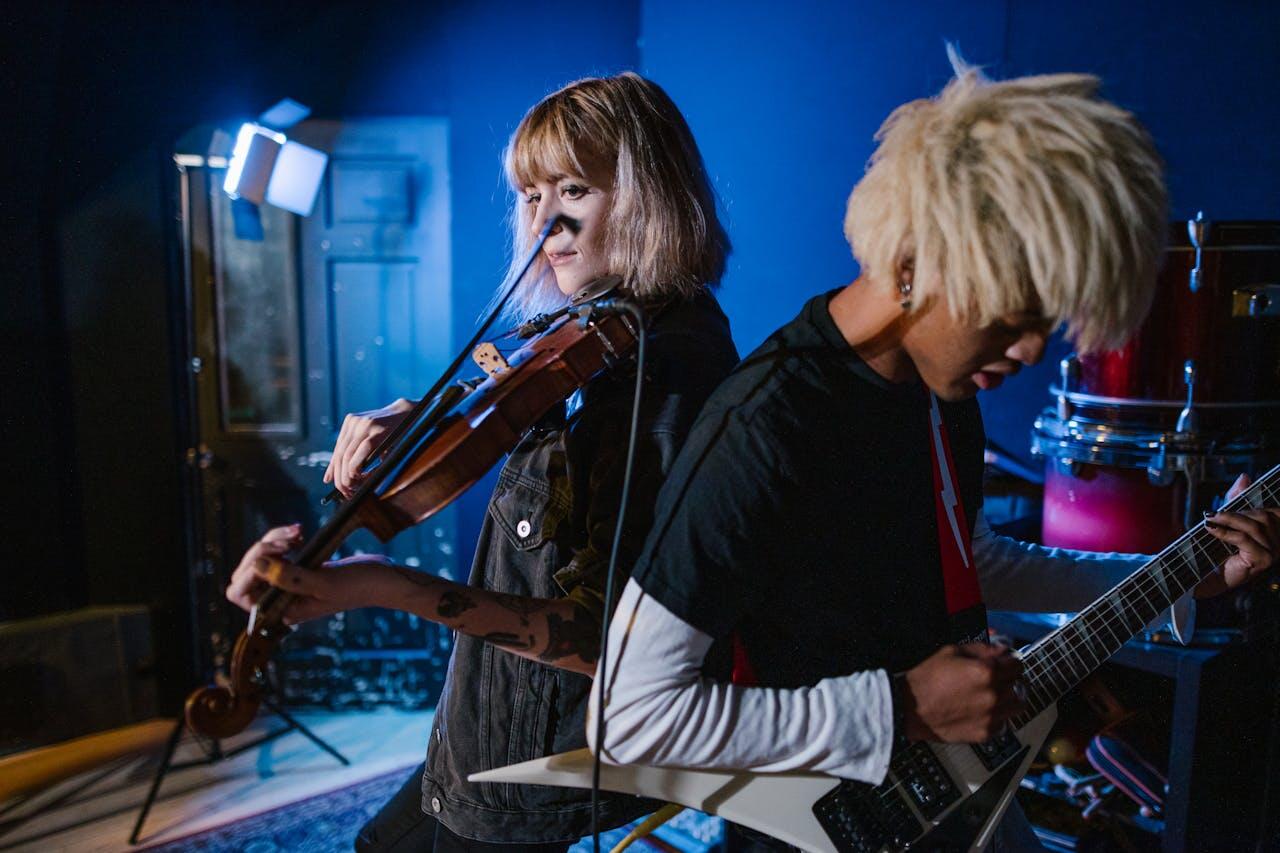
Instead of relying on a hollow wooden body to project its sound, the electric violin uses a pickup that sends the vibrations of the strings straight into the amp. Makers also have far more freedom with how the instrument looks, too. For example, some electric violins resemble a modern violin while others come in various striking shapes and colours.
Generally, the electric violin is a bit more versatile than the modern version. First, there's the volume. By using the amp, players can play in loud settings like weddings and outdoor stages without worrying about being drowned out. Likewise, reverb, delay, distortion, and looping can all be added to the electric violin - sounds you'd never be able to get from the acoustic version.
What Are The Most Popular Electric Violin Models?
Thinking about picking up an electric violin yourself? Here's our top list of models.
- Yamaha Silent Series - a go-to choice for students and gigging players. Their SV and YEV lines offer reliable tuning, comfortable playability and very usable headphone/silent practice options
- Fender Electric Violins - known for their rock-oriented styling and straightforward controls, Fender models appeal to players who want a familiar “guitar-brand” aesthetic with solid amplified tone at a mid-range price point
- NS Design Violins - designed by Ned Steinberger, these instruments are praised for ergonomic bodies, powerful onboard preamps, and highly controllable tone and are popular with serious performers the world over
- Stagg Electric Violins - a budget-friendly option aimed at beginners and casual players who want to explore electric violin without a large investment.
It’s easy to spot that there is a significant difference in the pricing of violins from certain brands. If you're comparing local options before you commit to a purchase, violin lessons can also help you get a clearer sense of what sound and setup suits you.
The Five-String Violin
The five-string is a more modern twist on the standard acoustic model. It was created to give players a wider musical range. All in all, it looks virtually identical to a normal violin: just with that added extra string in tow. That being said, the neck is a touch wider to fit the extra string. Renting or buying a violin of the right size is the first and most important step to learning to play the violin.

The extra C string gives players access to notes normally only found on the viola (another type of instrument, similar to a violin). This allows musicians to move into a deeper, fuller register whenever the music calls for it.2
The Hardanger Fiddle
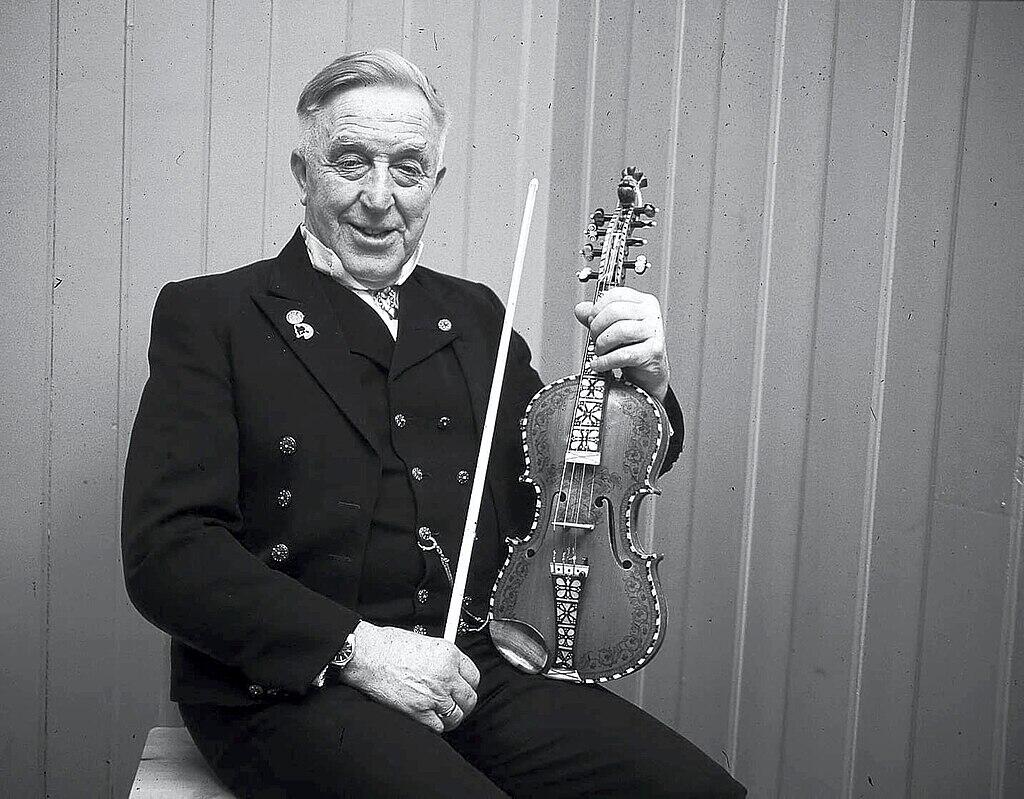
Hailing from Norway, the Hardanger fiddle is a very distinctive member of the violin family. While it resembles the normal violin, the sound it produces has a shimmering, echo-like quality due to a hidden set of extra strings underneath the main four.
The Hardanger fiddle has deep roots in Norwegian folk culture, especially in areas such as Hardanger (where it got its name) and Telemark. For centuries, it has been used in dance tunes, wedding music, and local events and celebrations across the country.3
Other Notable Violin Variants
Innovation has always walked beside tradition. The violin will keep its soul, even as new forms and sounds appear around it
Yehudi Menuhin
Not every violin fits neatly into the usual acoustic electric five-string set-up. Over the last century or so, several unusual designs have popped up - usually in a bid to fill a certain specific musical need or performance situation. Let's take a look at them below. If you're curious about trying out these sounds in person, you can find violin lessons with tutors who can help you explore different styles.
Stroh Violin
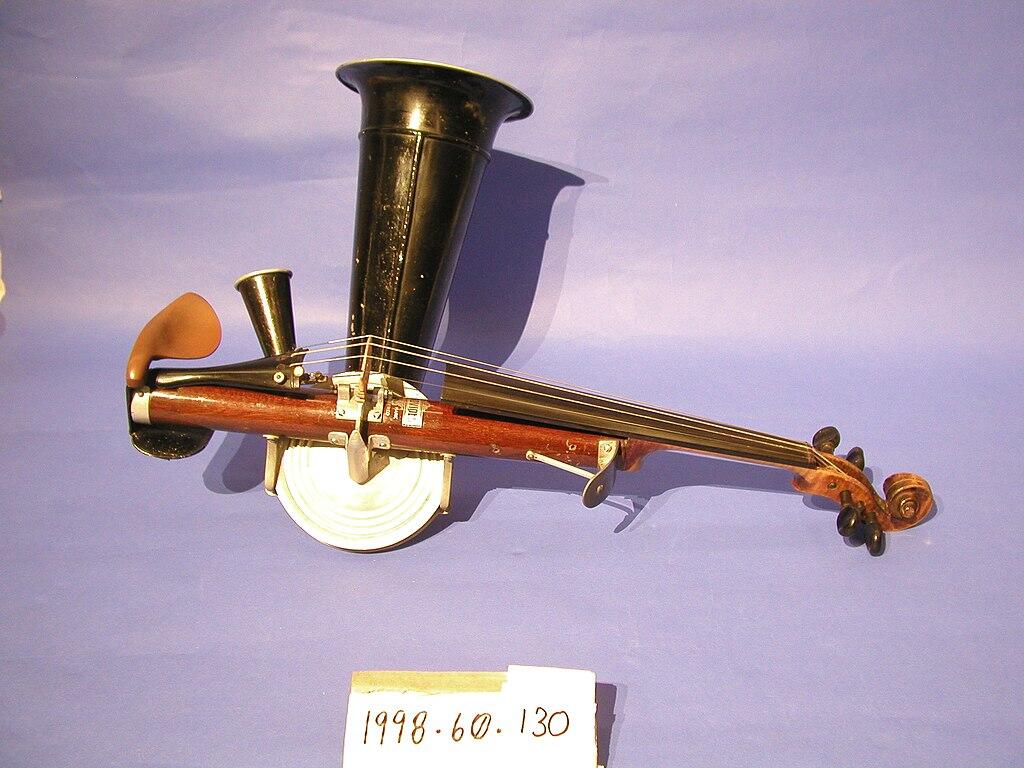
The Stroh violin is an eye-catching example of early sound amplification. Instead of using a wooden body to project its tone, it relies on a metal resonator and a horn - almost like a gramophone. Before microphones were a thing, these violins were very popular with early recording studios.
Kit (or Pochette) Violin
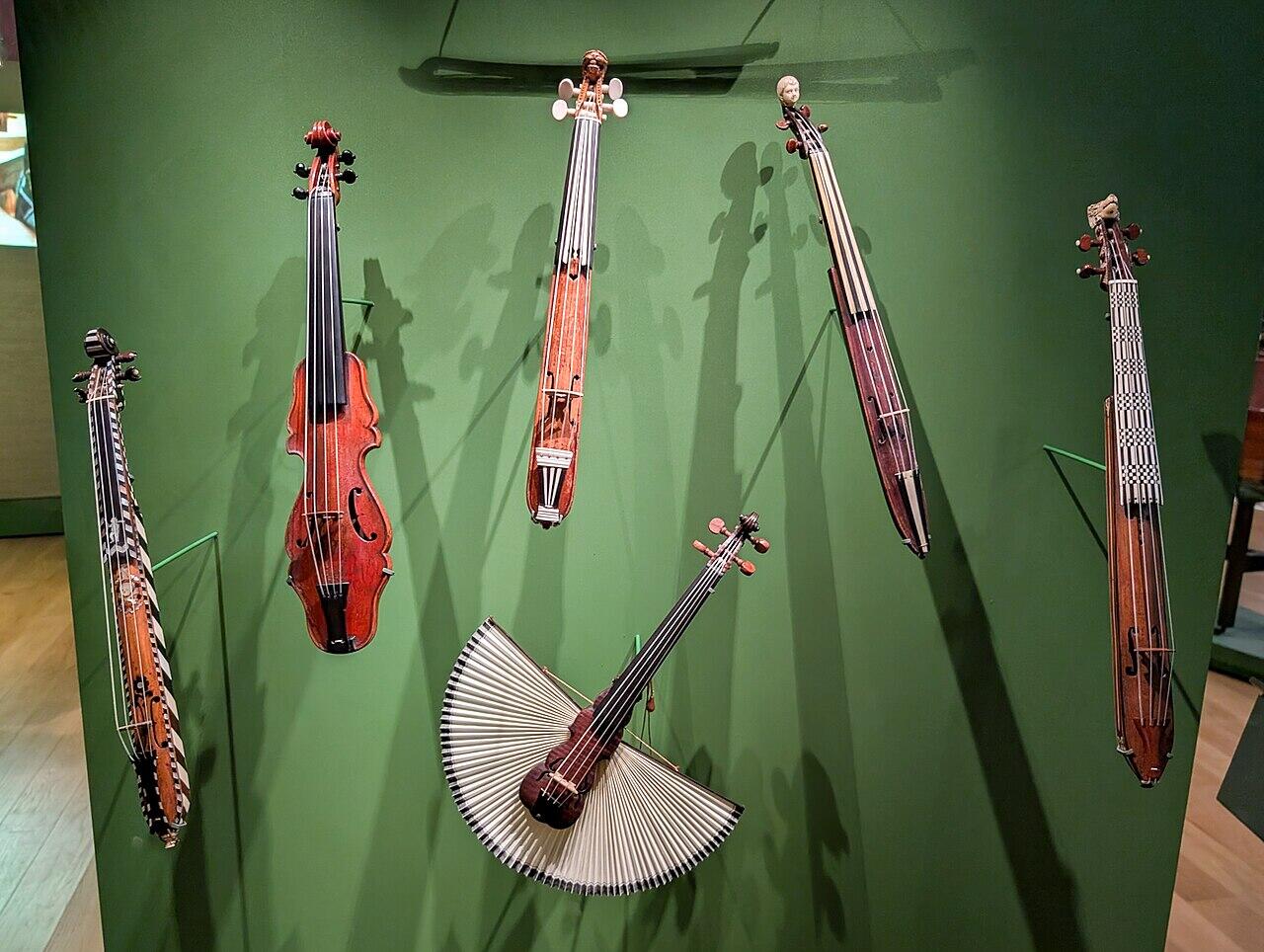
The Kit violin is a tiny, narrow instrument that travelling musicians used several centuries ago. Dance masters and theatre performers of the time period carried it with them because it fit easily into a coat pocket or small travelling case. If you're based in the South West and want to build strong technique on any violin size, violin lessons can help you progress faster with expert feedback.
Semi-Acoustic Violin
Lastly, the semi-acoustic violin sits somewhere between an acoustic and an electric instrument. More often than not, it can be played without an amp, but it also includes built-in electronics which allow musicians to plug in when they require extra volume.
References
- Violin (Baroque) – Early Music Instrument database. (n.d.). https://caslabs.case.edu/medren/baroque-instruments/violin-baroque/
- 5 String violins: the black sheep of the family? (n.d.). Violinist.com. https://www.violinist.com/blog/tartini/200810/9235/
- Hardanger Fiddle - Norwegian - The Metropolitan Museum of Art. (n.d.). https://www.metmuseum.org/art/collection/search/505825
Summarise with AI:
Did you like this article? Leave a rating!

 Loading...
Great post about types of Violin. My name is Max Truluck, a violinist at the Royal Academy of Music in London, and I would like to introduce you to my platform: MusicalWorks.
MusicalWorks aims to connect musicians with opportunities in the classical music world. As a conservatory student, I see the challenges classical musicians face every day as they approach the start of their careers. The need for an efficient and comprehensive platform for managing their professional lives is apparent.