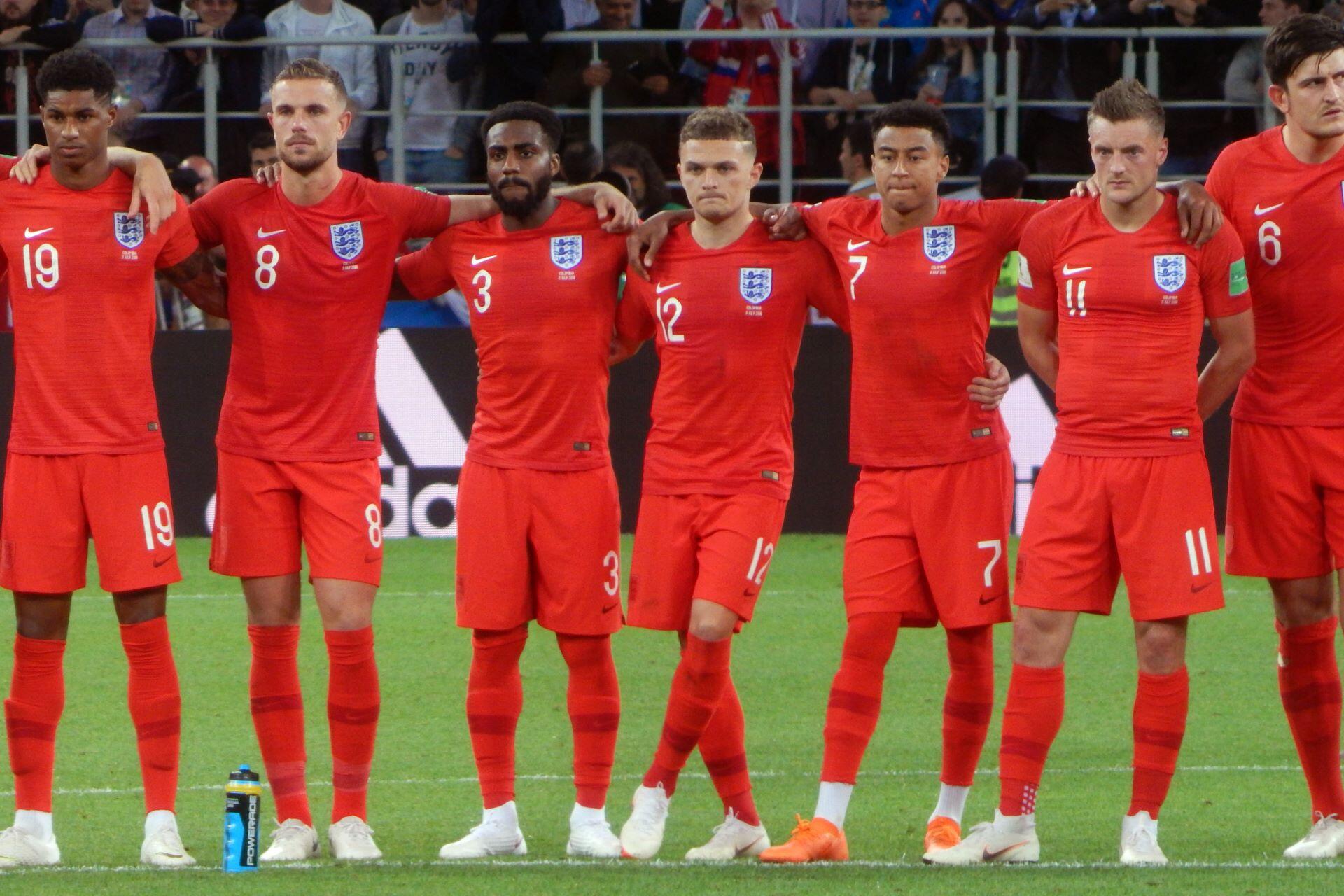

The England national football team, known as "The Three Lions," represents England in international men's football. Governed by The Football Association (FA), they have a storied history, including a World Cup victory in 1966 and recent strong performances in European Championships.
Key Takeaways
- The England national football team is one of the oldest national teams in football and played in the first official international match in 1872.²³
- England's greatest success came in 1966, when they won the FIFA World Cup at Wembley Stadium.¹
- The team continues to compete regularly in major tournaments, including the FIFA World Cup, UEFA European Championship, and UEFA Nations League.⁴
- Modern England squads feature players from top European clubs such as Harry Kane, Jude Bellingham, and Bukayo Saka.⁵
- England typically ranks among the top national teams in FIFA rankings, reflecting consistent qualification for major competitions.⁴


Historical Overview
In many ways, the history of the England national football team parallels that of international football. With football formalised in England and England being the "home of football", many of the international firsts were achieved by the England football team, and their first international match could be progenitor for the football World Cup. From early international fixtures to participation in modern global tournaments, the team has remained a significant presence in world football.²
The England national football team, governed by The Football Association (FA), represents England in international men's football competitions such as the FIFA World Cup, UEFA European Championship, and UEFA Nations League. The team played the first official international football match in 1872 against Scotland and remains one of the most historic teams in the sport. England's greatest success came in 1966, when they won the FIFA World Cup at Wembley Stadium. Known as "The Three Lions,"the team has produced legendary players and continues to compete among the top national teams in Europe and the world.
Early Years and Formation
1872
First Official International Match
England played Scotland in Glasgow in what is recognised as the first official international football match in history. The match finished in a 0–0 draw and marked the beginning of organised international football.²³
1883
First British Home Championship
England competed in the inaugural British Home Championship alongside Scotland, Wales, and Ireland. The tournament became the earliest regular international football competition.
1900s
Growth of International Football
As football expanded globally, England played more international matches against teams from outside the British Isles, helping establish the sport's international framework.
1930
First FIFA World Cup Era Begins
Although England did not enter the first FIFA World Cup, the tournament's creation marked the beginning of organised global football competition.
1950
First England World Cup Participation
England entered the FIFA World Cup for the first time in Brazil, marking the nation's official debut in the tournament.
Major Achievements
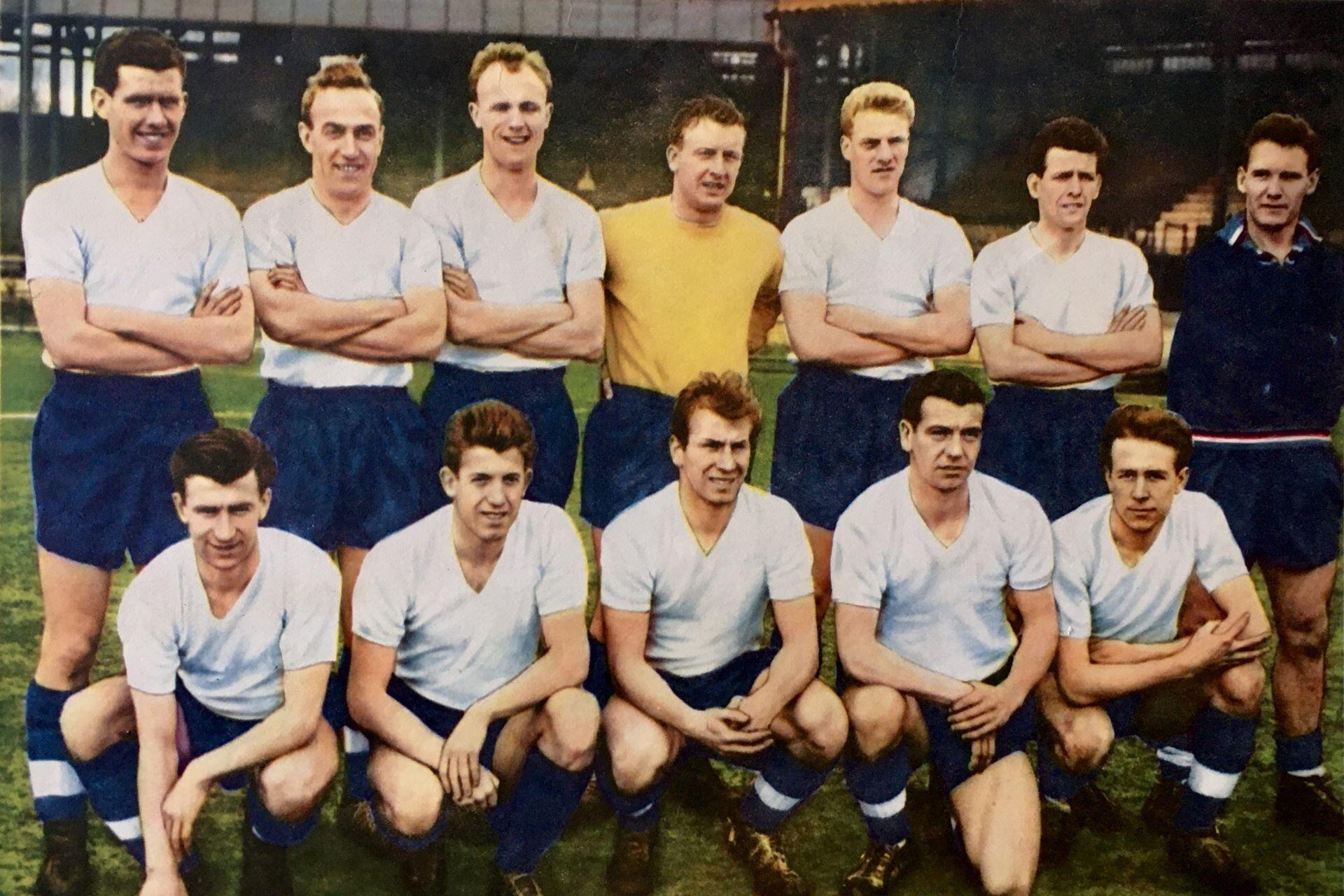
England won the FIFA World Cup on home soil, defeating West Germany 4–2 at Wembley Stadium in the final. Geoff Hurst scored a famous hat-trick.¹
England reached their first European Championship final but lost to Italy in a penalty shootout.
England reached the final again, demonstrating their continued strength in European football.
England has reached the semi-finals of the FIFA World Cup on several occasions, including in 1990 and 2018.
Enjoy England's only World Cup victory.
Team Composition
To be successful at an international level, football teams need talent and an organised and well-managed squad from the goalkeepers to the strikers. The England team has famously included the greatest footballers to compete in the strongest competitions, including the English Premier League. As always, England features a squad of players who combine individual skill with tactical discipline, selected to represent their country in international tournaments and qualification campaigns.⁵ However, throughout the history of the World Cup, England still remain one-time winners.
Current Squad
Harry Kane is the captain of the England national football team and one of the most prolific goal scorers in international football. Known for his finishing, leadership, and ability to score in major tournaments, Kane has been central to England's recent performances in the FIFA World Cup and UEFA European Championship.
Jude Bellingham has quickly become one of the most influential players in the England squad. His technical ability, energy, and leadership in midfield have made him a key part of the national team despite his young age.
Bukayo Saka is known for his pace, creativity, and ability to score crucial goals. The Arsenal winger has become one of England's most dangerous attacking players in international competitions.
Phil Foden provides creativity and technical skill in the England midfield. His ability to control the tempo of the game and create scoring opportunities makes him an important member of the squad.
Declan Rice plays a crucial role in protecting England's defence. Known for his tackling and positional awareness, he provides balance to the team during major tournaments.
John Stones is one of England's most experienced defenders. His composure on the ball and defensive organisation make him a key figure in the national team's back line.
Coaching Staff
Tuchel became the manager of the England national football team in 2026 and is responsible for tactics, squad selection, and tournament preparation.⁶
The FA governs the national team and oversees coaching staff, training facilities, and international competitions.⁴
The England coaching team includes analysts, medical staff, and performance specialists who prepare players for international matches.
Fixtures and Results
International football has a calendar different to that of club football. This calendar includes tournament qualifiers, competitive matches, and friendly fixtures. National teams can test strategies, evaluate player performance, and maintain match readiness between major tournaments, while their squads typically play club football on a more regular, standardised annual club calendar. England's schedule includes both competitive fixtures and preparation matches organised by FIFA and UEFA, meaning the top English managers are either in contention with the national side or vice versa.¹
Recent Matches
| Date | Opponent | Competition | Stadium | Result |
|---|---|---|---|---|
| 31 Mar 2026 | Japan | International Friendly | Wembley Stadium | England 0–1 Japan |
| 27 Mar 2026 | Uruguay | International Friendly | Wembley Stadium | England 1–1 Uruguay |
| 17 Nov 2025 | Albania | FIFA World Cup 2026 Qualifier | Arena Kombëtare | Albania 0–2 England |
| 13 Nov 2025 | Serbia | FIFA World Cup 2026 Qualifier | Wembley Stadium | England 2–0 Serbia |
Upcoming Fixtures
| Date | Opponent | Competition | Venue | Kick-Off |
|---|---|---|---|---|
| Jun 2026 | Croatia | FIFA World Cup 2026 Group Stage | Dallas, USA | TBC |
| Jun 2026 | Ghana | FIFA World Cup 2026 Group Stage | Kansas City, USA | TBC |
| Jun 2026 | Panama | FIFA World Cup 2026 Group Stage | Orlando, USA | TBC |
Home Stadium
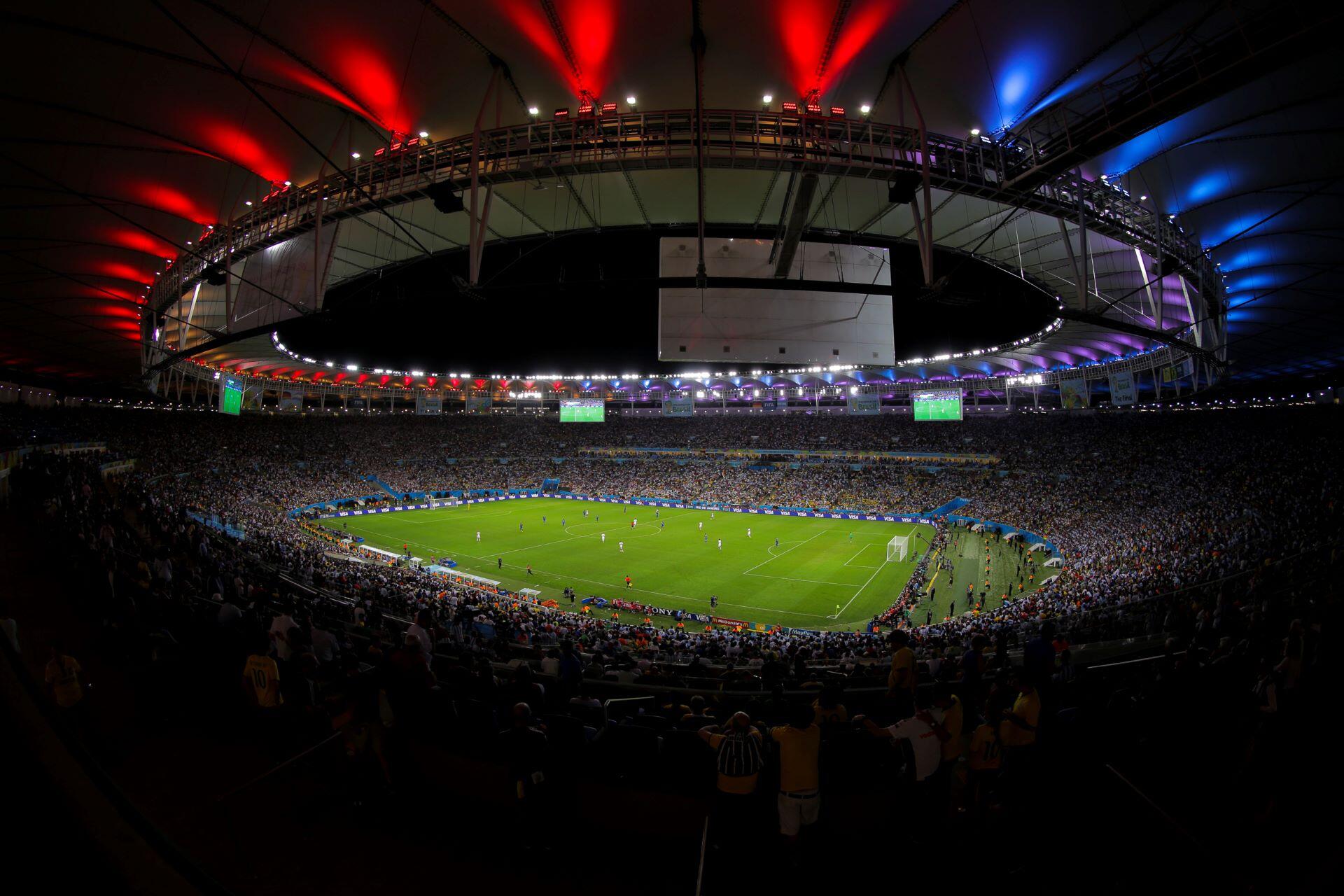
England's national stadium is the home of English football. It's the symbol of the country's football identity, though it should be noted that the top football teams in the UK play across four footballing systems in England, Scotland, Wales, and Northern Ireland, not as a UK team. Wembley Stadium is the central location for international fixtures and major football events. Throughout its history, the stadium has hosted some of the most memorable matches in English football, and it continues to be associated with the national team's biggest occasions.⁴ In addition to football, it also hosts concerts and other major events.
Wembley Stadium
Tournament Participation
England regularly competes in competitions. These competitions are organised by FIFA and UEFA, with England either facing teams from around the world or European teams for regional competitions. In these tournaments, England often faces strong opposition and, unfortunately, ultimately leaves disappointed. However, in international competitions like the Euros and the Women's World Cup, the women's team, the Lionesses, have been quite impressive recently, having reached the final and won two Euros consecutively.
FIFA World Cup
For families inspired by the national side, options such as kids football training near me can be a practical way to build skills and confidence from an early age.
1966
Champions
England won the FIFA World Cup at Wembley Stadium, defeating West Germany 4–2 in the final.¹
1990
Semi-Finalists
England reached the semi-finals in Italy but lost to West Germany in a penalty shootout.
2018
Semi-Finalists
England reached the semi-finals in Russia, their best performance in decades.
UEFA European Championship
1996
Semi-Finalists
England hosted UEFA Euro 1996 and reached the semi-final stage.
2020
Runners-Up
England reached their first European Championship final but lost to Italy.
2024
Runners-Up
England reached the final again, confirming their status as one of Europe's strongest national teams.
UEFA Nations League
The UEFA Nations League was introduced in 2018 to replace many international friendlies.
National teams compete in divisions based on their rankings.
England regularly competes in Europe's top division against the continent's strongest teams.
Rankings and Statistics
FIFA uses a ranking system and records to compare teams. You can use these rankings to measure a team's performance and understand how it will be placed in qualifying matches and other tournaments. England regularly ranks highly but rarely claims major tournament victories.
FIFA Rankings
FIFA rankings measure the strength of national teams based on results and tournament performance.
England frequently ranks among the top ten national teams in the world.⁴
FIFA rankings influence seedings in international competitions.
Team Records
| Record | Player/Team | Statistic |
|---|---|---|
| Most Caps | Peter Shilton | 125 caps |
| Top Goalscorer | Harry Kane | 60+ goals |
| Youngest Player | Theo Walcott | 17 years |
| Largest Victory | England vs Ireland | 13–0 (1882) |
| World Cup Titles | England | 1 (1966) |
References
- BBC Sport. England Men's Football Team Fixtures and Results.https://www.bbc.com/sport/football/teams/england/scores-fixtures Accessed 6 Apr. 2026.
- National Football Museum. England v Scotland, 1872: The World's First International.https://nationalfootballmuseum.com/stories/worlds-first-international/ Accessed 6 Apr. 2026.
- Scottish Football Association. The First Men's International.https://150.scottishfa.co.uk/classic-moments/scotland-internationals/the-first-mens-international-1872/ Accessed 6 Apr. 2026.
- The Football Association. England Men's Senior Team.https://www.englandfootball.com/england/mens-senior-team Accessed 6 Apr. 2026.
- The Football Association. England Men's Senior Team Squad.https://www.englandfootball.com/england/mens-senior-team/squad Accessed 6 Apr. 2026.
- The Football Association. Thomas Tuchel: England Men's Senior Team Head Coach.https://www.englandfootball.com/england/mens-senior-team/squad/thomas-tuchel Accessed 6 Apr. 2026.
Summarise with AI:
Did you like this article? Leave a rating!

 Loading...