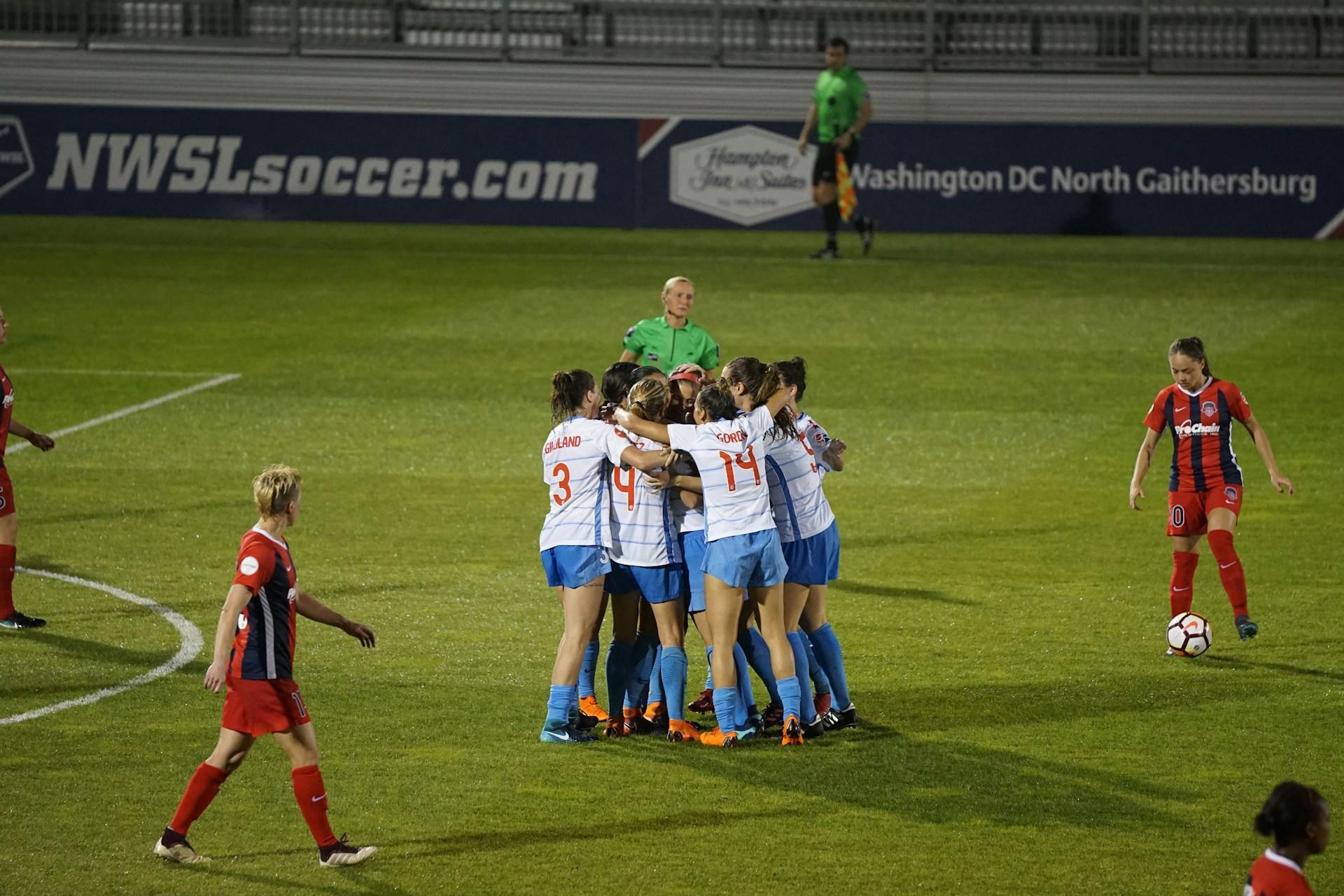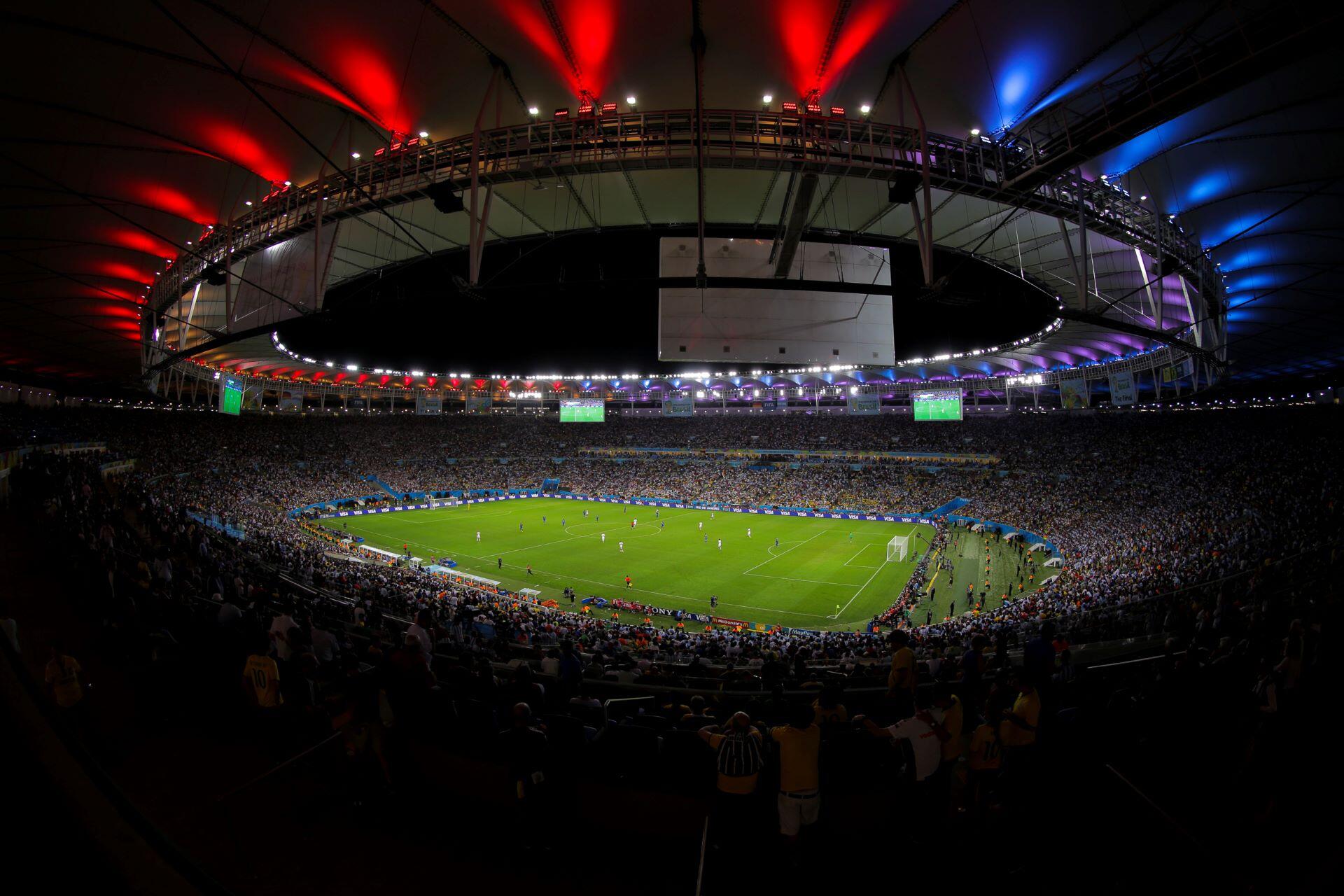
The FIFA World Cup is the most prestigious tournament in international football. It's held every four years. The tournament is now a global event followed by billions of fans. FIFA also organises other international competitions such as the FIFA Club World Cup, which features champion clubs from each confederation.⁵ New to the tournament or need a refresher? Here's what you need to know.

Key Takeaways

  • The FIFA World Cup is the biggest international football tournament, held every four years.
  • The competition began in 1930 and has grown from 13 teams to a modern global event.
  • National teams qualify through regional tournaments organised by FIFA confederations.
  • The final tournament includes group matches followed by knockout rounds to determine the champion.
  • Historic matches, legendary players, and dramatic finals have shaped the World Cup's global legacy.
The best Football tutors available
Roberto
5
5 (30 reviews)
Roberto
£65
/h
Gift icon
1st lesson free!
Juan
5
5 (36 reviews)
Juan
£80
/h
Gift icon
1st lesson free!
Alfie
5
5 (38 reviews)
Alfie
£60
/h
Gift icon
1st lesson free!
Nasim
5
5 (17 reviews)
Nasim
£60
/h
Gift icon
1st lesson free!
Nuno
5
5 (16 reviews)
Nuno
£60
/h
Gift icon
1st lesson free!
Ashley
5
5 (14 reviews)
Ashley
£30
/h
Gift icon
1st lesson free!
Benjamin
5
5 (16 reviews)
Benjamin
£50
/h
Gift icon
1st lesson free!
Fahed
5
5 (10 reviews)
Fahed
£100
/h
Gift icon
1st lesson free!
Roberto
5
5 (30 reviews)
Roberto
£65
/h
Gift icon
1st lesson free!
Juan
5
5 (36 reviews)
Juan
£80
/h
Gift icon
1st lesson free!
Alfie
5
5 (38 reviews)
Alfie
£60
/h
Gift icon
1st lesson free!
Nasim
5
5 (17 reviews)
Nasim
£60
/h
Gift icon
1st lesson free!
Nuno
5
5 (16 reviews)
Nuno
£60
/h
Gift icon
1st lesson free!
Ashley
5
5 (14 reviews)
Ashley
£30
/h
Gift icon
1st lesson free!
Benjamin
5
5 (16 reviews)
Benjamin
£50
/h
Gift icon
1st lesson free!
Fahed
5
5 (10 reviews)
Fahed
£100
/h
Gift icon
1st lesson free!
Let's go

A Brief History of the FIFA World Cup

The FIFA World Cup Started in 1930. The first tournament was in Uruguay.³ Over the next century, the tournament grew and grew, becoming the most important event in international football and attracting teams and supporters from around the world.² While there have been many changes during the history of the World Cup, it's still fundamentally a tournament to find the world's best footballing nation.

The Origins of the FIFA World Cup in 1930

The first FIFA World Cup was held in Uruguay in 1930.
13 national teams participated in the inaugural tournament.
Uruguay defeated Argentina 4–2 in the final.
Matches were played primarily in Montevideo, including Estadio Centenario.
Established the four-year tournament cycle still used today.

Expansion of the Tournament and the Growth of FIFA World Cup Games

Tournament expanded to 16 teams between 1954 and 1978.
Expanded again to 24 teams in 1982.
Modern 32-team format introduced in 1998.
Qualification tournaments now involve over 200 FIFA member nations.
48-team format scheduled to debut in 2026.

Legendary Players, Nations, and Historic Finals

These moments highlight sporting excellence and contribute the World Cup experience for generations of fans.⁶
Historical rankings of national team performances across tournaments also illustrate the long-term dominance of several footballing nations.⁷
Germany and Italy each have four titles.
Legendary players include Pelé, Diego Maradona, and Lionel Messi.
Famous finals include Brazil vs Italy (1970) and France vs Brazil (1998).
Historic matches helped define the tournament's global reputation.

1930

First FIFA World Cup

The inaugural FIFA World Cup takes place in Uruguay, with 13 teams participating. The host nation wins the first title after defeating Argentina in the final.

1950

Brazil Hosts a Historic Tournament

The World Cup returns after a 12-year pause due to World War II. Uruguay defeats Brazil in the decisive match at the Maracanã Stadium in one of the most famous upsets in football history.

1966

England Wins on Home Soil

England wins its first and only World Cup title at Wembley Stadium, defeating West Germany 4–2 in the final after extra time.

1998

Expansion to 32 Teams

The tournament expands to 32 teams for the first time. France wins the World Cup on home soil after defeating Brazil in the final.

2010

First World Cup in Africa

South Africa becomes the first African nation to host the FIFA World Cup, marking a major milestone in the tournament's global expansion.

2026

Expansion to 48 Teams

The FIFA World Cup will expand to 48 teams for the first time, reflecting the continued growth of international football.

Tournament Format and Qualification

The FIFA World Cup is the end of a global qualification process. National teams compete in regional qualifying tournaments organised by the regional or continental federations. Once teams qualify, they'll participate in the World Cup tournament, which involves group stages and then knockout rounds, the same format as the Women's World Cup.

EraNumber of TeamsTournament StructureNotable Change
193013Group stage followed by knockout roundsFirst FIFA World Cup held in Uruguay
1954–197816Group stage and knockout stageFormat stabilised with more global participation
1982–199424Group stage, second group phase, knockout roundsExpanded tournament size
1998–2022328 groups followed by knockout roundsModern format used for several decades
2026 onward48Expanded group stage followed by knockout roundsLargest World Cup format in history

How National Teams Qualify for the FIFA World Cup

Qualification tournaments organised through regional confederations.
Major confederations include UEFA, CONMEBOL, CAF, AFC, and CONCACAF.
Qualification competitions run for 2 to 3 years before the tournament.
Hundreds of international matches determine final qualifiers.
Host nations qualify automatically.

Group Stage Structure and Early Tournament Matches
Teams divided into groups of four nations.
Each team plays three group matches.
Teams earn three points for a win and one for a draw.
Top two teams in each group advance to knockout rounds.
Goal difference often determines qualification.
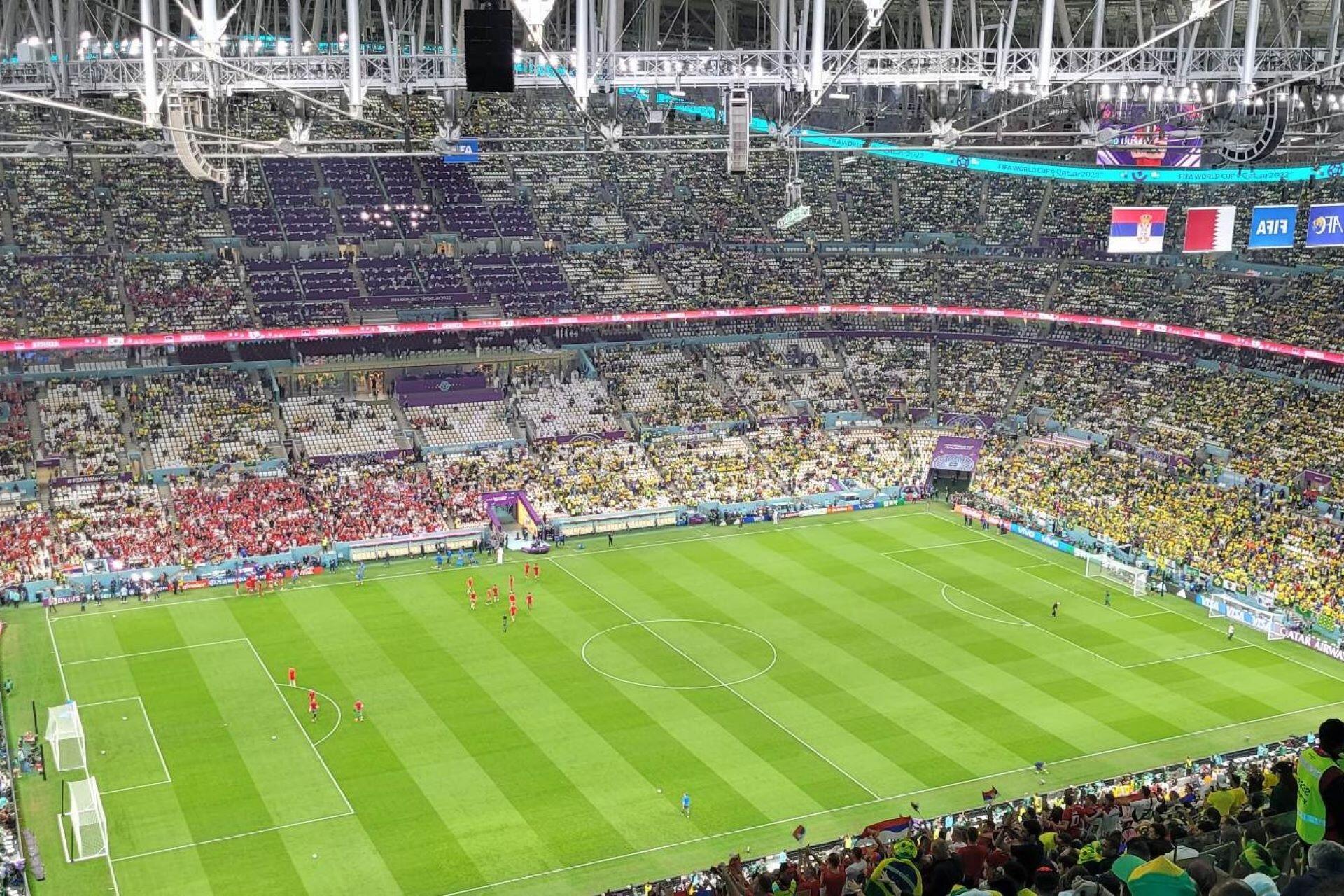
A packed stadium during a FIFA World Cup football match with fans filling the stands.
World Cup matches are played in some of the largest stadiums in the world and attract huge crowds. | Image by Adnen1985. Creative Commons Attribution-Share Alike 4.0 International license.

Knockout Rounds and the Road to the Final

Round of 16 determines quarter-finalists.
Quarter-finals reduce the field to four teams.
Semi-finals decide the finalists.
Third-place playoff determines bronze medal winner.
Final match crowns the FIFA World Cup champion.

How the Tournament Format Has Changed Over Time

Early tournaments featured as few as 13 teams.
Format stabilised with 16 teams for several decades.
32-team format introduced in 1998.
Expanded global participation increased competition.
48-team expansion for 2026.

Host Nations and Venues

Countries compete to host the World Cup through a bidding process. FIFA evaluates proposals based on stadium quality, infrastructure, transport systems, and the ability to organise a global sporting event.² This process has resulted in football being brought to iconic stadiums across several continents.

How FIFA Selects World Cup Host Nations

Nations submit formal bids to FIFA.
FIFA evaluates stadiums, infrastructure, and transport networks.
Security and organisational readiness are assessed.
Host nations must accommodate teams, media, and fans.
Final decision made through FIFA voting procedures.

Famous Stadiums in FIFA World Cup History

Maracanã Stadium (Brazil) hosted the famous 1950 final.
Wembley Stadium (England) hosted the 1966 final.
Estadio Azteca (Mexico) hosted two World Cup finals.
Soccer City Stadium (South Africa) hosted the 2010 final.
Lusail Stadium (Qatar) hosted the 2022 final.

Cultural Impact of Hosting the FIFA World Cup

Increased global visibility for the host nation.
National celebrations centred around football culture.
Infrastructure improvements in host cities.
Large-scale cultural festivals and fan events.
Significant boost to tourism during the tournament.
The best Football tutors available
Roberto
5
5 (30 reviews)
Roberto
£65
/h
Gift icon
1st lesson free!
Juan
5
5 (36 reviews)
Juan
£80
/h
Gift icon
1st lesson free!
Alfie
5
5 (38 reviews)
Alfie
£60
/h
Gift icon
1st lesson free!
Nasim
5
5 (17 reviews)
Nasim
£60
/h
Gift icon
1st lesson free!
Nuno
5
5 (16 reviews)
Nuno
£60
/h
Gift icon
1st lesson free!
Ashley
5
5 (14 reviews)
Ashley
£30
/h
Gift icon
1st lesson free!
Benjamin
5
5 (16 reviews)
Benjamin
£50
/h
Gift icon
1st lesson free!
Fahed
5
5 (10 reviews)
Fahed
£100
/h
Gift icon
1st lesson free!
Roberto
5
5 (30 reviews)
Roberto
£65
/h
Gift icon
1st lesson free!
Juan
5
5 (36 reviews)
Juan
£80
/h
Gift icon
1st lesson free!
Alfie
5
5 (38 reviews)
Alfie
£60
/h
Gift icon
1st lesson free!
Nasim
5
5 (17 reviews)
Nasim
£60
/h
Gift icon
1st lesson free!
Nuno
5
5 (16 reviews)
Nuno
£60
/h
Gift icon
1st lesson free!
Ashley
5
5 (14 reviews)
Ashley
£30
/h
Gift icon
1st lesson free!
Benjamin
5
5 (16 reviews)
Benjamin
£50
/h
Gift icon
1st lesson free!
Fahed
5
5 (10 reviews)
Fahed
£100
/h
Gift icon
1st lesson free!
Let's go

FIFA World Cup Culture and Fan Experience

The FIFA World Cup is often a great experience of football with supporters from many nations. Fans travel to attend World Cup games, with the football often being the centre of the event. The tournament has also become a major cultural event, combining football, music, ceremonies, and fan festivals that reflect the spirit of the host nation and the sport's worldwide appeal.²
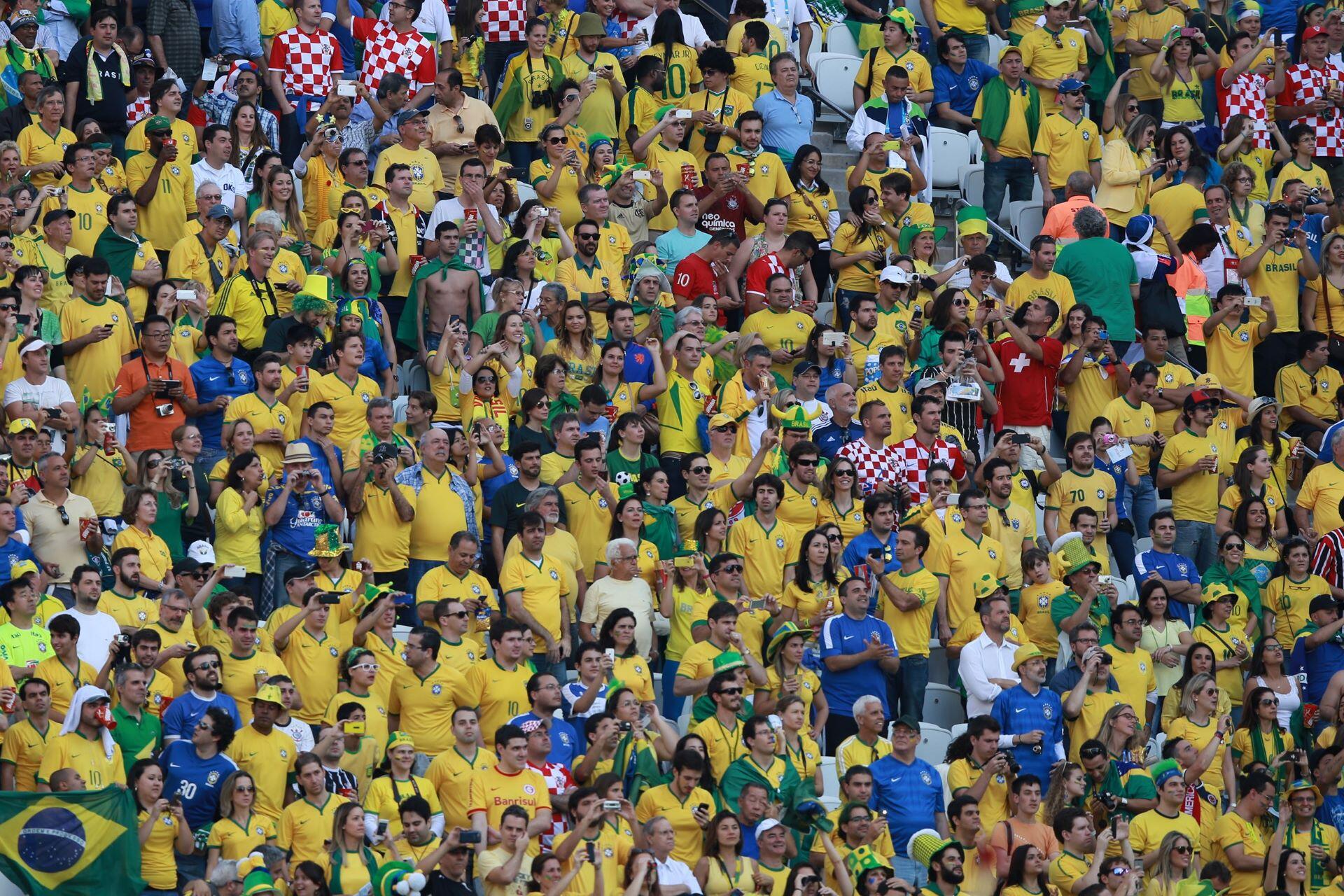
Brazil supporters wearing yellow shirts cheering during a FIFA World Cup match.
Fans from around the world travel to support their national teams during the FIFA World Cup. | Image by Danilo Borges/Portal da Copa. Creative Commons Attribution 3.0 Brazil license.

Opening Ceremonies and Global Celebrations
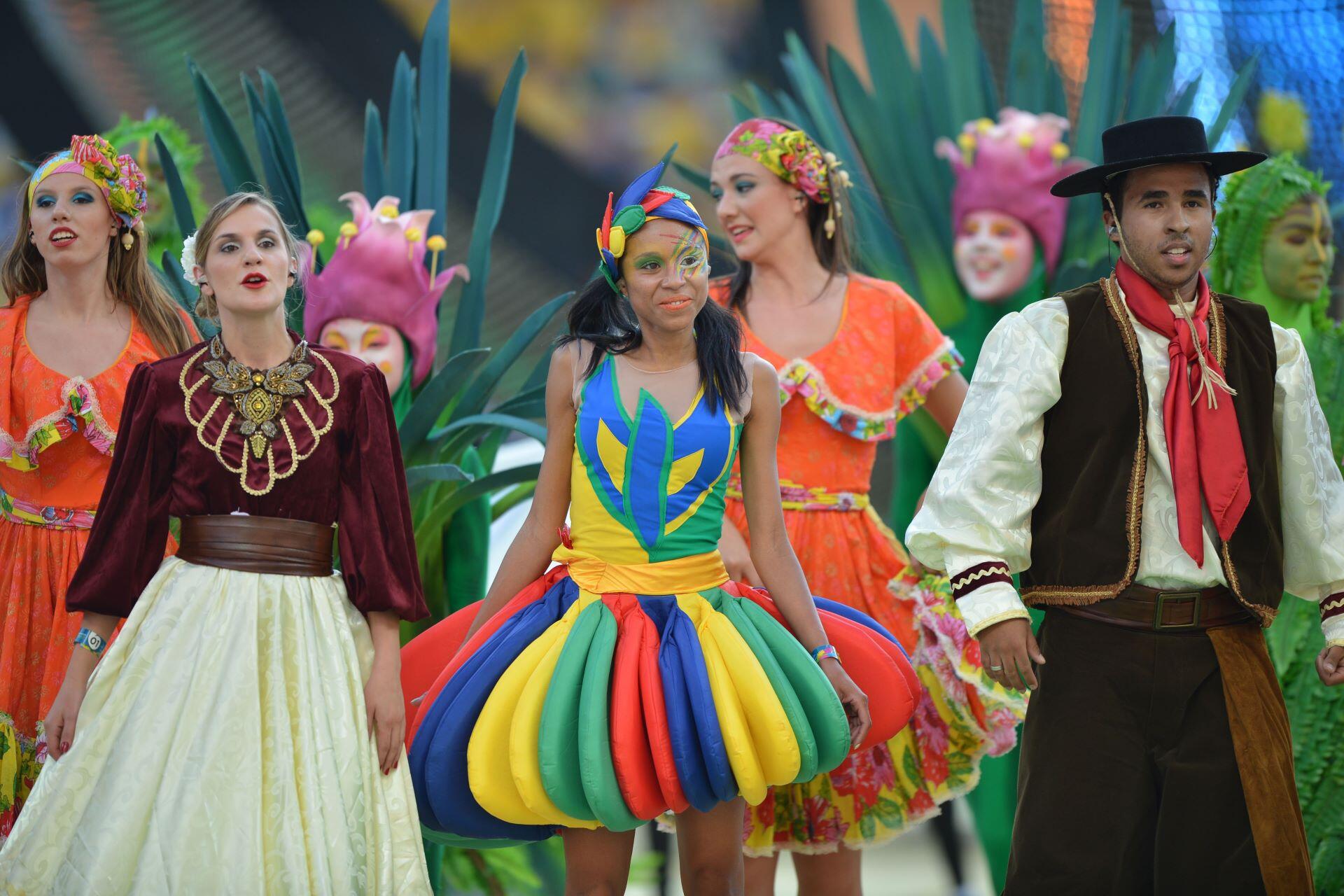
Opening ceremonies showcase host nation culture.
Performances often feature music and national traditions.
Massive crowds gather in stadiums and fan zones.
Global television audiences watch the opening match.
Celebrations continue throughout the tournament.
Performers in colourful costumes during the opening ceremony of the 2014 FIFA World Cup in Brazil.
World Cup opening ceremonies showcase the host nation's culture before the tournament begins. | Image by Agência Brasil. Creative Commons Attribution 3.0 Brazil license.

Official Symbols: Mascots, Songs, and Match Balls

Official mascots represent host nation culture.
Each tournament features a unique official match ball.
Official songs promote the global event.
Branding used across stadiums and media coverage.
Symbols become iconic elements of tournament history.

Tips for Fans Attending FIFA World Cup Games

Purchase tickets through official FIFA platforms.
Explore fan zones and cultural events in host cities.
Book accommodation early due to high demand.
Arrive early to enjoy pre-match stadium atmosphere.
Respect local customs and international supporters.

Legendary Moments and Records

The FIFA World Cup produces unforgettable, wonderful, and heartbreaking moments, especially for fans of the England football team. There've been iconic matches, dramatic finals, records broken, and incredible team and individual performances. These moments highlight sporting excellence and contribute to the World Cup experience for generations of fans.⁶

beenhere
FIFA World Cup Key Records

The FIFA World Cup has produced some of the most remarkable records in football history. Brazil is the most successful national team, winning the tournament five times. Germany and Italy follow closely behind with four titles each. The tournament has also showcased legendary goal scorers, with Miroslav Klose holding the record for the most goals in World Cup history with 16. Over the decades, the competition has featured iconic matches, dramatic finals, and unforgettable moments that continue to shape the legacy of international football.

Historic FIFA World Cup Matches and Upsets

Uruguay defeating Brazil in the 1950 Maracanã final.
England winning the 1966 World Cup final at Wembley.
Argentina defeating England in the 1986 quarter-final.
Germany’s 7–1 victory over Brazil in 2014.
Argentina defeating France in the dramatic 2022 final.

Record-Breaking Players and Top Goal Scorers
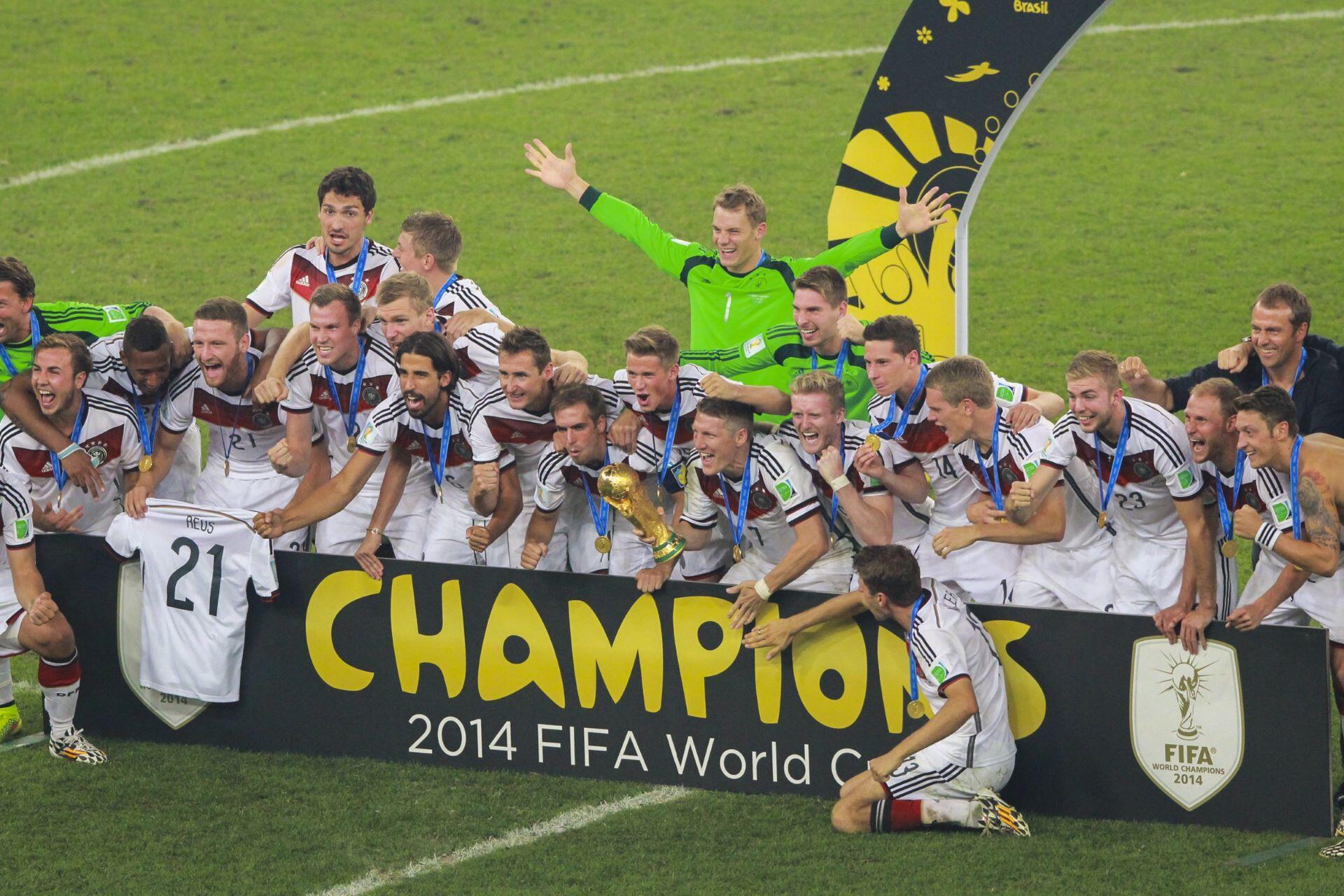
Miroslav Klose holds the record with 16 World Cup goals.
Pelé remains the youngest World Cup winner (1958).
Lionel Messi holds records for World Cup appearances.
Several players have won the Golden Boot for top scoring.
Legendary players helped define tournament history.
Germany national team celebrating with the FIFA World Cup trophy after winning the 2014 final.
Germany won the 2014 FIFA World Cup after defeating Argentina in the final. | Image by Danilo Borges/Portal da Copa copa2014.gov.br Licença Creative Commons Atribuição 3.0 Brasil.

Memorable Goals and Dramatic World Cup Finals

Pelé’s goal in the 1970 final for Brazil.
Diego Maradona’s solo goal vs England in 1986.
Zinedine Zidane’s performance in the 1998 final.
Andrés Iniesta’s winning goal in the 2010 final.
Lionel Messi’s triumph in the 2022 World Cup final.
Legends talking about a legend.

The Global Impact of the FIFA World Cup

The FIFA World Cup extends beyond football. It affects economies, culture, and international relations.² Hosting the tournament comes with investment, especially for infrastructure, as well as a boost for tourism and media attention.

Economic Impact on Host Nations

Increased tourism and global visibility.
Major investments in stadiums and infrastructure.
Large economic activity around tournament events.
Increased global media coverage.
Long-term tourism benefits in host cities.

Influence on Football Development Around the World

Increased participation in football globally.
Youth development inspired by international stars.
Investment in football academies worldwide.
Growing popularity of the sport across continents.
Global tournaments encouraging competitive standards.

How the FIFA World Cup Promotes International Unity

Brings nations together through sport.
Encourages cultural exchange between fans.
Celebrates global diversity through football.
Promotes sportsmanship and fair competition.
Creates shared global sporting moments.

References

  1. Fédération Internationale de Football Association (FIFA). “World Cup Champions 1930–1978.” FIFA, 24 Apr. 2023, https://www.fifa.com/en/tournaments/mens/worldcup/articles/world-cup-champions-1930-1978-uruguay-italy-germany-brazil-england-argentina. Accessed 6 Apr. 2026.
  2. Fédération Internationale de Football Association (FIFA). “World Cup Format Evolution: From 1930 to 2026.” FIFA, 5 Feb. 2024, https://www.fifa.com/en/tournaments/mens/worldcup/canadamexicousa2026/articles/world-cup-format-evolution-change-history-1930-2026. Accessed 6 Apr. 2026.
  3. HISTORY.com Editors. “First World Cup Tournament Begins.” History, 30 Jan. 2025, https://www.history.com/this-day-in-history/july-13/first-world-cup. Accessed 6 Apr. 2026.
  4. International Olympic Committee. “The First FIFA World Cup: Uruguay 1930.” Olympics.com, 7 Sept. 2022, https://olympics.com/en/news/first-fifa-world-cup-football-1930-uruguay-champion-records. Accessed 6 Apr. 2026.
  5. Rec.Sport.Soccer Statistics Foundation (RSSSF). “FIFA Club World Cup Winners.” RSSSF, https://www.rsssf.org/tablesf/fifawcc.html. Accessed 6 Apr. 2026.
  6. Rec.Sport.Soccer Statistics Foundation (RSSSF). “World Cup 1930–2022 Archive.” RSSSF, https://www.rsssf.org/tablesw/worldcup.html. Accessed 6 Apr. 2026.
  7. Rec.Sport.Soccer Statistics Foundation (RSSSF). “World Cup Final Tournaments Historical Rankings.” RSSSF, https://www.rsssf.org/tables/3002f.html. Accessed 6 Apr. 2026.

Summarise with AI:

Did you like this article? Leave a rating!

5.00 (1 rating(s))
Loading...
portrait of writer Joseph Philipson

Joseph

Joseph is a French and Spanish to English translator, language enthusiast, and blogger.