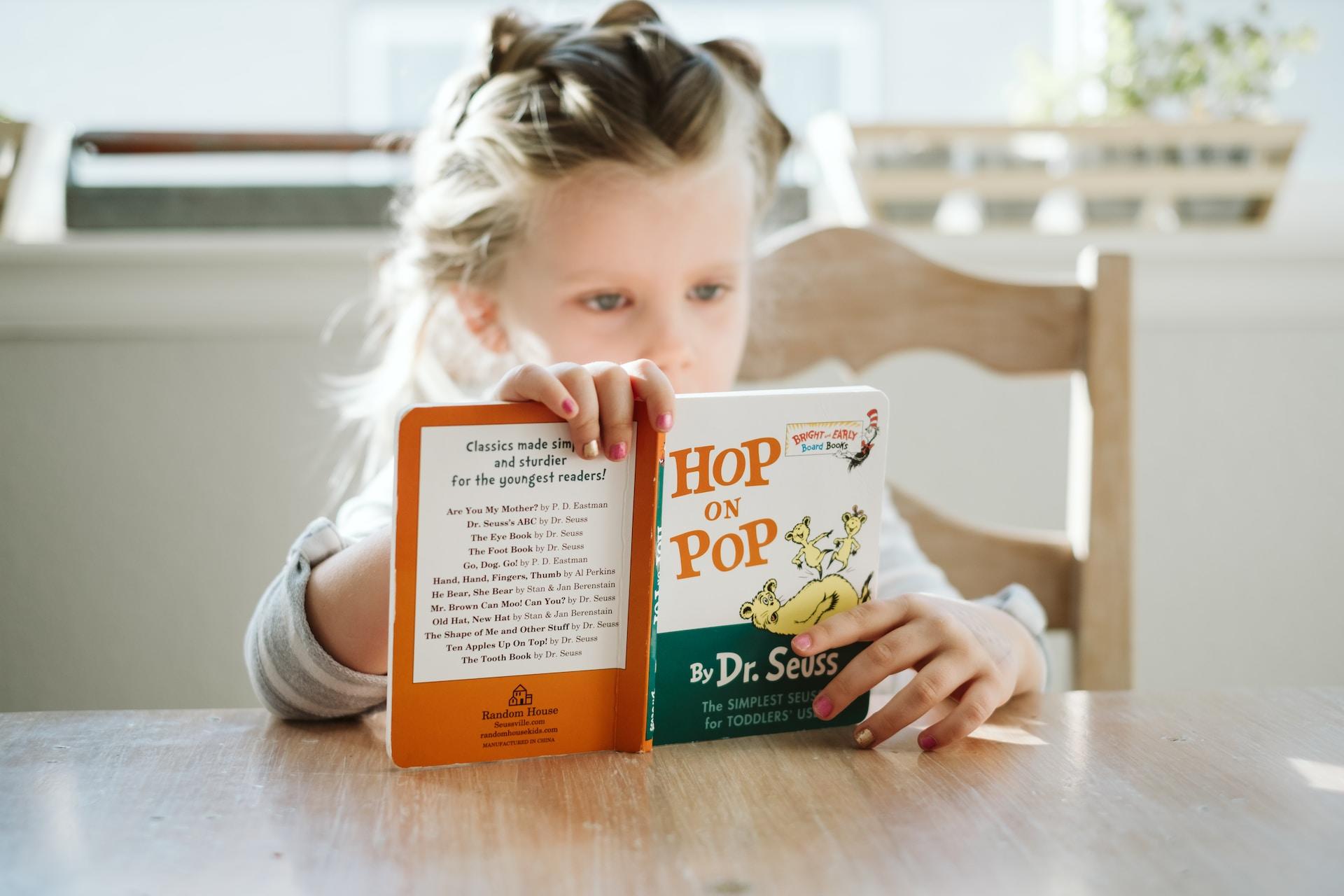

What do Lewis Caroll, Dr Seuss, and Spike Milligan have in common? They are all well-known poets who have published works loved by kids and adults alike.
An appreciation for poetry can start developing at a young age. It all boils down to natural exposure and cultivating interest in different types of poetry. Whether it's written or spoken, here are some recommendations of easy-to-read poems that children will enjoy on their literary journey.


😂 Funny Poems for Kids
Kids absolutely adore poetry that tickles their funny bones. Funny poems are a great way to get a child excited about reading poetry and can be extra satisfying to read aloud.
Here are three lovely recommendations:
✨ On the Ning Nang Nong by Spike Milligan
Voted the UK's favourite comic poem in a nationwide poll in 1998, On the Ning Nang Nong is one of the most beloved and taught poems for kids in school. 1
On the Ning Nang Nong Where the Cows go Bong! And the Monkeys all say Boo!
Silly Verse for Kids
💚 Features animals and objects that kids are familiar with: Cows, monkeys, trees, teapots,
💚 Features made-up words that rhyme and sound funny
✨ Daddy Fell into the Pond by Alfred Noyes
Published in 1952, this poem by Alfred Noyes describes a father falling into the pond, and the rest of the family reacts in a comically exaggerated way.
We were nearing the end of a dismal day, And there seemed to be nothing beyond, THEN Daddy fell into the pond!
Excerpt from the first stanza
💚Features a familiar setting of family members and nature
💚It's something that could have happened to their own father
💚The imagery of the pond and everyone's reactions is fun and funny to imagine
💚Simple rhyming which follows a simple narrative
✨ Mother Doesn't Want a Dog by Judith Viorst
Another funny classic, Mother Doesn't Want a Dog is a poem that will resonate with kids and parents.
Mother doesn't want a dog. Mother says they smell, And never sit when you say sit, Or even when you yell.
Exerpt from first stanza
💚 A familiar argument or conversation between a parent and a child
💚 Offers a parent's humorous perspective on having a dog
💚Kids would find it playful and emotionally engaging
🧒 Short Poems for Kids
Short poems are, by their very nature, quite quick to read. Their short length also means they are easy to recite. Here are some lovely short poems that you can recite with your kids, according to different age groups. 2
✨ Ages 4–6 (Very Short & Playful)
Mix a pancake,
Stir a pancake,
Pop it in the pan;
Fry the pancake,
Toss the pancake—
Catch it if you can
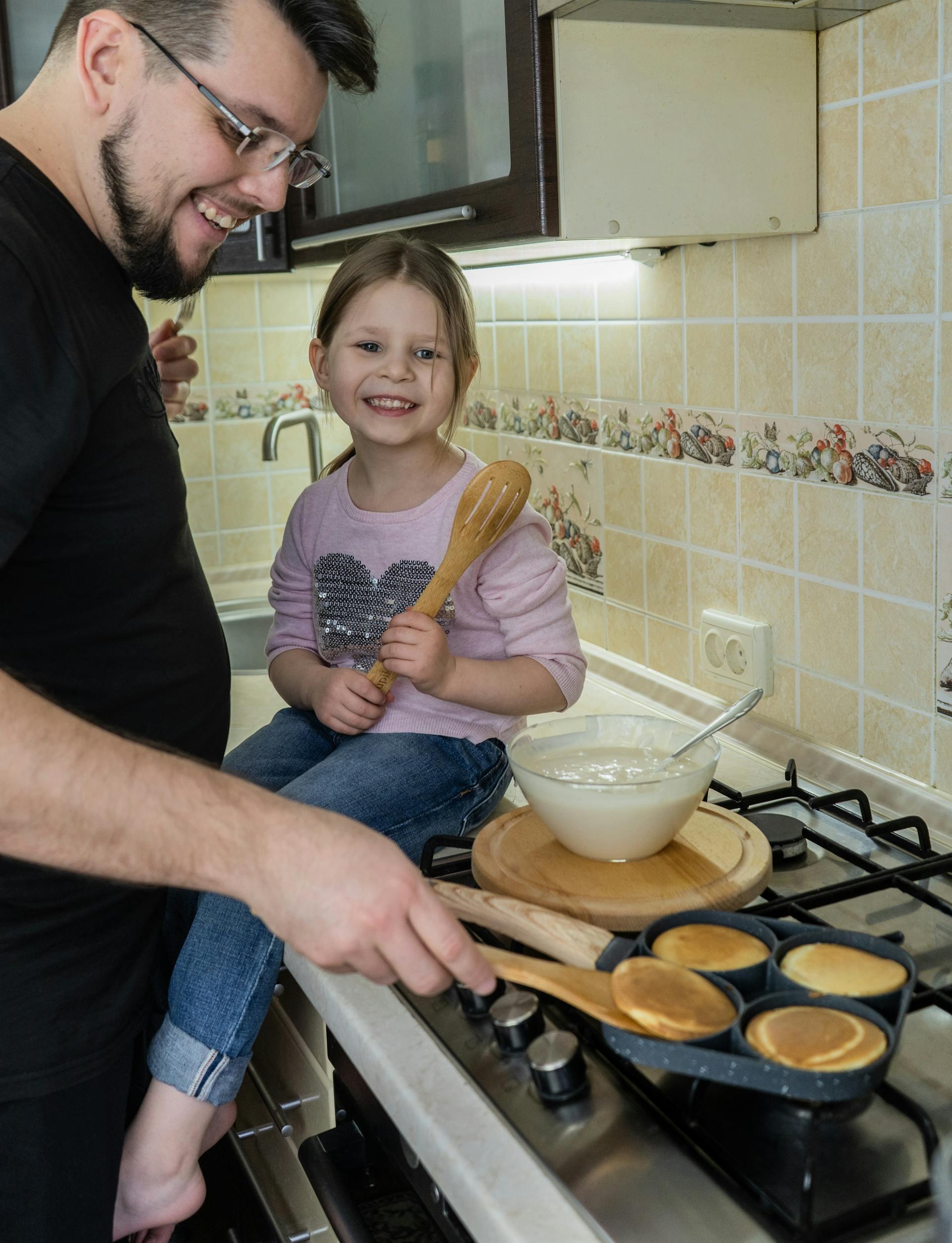
What makes this poem special: This poem has only 6 lines with easy rhyme and repetition, making it easy to memorise. Plus, you can make it more engaging by actually making a few pancakes in your kitchen!
✨ Ages 7–9 (Simple + Meaningful)
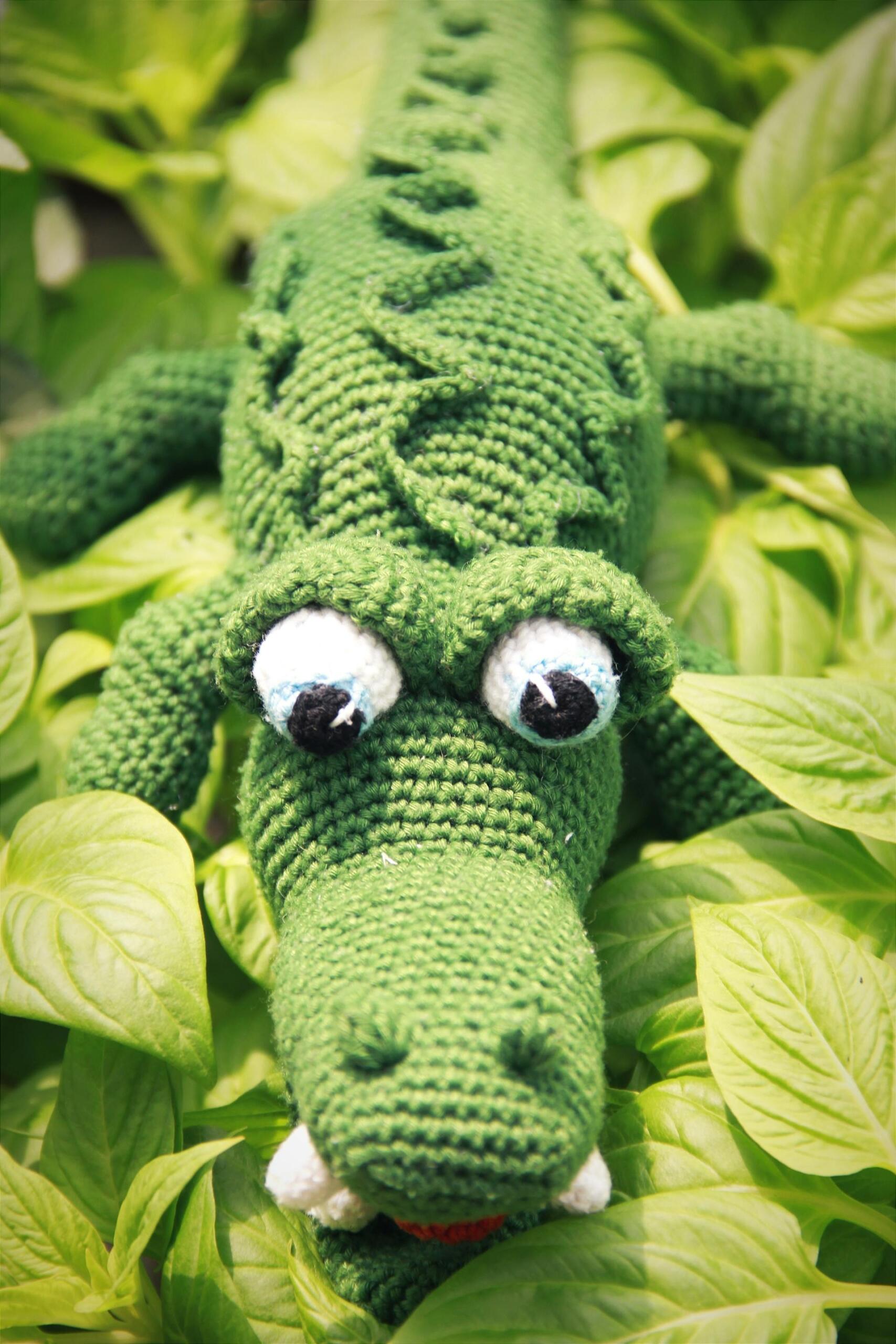
How doth the little crocodile
Improve his shining tail,
And pour the waters of the Nile
On every golden scale!
How cheerfully he seems to grin
How neatly spreads his claws,
And welcomes little fishes in,
With gently smiling jaws!
What makes this poem special: The poem offers a playful twist on the crocodile’s features, contrasting it with the usual perception of it as a dangerous animal.
✨ Ages 10+ and above (who love word plays)
Once there was an elephant,
Who tried to use the telephant—
No! No! I mean an elephone
Who tried to use the telephone—
(Dear me! I am not certain quite
That even now I’ve got it right.)
Howe’er it was, he got his trunk
Entangled in the telephunk;
The more he tried to get it free,
The louder buzzed the telephee—
(I fear I’d better drop the song
Of elephop and telephong!)

What makes this poem special: This poem works well for kids age 10+ as they can understand the silly “telephone + elephant” pronunciation mix-up while appreciating the rhythmic structure!
Meanwhile, don't forget to explore these poetry resources with your kids.
🌟 Famous Poems for Kids
Many poems with different themes have stood the test of time as classics in school literature. Here are a few you can share with your kids.
🎈The Swing by Robert Louis Stevenson
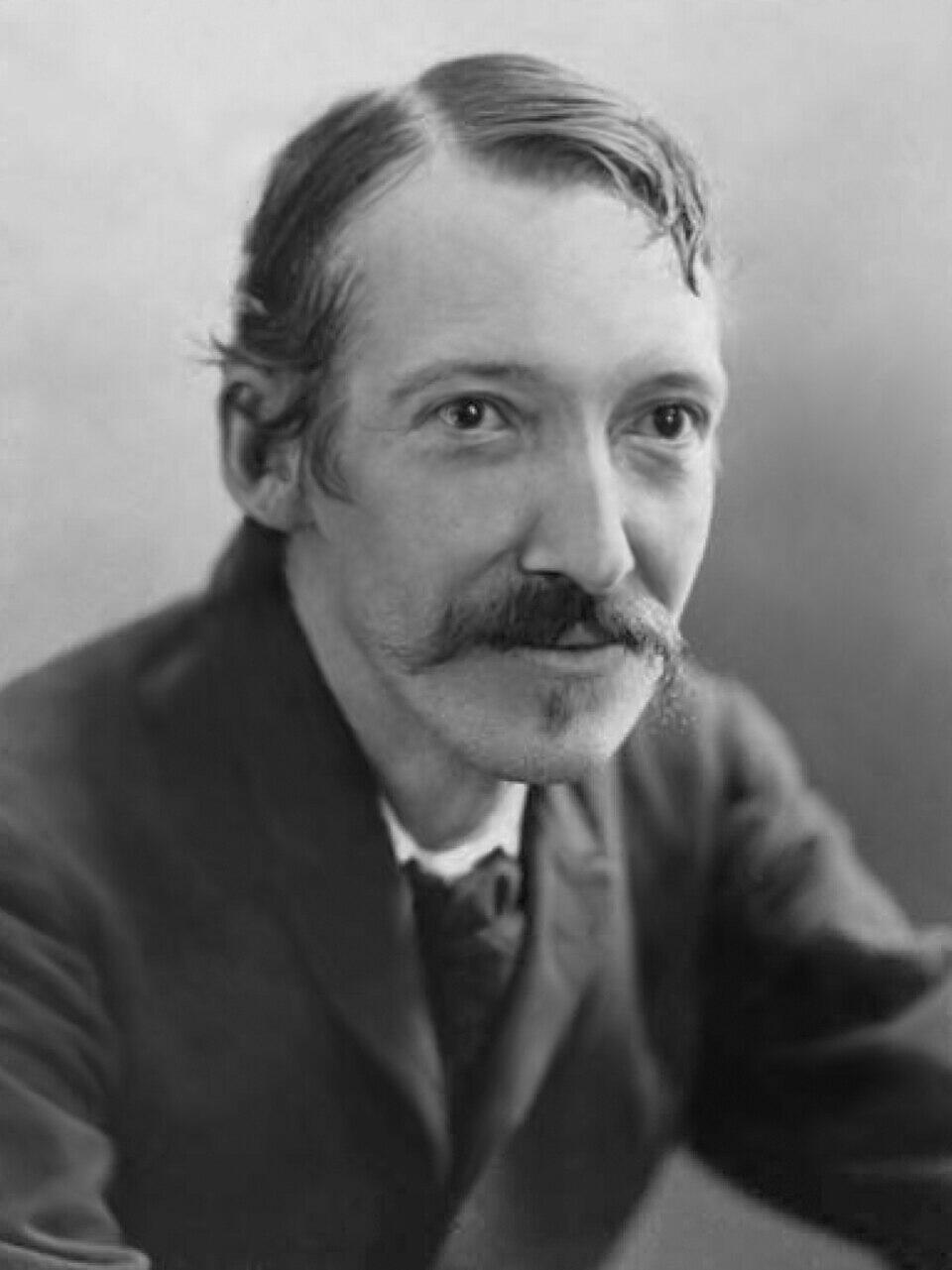
This poem was first published in A Child’s Garden of Verses (1885), a collection of sixty-four poems by Scottish novelist and essayist, Robert Louis Stevenson.
Stevenson dedicated this poetry collection to Alison Cunningham, a nurse who cared for him during his sickly childhood in Edinburgh. 3
The Swing worked so well as it captures a child's wonder and fascination with outdoor play as they swing high into the air.
Activity suggestionsfor kids: Reciting the poem while mimicking swinging movements, drawing the view that they imagine from the swing based on the poem.
🎈 Daffodils by William Wordsworth
Next up, we have one of the most famous poems from the Romantic movement. Published in 1807, Daffodils was written based on Wordsworth's walk with his sister, Dorothy, where they saw a field of daffodils dancing in the wind.
Activity suggestions for kids: Taking them for a nature walk to observe flowers, trees, or clouds and describe them creatively.
🎈 The Owl and the Pussy-Cat by Edward Lear
Originally published in Nonsense Songs, Stories, Botany and Alphabets (1871), this is a famous nonsense poem that tells the story of an owl and a cat who sailed away together. It's an unlikely pairing of animals that kids are familiar with, but with a promising, happy celebration of love and marriage.
Activity suggestions for kids: Performing the poem as a mini play with character voices and props, and drawing the pea-green boat, or the wedding scene from the poem.
Many famous poems have been set to nursery rhymes for children.
🗣️ Poems for 10-Year-Olds to Recite
Poetry recitals are a great way to help children develop their passion for literature and also cultivate their public speaking skills. It allows them to immerse themselves and express their emotions through different tones and body language.
Here are three lovely poems that are engaging and easy for 10-year-olds to memorise.
🎤 Trees by Joyce Kilmer
I think that I shall never see
A poem lovely as a tree.
A tree whose hungry mouth is prest
Against the earth's sweet flowing breast;
A tree that looks at God all day,
And lifts her leafy arms to pray;
A tree that may in summer wear
A nest of robins in her hair;
Upon whose bosom snow has lain;
Who intimately lives with rain.
Poems are made by fools like me,
But only God can make a tree.
🎤From a Railway Carriage by Robert Louis Stevenson
Faster than fairies, faster than witches,
Bridges and houses, hedges and ditches;
And charging along like troops in a battle,
All through the meadows the horses and cattle:
All of the sights of the hill and the plain
Fly as thick as driving rain;
And ever again, in the wink of an eye,
Painted stations whistle by.
Here is a child who clambers and scrambles,
All by himself and gathering brambles;
Here is a tramp who stands and gazes;
And there is the green for stringing the daisies!
Here is a cart run away in the road
Lumping along with man and load;
And here is a mill and there is a river:
Each a glimpse and gone for ever!
🎤The Tyger by William Blake
Tyger Tyger, burning bright,
In the forests of the night;
What immortal hand or eye,
Could frame thy fearful symmetry?
In what distant deeps or skies.
Burnt the fire of thine eyes?
On what wings dare he aspire?
What the hand, dare seize the fire?
And what shoulder, & what art,
Could twist the sinews of thy heart?
And when thy heart began to beat.
What dread hand? & what dread feet?
What the hammer? what the chain,
In what furnace was thy brain?
What the anvil? what dread grasp.
Dare its deadly terrors clasp?
When the stars threw down their spears
And water'd heaven with their tears:
Did he smile his work to see?
Did he who made the Lamb make thee?
Tyger Tyger burning bright,
In the forests of the night:
What immortal hand or eye,
Dare frame thy fearful symmetry?
Check out these poetry books for children.
📖 How to Choose the Right Poems for Your Child
We've reviewed some amazing poems for kids in this article. As parents, you would want to give your child a good head start by exposing them to the right poem according to their age group, reading level, and interests towards different types of poems.
Age group and reading level
- Younger children would usually prefer poems with simple vocabulary, strong rhyming, funny animal themes (Did you notice this recurring theme?) 4
- Eg: The Crocodile, The Owl and the Pussy Cat
- Older children may enjoy poems with richer imagery and narrative stories
- Eg: Daffodils and The Tyger
Interests and exposure to different poem types
- Choose poems that match your child's interests, whether it's nature, animals, adventure, or reflection
- Eg: If your child loves adventure, you can read them From A Railway Carriage
- Teach them about different types of poems, ranging from narrative, lyrical, and nonsense poems
Here's a simple question checklist for parents before choosing a poem:

Whether you're a parent or a teacher, you can access children's poetry through various resources such as:
- Public domain poetry collections
- Local organisations such as The Poetry Society
- Educational websites such as The Children's Poetry Archive
We hope this article has offered you a comprehensive view of different fun and famous poems for children. Enjoy the beautiful world of poetry!
References
- BBC News | ENTERTAINMENT | Top poetry is complete nonsense. (2026). Bbc.co.uk. http://news.bbc.co.uk/2/hi/entertainment/190291.stm
- Schenkman, L. (2025, July 23). 30 popular short poems for kids of all ages. Reader’s Digest. https://www.rd.com/list/popular-short-poems-for-kids/
- Stevenson, R. L. (2026). A Child’s Garden of Verses. Poetry Lovers’ Page. https://www.poetryloverspage.com/poets/stevenson/collections/childs_garden_of_verses.html
- Lively, P. (2019, April 5). What Are the Elements of a Good Children’s Poem? Literary Hub. https://lithub.com/what-are-the-elements-of-a-good-childrens-poem/
Summarise with AI:
Did you like this article? Leave a rating!

 Loading...