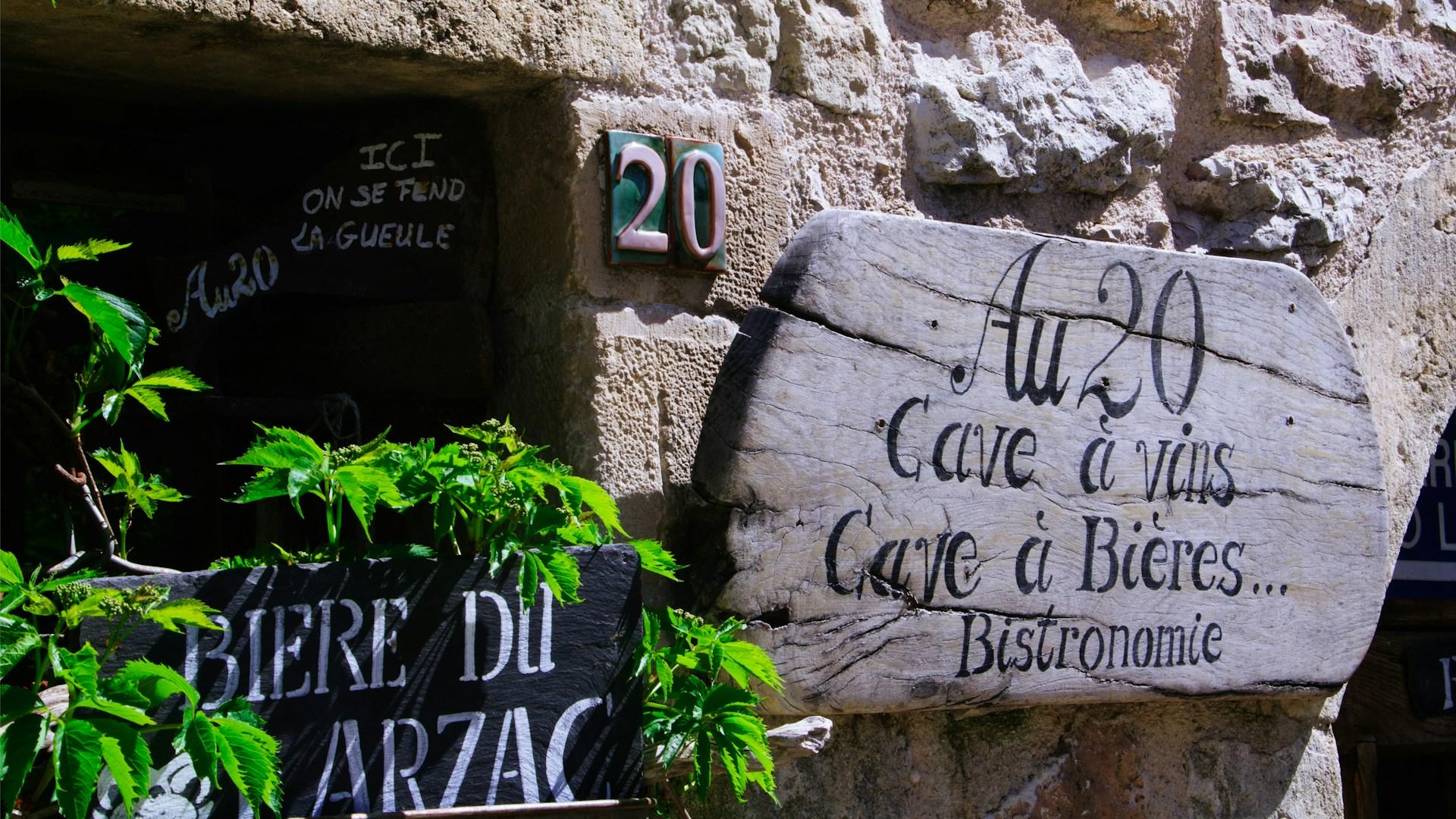

Did you know linguist experts estimate that 25 and 45% of English words are, or come directly from French1?. This fact might tempt you to claim you can speak French, but can you say you know all the French holiday phrases every French travelling guide recommends? This page endeavours to help you start your French holiday learning journey, starting with elemental phrases and then, moving into those you need to eat, shop, sightsee.
| 🥐 French phrase | 🔍 What it means | ⌚ When to say it | 🔊 What it sounds like |
|---|---|---|---|
| bonjour bonsoir bonne nuit | good day good evening good night | as a greeting during daylight hours as a greeting during evening hours at night, when parting company | |
| s'il vous plait merci derien | please thank you you're welcome | when asking for something when receiving something when someone thanks you | |
| excusez-moi pardon | excuse me sorry | to apologise and ahead of asking for help | |
| pourriez-vous m'aider? | could you help me? | when asking for directions or information. | |
| Je voudrais | I would like | when ordering food/drink or when shopping | |
| comment puis-je aller à... | how can I get to ... ? | when asking for directions | |
| Ou est la gare? Ou est l'aeroport? Ou est l'arret du bus? | Where is the train station? Where is the airport? Where is the bus stop? | When asking for directions | |
| combien ça coûte? l'addition, s'il vous plaît. | How much is it? the bill, please | Ahead of paying for something. before leaving a restaurant or hotel | |
| je m'appelle ... comment appelles-tu? Enchanté(e) | I'm called ... (my name is) What is your name? a pleasure (to meet you) | when chatting with someone for longer than a few minutes. the response to the introduction. | |
| pardon, je ne comprends pas. parlez-vous Anglais? | sorry, I don't understand. do you speak English? | ahead of asking for clarification. |


1️⃣ Essential French Greetings And Other Polite Expressions
Let's say you're a native English speaker with no French language studies behind you. We'd nevertheless wager you know the French words 'Bonjour' and 'Merci'. 'Hello' and 'Thank you' are travellers' essential words, whether in France or elsewhere in the world.
Using them signals that you respect your host country's culture its people. These two courteous expressions are the bare minimum a traveller can learn to be a good ambassador for their own country. If you're interested in building a stronger foundation, consider French lessons London.
Tourists behaving badly abroad seems to be all the rage, these days.
It's a pity that travellers forget that they're representing their own country.
How you behave abroad reinforces how your host nation view their country and culture.
Like citizens of other nations, the French are keen to welcome visitors, even if these tourists only use 'Bonjour' and 'Merci'. However, you shouldn't limit yourself to just 'hello' and 'thank you' - though they're fine, for starters.
You must also know how to say 'please' (S'il vous plaît), and 'goodbye' (Au revoir). It wouldn't hurt to master 'You're welcome' (De rien) and 'Excuse me' (Excusez-moi), either. The table at the end of this chapter lists all the basic words and phrases to study as you plan your trip to Paris.
A Word on the 'No English' Rumours
The French are inordinately proud of their language, and rightly so. But does that mean the rumours are true, that the French will only speak French - whether you can or not2? This clip sheds light on the subject, and offers tips for successful communication with French people in English.
💁♂️ Greetings in French
Saying bonjour ahead of any interaction is the standard in France. You might be fine, limiting yourself that that single phrase. However, the best places to visit in France may compel you to move beyond that greeting.
For instance, if you decide to overnight in the Loire Valley, your hotelier might greet you with "Comment-allez vous?" instead of the phrase you know. It means 'How are you doing?'. If you'd like to practise these kinds of greetings before you travel, consider working with an online French teacher.
The rise of the homestay - Airbnb-like accommodations, gives travellers yet another opportunity to speak French. For instance, when you come down to breakfast, your host might ask Avez-vous bien dormi? - did you sleep well?
No matter the occasion, always start the interaction with 'bonjour' before you ask for anything, including directions and ordering in restaurants.
Saying Hello - Age Matters
Like many languages, the French tongue has degrees of formality. When greeting or talking with anyone roughly your age or older, you must always err on the formal side. However, people obviously younger than you will view you strangely if you address them formally3.
Using the words and phrases you already learned, we make this side-by-side comparison. It outlines the difference between formal and informal speech.
Formal speech
- Bonjour/Au revoir
- S'il vous plaît
- Comment-allez vous?
- De rien
- Excusez-moi / Pardonnez-moi
Informal speech
- Salut
- S'il te plaît
- Ça va?
- Il n'y a pas de quoi
- Excuse-moi / Pardon (Pardonne-moi)
The Flipside of Greetings
Knowing how to greet someone in French is good; knowing how to take your leave politely is also vital. As noted in the table below, Au revoir is the standard farewell. However, if you're taking your leave from your homestay hostess, a cheery "À bientôt!" works better. It means 'See you soon!', a great phrase if you will, indeed, return for another night's hospitality.
What do you say to someone who apologises for some small offence - maybe, stepping on your foot? The 'Pardonnez-moi!' will be sincere; your 'Mais pas du tout!' should be, too. It translates to 'But not at all!'; it's roughly the same as our 'Think nothing of it!'.
This chart summarises all these phrases and more, and Denise pronounces them all for you. You only need to repeat after her and then, try out your new French vocabulary on French native speakers.
| 🥐 French word (formal informal) | 🔍 What it means | ⌚ When/how to use it | 🔊 What it sounds like |
|---|---|---|---|
| Bonjour bonsoir Salut | Hello good evening What's up? | Anytime you meet someone After 6 PM Only with people younger than you. | |
| Comment-allez ous? Ça va? | How are you? What's up? | When you know the person slightly A 'bonjour' response only with younger people. | |
| Au revoir Salut | Goodbye See you | When leaving Only to younger people. | |
| S'il vous plait S'il te plait Merci | Please Thank you | Any time you ask for something Only with younger people All occasions | |
| Je vous en prie Je t'en prie Derien | You're welcome (lit. 'I beg of you') | Formal For youths general; for all uses | |
| Excusez-moi Pardon | Excuse me | Addressing adults Addressing younger people | |
| Parlez-vous anglais? Tu parles anglais? | Do you speak English? | Addressing adults Addressing younger people | |
| Je ne comprends pas. | I don't understand | Suitable for all. | |
| Pouvez-vous m'aider? Peux-tu m'aider? | Can you help me? | Addressing adults Addressing younger people | |
| Qu'est-ce que c'est? | What is it? | Suitable for all. | |
| Je ne sais pas | I don't know | Suitable for all. | |
| Oui /non | Yes / no | Suitable for all. | |
| Enchanté(e) | Charmed | Formal occasions; after introductions. | |
| Peut-être | Maybe | Suitable for all. | |
| Le truc | 'the thing' | Commonly used instead of more complex words |
🚇 Asking for Directions in French
Finding the best places to visit in France is not hard. The whole country is well-served with efficient transportation. Signs abound to direct tourists to the most high-profile - and even quieter, attractions. And, should Paris be your destination, you could hardly get lost for all the signage.
Still, it happens that one might lose the occasional train or metro station. In such cases, it's handy to know how to ask passers-by to help you find your way.
Besides, you have another reason to learn basic French phrases for travel related to commuting and asking directions, even if you're not lost. For example, you might want to ask what time the train to another city leaves. Or if you can reserve you place. Maybe you need to know if there's an earlier or later train.
| 🥐 French Phrase | 📖 Meaning | 🔊 What it sounds like |
|---|---|---|
| Où est la gare, s'il vous plaît? | Where's the train station, please? | |
| Je voudrais un billet pour [destination], s'il vous plaît. Un billet pour [destination], s'il vous plaît. | I'd like a ticket to [destination], please. One ticket to [destination], please. | |
| Je voudrais un billet aller-retour, s'il vous plaît. Un billet aller-retour, s'il vous plaît. | I would like a round-trip ticket, please. A round-trip ticket, please. | |
| Ça coûte combien? | How much does it cost? | |
| À quelle heure part le prochain train? | What time does the next train leave, please? | |
| Est-ce que ce bus va à [l'aéroport]? Où est le bus pour [l'aéroport]? | Is this the bus to the airport? Where's the bus to the airport? | |
| Excusez-moi, je cherche [destination]. | Excuse me, I'm looking for [destination]. | |
| Est-ce que vous pouvez m'indiquer le chemin? Pourriez-vous m'indiquer le chemin? | Could you give me directions? | |
| À quelle heure ferme le métro? | What time does the metro shut down? | |
| Combien de temps cela prend-il pour aller à [destination]? | How much time does it take to get to [destination]? |
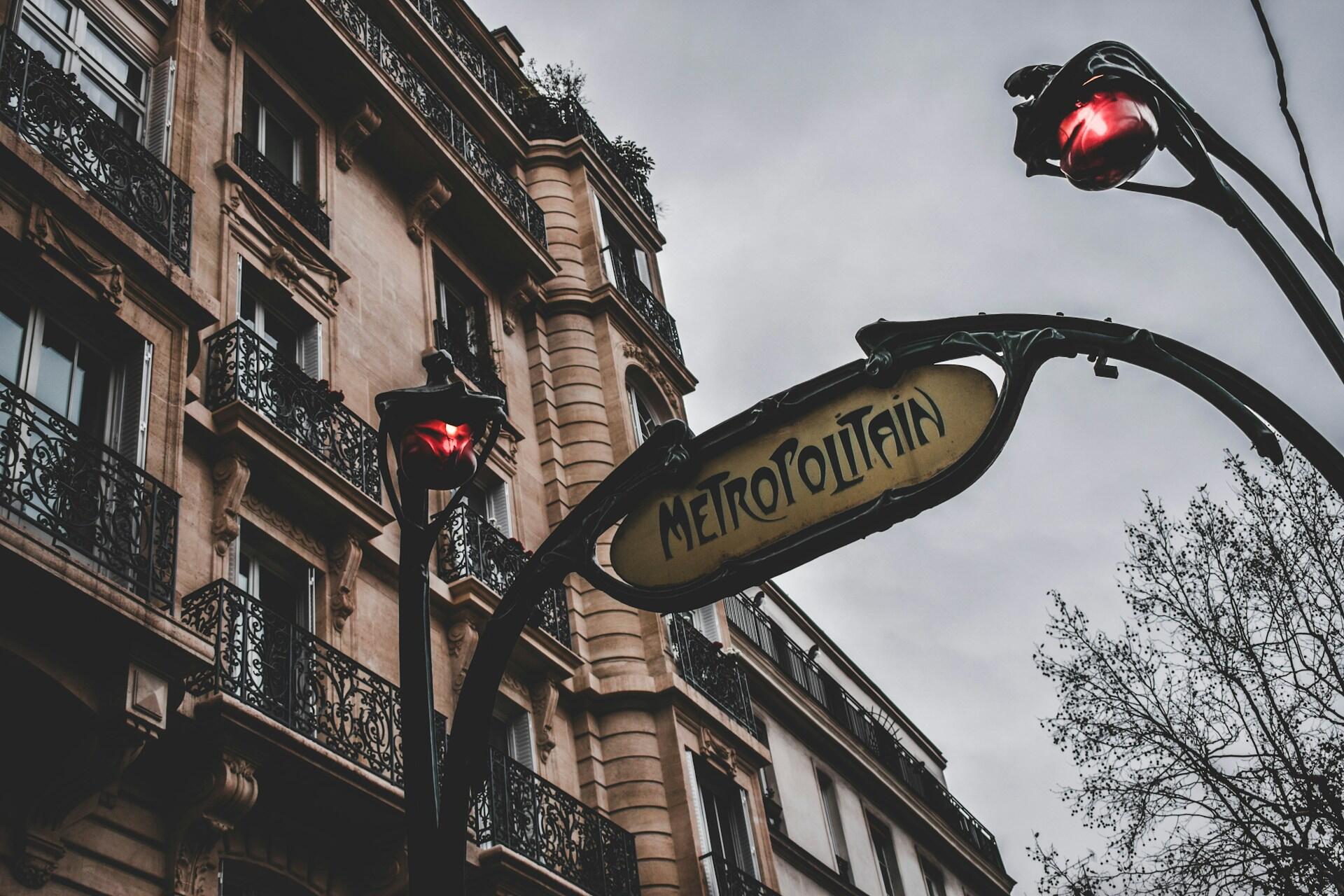
When navigating the Paris metro system, you need to know what time the stations close. And if you hire a taxi, you must direct the driver to your hotel or other destination. The chart above outlines the most important phrases to remember for such occasions.
💀 In Case of Emergency
Heavens forbid anything should happen to you as you travel, but it's always best to be prepared for anything, including emergencies. Adding these calls for help 'Au secours!', 'à l'aide!', and 'Aidez-moi!' to your list of basic French phrases for tourists won't keep you free from harm. But they will help ensure help finds its way to you.
112 - In France and elsewhere in Europe, this is the main emergency number.
15 - for medical emergencies, dial this number.
17 - if you need the police, this is the right number.
18 - for the fire department, this is the number to dial.
114 - the emergency services number for the hearing-impaired.
196 - for distress at sea, called from land.
😋 Ordering Food in France
In the clip above, you learnt how intricate ordering food can be in a French restaurant. Therefore,, whether you dine at the corner bistro or sample street food, you should know the proper way to order for the setting you're in. A food vendor likely wouldn't consider you rude for using informal speech.
Indeed, experiencing such an exchange is one of the best things to do in Paris. Rather than the automatic bonjour, pay attention to how other patrons address them before it's your turn to order.
French culture tends towards formality. Expect wait staff (and shopkeepers) to address you in the third person - "Et pour Monsieur/Madame?" (And for the Mister/Madam?).
As the clip above reveals, dining culture in France is an intricate dance. To master its steps, you must know how to make a reservation, order your dishes, and ask for the check. You might even go a bit further, asking if the dishes as allergen-free or suitable for vegetarians. This table teaches you the right French vocabulary for the art of dining in France.
| 🥐 French Phrase | 📖 Meaning | 🔊 What it sounds like |
|---|---|---|
| Une table pour [deux, trois, quatre...], s'il vous plaît. | A table for [two, three, four...], please. | |
| Je voudrais réserver une table pour ce soir. | I'd like to reserve a table for tonight. | |
| La carte, s'il vous plaît. | The menu, please. | |
| Qu'est-ce que vous recommandez? | What do you recommend? | |
| Quel est le plat du jour? Quel est la soupe du jour? | What's today's special? What's today's soup? | |
| Je voudrais essayer... Je prends... | I'd like to try... (dish) I'll have... | |
| avez-vous des plats végétarien? | Do you have vegetarian dishes? | |
| Avez-vous des plats sans gluten? | Do you have gluten-free options? | |
| Je voudrais encore de l'eau (du vin, du pain...) s'il vous plaît. | I would like more water (wine, bread...), please. | |
| L'addition, s'il vous plaît. | The cheque, please. | |
| Est le service inclut? | Is the service charge included? | |
| Vous acceptez les cartes de crédit? | Do you accept payment cards? |
Another Aspect of Formality
And I want the whole pie.
Anonymous diner in a buffet-style restaurant.
In French restaurants, how you order your food makes all the difference. And, the vocabulary you use depends on the type of establishment you're in4.
👍 In cosier cafés and bistros, you may order with 'Je prends' (I'll have).
👍 In upscale dining facilities, you must use the more formal 'Je voudrais' (I would like).
👎 In all cases, even with street vendors, saying 'Je veux' (I want) is rude beyond measure.
🛒 Shopping Vocabulary in France
You might not think French travel phrases will serve you well when shopping. On the contrary, you'll find many uses for the vocabulary you learned to buy transit tickets. These phrases work in negotiating food and other purchases, too.
Phrases like Combien ça coûte? and Qu'est-ce que c'est? work in many situations. Still, you must expand your lexicon just a bit to master the right phrases for shopping in France. This table shows you the most common ones, along with when and how to use them.
| 🥐 French phrase | 📖 Meaning | 🔊 What it sounds like |
|---|---|---|
| Je peux vous aider? Pourriez-vous m'aider? | May I help you? Could you help me? | |
| Qu’est-ce que vous cherchez? Je cherche... | What are you looking for? I'm looking for... | |
| Quelle pointure (faites-vous)? Quelle taille (faites-vous)? | What's your shoe size? What's your clothing size? | |
| Bon marché! Madame a fait le bon marché! | Inexpensive! Madame scored a bargain! | |
| Un échantillon (gratuit). | A (free) sample | |
| Payer en espèces. Payer en liquide. Payer avec une carte. | To pay in cash. to pay by card. | |
| La monnaie | The change | |
| Le reçu | The receipt | |
| Avez-vous cela en bleu? | Do you have this in blue? | |
| Est-ce que je peux l'essayer? | May I try it on? |
Granted, hypermarkets and high-end boutiques are not the top attractions in France. Still, you might find something in a shop or at a vendor's stall that you can't live without. That being the case, you need this basic vocabulary to complete your purchase. You should also know numbers, at least, up to 20.
🔢 Mastering Counting in French
While some languages' numbering systems are logical to a fault, French (and English) defy logic. So, you should make learning how to count a part of your French travel phrases education. This chart takes you from one to 20 and beyond.
| 🔢 Number | 🥐 In French | 🔊 What it sounds like |
|---|---|---|
| 1, 2, 3 | un, deux, trois | |
| 4, 5, 6 | quatre, cinq, six | |
| 7, 8, 9 | sept, huit, neuf | |
| 10 | dix | |
| 11, 12, 13 | onze, douze, treize | |
| 14, 15, 16 | quatorze, quinze, seize | |
| 17, 18, 19 | dix-sept, dix-huit, dix-neuf | |
| 20 | vingt | |
| 30, 40, 50 | trente, quarante, cinquante | |
| 60, 70 | soixante, soixante-dix | |
| 80, 90 | quatre-vingt, quatre-vingt-dix | |
| 100 | cent |
You'll note from the table that the French numbering system uses base-10 up to 60, and then base-20 to 100. The reasons why trace back to Ancient Gaul5, far outside the scope of this page. A basic French phrases for travel go, memorising at least 1-20 should be enough.

🤷♂️ Going Beyond Hello: Introducing Yourself and Basic Conversation
If you're just asking for directions or buying something, you probably won't want to extend the conversation any further than needed. But what if you're on a Paris day trip, and you happen upon someone you'd like to know better? These are the phrases to speak.
The most important one, of course, must be Parlez-vous Anglais? - 'Do you speak English?' In such situations, people typically converse in a mixture of languages. Some of yours, some of theirs, and maybe even a third and fourth one. Often, with talk-to-text translations thrown in for good measure. For more interactive practice, consider working with a French tutor.
Or, you could simply say Pardon, je ne comprends pas - 'I'm sorry, I don't understand'. On the other hand, if you have some vague idea of what the other is saying, you could ask them: Qu'est-ce que c'est? - 'What is that?'. We close out this article with a final chart that illustrates different ways to keep the conversation going.
| 🥐 French phrase (formal informal) | 📖 Meaning | 🔊 What it sounds like |
|---|---|---|
| D'où etes-vous? D'où etes-tu? Je suis de Londres. | Where are you from? I'm from London. | |
| Quel âge as tu? | How old are you? | |
| Vous aimez bien les sports? Tu aimes bien les sports? | Do you like sports? | |
| C'est votre première visite? C'est ta première visite? | Is this your first time here? | |
| Dites-moi de votre pays. Dis-moi de ton pays. | Tell me about your country. | |
| Qu'est-ce que vous aimez bien faire? Qu'est-ce que tu aimes bien faire? | What do you like to do? | |
| Vous faites quoi de travail? Tu fais quoi de travail? | What type of work do you do? | |
| Vous aimez voyager aussi? Tu aimes voyager aussi? | Do you like to travel, too? | |
| C'est un vrai plaisir to faitre votre connaissance. C'est un vrai plaisir to faitre ta connaissance. | It's a pleasure to meet you. | |
| On va ensemble? | Shall we go together? |
References
- History, Facts. “Why There Are so Many French Words in English.” American Concierge, 4 Apr. 2024, americanconcierge.com/blog/why-there-are-so-many-french-words-in-english. Accessed 3 July 2026.
- “Do People in France Speak English? Key Tips for Travelers.” TRAVEL to DESTINATION, 23 July 2025, traveltodestination.com/europe/france/do-people-in-france-speak-english/. Accessed 3 July 2026.
- Comprenders. “Navigating French: When to Use Formal and Informal Language.” Comprenders Docs, 10 June 2026, comprenders.com/en/lang/french/internet/formal-vs-informal-french-when-to-use-which/. Accessed 5 July 2026.
- delwoda. “How to Order and Shop in French with Ease: Key Phrases You Need.” French Carte, 8 Dec. 2024, www.frenchcarte.com/post/how-to-order-and-shop-in-french-with-ease-key-phrases-you-need. Accessed 5 July 2026.
- Grammar, Numbers: “Polyglottist Language Academy.” Polyglottist Language Academy, 17 Feb. 2025, www.polyglottistlanguageacademy.com/language-culture-travelling-blog/2025/2/17/understanding-french-numbers-grammar-rules-you-need-to-know. Accessed 5 July 2026.
Summarise with AI:
Did you like this article? Leave a rating!

 Loading...