







Why choose GCSE geography?
There are around 50 GCSE subjects and 14 vocational GCSE subjects that the students can choose from. Although, students frequently prepare for 5 GCSE subjects and aim at the A*-C grades for each subject to achieve the English Baccalaureate. The qualifications vary from student to student and from school to school, but most schools would encourage taking the 5 main subjects for the English Baccalaureate.
According to a 2014 study, student numbers for GCSE geography have been rising for the last five years, with 225,000 sitting a GCSE in geography subject. In 2018, geography became the 6th most popular GCSE subject, up from 8th place in 2017, thus it is fascinating to see why students keep choosing geography more and more each academic year.
GCSE Geography has remained a strong subject at the university level, thus explaining why people are considering this subject for their GCSE and later for their A-Level exam as well. The UK has a long academic history with geography and counts some renowned geographers that founded the Royal Geographical Society, they also did meaningful contributions to the academic subject in the different universities from Oxford, and Cambridge to the London School of Economics and King's College.
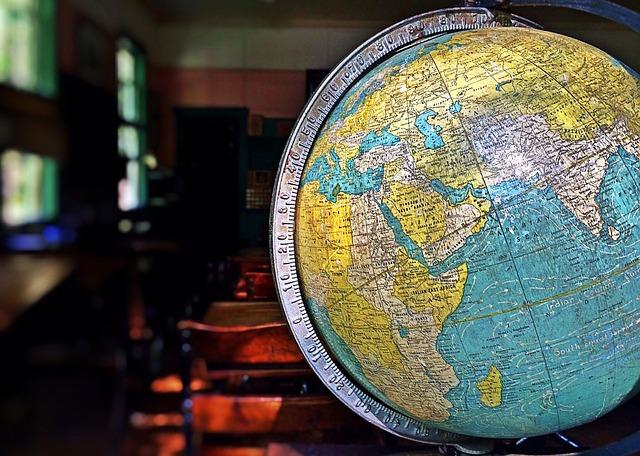
What is fascinating about geography is also one of the few subjects where pupils get an integrated view of the world in which they live, which combines our understanding of the world from human and physical perspectives. Thus enabling a local and global understanding of the world.
Among the different subjects, GCSE Geography is the one that interests us here. What are the key features of the geography GCSE syllabus? How can you best revise for geography?
How to revise for geography GCSE?
You are probably wondering if the GCSE Geography is hard? If yes, how to revise geography gcse? It can be quite intimidating to prepare and study alone for a subject, even more for a subject like geography GCSE, because it requires a panoramic knowledge of the natural sciences and humanities.
In order to prepare for the different modules and subjects that are included in the GCSE examination, we recommend you to look closely at the geography GCSE syllabus of your school because these vary from school to school. However, the core subjects remain the same, this will allow you to find many resources to study the core subjects and get prepared as much as possible.
Online tutoring GCSE is a great way to prepare the core subjects with a geography tutor that will bring you assistance for the subjects such as Physical Geography and Human Geography, which are essential to integrate into your study and practice.

GCSE geography topics: Physical geography
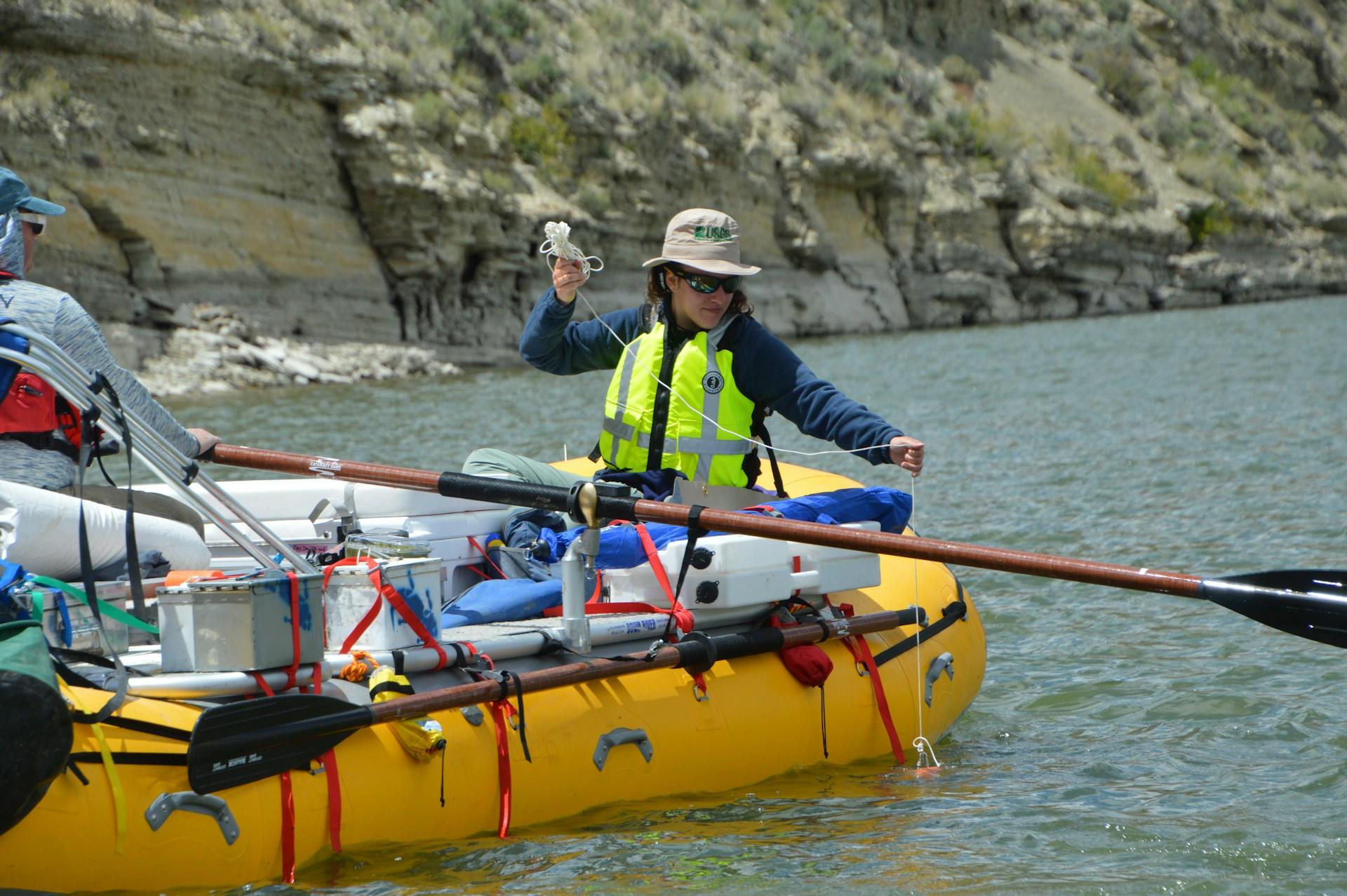
Physical geography is the study of Earth’s seasons, climate, atmosphere, soil, streams, landforms, and oceans.
This discipline is focused on the natural sciences that compose the planet earth at every level from the fauna and flora that live on this planet.
Therefore, the knowledge you are expected to acquire to fulfil the qualification and entry requirements is oriented to the natural elements and their cycles or systems, how they work, where are they located, what do they need to function properly and which ones are affected by climate change and how this affects its natural cycles and functioning. Furthermore, physical geography is concerned with the processes and interactions between people and their environment and how they affect global ecosystems and biodiversity. For example, how abrasion works and affects the beaches and shores.
Having a good grasp of physical geography is not only essential to achieving good grades, but it is also important to understand our natural world, the environment and how we relate to it.
GCSE geography topics: Human Geography
Since 1945, human geography or anthropogeography is the branch of the discipline that focuses on human aspects of the society, mainly five divisions —economic, social, cultural, political and historical and their interrelation with the environment, particularly their spatial interdependencies by application of mixed methodologies of qualitative and quantitative research methods. Thus, human geography is the study of the distribution of networks of people and cultures on Earth’s surface.
Because human geography is mainly concerned with the human aspect of how we relate to the physical and environmental processes and systems, it focuses on the processes and changes humans have created in their environment, through cities, urbanization and global economic development.
Thus, having an advanced understanding of the implications of national and international dynamics that are a consequence of globalization and how they affect our environment is key. In addition, the methodologies that are used in each subject differ from the physical geography units; human geography is mainly concerned with qualitative methods because the samples, scales and the way information is gathered are way different from the natural environment.

More revision tips for GCSE geography
The GCSE geography exam is very demanding regarding the skills you have to acquire for the core subjects because this will prepare you to learn the foundations for your A-Level exam in geography later on if you would decide to pursue it.
A good way of gathering and noting specific words, concepts or theories is flashcards! It seems like an old-school method but has proved very efficient, especially when you want to quickly get back to a concept or link it to another concept or theory that you are currently studying. This does not mean you only need to memorize words and concepts, look at it more like a way to map everything you are learning as you go through the different courses.
We recommend you organize your schedule and have dedicated time to your studies, if this is too difficult to do alone, and you don't know how or where to start, you can always find a geography tutor that will help you to plan ahead and take the pressure off.
Get to know the geography GCSE syllabus
A good way to plan ahead is to create your study and revision timetable, this should include the time you dedicate to studying the core subjects, and modules, dedicate more time to acquire a specific skill or achieve a certain study goal; but it should also include the time in which you gather all the information you might need for your future application including the specific entry requirements for your A-Level and university exam and applications, tuition fees, specific dates or deadlines for the Universities and Colleges Admissions Service (UCAS).
Another important factor while laying out your study plan is to make notes and acknowledge which subjects might need more work than others, and might even need a specific course to help you thrive and learn a more difficult skill.
Geography tutors near me and past papers
Remember that asking for help and support from your family, friends and tutors during your studies is essential for your general well-being and for avoiding stressful situations. It can be challenging to find online geography tutors or geography tutors near you. Superprof is a great platform to help you find both options to find a geography tutor that will assist you in your geography revision. Through the Superprof platform, you will be able to find geography tutors near you everywhere in the United Kingdom. Each tutor presents their skills and rates, which makes it easy to search for the right geography tutor according to your needs for your geography revision. Whether you are looking for a one-on-one geography tutor or an online geography tutor, you will find even tutors for specific geography topics if you only need assistance in some parts of the geography GCSE syllabus.
Another significant resource to prepare for your GCSE Geography is the past papers, these will allow you to exercise, practice and get a full glance at how the exam is structured and what is expected of you to get the grade you require or want for your future applications.
Past papers are easy to get through different study resources online and are an excellent resource to find inspiring subjects for your fieldwork assignment for the GCSE geography, but also to start building your A-Level application, and if you are very serious about your geography revision and want to apply to an undergraduate degree in Geography (BSc) you can start looking at the requirement you will need to achieve your geography degree.

Geography revision is possible everywhere!
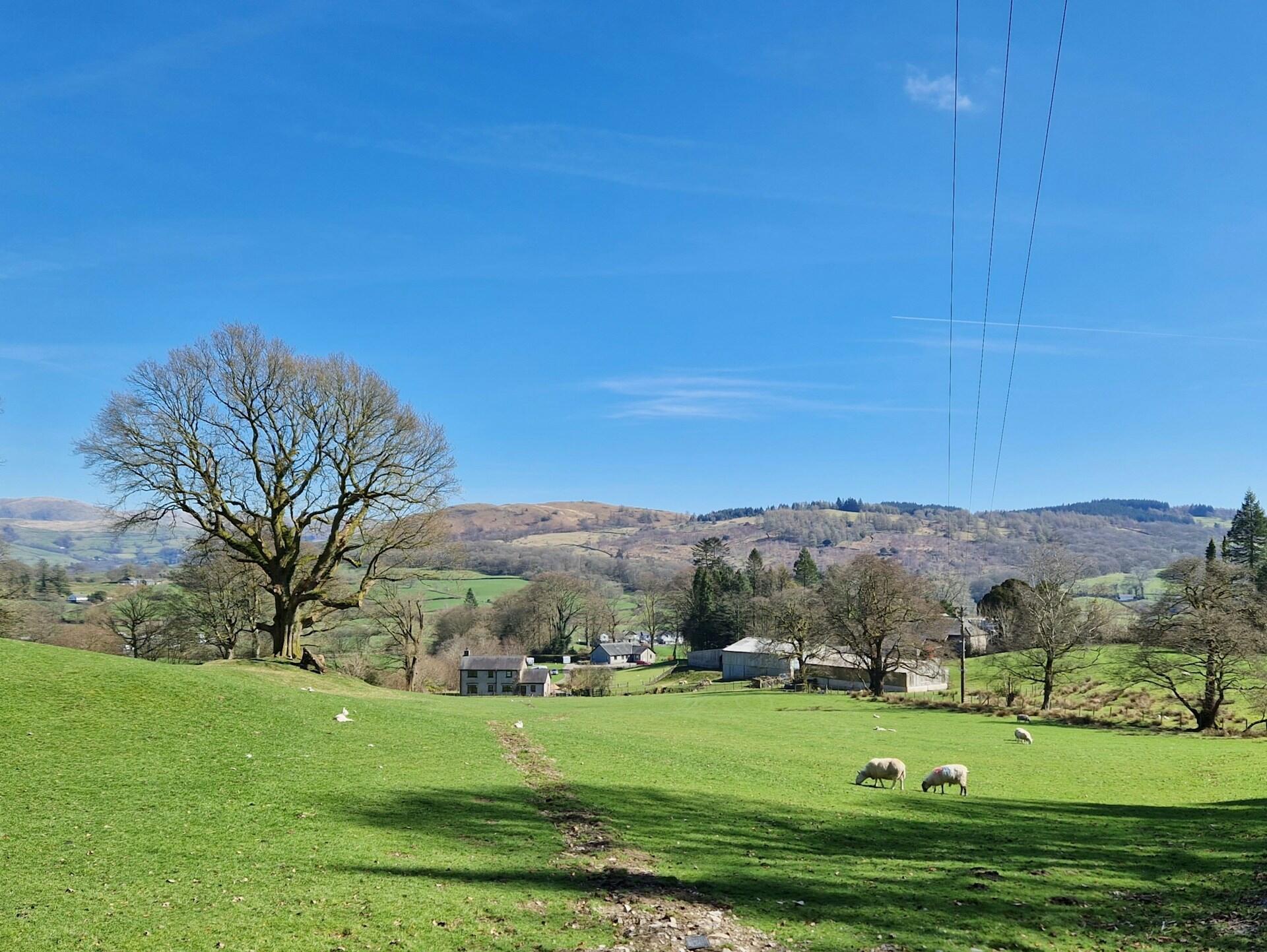
Each time you go outside is an opportunity to observe, wonder, research, gather your personal data and apply the skills that you have learned in your different programmes and modules preparing for your GCSE in geography!
The UK is a beautiful country where you can wander and apply the skills you have learned, during your geography studies and degrees you will also have the possibility to broaden your understanding of the environment and society, but geography as a career opens several national and international opportunities.
As you can see, geography is concerned with very diverse topics, fields of research and applications; this means that many career opportunities are possible when studying Geography and learning the numerous skills that geographers need. Among the skill-set that you will acquire are:
- Cartographic skills
- Graphical skills
- Statistical skills
- Information and Communications Technology (ICT) skills
If you have a passion for the environment or human activity and feel committed to building a world where nature and humans coexist in a balanced way, GCSE Geography might be a good option for you!
Summarise with AI:
Did you like this article? Leave a rating!


 Loading...